Oporto Drinks: A Deep Dive Into Taste, Texture, and Why We Keep Ordering Them
I remember the first time I stood in line at the Oporto Plumpton location, staring at the menu board while the smell of flame grilled chicken hit me square in the face. I wasn’t just there for the Bondi Burger; I was thirsty. Really thirsty. And like most people, I realized that the drink choice makes or breaks the meal. You pick the wrong beverage, and that famous chilli sauce overpowers your palate. You pick the right one, and suddenly the spices sing.
That moment of hesitation at the counter is universal. Whether you are navigating the drive-thru or mixing Oporto liquor cocktails at home, finding the right pairing isn’t just about quenching thirst it’s about flavor balance. This guide strips away the marketing fluff to give you a brutally honest look at the best Oporto drinks, from the fast-food classics to the sophisticated fortified wines that share the name.
The Flavor Profile: Why Oporto Drinks Hit Different
When we talk about Oporto drinks, we usually mean two very different things that often get confused in search results. First, there’s the beverage selection at the popular Australian fast-food chain. Second, there’s the rich history of Oporto liquor (Port wine) hailing from Portugal. Surprisingly, they share a common thread: intensity.
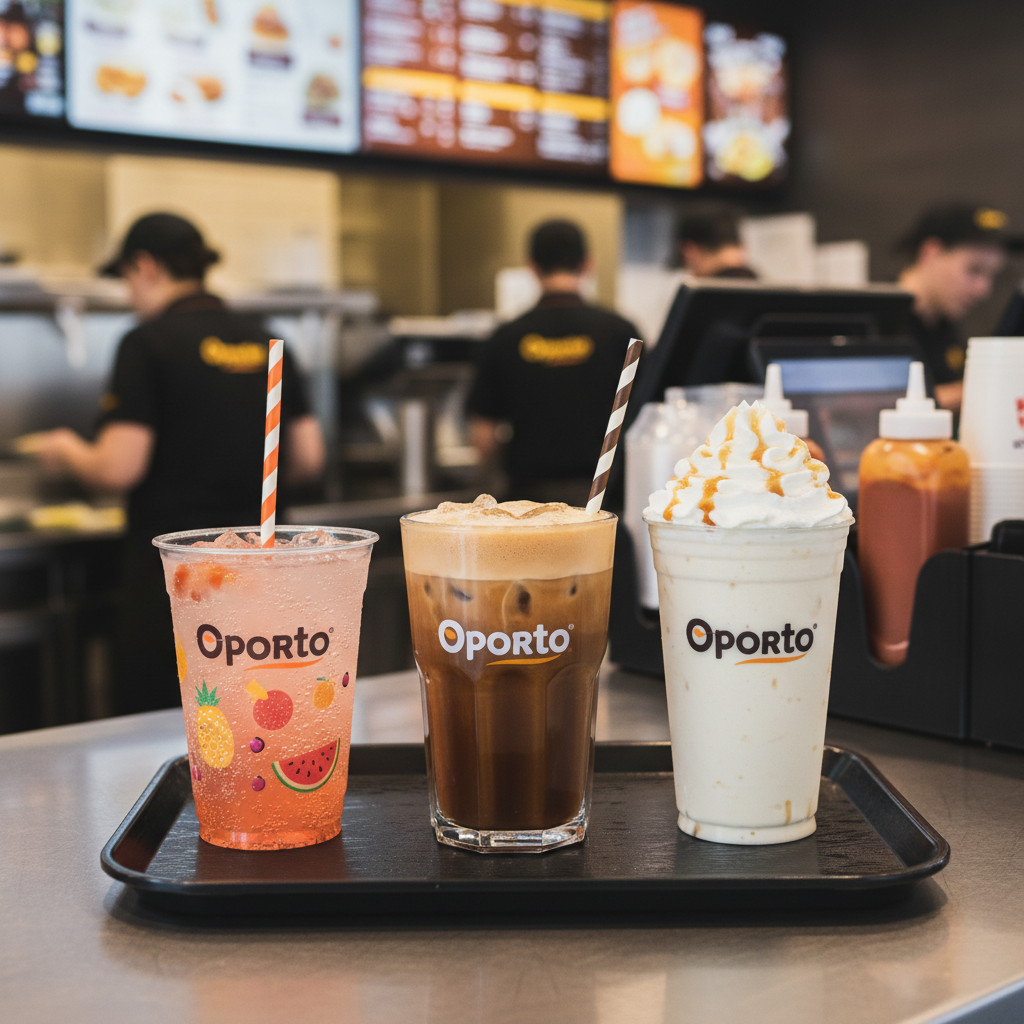
The Oporto menu is designed around punchy, bold flavors. The food is salty, spicy, and texturally complex. Consequently, the drinks need to cut through that fat and heat. You aren’t looking for subtle notes of elderflower here. You need high acidity, strong carbonation, or creamy sweetness to reset your taste buds between bites.
Similarly, if you are exploring Oporto liquor, you are dealing with fortified wines that pack a heavy punch of sugar and alcohol. These aren’t weak drinks. They demand attention. Whether you are sitting at a table in Oporto Plumpton or sipping a tawny port after dinner, the principle remains: bold flavors need bold companions.
Top 10 Oporto Drinks Ranked by Taste and Popularity
This ranking isn’t based on sales data alone. It is based on flavor pairing, mouthfeel, and how well each option complements a spicy meal or stands on its own.
1. The Classic Lemon & Lime (Sparkling)
This is the undisputed king of the Oporto menu. Why does it rank first? Because acid cuts heat better than sugar alone. When you are eating a Double Bondi with extra chilli, your mouth is coated in oils and capsaicin. A standard cola is too syrupy to cleanse that effectively.
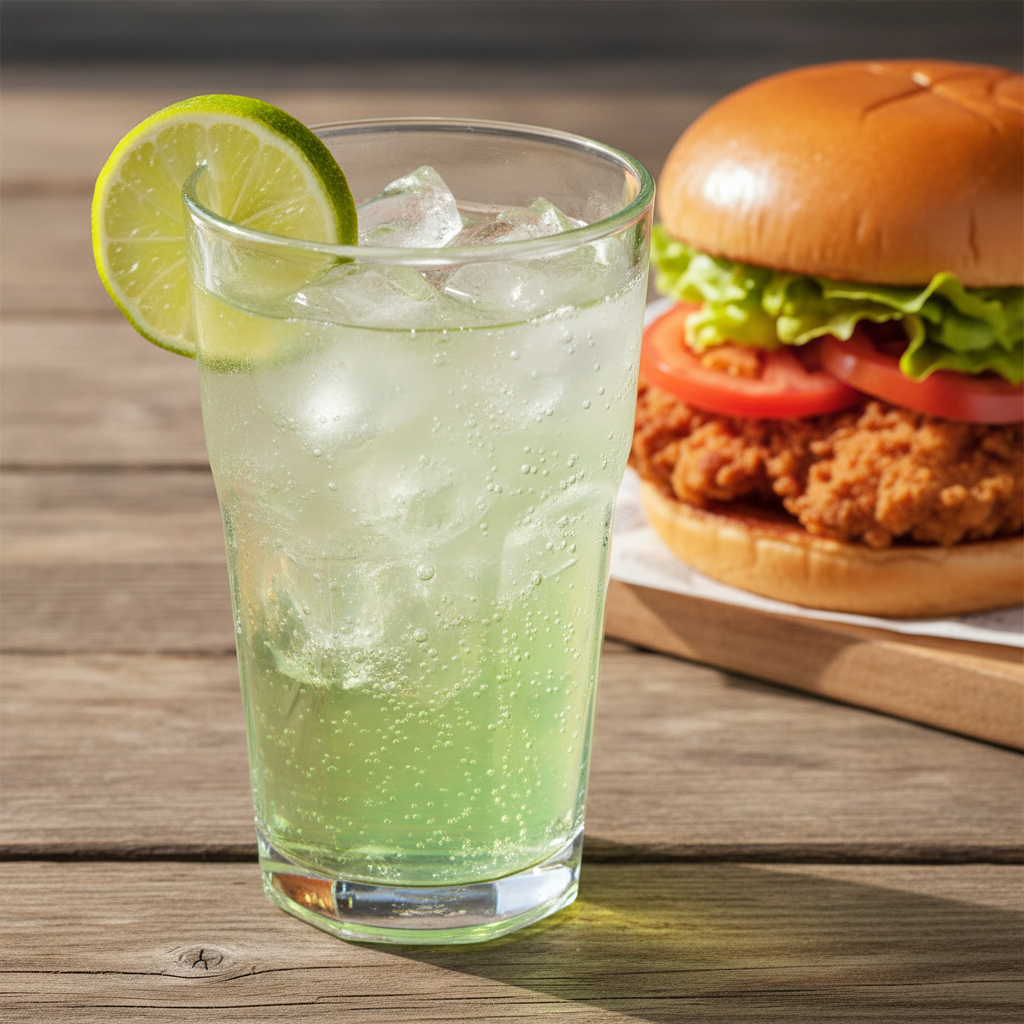
The lemon and lime variation offers a sharp, citrusy bite that acts as a palate cleanser. The carbonation is aggressive enough to scrub the tongue, while the sour notes neutralize the heavy mayonnaise and chicken fat. It’s not just a soda; it’s a functional tool for eating spicy food. If you visit Oporto Plumpton, watch the tables around you. You will see this drink everywhere, and for good reason. It balances the meal without competing with it.
2. Oporto Liquor: 10-Year Tawny Port
Stepping away from the fast-food counter and into the glass, the 10-Year Tawny is the pinnacle of the Oporto liquor category for casual drinking. Unlike a Ruby port, which can be aggressively fruity, a 10-year Tawny has oxidized in wood barrels, smoothing out the rough edges.
It tastes of dried figs, caramel, and toasted nuts. The texture is silky rather than sticky. This ranks high because it is approachable yet complex. You don’t need to be a sommelier to appreciate the balance here. It serves as a perfect dessert replacement. If you were to construct a high-end Oporto menu at home, finishing with this drink elevates the entire experience. It warms the chest without the harsh burn of cheaper spirits.
3. Iced Coffee (The Creamy Reset)
Spicy food triggers a pain response in the brain. Dairy soothes it. That is why the Iced Coffee on the Oporto menu is a secret weapon. While most people gravitate toward fizzy drinks, the smart money is on the dairy based options if you went heavy on the chilli sauce.
The texture here is key. It needs to be thick enough to coat the mouth but not so heavy that it feels like a meal replacement. The bitterness of the coffee cuts through the sweetness of the milk, preventing it from becoming cloying. It’s a functional choice. It literally extinguishes the fire on your tongue, allowing you to go back for another bite of chicken. It’s less of a drink and more of a cooling system for your palate.
4. Pineapple & Watermelon Soda
Fruit sodas can often taste chemical or artificial, like melted candy. However, this specific combination works because both fruits have high water content profiles. The pineapple brings acidity, and the watermelon brings a mellow, cucumber-like freshness.
On the Oporto menu, this is the “fun” option. It pairs exceptionally well with the fresher items, like the salads or the rappas. It doesn’t have the heavy caramel notes of a cola, so it feels lighter in the stomach. If you are at Oporto Plumpton on a hot afternoon, this is likely the most refreshing option available. It tastes like summer, even if it’s coming out of a dispenser.
5. Oporto Liquor: White Port and Tonic (Porto Tónico)
This is the drink that is changing how people view Oporto liquor. Traditionally, port is seen as a stuffy, winter drink for old men. The “Porto Tónico” flips that script. You take dry white port, mix it with high-quality tonic water, and garnish with mint or lemon.
It ranks in the top five because it is arguably the best low-ABV cocktail you can make. It has the complexity of wine but the refreshment of a gin and tonic. The flavor is crisp, slightly nutty, and dry. It doesn’t coat your teeth with sugar. As an aperitif, it is unmatched. It wakes up the appetite rather than dulling it, making it a dangerous precursor to a big meal.
6. Orange Juice (Freshly Squeezed Style)
Juice is tricky with savory food. It can often feel like breakfast at dinner time. However, the acidity of orange juice makes it a viable contender against greasy food. The version found at many Oporto locations leans towards the tart side, which is crucial.
Sweet orange juice would be a disaster with a Bondi Burger. Tart orange juice, however, mimics the effect of squeezing a lemon over schnitzel. It brightens the heavy flavors. While it’s not the most popular item on the Oporto menu, it has a loyal following among those who avoid carbonation but still need acid to cut the fat. It’s a texture play smooth liquid against crunchy lettuce and crispy chicken skin.
7. Oporto Liquor: Vintage Port (The Heavyweight)
This is not for the faint of heart. Vintage Oporto liquor is bottled young and ages in the bottle, retaining deep, dark fruit flavors like blackberry, cassis, and chocolate. It is thick, tannic, and intense.
It ranks lower only because it is situational. You cannot drink this casually. It demands a setting. You drink this with strong blue cheese or dark chocolate. The mouthfeel is almost chewable. It’s a sensory overload. Opening a bottle of vintage port is an event. It requires decanting (removing the sediment) and patience. The reward is a drink that stays on your palate for minutes after you swallow. It is the definition of a slow-sipping beverage.
8. Mount Franklin Water (Still)
It seems boring to include water, but hear me out. When the food is as sodium-rich and spicy as Oporto’s, water is sometimes the only logical choice. It is the baseline.
At Oporto Plumpton, I often see families ordering water alongside the family meals. Why? Because sometimes you want to taste the food, not the drink. Sugary drinks alter your palate. Water resets it completely. It has zero texture, zero flavor, and zero interference. If you are there to strictly analyze the nuance of the chilli sauce (and yes, people do that), water is the only professional choice. It allows the food to stand entirely on its own merits.
9. Vanilla Shake
The vanilla shake on the Oporto menu is a study in simplicity. It isn’t trying to be a “freakshake” loaded with donuts and pretzels. It is cold, sweet, vanilla dairy.
It ranks at number nine because it is incredibly heavy. Combining a burger, fries, and a thick shake is a digestive challenge. However, the flavor pairing is classic fast-food nostalgia. The vanilla is sweet but neutral, acting as a soft pillow for the sharp, salty flavors of the food. It’s a comfort choice. You order this when you want to feel full and happy, nutrition be damned. The cold temperature also numbs the tongue slightly, which can be a blessing if you ordered the extra-hot sauce.
10. Oporto Liquor: Ruby Port (The Entry Level)
Ruby port is the workhorse of the Oporto liquor world. It is fruity, straightforward, and usually affordable. It tastes like jammy red fruits strawberries and raspberries preserved in alcohol.

It sits at number ten because it lacks the complexity of the Tawny or the Vintage. It is often a bit spirity, meaning you can taste the alcohol burn. However, it is essential for cocktails or cooking. If you are making a reduction sauce for a steak, this is what you use. As a sipping drink, it’s fine, but it’s rarely memorable. It gets the job done without any fanfare, much like the standard fries on the side.
Navigating the Menu: Strategic Ordering
When you walk into Oporto Plumpton, or any other location, you are bombarded with choices. The digital menu boards flash rapidly, and the pressure to order is real. Most people default to what they know—usually a Coke or a Pepsi.
But if you look closely at the Oporto menu, you realize the drink selection is curated to manage heat. They don’t offer warm beverages (aside from coffee) because heat plus spice equals pain. They focus on cold, acidic, or milky options.
For the Oporto liquor enthusiast, the strategy is different. You aren’t fighting spice; you are embracing richness. Buying Oporto liquor requires reading the label. “Ruby” means young and fruity. “Tawny” means aged and nutty. “White” is dry and aperitif-style. Knowing these distinctions saves you from buying a bottle that doesn’t match your evening.
The Oporto Plumpton Experience vs. Home Dining
Eating at Oporto Plumpton offers a specific vibe. It’s loud, fast, and communal. The drinks are served in paper cups with ice that melts just a little too fast. There is a charm to that. The condensation dripping onto the plastic tray is part of the ritual.
In contrast, drinking Oporto liquor is almost exclusively a home experience. You control the glassware. You control the temperature. Serving a Tawny port slightly chilled (around 12-14°C) opens up the aromas in a way that room temperature cannot. It’s a controlled experiment in taste.
Understanding the difference between “fast fuel” drinks and “slow sip” liquor is crucial. They share a name, but they serve opposite functions in our lives. One is about efficiency and cooling; the other is about slowing down and savoring.
References
For further reading on Port wine history, styles, and rich cocktail traditions, see:
FAQ: Common Questions About Oporto Drinks
1. Is Oporto liquor sold at Oporto fast-food restaurants?
No. The Oporto fast-food chain and Oporto liquor (Port wine) are completely separate entities. The restaurant serves soft drinks, juices, and shakes. You cannot order alcohol at standard food court locations like Oporto Plumpton.
2. What is the best drink to pair with a Bondi Burger?
The Lemon & Lime sparkling soda is the best pairing. Its high acidity cuts through the fat of the mayonnaise and chicken, while the carbonation helps cleanse the palate of the chilli sauce heat.
3. Does the Oporto menu include alcoholic beverages?
Generally, no. Most Oporto locations are quick-service restaurants without liquor licenses. However, some specific “dine-in” concept stores in certain regions may have limited beer or wine options, but this is rare.
4. How long does Oporto liquor last after opening?
It depends on the type. A bottle of Vintage Port should be finished within 2-3 days of opening. A Tawny Port (like a 10 or 20-year-old) is more resilient and can last 4-8 weeks in the fridge after opening without losing much flavor.
5. Why are there so many different types of Oporto liquor?
The variations come from the aging process. Ruby is aged in large tanks to keep it fruity. Tawny is aged in small barrels to encourage oxidation (nutty flavors). Vintage is aged in the bottle. Each style offers a completely different taste profile for different occasions.
References
- Cold Drinks Menu – Oporto
- Royal Oporto Cocktails – YouTube
- Port Oporto Drink Review
- Port Varieties – Wine Enthusiast
- Oporto Food Pairing Guide – The Spruce Eats
For more flavor guides and ranked lists, visit Flavorsuggest.com.