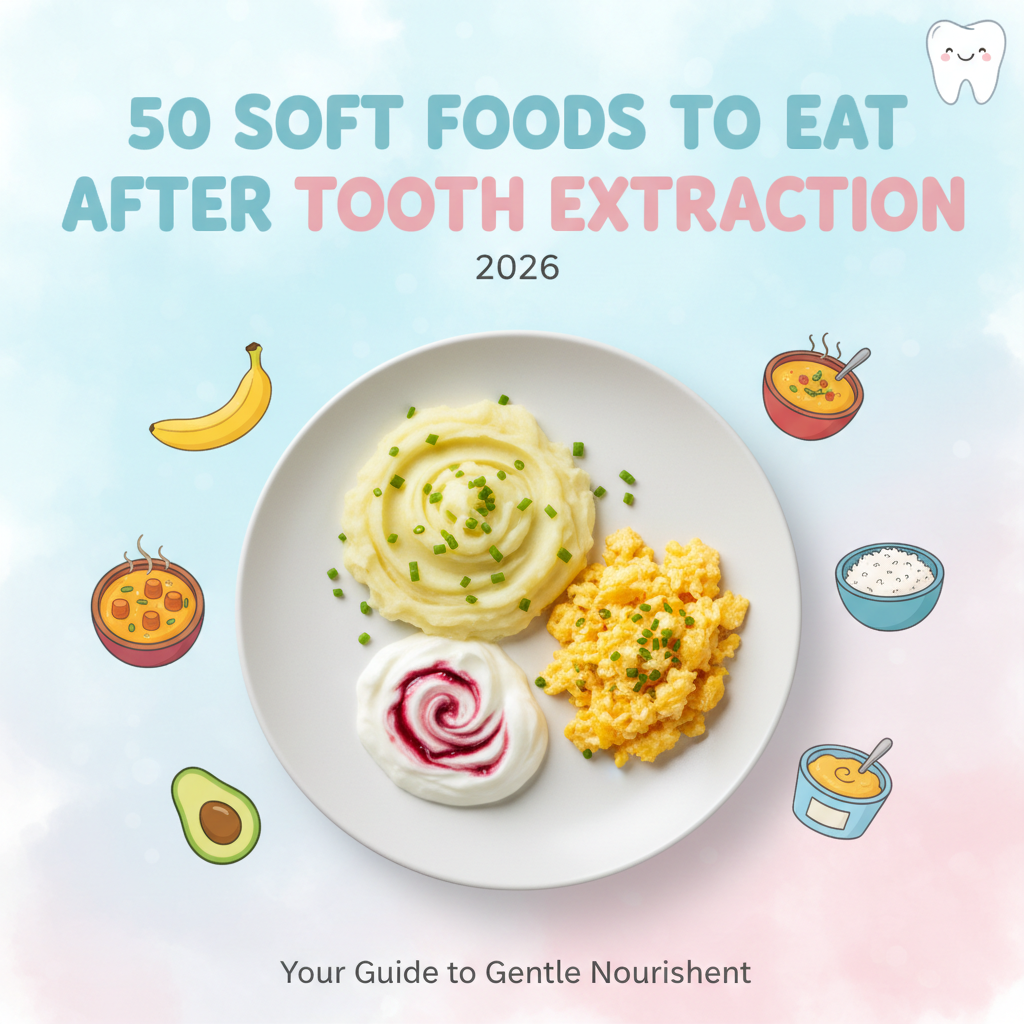
50 Soft Foods to Eat After Tooth Extraction in 2026
Recovering from a tooth extraction or other dental surgery requires careful attention to what you eat. Your mouth is sensitive, and the surgical site needs time to heal without disruption. This guide provides a comprehensive list of 50 soft foods to eat after tooth extraction, as well as other soft foods to eat after dental surgery, dental implant surgery, or oral surgery of any kind. Choosing the right foods helps prevent complications like dry socket, reduces pain, and provides the essential nutrients your body needs to heal effectively.
Navigating your diet after oral surgery can feel restrictive, but there are plenty of delicious and satisfying options available. Whether you need soft foods to eat after dental surgery, ideas after molar removal, or a list of 50 soft foods to eat after dental surgery, you’ll find everything you need here. From nourishing soups and protein-packed shakes to gentle fruits and comforting treats, you can maintain a balanced diet while protecting your healing gums. This article covers soft foods to eat after oral surgery, best foods to eat after tooth extraction, soft food ideas for molar removal, and simple meal prep strategies you can use for a fast and comfortable recovery.
Why Soft Foods Are Essential After Dental Surgery
Following a tooth extraction or any oral surgery, the area is tender and vulnerable. The primary goal is to protect the blood clot that forms in the tooth socket, which is a crucial part of the natural healing process. Dislodging this clot can lead to a painful condition known as a dry socket, significantly delaying your recovery (MedlinePlus on Dry Socket).
Eating soft foods after oral surgery offers several key benefits and is important whether you’re searching for soft foods after dental surgery, soft foods to eat after tooth extraction, or easy meals for a dental implant recovery:
- Protects the Surgical Site: Hard, crunchy, or chewy foods can irritate or damage the sensitive tissues around the extraction site. Soft foods minimize this risk, allowing the area to heal undisturbed (Mayo Clinic: Aftercare for Tooth Extraction).
- Reduces Pain and Discomfort: Chewing hard foods puts pressure on your jaw and the surgical area, which can increase pain and swelling. Sticking to soft textures makes eating a more comfortable experience.
- Prevents Complications: Small, hard particles from foods like nuts, seeds, or popcorn can get lodged in the empty socket, leading to infection or inflammation (American Association of Oral and Maxillofacial Surgeons: Post-Operative Instructions).
- Supports Healing with Proper Nutrition: Your body needs vitamins, minerals, and protein to repair tissues and fight off infection. Soft foods like yogurt, mashed potatoes, and well-cooked fish provide these nutrients in an easy-to-consume format.
By following a temporary soft food diet, you give your body the best possible environment for a speedy and complication-free recovery. Whether you’ve just had a dental implant placed or gone through a molar removal, these guidelines are essential.
General Guidelines for Post-Surgery Meals
For the first few days after your procedure, it’s important to follow some general rules to ensure a smooth recovery. These post-surgery guidelines apply to anyone looking for foods to eat after tooth extraction, soft foods to eat after oral surgery, and soft foods after dental surgery:
- Choose Lukewarm or Cool Foods: Hot foods and beverages can increase blood flow to the extraction site, which may dislodge the blood clot or increase swelling. Opt for cool or room-temperature meals for the first 24–48 hours after oral surgery.
- Avoid Using Straws: The suction created when using a straw is a leading cause of dry socket. Drink directly from a glass or cup instead.
- Stick to Smooth Textures: Avoid anything with sharp edges, like chips or crackers. Foods that are creamy, pureed, or mashed are ideal for the sensitive mouth after dental surgery or tooth extraction.
- Chew on the Opposite Side: If you had a tooth removed on only one side of your mouth, try to chew on the unaffected side to avoid putting pressure on the surgical area.
- Stay Hydrated: Drink plenty of water. Proper hydration is essential for healing and overall health. It also helps keep your mouth clean.
- Introduce Semi-Soft Foods Gradually: As you start to feel better, you can slowly reintroduce slightly more textured foods, like scrambled eggs or soft pasta. Listen to your body and don’t rush the process.
Always follow the specific post-operative instructions provided by your dentist or oral surgeon, as they will be tailored to your individual procedure. For more soft food ideas for molar removal and expert tips, see recommendations from dental professionals and authoritative health sources.
The Ultimate List: 50 Soft Foods to Eat After Tooth Extraction
To make your meal planning easier, we’ve categorized 50 soft foods to eat after tooth extraction, 50 soft foods to eat after dental surgery, and 50 soft foods to eat after dental implant surgery. These foods are also suitable as soft foods to eat after oral surgery or when you need a soft food idea for molar removal. For more guidance, see recommendations from the National Institutes of Health on post-surgical nutrition and your dental provider.
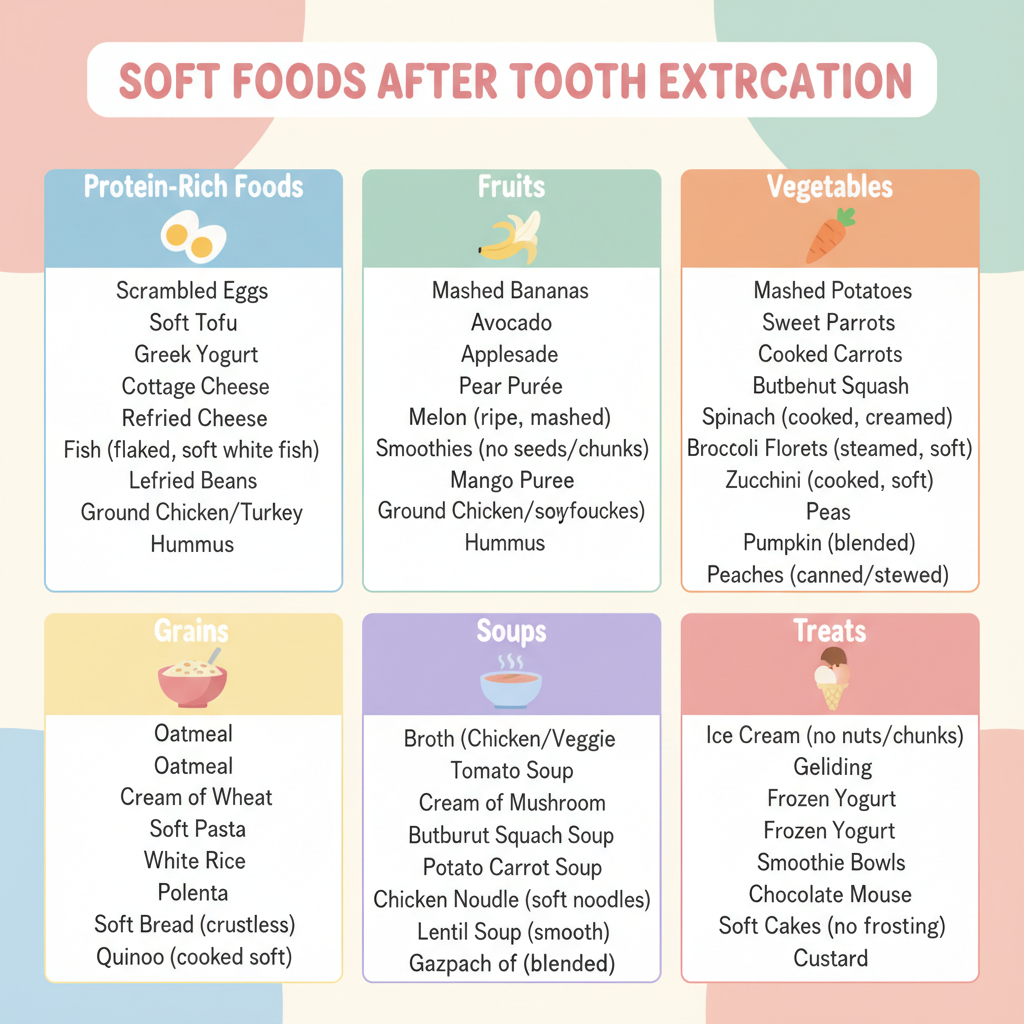
Protein-Rich Foods
Protein rich soft foods to eat after dental surgery are vital for tissue repair and healing. These options are gentle on your mouth while providing the building blocks your body needs. Research from the American Dental Association highlights the importance of protein in tissue healing after oral surgery.
- Scrambled Eggs: Soft, easy to chew, and packed with protein; perfect as both a breakfast and a soft food idea for molar removal.
- Greek Yogurt: Unsweetened varieties are best to avoid excess sugar. It’s cool, soothing, and high in protein—ideal among soft foods to eat after oral surgery.
- Cottage Cheese: A great source of protein with a soft, creamy texture.
- Protein Shakes or Smoothies: An excellent way to get nutrients without chewing. Remember to sip them, don’t use a straw making them ideal after dental implant surgery.
- Soft-Cooked Tofu: Silken or soft tofu can be mashed or blended into soups.
- Flaked Fish: Soft, flaky fish like cod, tilapia, or salmon (well-cooked) is easy to eat—recommended as soft foods to eat after dental implant surgery.
- Hummus: Creamy and smooth, it can be eaten on its own or with very soft bread.
- Smooth Nut Butter: Creamy peanut or almond butter (no chunks) can be added to smoothies or yogurt. Avoid chunky varieties as you recover from a tooth extraction.
- Refried Beans: Ensure they are smooth and free of any hard pieces.
- Egg Salad: Finely mashed and mixed with mayonnaise.
Fruits
Fruits are a vital part of any recovery diet, particularly for those searching for soft foods after oral surgery or dental extraction. For more soft foods to eat after dental surgery, check the Cleveland Clinic’s soft food diet guide.
- Applesauce: A classic post-surgery food that is easy to swallow.
- Mashed Bananas: Ripe bananas are naturally soft and full of potassium.
- Avocado: Creamy, nutrient-dense, and requires no cooking.
- Canned Peaches or Pears: Soft and easy to eat, but choose ones packed in water or their own juice to avoid added sugar excellent soft foods to eat after tooth extraction.
- Seedless Melon: Ripe cantaloupe or watermelon, cut into small, manageable pieces.
- Fruit Smoothies: Blend soft fruits like berries (strained to remove seeds), bananas, and mango with yogurt or milk. Smoothies are a versatile soft food idea for molar removal.
- Fruit Purees: Blended fruits, similar to baby food, are a great option.
- Baked Apples: Cooked until very tender, with the skin removed.
Vegetables
Cooked vegetables are gentle on the mouth and great soft foods to eat after dental surgery.
- Mashed Potatoes: A comforting and filling classic on any list of soft foods after dental surgery.
- Mashed Sweet Potatoes: A nutritious and flavorful alternative to regular potatoes.
- Steamed and Mashed Carrots: Cooking carrots until they are very soft makes them easy to mash.
- Butternut Squash Puree: Can be roasted or steamed, then blended until smooth.
- Creamed Spinach: Cooked and blended spinach is a gentle, iron rich dish for those seeking soft foods after oral surgery.
- Mashed Peas or Green Beans: Steam and mash them for an easy-to-eat vegetable side.
- Zucchini or Summer Squash: Steamed or boiled until very tender, with seeds removed great as soft foods to eat after oral surgery.
- Pumpkin Puree: A great source of vitamins, it can be eaten plain or mixed into other dishes.
Grains and Carbs
Carbohydrates are an important category of soft foods after oral surgery and tooth extraction.
- Oatmeal or Porridge: Cooked until very soft and served lukewarm; a gentle choice for soft foods to eat after dental surgery.
- Cream of Wheat or Rice Cereal: Smooth, warm cereals are easy to digest.
- Soft-Cooked Pasta: Overcook pasta slightly so it’s extra soft. Cut it into small pieces great for soft foods to eat after dental surgery.
- White Rice: Well-cooked and soft.
- Polenta or Grits: These corn based porridges are naturally soft and creamy.
- Soft Bread: Choose crustless bread or remove the crusts yourself.
- Pancakes or Waffles: Soak them in syrup to make them extra soft perfect if you’re searching for soft food ideas for molar removal.
- Macaroni and Cheese: A comforting option; ensure the pasta is well-cooked.
- Congee (Rice Porridge): A savory rice porridge that is very gentle on the stomach and mouth; highly recommended among foods to eat after tooth extraction.
Soups and Broths
Soups are hydrating and can be packed with nutrients. They are among the most popular soft foods to eat after dental surgery and dental implant surgery.
- Bone Broth: Rich in minerals and collagen; excellent for healing, especially after invasive dental procedures.
- Blended Vegetable Soups: Cream of tomato, butternut squash, or asparagus soup are great choices ideal as soft foods after oral surgery.
- Cream of Mushroom or Chicken Soup: Ensure there are no large chunks.
- Blended Lentil or Split Pea Soup: High in protein and fiber, but make sure it’s pureed.
- Miso Soup: A light, savory broth. Avoid any seaweed or tofu chunks unless the tofu is silken.
- Gazpacho: A cold, blended vegetable soup that can be very soothing.
Treats and Comfort Foods
Sometimes, a soft treat can aid in your recovery and boost your mood after oral surgery.
- Pudding or Custard: Smooth, creamy, and easy to eat; common soft foods to eat after tooth extraction.
- Jell-O: Requires no chewing and can be hydrating.
- Ice Cream: A cool treat that can help reduce swelling. Avoid nuts, candy pieces, or crunchy cones.
- Milkshakes: A delicious way to get calories, but make sure to drink it straight from a cup, not a straw—it’s a classic soft food after oral surgery.
- Sorbet or Sherbet: A dairy free alternative to ice cream.
- Mousse: Chocolate or fruit mousse has a light, airy texture.
- Key Lime Pie Filling (no crust): A tart and creamy treat.
- Cheesecake (no crust): The filling is soft and rich.
- Soft Muffins: Choose muffins without nuts, seeds, or dried fruit.
Whether you’re recovering from tooth extraction, dental surgery, or dental implant surgery, you’ll find all these soft foods and more helpful for your meal planning.
Foods to Avoid After Dental Surgery
Knowing what to avoid is just as important as having soft foods to eat after oral surgery. For at least the first week, steer clear of the following:
- Crunchy and Hard Foods: Chips, popcorn, pretzels, nuts, and hard candies can damage the healing socket. Always choose soft foods after oral surgery instead.
- Chewy Foods: Bagels, tough meats, and chewy candies can strain your jaw and dislodge the blood clot.
- Spicy Foods: Spices can cause significant pain and irritation at the surgical site.
- Acidic Foods: Citrus fruits, tomatoes, and juices can sting the wound.
- Seeds and Small Grains: Small particles can get trapped in the socket.
- Alcohol: It can interfere with prescribed pain medication and delay healing.
- Very Hot Foods and Drinks: As mentioned, heat can dissolve the blood clot. Stick to lukewarm or cool items from the list of soft foods to eat after dental surgery.
Meal Prep Tips for a Smooth Recovery
Making soft foods to eat after oral surgery ahead of time can drastically improve your recovery experience. Here are a few ways to prepare:
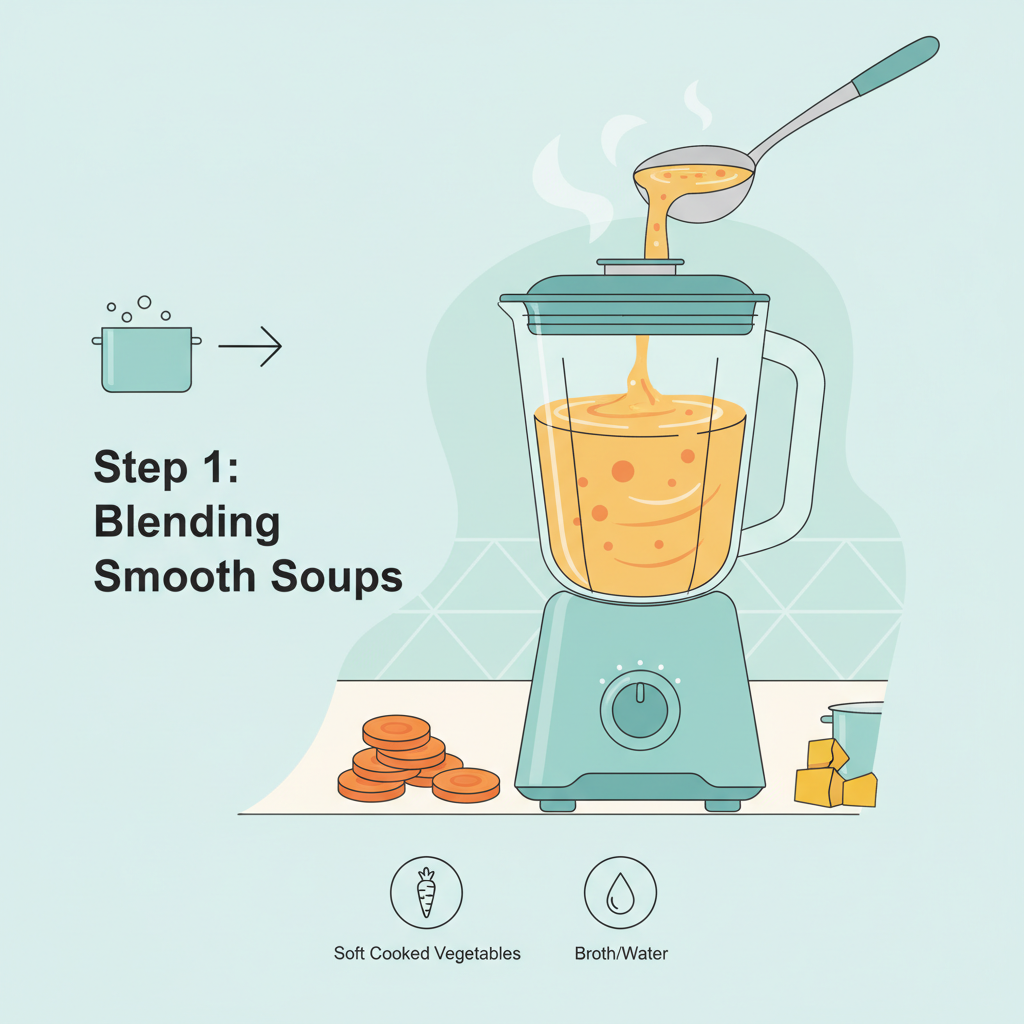
- Blend and Freeze Soups: Make large batches of your favorite blended soups and freeze them in single serving portions.
- Portion Out Smoothies: Pre portion smoothie ingredients in freezer bags. When you need one, just add liquid and blend.
- Stock Your Pantry and Fridge: Before your surgery, stock up on items like yogurt, applesauce, cottage cheese, protein shakes, and Jell-O staples in any list of 50 soft foods to eat after dental surgery.
- Cook and Mash in Advance: Prepare mashed potatoes, mashed sweet potatoes, and pureed vegetables, then store them in airtight containers.
- Ask for Help: Don’t hesitate to request help from friends or family to prepare your soft food ideas for molar removal or other oral surgeries.
Frequently Asked Questions (FAQs)
1. When can I eat solid foods again after a tooth extraction?
Most people can start reintroducing semi-soft foods like scrambled eggs and oatmeal 3–4 days after surgery. You can typically return to your normal diet after one week, but avoid chewing directly on the extraction site for at least two weeks. Always follow your dentist’s specific advice. For detailed post-extraction guidelines, refer to these tips from the Mayo Clinic.
2. How long do I have to eat soft foods after a tooth extraction?
You should stick to a soft food diet for at least 3 to 5 days. However, the exact duration depends on the complexity of your extraction and how quickly you heal. The American Association of Oral and Maxillofacial Surgeons offers more information on standard recovery timelines.
3. What are the best protein-rich soft foods?
Greek yogurt, cottage cheese, scrambled eggs, protein shakes, and soft-cooked fish are excellent protein sources that are easy to eat after dental surgery. For more healthy soft foods to eat after oral surgery, see recommendations from the U.S. Department of Agriculture.
4. Can I eat rice after a tooth extraction?
It’s best to avoid rice for the first few days, as small grains can get stuck in the socket. If you do eat rice, make sure it is very soft and cooked into a porridge or congee often included in lists of 50 soft foods to eat after dental implant surgery.
5. Is it okay to drink coffee after oral surgery?
You should avoid hot coffee for the first 24–48 hours. Opt for iced or lukewarm coffee and do not use a straw—a tip useful after any dental surgery.
6. Can I eat pasta after a tooth extraction?
Yes, soft-cooked pasta is a good option. Choose small pasta shapes like macaroni or orzo and overcook them slightly to ensure they are very soft. This is a popular soft food idea for molar removal.
7. Why can’t I use a straw after dental surgery?
The suction created by using a straw can dislodge the blood clot from the tooth socket, leading to a painful condition called dry socket.
8. What can I eat on day 1 after a tooth extraction?
On the first day, stick to cool, smooth liquids and very soft foods like yogurt, applesauce, pudding, and cool soups. Avoid anything that requires chewing focus only on the softest foods after oral surgery.
9. Are smoothies a good idea after oral surgery?
Yes, smoothies are an excellent way to get nutrients. However, avoid using a straw, and be sure to blend fruits thoroughly to eliminate seeds or large chunks. Smoothies are a classic soft food after dental surgery.
10. What should I do if food gets stuck in the extraction site?
Do not try to pick it out with your finger or any object. After the first 24 hours, you can gently rinse your mouth with a warm salt water solution as recommended by your dentist.
Your Guide to a Comfortable Recovery
Recovering from dental surgery is a process that requires patience and care, especially when it comes to your diet. By following this comprehensive guide to 50 soft foods to eat after tooth extraction, 50 soft foods to eat after dental surgery, and even 50 soft foods to eat after dental implant surgery, you can ensure your body gets the nutrition it needs to heal properly without causing pain or complications. Remember to follow your dentist’s instructions and listen to your body as you gradually return to a normal diet.
Whether you need soft foods to eat after dental surgery, soft foods after oral surgery, or a soft food idea for molar removal, you’ll find everything on this list is designed for a speedy and comfortable recovery. For more helpful food guides and delicious recipe ideas for every occasion, be sure to explore more resources at FlavorSuggest.