Pepsi Flavors: The Ultimate Guide to Taste and Popularity
I remember standing in a brightly lit convenience store aisle in Tokyo, completely overwhelmed. It wasn’t the usual wall of sodas I was used to back home. This was a library of liquids, and one entire section was dedicated to Pepsi flavors I had never seen before. There was a sakura themed bottle, something that looked like cucumber, and another with a vibrant purple label. It was a moment of realization that the familiar blue can I knew was just the beginning of a much larger, more interesting world of soda. That experience is what drives this guide. We are going to explore the vast universe of Pepsi flavors, from the everyday staples to the rare and unusual finds.
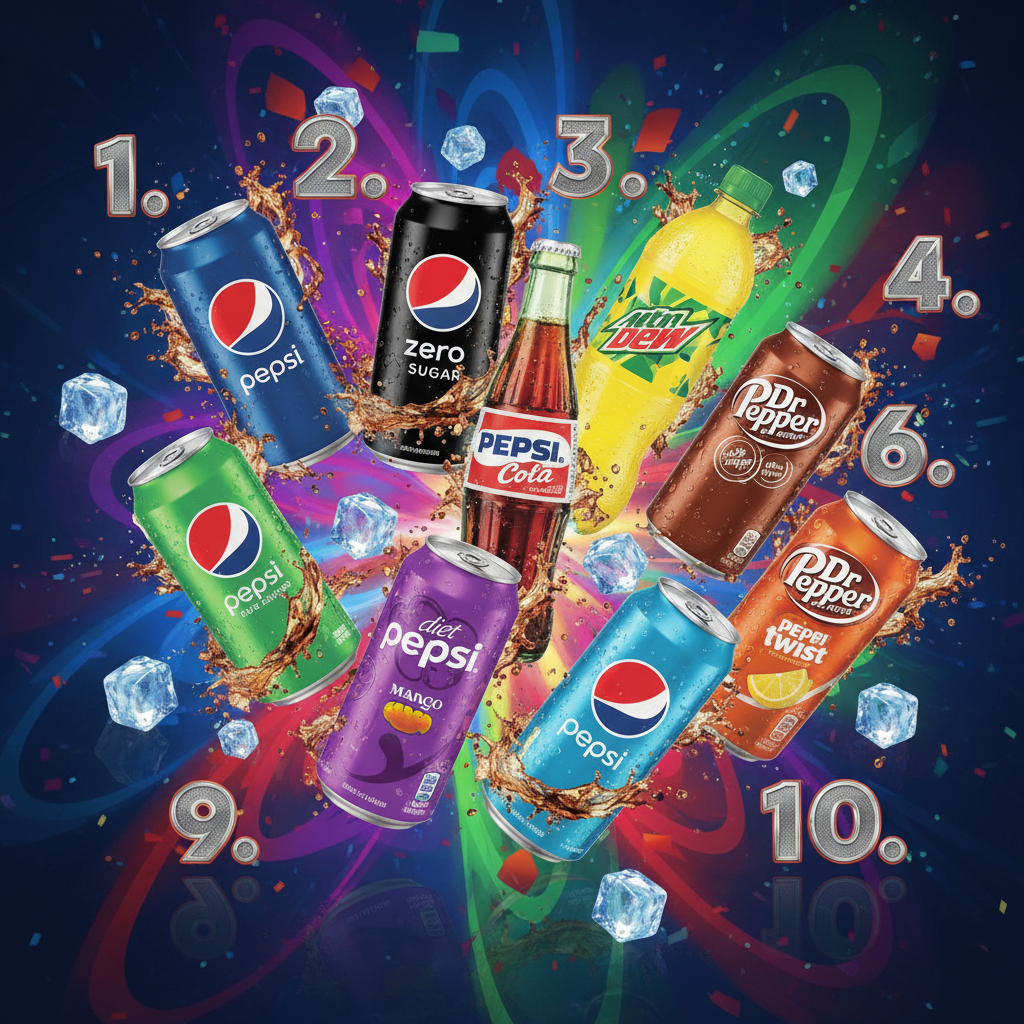
For many, the choice is simple: classic Pepsi or diet pepsi pepsi. But the brand has launched hundreds of variations globally over the decades. Some were spectacular hits, while others became collector’s items. This guide is for anyone who has ever wondered what else is out there. We have tasted, researched, and ranked the most significant Pepsi flavors to give you a clear picture of what’s worth trying. We will break down taste profiles, popular opinion, and even the science behind some of these drinks, including details on diet pepsi calories and caffeine content.
A Look at Pepsi’s Flavor History
PepsiCo has never been shy about experimenting. Since its creation in the late 1890s, the brand has constantly adapted to consumer tastes. The core Pepsi-Cola formula is a closely guarded secret, but its base notes of vanilla, cinnamon, citrus oils, and of course, kola nut, provide a versatile canvas. The first major variation was diet pepsi pepsi, introduced in 1964 as Patio Diet Cola before being rebranded. This was a direct response to the growing health consciousness of consumers.
From there, the floodgates opened. The 1980s and 90s saw a wave of new ideas, including the short-lived but memorable Crystal Pepsi. The 2000s brought a focus on fruit infusions, giving us popular options like Pepsi Lemon and Wild Cherry Pepsi. More recently, the company has ventured into textural innovations with products like Pepsi Nitro Vanilla, which offers a creamy, smooth experience. We’ve also seen regional specialties, like the fascinating world of Japanese Pepsi, which includes flavors like azuki bean and salty watermelon. Understanding this history helps explain why there are so many Pepsi flavors on the market today. Each one is a snapshot of a particular time and consumer trend.
Classic vs. Diet vs. Zero Sugar: What’s the Difference?
The most common decision for any Pepsi drinker is choosing between the main varieties. While they share a similar branding, their formulas and taste profiles are distinct. Understanding these differences is key to finding your preferred cola. A common question is about how much caffeine in diet pepsi versus other versions, which is an important factor.
Here is a breakdown of the nutritional profiles for the main Pepsi options:
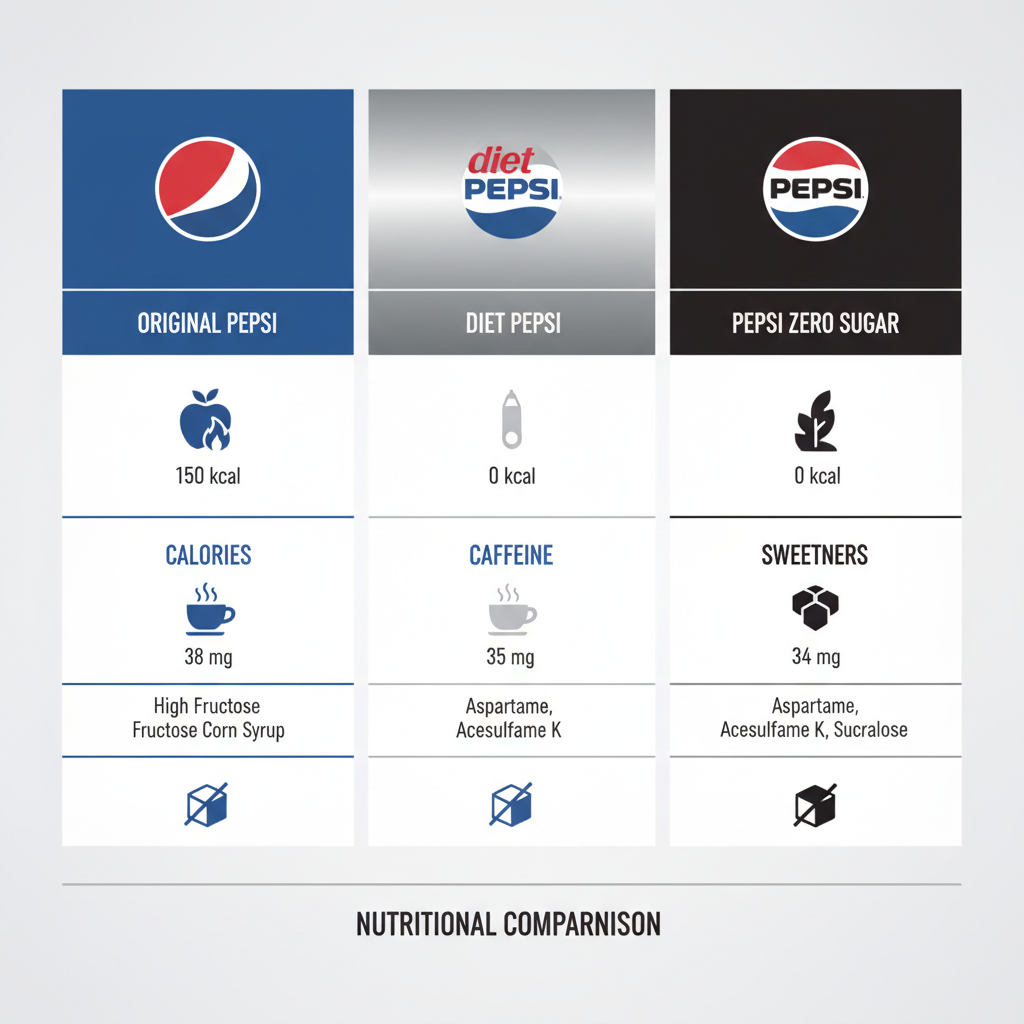
| Feature | Pepsi (Original) | Diet Pepsi | Pepsi Zero Sugar |
|---|---|---|---|
| Sweetener | High Fructose Corn Syrup | Aspartame, Acesulfame K | Aspartame, Acesulfame K |
| Calories (12oz) | 150 | 0 | 0 |
| Carbohydrates | 41g | 0g | 0g |
| Sugar | 41g | 0g | 0g |
| Caffeine (12oz) | 38mg | 35mg | 69mg |
| Flavor Profile | Full-bodied, sweet, sharp | Lighter, crisp, distinct aftertaste | Bolder cola flavor, less aftertaste |
As the table shows, the primary differences are the sweetener used and the resulting calorie count. Original Pepsi gets its sweetness from sugar, giving it a full, rounded flavor. The conversation around diet pepsi calories is simple: there are none. Instead, diet pepsi pepsi uses a blend of artificial sweeteners that creates a crisper, lighter taste, though some people notice a distinct aftertaste. Pepsi Zero Sugar aims to mimic the original’s taste more closely while being calorie-free, and it contains significantly more caffeine. This makes it a popular choice for those wanting an energy boost without the sugar. Even options like caffeine free pepsi exist for those who want the flavor without the stimulant.
The Most Talked About Pepsi Flavors of 2025
Every year brings new limited editions and regional specialties. Currently, the soda community is buzzing about a few specific Pepsi flavors. The Pepsi Nitro Vanilla continues to capture attention with its unique nitrogen infusion, creating a smoother, creamier pour that is more like a draft latte than a traditional soda. It has a rich vanilla scent and a velvety mouthfeel that sets it apart from anything else on the market.
Internationally, the latest creations from Japanese Pepsi are always a source of fascination. These limited-run flavors are famous for their creativity, often inspired by seasonal Japanese desserts and fruits. Another flavor gaining traction is Orange Pepsi, which blends the classic cola taste with a bright, citrusy burst. It’s a refreshing take that has found a loyal following, especially during warmer months. Fans of classic sodas are also intrigued by the idea of a Pepsi Root Beer, a flavor that has appeared in some markets and combines two iconic American beverage profiles. The demand for these unique variations shows that consumers are always eager for new taste experiences. Some collectors even seek out rare items like the Rolex GMT-Master II, nicknamed the “Tudor Pepsi” for its blue and red bezel, showing the cultural reach of the brand’s color scheme.
Top 10 Pepsi Flavors Ranked by Taste and Popularity
Ranking the best Pepsi flavors is a formidable task. Taste is subjective, and popularity varies by region. For this list, we considered flavor complexity, consumer reviews, sales data, and cultural impact. We tasted dozens of variations, from the globally available to the regionally exclusive. This ranking reflects a balance of widespread appeal and unique, high-quality taste experiences. Each entry below explains why it deserves its spot.
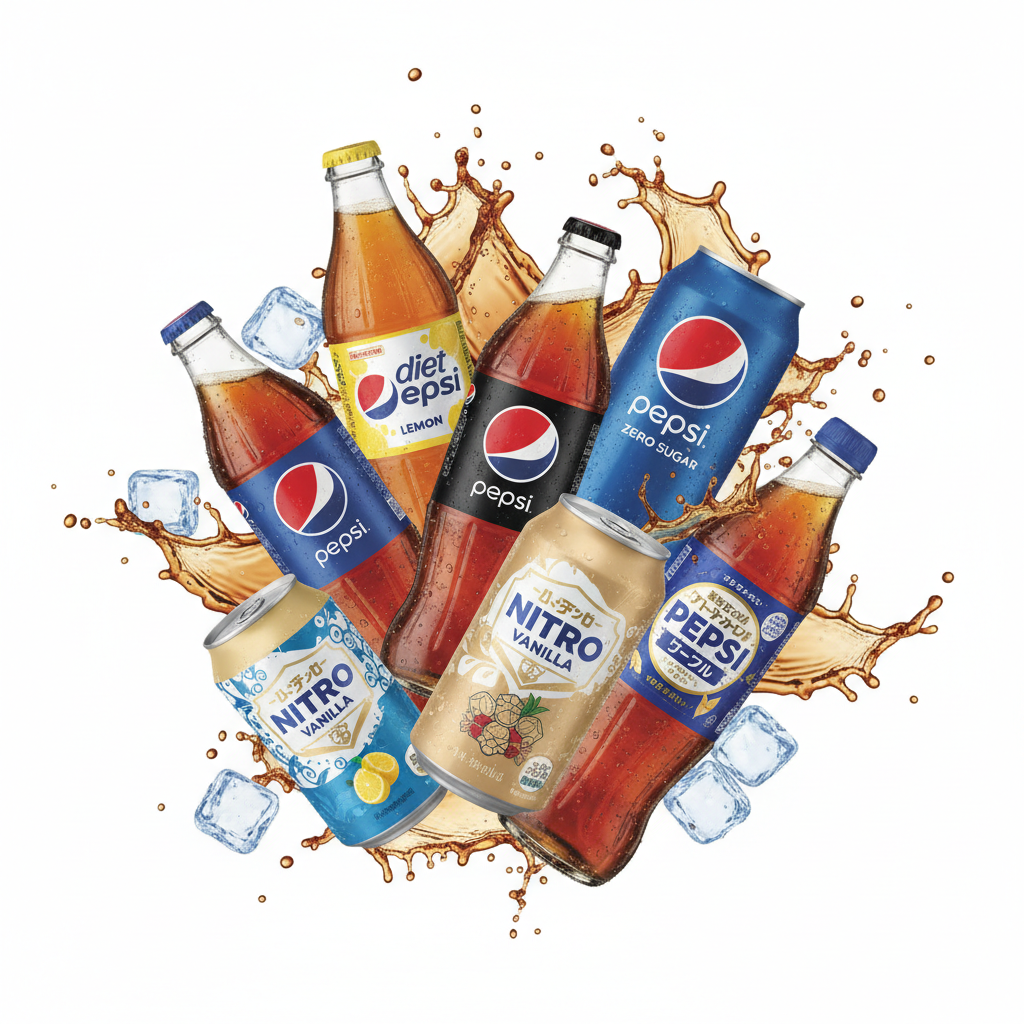
10. Pepsi Lemon
Making its debut at number ten is Pepsi Lemon. This flavor is a subtle masterpiece. It doesn’t overpower the classic cola taste; instead, it enhances it. The lemon note is bright and zesty, cutting through the sweetness of the cola to create a refreshingly crisp finish. It’s the kind of drink that works exceptionally well on a hot day, served over ice with a fresh lemon wedge. Its popularity stems from its simplicity and its ability to elevate the core Pepsi experience without altering it too much. Compared to other citrus colas, Pepsi Lemon is less about a blast of fruit and more about a clean, aromatic lift. It avoids the artificial, candy-like taste that plagues many fruit-flavored sodas. While it’s not always easy to find in all markets, its balanced profile makes it a fan favorite and a frequent request for re-release. Those who enjoy a less sweet soda often gravitate towards Pepsi Lemon as a more interesting alternative to standard diet options.
9. Pepsi Fire
A truly divisive but unforgettable entry, Pepsi Fire takes the number nine spot. Introduced as a limited edition, this flavor infused the classic Pepsi taste with a wave of cinnamon spice. The experience was polarizing. Some found the spicy kick to be an exciting and bold twist, while others felt it was an unwelcome intrusion into their favorite soda. The aroma is pure cinnamon, reminiscent of holiday candy. The initial taste is familiar Pepsi, but it is quickly followed by a warming sensation that builds at the back of the throat. It’s not intensely hot, but it is certainly noticeable. Pepsi Fire was an experiment in sensory blending, and for that, it deserves recognition. It demonstrated the brand’s willingness to push boundaries far beyond typical fruit infusions. While it didn’t become a permanent fixture, it remains one of the most talked about limited edition Pepsi flavors, a testament to its bold and memorable character. It was a drink you either loved or hated, with very little middle ground.
8. Caffeine Free Pepsi
Sometimes, the best flavor is the one you can enjoy any time of day. Caffeine Free Pepsi earns its spot on this list for delivering the classic, beloved Pepsi taste without the stimulant. For many, this is a game changer. It means enjoying a cold Pepsi with dinner without worrying about being up all night. Creating a caffeine-free version that doesn’t compromise on taste is a challenge, as caffeine has a slightly bitter note that contributes to the overall flavor profile of cola. However, Pepsi has done an excellent job of maintaining the familiar balance of sweet and sharp notes. There is also a Caffeine Free Diet Pepsi, which caters to those monitoring both caffeine intake and diet pepsi calories. The widespread availability of Caffeine Free Pepsi makes it a staple in many households, especially for families. Its popularity isn’t driven by novelty, but by pure, everyday utility. It’s the same great taste, just more versatile. Knowing how much caffeine in diet pepsi or regular Pepsi is important, and this version removes that concern entirely.
7. Orange Pepsi
At number seven, we have the vibrant and sunny Orange Pepsi. This flavor successfully merges the deep, caramelized notes of cola with the bright, zesty sweetness of orange. Unlike some orange-flavored sodas that can taste artificial, Orange Pepsi (often sold as Pepsi Orange) manages to deliver a surprisingly authentic citrus taste. The initial sip is classic Pepsi, but it quickly blossoms into a wave of sweet orange that lingers pleasantly. It is sweeter than Pepsi Lemon, offering a fuller, more robust fruit flavor. This drink has found a strong following, particularly in international markets and as a summer limited release in the United States. It pairs wonderfully with food, especially spicy dishes, as the sweetness and citrus help to cool the palate. It’s an imaginative and well-executed flavor that shows how beautifully fruit can be integrated into the classic cola formula, making it one of the more successful modern Pepsi flavors.
6. Pepsi Nitro Vanilla
Breaking into the top six is Pepsi Nitro Vanilla, a product that is as much about texture as it is about taste. This is not your typical soda. Infused with nitrogen, it pours with a thick, creamy head, much like a stout beer or a nitro cold brew coffee. The instructions to “pour hard” are there for a reason; it activates the nitrogen to create a cascade of tiny bubbles. The result is a velvety smooth mouthfeel that is unlike any other cola. The vanilla flavor is rich and forward, but it is balanced by the classic Pepsi base. It feels less carbonated and more substantial, making it a genuinely unique drinking experience. Pepsi Nitro Vanilla is an innovation that redefines what a soda can be. It appeals to coffee drinkers and those looking for a more sophisticated, dessert-like beverage. While it might not be an everyday drink for everyone, its inventiveness and high-quality flavor make it a standout in the vast world of Pepsi flavors.
5. Pepsi Wild Cherry
A true icon in the flavored cola category, Pepsi Wild Cherry easily secures the number five position. Introduced in 1988, this flavor has stood the test of time for one simple reason: it’s delicious. The blend of classic Pepsi with a bold, sweet cherry flavor is perfectly balanced. It’s not a subtle hint of fruit; it’s a confident, robust cherry note that complements the cola without overwhelming it. The aroma is immediately recognizable, and the taste is both refreshing and satisfyingly sweet. It has become a permanent fixture in the Pepsi lineup and is often the go-to choice for those wanting a little something extra from their cola. There is also a diet version, which successfully captures the same great taste for those mindful of diet pepsi calories. Its enduring popularity makes it one of the most successful Pepsi flavors ever launched, second only to the original and diet versions in many regions. It’s a classic for a reason.
4. Japanese Pepsi (Special Editions)
This entry is a nod to an entire category of innovation: Japanese Pepsi. It’s impossible to pick just one, as the hallmark of Japanese Pepsi is its constant stream of creative, limited-edition releases. These are not your standard fruit flavors. We’re talking about varieties like Pepsi Special (which contains a fiber to block fat absorption), Pepsi Pink (strawberry milk flavor), Salty Watermelon, Azuki (sweet red bean), and even a mysterious Pepsi Ghost released for Halloween. What lands Japanese Pepsi so high on this list is the sheer audacity and creativity. Each flavor is a cultural event, a conversation starter. While some, like the cucumber-flavored Pepsi Ice Cucumber, are notoriously bizarre, others are surprisingly delightful. They provide a glimpse into a different palate and a beverage market driven by novelty and seasonal excitement. For collectors and flavor hunters, obtaining a rare Japanese Pepsi is a top prize. This commitment to experimentation makes it a globally respected, if not always accessible, part of the Pepsi story.
3. Pepsi-Cola Soda Shop Black Cherry
Taking inspiration from the nostalgic charm of old-fashioned soda fountains, the Pepsi-Cola Soda Shop lineup was a massive hit, and the Black Cherry flavor was its crown jewel. This flavor lands at number three because it elevates the standard cherry cola experience to a new level. Unlike the bright, sweet note of Pepsi Wild Cherry, this uses a deeper, richer black cherry flavor. It’s more complex, with a syrupy, almost jam-like quality that feels indulgent and premium. Made with real sugar instead of high-fructose corn syrup, it has a cleaner finish and a more satisfying, full-bodied taste. It truly tastes like a handcrafted beverage from a classic diner. While a limited release, its immense popularity and rave reviews cemented its place as one of the best-loved Pepsi flavors in recent memory. It’s a perfect example of how tapping into nostalgia, when combined with a high-quality ingredient, can create a truly exceptional product. Many fans are still hoping for its permanent return.
2. Pepsi Blue
Few Pepsi flavors have achieved the mythical status of Pepsi Blue. Originally released in 2002 and briefly brought back in 2021, its legend has only grown over time. Its vibrant blue color was visually stunning, and its flavor was described as “berry,” though what specific berry was a subject of much debate. It was sweet, fruity, and distinctly different from any other cola on the market. The taste is a unique blend of raspberry and blueberry notes, with a candy-like sweetness that was incredibly popular with a younger audience. Its initial discontinuation led to a massive cult following, with online petitions and fan groups demanding its return for nearly two decades. When it finally came back, the excitement was immense. Pepsi Blue is a perfect storm of clever marketing, a unique flavor profile, and the power of scarcity. Its story is a case study in how a short-lived product can become a cultural icon. The demand remains high, proving its unique appeal.
1. Pepsi-Cola Real Sugar (Throwback)
The number one spot goes to Pepsi-Cola Real Sugar, formerly known as Pepsi Throwback. Why does a version that simply changes the sweetener top the list? Because it represents Pepsi in its purest, most delicious form. By replacing high-fructose corn syrup with real sugar, this version recaptures the original taste that many people grew up with. The difference is immediately noticeable. It has a cleaner, crisper taste with a less cloying sweetness and a sharper finish. The flavors of the cola itself—the spice, the citrus, the vanilla are more pronounced. This isn’t just a nostalgic preference; many taste tests confirm that the flavor profile is subtly superior. It’s the version that chefs and food critics often prefer for its more authentic and less processed taste. Its popularity proves that sometimes, the best innovation is returning to the original formula. It’s the ultimate Pepsi experience, delivering the perfect balance of sweetness, spice, and refreshment. It’s not a novelty; it’s simply the best-tasting version of one of the world’s most iconic beverages.
Here is a summary of our top 10 rankings:
| Rank | Flavor Name | Flavor Profile | Best For | Popularity Score (1-10) |
|---|---|---|---|---|
| 1 | Pepsi-Cola Real Sugar | Crisp, clean, less sweet | Purists, culinary pairings | 9.5 |
| 2 | Pepsi Blue | Sweet, fruity, berry | Nostalgia seekers, sweet tooths | 9.2 |
| 3 | Soda Shop Black Cherry | Rich, deep, authentic cherry | Indulgent dessert drink | 9.0 |
| 4 | Japanese Pepsi Editions | Experimental, varied, unique | Adventurous drinkers, collectors | 8.8 |
| 5 | Pepsi Wild Cherry | Bold, sweet, classic cherry | Everyday flavor enhancement | 8.5 |
| 6 | Pepsi Nitro Vanilla | Creamy, smooth, rich vanilla | A unique textural experience | 8.2 |
| 7 | Orange Pepsi | Bright, zesty, sweet orange | Summer refreshment | 7.9 |
| 8 | Caffeine Free Pepsi | Classic Pepsi taste | Evening enjoyment, caffeine sensitivity | 7.7 |
| 9 | Pepsi Fire | Spicy, warm, cinnamon | Bold flavor enthusiasts | 7.4 |
| 10 | Pepsi Lemon | Crisp, zesty, subtle citrus | A light, refreshing twist | 7.1 |
The Future of Pepsi Flavors
What’s next for the world of Pepsi flavors? The brand continues to innovate. We are seeing a trend towards more sophisticated, “craft” soda experiences, as seen with the Soda Shop and Nitro lines. Health and wellness also remain a major driver. Expect to see more low-sugar or zero-calorie options featuring natural sweeteners and functional ingredients. Flavors like a potential Pepsi Root Beer or new creations from the Japanese Pepsi labs will continue to surprise consumers. The core products, like the classic diet pepsi pepsi, will always remain, but the brand’s willingness to experiment is its greatest strength. From the mysterious “Tudor Pepsi” watch to the vibrant Orange Pepsi, the brand’s influence extends far beyond the beverage aisle. For another deep dive into iconic drinks, check out our guide to drinks.
Frequently Asked Questions
Q: How much caffeine is in Diet Pepsi compared to regular Pepsi?
A: A 12-ounce can of Diet Pepsi contains 35mg of caffeine, while a regular Pepsi contains 38mg. The difference is minimal. However, Pepsi Zero Sugar contains significantly more, with 69mg of caffeine in the same serving size.
Q: Are diet pepsi calories really zero?
A: Yes, Diet Pepsi contains zero calories. It is sweetened with aspartame and acesulfame potassium, which are artificial sweeteners that do not provide calories. This makes it a popular choice for those managing their calorie intake.
Q: What is the difference between Pepsi Nitro Vanilla and regular vanilla Pepsi?
A: The main difference is the infusion of nitrogen in Pepsi Nitro Vanilla. This creates a creamy, smooth texture with a thick foam head, similar to a draft beer. Regular vanilla Pepsi is carbonated with carbon dioxide, resulting in the traditional sharp fizziness of soda.
Q: Where can I buy rare Japanese Pepsi flavors?
A: Japanese Pepsi flavors are typically exclusive to Japan and sold for a limited time. To find them elsewhere, you would need to visit specialty import food stores, both online and physical, that carry Japanese snacks and drinks. Availability and prices can vary widely.
Q: Will Pepsi Blue ever come back permanently?
A: While Pepsi Blue was brought back for a limited time in 2021 due to popular demand, PepsiCo has not announced any plans to make it a permanent addition to their lineup. It remains a highly requested flavor, so another limited return in the future is always possible.
Q: Does Caffeine Free Pepsi taste different from regular Pepsi?
A: Most people find that Caffeine Free Pepsi tastes nearly identical to the original. Caffeine has a slightly bitter taste that contributes to the overall flavor profile of cola, so some sensitive palates might notice a very subtle difference, but the formulas are designed to be as close as possible.
Q: What is the “Tudor Pepsi” I keep hearing about?
A: The “Tudor Pepsi” is not a drink. It’s a nickname for a luxury watch, the Tudor Black Bay GMT, which has a blue and red bezel. This color combination is famously associated with the Rolex GMT-Master, which was nicknamed the “Pepsi” because its colors resemble the brand’s logo.