The Ultimate Guide to Chuck Eye Steak: The Poor Man’s Ribeye (2026)
If you love the rich, buttery flavor of a ribeye but hate the steep price tag, you need to meet the chuck eye steak. Often called the “Poor Man’s Ribeye,” this hidden gem delivers premium tenderness and taste at a fraction of the cost. But what exactly is it, and why isn’t everyone talking about it?
In this comprehensive guide, we’ll dive deep into everything you need to know about beef chuck eye steak. From expert cooking techniques to pricing breakdowns, we’ll show you how to master this cut. Whether you are a grill master or a home cook looking for a budget-friendly dinner, this steak is about to become your new favorite.
What Is Chuck Eye Steak?
To understand what is chuck eye steak, you have to look at anatomy. The chuck eye comes from the chuck primal, specifically the fifth rib area. This is significant because the very next cut starting at the sixth rib is the highly prized (and expensive) Ribeye.
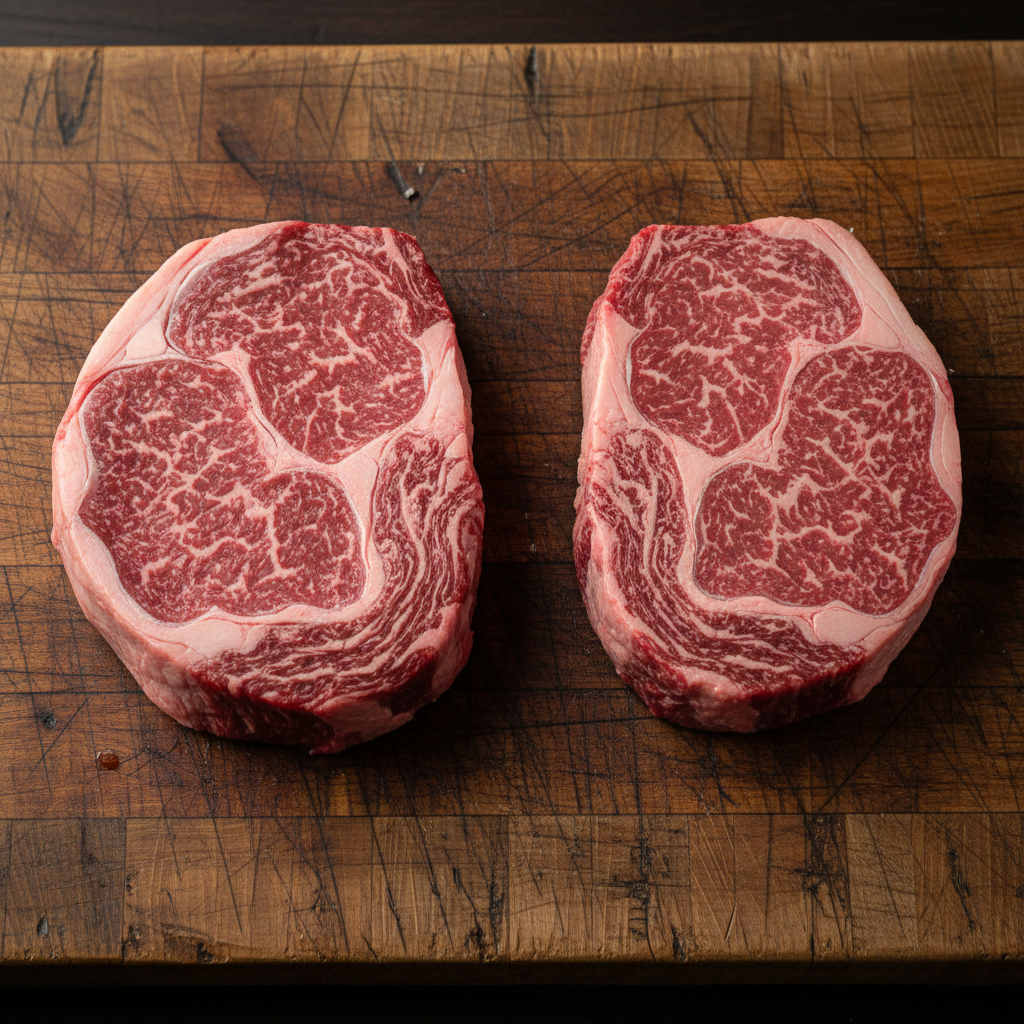
Because it sits right next to the ribeye, the chuck eye shares many of the same characteristics. It features excellent marbling and the same Spinalis dorsi muscle (the ribeye cap) that makes ribeyes so delicious. However, because it crosses the line into the shoulder (chuck) section, it is sold at a significantly lower price point.
The “Poor Man’s Ribeye” Explained
This nickname isn’t an insult; it’s a compliment. Chuckeye steak offers about 80-90% of the tenderness of a ribeye but costs about 30-40% less. It is the perfect bridge between a luxury steak night and a budget-conscious meal.
But there is a catch: scarcity. There are only two chuck eye steaks per cow. This scarcity means you won’t always find them sitting in the meat case at your local grocery store. You often have to ask the butcher specifically for them.
Chuck Eye vs. Chuck Steak
It is crucial not to confuse a chuck eye roll steak with a standard “chuck steak” or “7-bone steak.”
- Chuck Steak: Comes from further up the shoulder. It is tough, full of connective tissue, and best suited for slow cooking or braising (think pot roast).
- Chuck Eye Steak: Comes from the back end of the chuck, near the rib. It is tender enough to grill or pan-sear like a premium steak.
Why You Should Be Eating Chuck Eye Steaks
Beyond the price, there are compelling reasons to add beef chuck eye steak to your rotation.
1. Incredible Flavor Profile
Because this cut is an extension of the ribeye muscle, it boasts intense beefy flavor. The marbling (intramuscular fat) renders down during cooking, basting the meat from the inside out.
2. High Protein and Nutrition
Like other beef cuts, chuck eye is a powerhouse of nutrition. According to the USDA, a standard serving of beef provides essential nutrients like zinc, iron, and B vitamins, which are critical for energy and immune function.
3. Versatility
You can grill it, pan-sear it, or broil it. Unlike tougher chuck cuts that require hours in a slow cooker, a chuck eye steak recipe can be ready in under 15 minutes.
| Feature | Chuck Eye Steak | Ribeye Steak | Standard Chuck Steak |
|---|---|---|---|
| Location | 5th Rib (Shoulder/Rib border) | 6th-12th Rib | Shoulder |
| Tenderness | High | Very High | Low (Chewy) |
| Cooking Method | High Heat (Grill/Sear) | High Heat (Grill/Sear) | Low & Slow (Braise) |
| Price | $$ | $$$$ | $ |
Chuck Eye Steak Price: What to Expect
The chuck eye steak price is one of its biggest selling points. While prices fluctuate based on location and beef market trends, you can generally expect to pay significantly less than premium cuts.
As of early 2026, average prices hover around:
- Chuck Eye: $9 – $14 per pound
- Ribeye: $16 – $25+ per pound
This price gap allows families to enjoy steak dinners without breaking the bank. However, as the secret gets out, demand is rising. A report from the University of Illinois Extension suggests that consumer interest in “value cuts” has increased by over 15% in the last two years, driven by rising food costs.
How to Select the Best Beef Chuck Eye Steak
Since what are chuck eye steaks varies slightly by butcher, knowing how to pick the best one is key.
- Look for Marbling: You want white flecks of fat scattered throughout the red meat. This fat equals flavor and tenderness.
- Check the Thickness: Aim for steaks that are at least 1 to 1.5 inches thick. This allows you to get a good sear on the outside without overcooking the inside.
- Color Matters: Fresh beef should be a bright cherry-red color. Avoid meat that looks brown or gray.
- The “Eye” Size: Look for a large central eye muscle. If the steak looks like it has too many different muscles separating, it might be cut from further up the chuck roll, which will be tougher.
The Perfect Beef Chuck Eye Steak Recipe
Cooking this cut requires treating it like a steak, not a roast. Here is a foolproof beef chuck eye steak recipe that rivals any steakhouse.
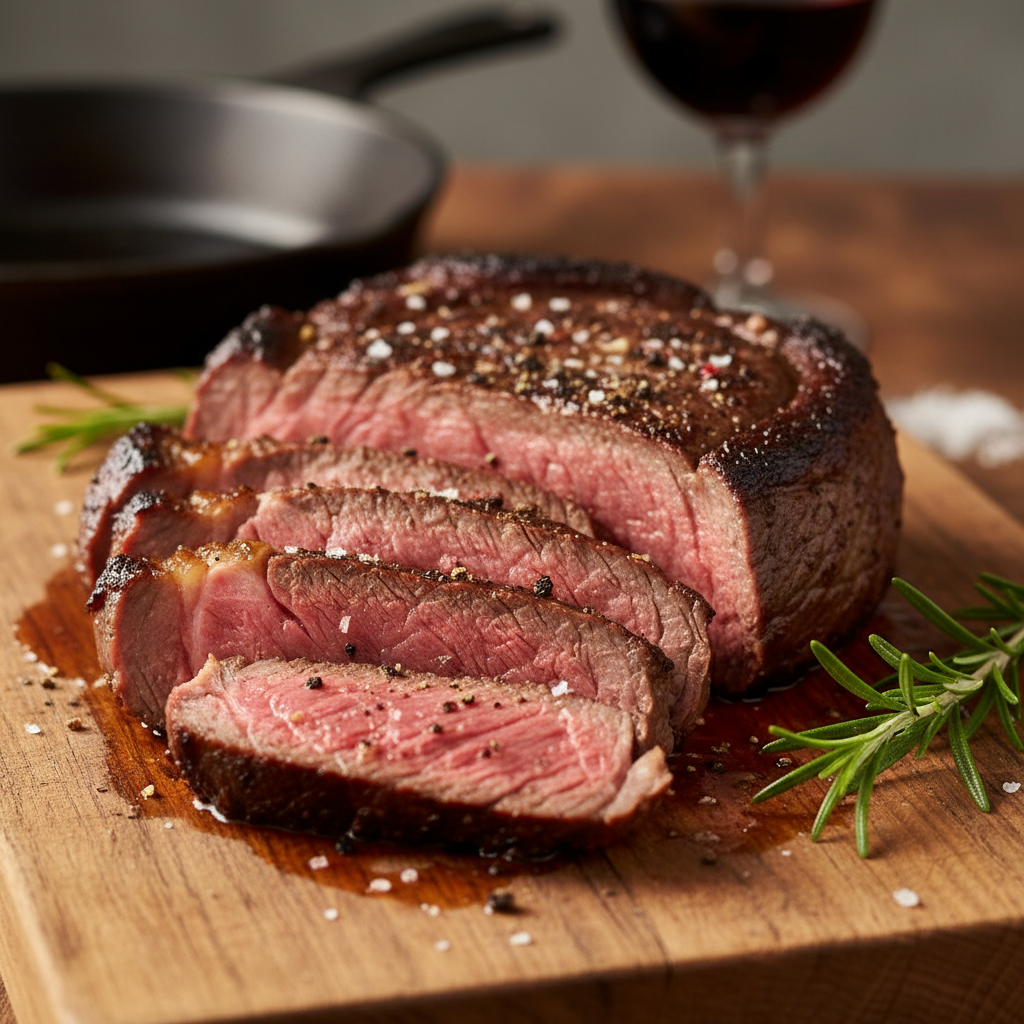
Pan-Seared Garlic Butter Chuck Eye
Prep time: 5 mins | Cook time: 10 mins | Total time: 15 mins
Ingredients:
- 2 Chuck Eye Steaks (approx. 10-12 oz each)
- Kosher salt and freshly cracked black pepper
- 2 tbsp high-smoke point oil (avocado or grapeseed)
- 3 tbsp unsalted butter
- 3 cloves garlic, smashed
- 2 sprigs fresh rosemary or thyme
Instructions:
- Temper the Meat: Take your steaks out of the fridge 30 minutes before cooking. This ensures even cooking.
- Dry and Season: Pat the steaks completely dry with paper towels. Moisture is the enemy of a good crust. Season generously with salt and pepper on all sides.
- Heat the Pan: Use a cast-iron skillet if you have one. Heat the oil over high heat until it is shimmering and just starting to smoke.
- Sear: Carefully place the steaks in the pan. Do not crowd them. Sear undisturbed for 3-4 minutes until a deep brown crust forms.
- Flip: Flip the steaks. Cook for another 2-3 minutes.
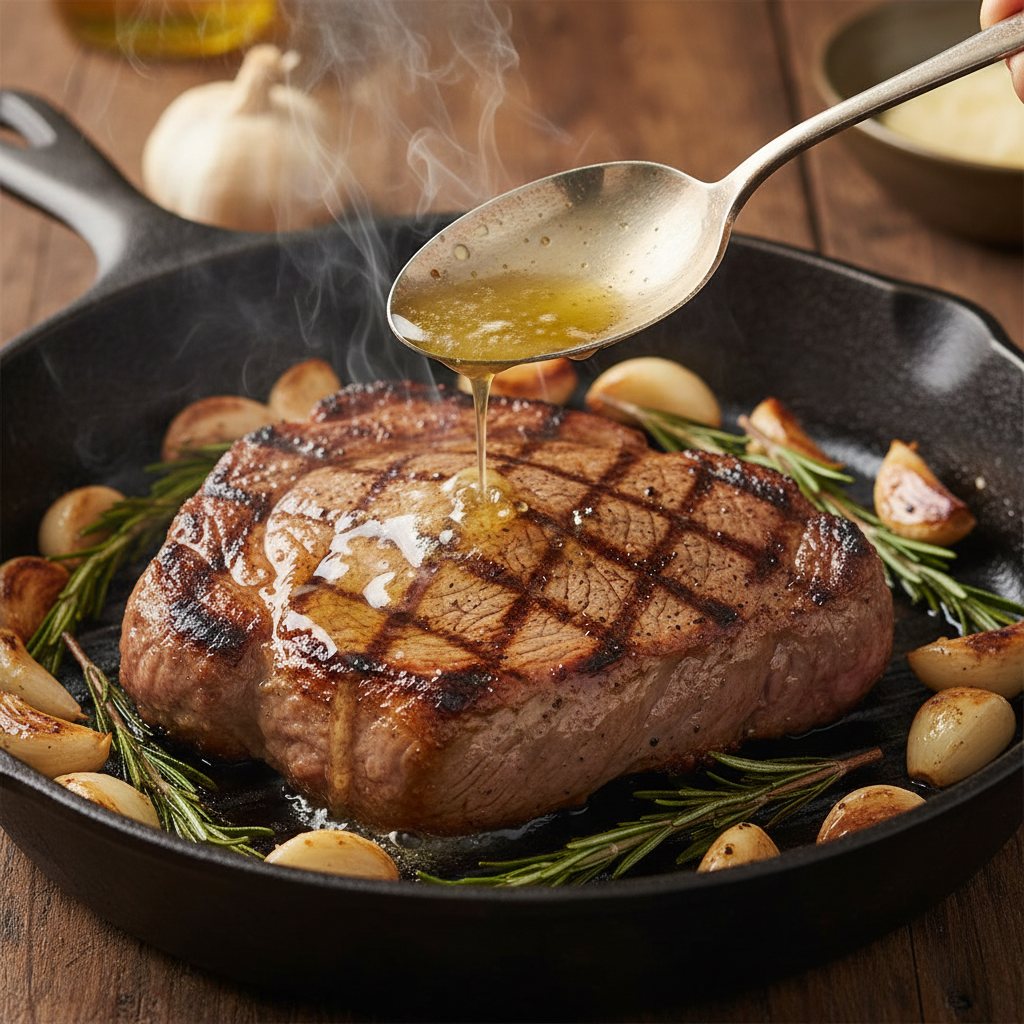
- Baste: Reduce heat to medium. Add butter, garlic, and herbs to the pan. As the butter melts and foams, tilt the pan and spoon the hot aromatic butter over the steaks continuously for the final minute of cooking.
- Check Temperature: For medium-rare, pull the steaks when they reach an internal temperature of 130°F (54°C).
- Rest: Transfer to a cutting board and let them rest for at least 5-10 minutes. This redistributes the juices.
Pro Tip: Looking for the perfect side dish to pair with this? Check out Flavor Suggest for unique flavor pairings that elevate your steak dinner.
Grilling Chuck Eye Roll Steak: A Summer Favorite
If you prefer cooking outdoors, the chuck eye roll steak is fantastic on the grill.
- Zone Cooking: Set up your grill with two zones a hot side (direct heat) and a cooler side (indirect heat).
- Sear First: Sear the steaks over the direct heat for 2 minutes per side to get those beautiful grill marks.
- Finish Slowly: Move the steaks to the cooler side of the grill. Close the lid and let them finish cooking until they reach your desired doneness.
- Rest: Always rest your meat!
Marinades vs. Dry Rubs
Because chuck eye is tender, you don’t need a marinade to soften it, but it takes flavor well.
- Purists: Stick to salt, pepper, and garlic powder.
- Adventurers: Try a marinade with soy sauce, Worcestershire, and olive oil for 2-4 hours. Acidic marinades (like those with lemon juice or vinegar) can help break down any stray connective tissue if your cut is slightly further from the ribeye end.
Common Mistakes to Avoid
Even with a great chuck eye steak recipe, things can go wrong.
- Overcooking: This cut can become tough if cooked past medium. Aim for medium-rare (130°F-135°F) or medium (135°F-145°F) for the best texture.
- Cutting Too Soon: Slicing into the steak immediately after cooking causes all the juices to run out, leaving you with dry meat.
- Confusing Cuts: Ensure you aren’t buying “Chuck Roast” or “Chuck Steak.” Read the label carefully or ask the butcher specifically for “Chuck Eye.”
E-E-A-T: Trusting Your Beef Source
When discussing beef, safety and quality standards are paramount. The United States Department of Agriculture (USDA) regulates beef grading and safety. According to the USDA Food Safety and Inspection Service, beef should always be handled safely to prevent foodborne illness.
Furthermore, academic institutions like Texas A&M University’s Department of Animal Science conduct extensive research on beef tenderness and palatability. Their research consistently supports the value of cuts from the chuck roll closest to the rib as being comparable in tenderness to higher-value cuts.
Choosing quality beef also matters. While grain finished beef is known for higher marbling, grass-fed beef offers a different nutritional profile, often higher in Omega-3 fatty acids.
Conclusion
The chuck eye steak is the undisputed champion of value cuts. It delivers the steakhouse experience rich flavor, tenderness, and satisfaction without the premium price tag. By understanding how to select and cook this cut properly, you can elevate your home cooking game instantly.
Next time you are at the butcher counter, don’t just walk past the chuck section. Ask for the chuck eye. Your wallet (and your taste buds) will thank you.
Ready to cook? Fire up the skillet and give our garlic butter recipe a try tonight!
Frequently Asked Questions (FAQs)
1. Is chuck eye steak tough?
No, chuck eye steak is surprisingly tender because it comes from the area right next to the ribeye. However, if overcooked (past medium), it can become chewy.
2. Is chuck eye steak the same as ribeye?
They are neighbors but not the same. Chuck eye comes from the 5th rib, while ribeye starts at the 6th. They share similar muscles and flavor profiles, but chuck eye is slightly less tender and much cheaper.
3. How do you tenderize a chuck eye steak?
You generally don’t need to tenderize it mechanically. However, using a salt brine (salting the meat 1 hour before cooking) or an acidic marinade can enhance tenderness.
4. What is the best way to cook chuck eye steak?
High-heat methods are best. Pan-searing in a cast-iron skillet or grilling over high heat yields the best results. Avoid slow cooking unless you are using a different chuck cut.
5. Why is it called the “Poor Man’s Ribeye”?
It earned this nickname because it shares the same primary muscle (Longissimus dorsi) as the ribeye and has similar marbling, but costs significantly less.
6. Can I marinate chuck eye steak?
Yes! While it has great flavor on its own, it stands up well to marinades. A mix of soy sauce, olive oil, garlic, and herbs works beautifully.
7. Where can I buy chuck eye steak?
It can be hard to find because there are only two per cow. Your best bet is a local butcher shop or a grocery store with an in house meat cutter. You may need to ask for it specifically.
8. What is the difference between chuck eye and chuck roast?
Huge difference. Chuck eye is a steak suitable for grilling. Chuck roast is a large, tough cut from the shoulder that requires hours of braising to become tender.
9. Is chuck eye steak healthy?
Yes, it is a great source of protein, iron, zinc, and B12. Like all red meat, it should be consumed in moderation as part of a balanced diet.
10. What internal temperature should I aim for?
For the best texture, aim for medium-rare (130°F – 135°F). Remove the steak from the heat when it is about 5 degrees below your target temp, as it will continue to cook while resting.