The Ultimate Guide to Summer Sausage in 2026: Recipes, Tips, and History
Summer sausage is a staple of holiday gift baskets, charcuterie boards, and savory snack platters across America. Its tangy flavor, firm texture, and incredible shelf-stability make it a favorite for hikers, picnickers, and party hosts alike. Yet, despite its popularity, many people don’t know the rich history behind this cured meat or how easy it is to make right in your own kitchen.
In this ultimate guide, we will slice into everything you need to know about summer sausage in 2026. From its origins and why it carries its unique name to a step-by-step summer sausage recipe you can try at home, we have you covered. Whether you are looking for the best summer sausage brands or want to experiment with a summer sausage kit, this post is your definitive resource.
Key Takeaways
- What is Summer Sausage?: A fermented, cured, and smoked semi-dry sausage that can be kept without refrigeration until opened.
- The Name: It’s called “summer sausage” because it was traditionally made in winter to last through the summer months without spoiling.
- Ingredients: Typically made from a mix of pork and beef, though all-beef summer sausage is a popular variation.
- DIY Friendly: With the right summer sausage casing and a good kit, making this delicacy at home is surprisingly simple.
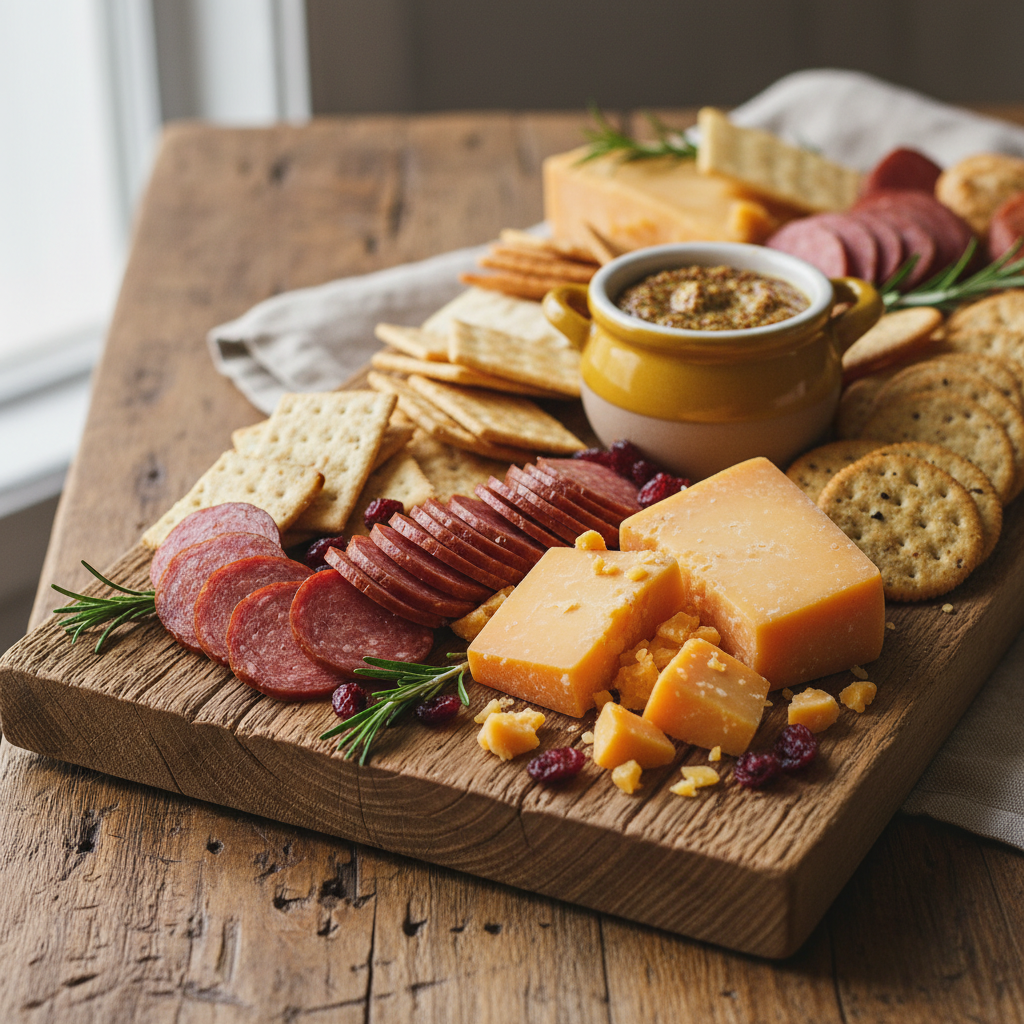
- Serving: Best served at room temperature to maximize flavor, paired with sharp cheddar, crackers, and mustard.
What is Summer Sausage?
If you have ever received a holiday food basket, you likely found a log of summer sausage nestled between the cheese blocks and crackers. But what is summer sausage exactly, and how does it differ from other cured meats like salami or pepperoni?
Summer sausage is a type of American semi-dry sausage. Unlike dry sausages (like pepperoni) which lose up to 30% of their moisture during curing, semi-dry sausages retain more moisture (losing only about 15%). This gives summer sausage its characteristic softer, more yielding texture compared to the chewiness of a hard salami.
The unique flavor profile comes from the fermentation process. Lactic acid bacteria are introduced to the meat mixture, which lowers the pH level. This acidification is what gives the sausage its signature tangy “twang.” After fermentation, the sausage is typically smoked, cooking it fully and adding yet another layer of flavor.
Historically, this preservation method was essential. In 2026, while we have refrigerators, the tradition persists because the flavor is simply unbeatable. For a deeper dive into food preservation history, the National Center for Home Food Preservation offers extensive resources on how curing works.
Why Do They Call it Summer Sausage?
One of the most common questions people ask is: why do they call it summer sausage if it’s often eaten during the winter holidays?
The answer lies in history and necessity. Before the invention of mechanical refrigeration, preserving meat was a survival skill. In Europe, specifically Germany, where this style of sausage originated, farmers would slaughter livestock in the late autumn or winter when temperatures were cold enough to prevent spoilage during processing.
However, they needed this meat to last them through the warm months ahead when fresh meat might be scarce or spoil quickly. By using curing salts, fermentation, and drying techniques, they created a sausage that was shelf-stable. It didn’t require ice or a root cellar to stay safe to eat. Thus, it was the sausage made for the summer.
Today, the term refers more to the style of preparation fermented, smoked, and shelf-stable rather than the season of consumption. In fact, due to its durability, it remains a top choice for outdoor activities. You can read more about traditional German sausage-making techniques from the German Food Guide.
Types of Summer Sausage: Beef and More
While the traditional recipe often calls for a blend of pork and beef, modern palates and dietary preferences have expanded the varieties available.
Beef Summer Sausage
Beef summer sausage is perhaps the most popular variation in the United States today. It offers a robust, hearty flavor that pairs exceptionally well with strong cheeses. Because beef is leaner than pork, makers often have to be careful to ensure the sausage doesn’t become too dry. High-quality beef summer sausage will often include a specific ratio of fat to lean meat (usually 80/20 or 70/30) to maintain juiciness.
Venison Summer Sausage
For hunters, summer sausage is the gold standard for processing deer meat. Venison is extremely lean, so it is almost always mixed with pork fat or beef suet to ensure the sausage binds correctly and has a pleasing mouthfeel. It often features stronger spices like black pepper, mustard seed, and garlic to complement the gamey flavor of the meat.
Jalapeño and Cheddar
Innovation hasn’t stopped at the meat choice. In 2026, the market is flooded with flavor-infused options. Jalapeño and cheddar summer sausage is a top seller, offering a spicy kick and creamy pockets of high-temp cheese that doesn’t melt away during the smoking process.
How to Make Summer Sausage: Recipe and Tips
Making your own sausage might sound intimidating, but it is actually one of the most forgiving charcuterie projects for beginners. You don’t need a smokehouse; a standard oven or a backyard smoker works perfectly. Here is a reliable summer sausage recipe you can try at home.
Ingredients Needed
- 3 lbs Ground Beef (80/20 lean-to-fat ratio)
- 2 lbs Ground Pork Butt (or pork shoulder)
- 5 tbsp Tender Quick (curing salt)
- 2 tbsp Mustard Seeds
- 2 tsp Coarse Black Pepper
- 2 tsp Garlic Powder
- 1 tsp Onion Powder
- 1 tbsp Liquid Smoke (if using an oven)
- 1 cup Ice Cold Water
- Fibrous summer sausage casing (2.5-inch diameter recommended)
Step by Step Instructions
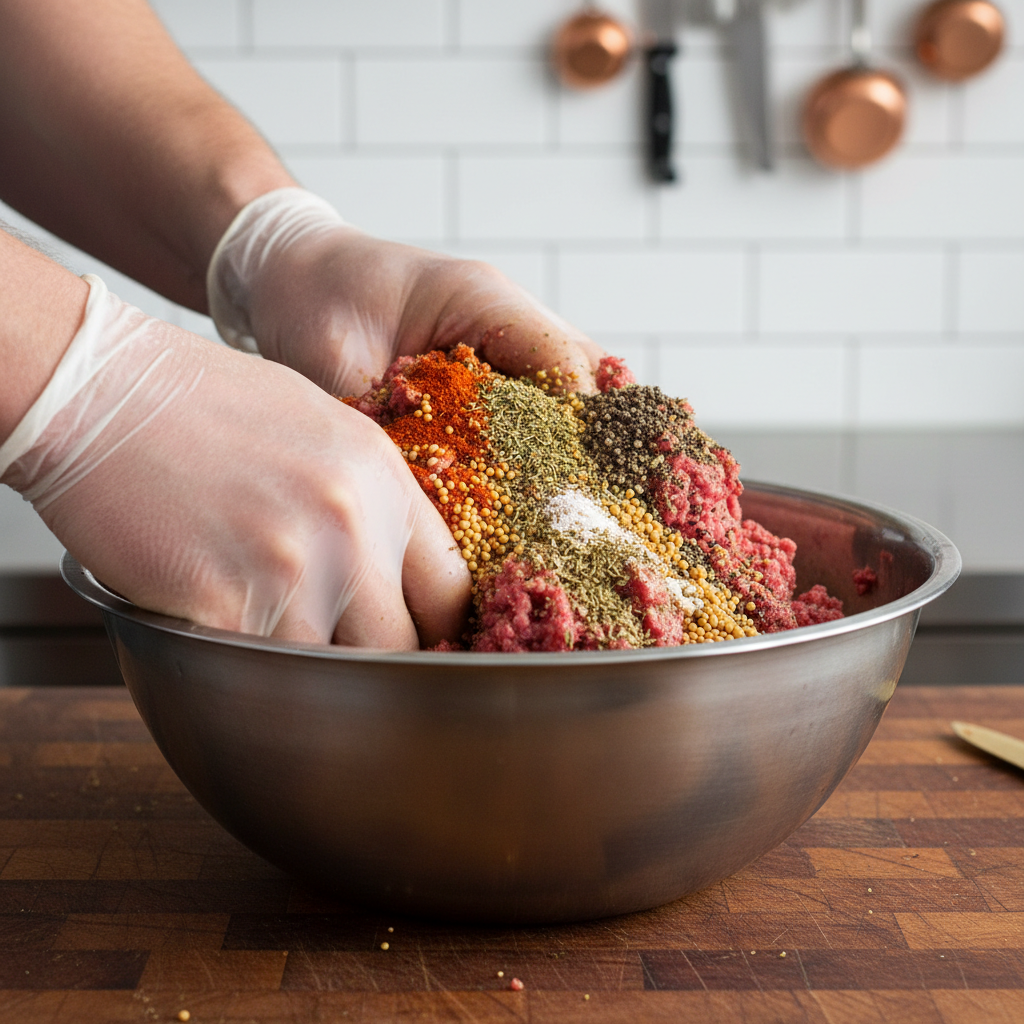
- Chill Your Meat: Temperature control is vital. Keep your meat as cold as possible without freezing it solid. This ensures the fat doesn’t “smear,” which ruins the texture.
- Mix the Spices: In a small bowl, combine the curing salt, mustard seeds, pepper, garlic powder, and onion powder.
- Combine: In a large mixing bowl (or a meat mixer), combine the beef and pork. Add the spice mixture and the ice-cold water. If you are baking this in an oven and want a smoky flavor, add the liquid smoke now.
- The “Sticky” Stage: Mix the meat vigorously by hand for about 5-7 minutes. You are looking for a protein extraction where the meat becomes very sticky and tacky. This binds the sausage together so it doesn’t crumble when sliced.
- Stuff the Casing: Rinse your fibrous summer sausage casing in warm water to make it pliable. Tightly pack the meat mixture into the casings. You want to avoid air pockets, as these can harbor bacteria and spoil the look of the slice. Tie off the ends securely with butcher’s twine.
- Rest and Cure: Place the stuffed sausages in the refrigerator for 24 to 48 hours. This allows the cure to work and the flavors to meld.
- Cooking:
- Smoker Method: Preheat smoker to 185°F. Smoke the sausages for 3-5 hours until the internal temperature reaches 160°F.
- Oven Method: Preheat oven to 200°F. Place sausages on a rack (to allow air circulation) and bake until the internal temperature reaches 160°F.
- The Ice Bath: Immediately upon reaching 160°F, plunge the sausages into an ice water bath. This stops the cooking process and “sets” the fat, preventing the sausage from shriveling.
- Bloom: Let the sausages dry at room temperature for an hour to “bloom” (develop color) before refrigerating.
Important Tips for Success
- Safety First: Always use a meat thermometer. You must reach an internal temperature of 160°F to ensure the meat is safe to eat. The USDA Food Safety and Inspection Service provides critical guidelines on sausage safety.
- The Right Casing: Do not use edible collagen casings meant for snack sticks. You need heavy-duty fibrous casings that peel off before eating.
- Fat is Flavor: Do not use ultra-lean meat. You need at least 20-30% fat content for a moist, delicious result.
Best Summer Sausage Brands and Kits in 2026
If you aren’t ready to grind your own meat, there are plenty of excellent commercial options and DIY kits available.
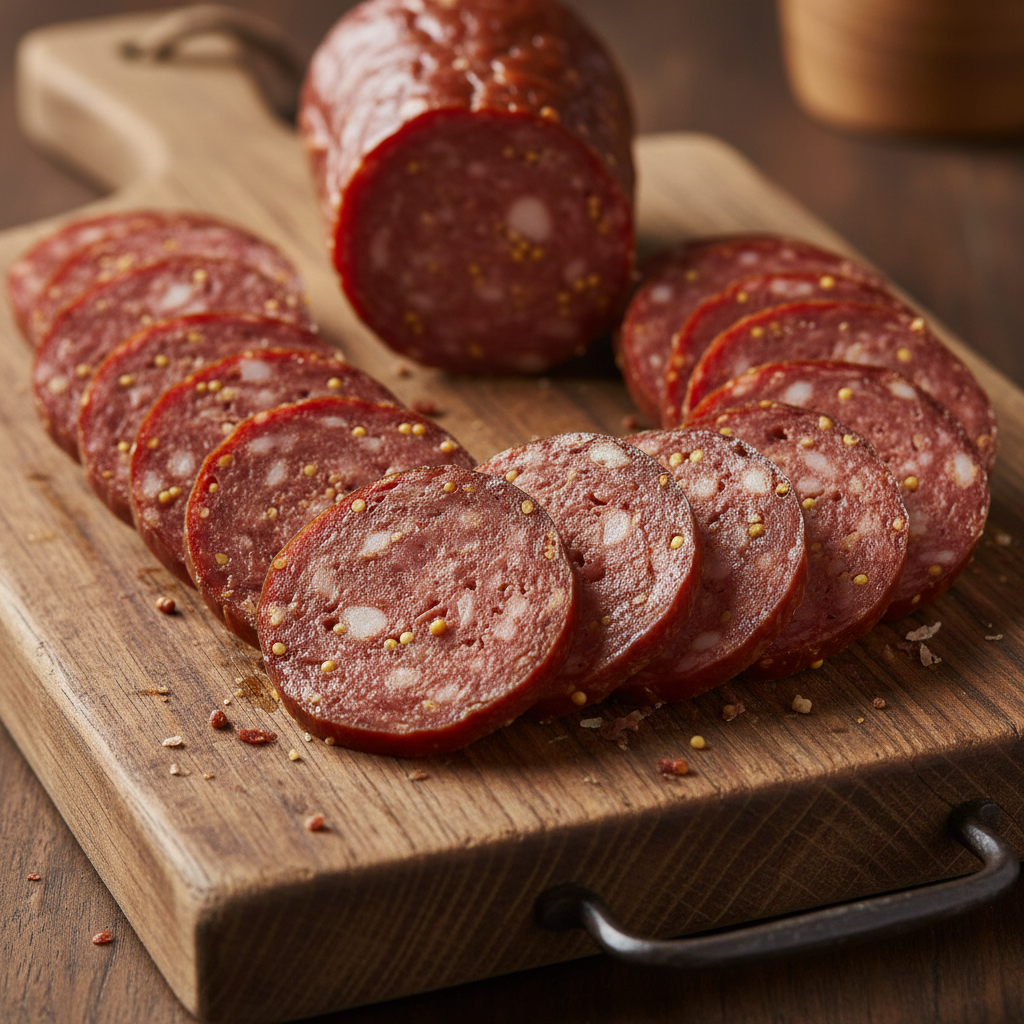
Top Commercial Brands
When looking for the best summer sausage, look for brands that prioritize natural smoking over liquid smoke flavoring.
- Hickory Farms: A classic for a reason, their “Signature Beef Summer Sausage” remains a consistent crowd-pleaser with a nostalgic flavor profile.
- Old Wisconsin: Known for their hardwood smoking process, they offer a slightly firmer, more authentic texture.
- Local Artisan Butchers: In 2026, the “eat local” movement means your local butcher likely makes a superior product to anything found in a big box store.
Recommended Summer Sausage Kits
For the aspiring hobbyist, a summer sausage kit removes the guesswork of measuring spices and cures.
- Hi Mountain Seasonings: Their kits are legendary for beginners. They come with perfectly measured cure and seasoning packets and high-quality casings.
- PS Seasoning: Offers gourmet flavor profiles like “Garlic & Pepper” or “Jalapeño” that elevate the homemade experience.
- LEM Products: Known for their “Backwoods” line, these kits are great if you are processing large batches of venison.
Pairing and Serving Ideas
Summer sausage is versatile. Here are a few ways to serve it beyond the cracker:
- Fried Summer Sausage Sandwiches: Slice it thick and fry it in a pan until crispy. Serve on white bread with mustard a Midwest breakfast classic.
- Charcuterie Boards: Pair with sharp cheddar, smoked gouda, pickled okra, and a coarse-ground mustard.
- Pizza Topping: Dice it up and use it as a smoky alternative to pepperoni.
For more creative food pairing ideas, check out our guide on flavor profiles at FlavorSuggest.
FAQs About Summer Sausage
Does summer sausage need to be refrigerated?
Unopened summer sausage that is commercially produced and shelf-stable does not need refrigeration. However, once you cut into the casing, it must be refrigerated. Homemade summer sausage should always be refrigerated unless you have expert knowledge of water activity and pH levels.
Can you freeze summer sausage?
Absolutely. Wrap it tightly in plastic wrap or vacuum seal it, and it will keep in the freezer for up to 10 months without significant loss of quality.
Is the skin on summer sausage edible?
Usually, no. Most summer sausages are stuffed into fibrous cellulose casings or synthetic casings which are meant to be peeled off before eating. If the casing is thick and papery, peel it. If it is very thin and snappy (like a snack stick), it is likely edible collagen or natural casing.
What is the difference between salami and summer sausage?
While both are cured meats, salami is typically dry-cured (lost 30% water weight) and harder, while summer sausage is semi-dry (lost 15% water weight), fermented, and cooked/smoked, resulting in a softer texture and tangier flavor.
Conclusion
Summer sausage is a testament to culinary ingenuity a survival food that tasted so good it became a luxury treat. Whether you buy a premium log of beef summer sausage for your next party or buy a summer sausage kit to make it yourself, you are participating in a delicious, centuries-old tradition.
The next time someone asks, “why do they call it summer sausage?” you can share the history while passing them a slice. Remember, the key to the best summer sausage experience is quality ingredients, proper temperature control, and sharing it with good company.
Ready to start your charcuterie journey? Browse our other guides or grab your ingredients and get cooking!