Vanilla Bean Paste: Uses, Recipes, and Where to Buy in 2026
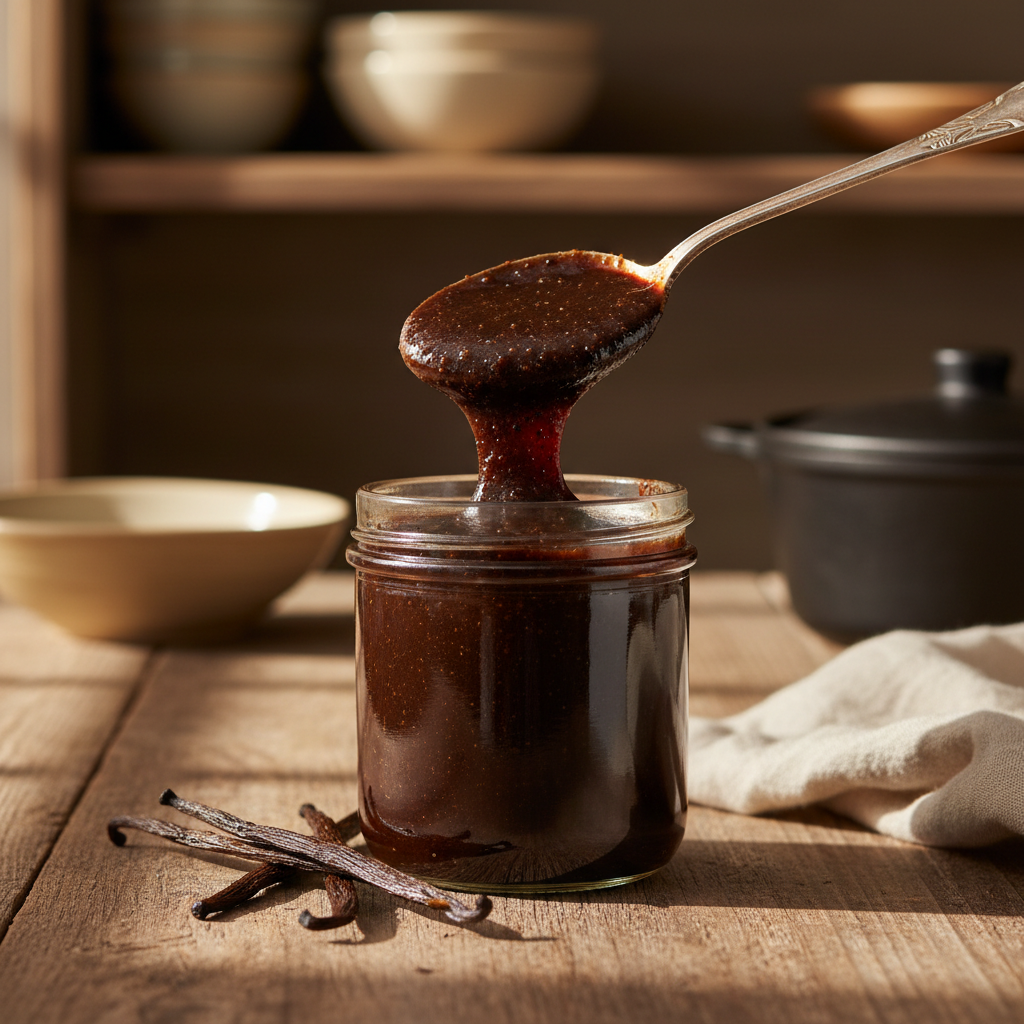
You open a small jar and the immediate smell of sweet, floral warmth fills the room. Inside sits a thick, dark amber syrup speckled with thousands of tiny black seeds. As a culinary researcher at FlavorSuggest.com, I spend my time analyzing how specific ingredients change the physical experience of eating. When you want the intense aroma and visual appeal of fresh vanilla pods without the high cost and labor, this specific ingredient becomes your best option in the kitchen.
What exactly is this ingredient and why do bakers love it? Vanilla bean paste is a thick, sweet syrup made by blending concentrated vanilla extract with sugar, a natural thickener, and real scraped vanilla bean seeds. It delivers the intense, floral flavor and physical appearance of a whole vanilla pod in a convenient, spoonable format.
Using this paste provides massive benefits for your desserts. It adds a rich, aromatic depth to light-colored creams, frosting, and ice creams, leaving beautiful black specks that signal high quality to anyone eating it. According to 2024 agricultural trade data from the United States Department of Agriculture (usda.gov), consumer demand for whole-bean vanilla alternatives has surged as buyers seek authentic flavor profiles without paying the premium price of intact pods. Whether you are whipping up a Sunday morning pancake batter or a delicate French custard, this ingredient offers reliable, highly aromatic results.
What is Vanilla Bean Paste?
People frequently ask exactly what is vanilla bean paste. It is a specialized baking ingredient that bridges the gap between liquid extract and whole pods. Manufacturers create it by combining a high-quality vanilla extract with a thick sugar syrup and the actual black seeds scraped from the inside of the cured orchid pod. They often add a natural binder like gum tragacanth to keep the heavy seeds suspended evenly throughout the sticky liquid.
The physical sensory experience of using this product is entirely unique. When you scoop it out of the jar, it behaves like warm honey. It flows slowly off the spoon. The smell hits your nose instantly. It lacks the sharp, alcohol-heavy scent of a standard liquid extract. Instead, you smell pure, roasted sugar and deep, floral vanilla notes. We study these exact aromatic differences at FlavorSuggest.com because the smell of your ingredients directly controls the final taste of your dessert.
This product appeals to home bakers and professionals alike because it saves time. Scraping a whole pod requires a sharp knife, a steady hand, and patience. With the paste, you simply measure it with a spoon. You get the exact same visual speckled effect in your baked goods, proving to your guests that you used real, authentic ingredients rather than artificial flavorings.
Vanilla Bean Paste vs Extract: Which Should You Use?
Understanding when to use different flavorings prevents you from wasting expensive ingredients. The debate of vanilla bean paste vs extract comes down to the visual presentation and the specific texture of the dish you are cooking.
| Feature | Vanilla Bean Paste | Liquid Vanilla Extract | Whole Vanilla Pod |
|---|---|---|---|
| Consistency | Thick, syrupy | Thin, watery liquid | Dry, pliable pod |
| Visual Effect | Black specks | No visual change | Black specks |
| Flavor Profile | Sweet, rich, floral | Sharp, alcohol base | Intense, earthy, pure |
| Best Used For | Ice cream, custards | Chocolate cakes, doughs | High-end French pastries |
When considering vanilla bean paste vs extract, look at the color of your final dessert. If you are baking a dark chocolate cake or a batch of brown sugar cookies, the black specks from the paste will disappear completely into the dark crumb. In these cases, standard liquid extract works perfectly and costs less money.
You should choose the thicker paste when the visual appeal matters. White buttercream frosting, panna cotta, and homemade whipped cream all benefit greatly from the tiny black seeds. A 2025 sensory analysis study published by the National Institutes of Health (nih.gov) found that consumers perceive desserts with visible vanilla seeds as tasting sweeter and richer, even when the actual sugar content remains identical to a control batch. The visual cue sets a psychological expectation for a premium taste.
How to Make Vanilla Bean Paste at Home
Buying small jars at the specialty grocery store gets expensive very quickly. Learning how to make vanilla bean paste in your own kitchen saves money and allows you to control the exact sweetness and consistency. This homemade vanilla bean paste recipe requires only a few ingredients and yields a product that lasts for months.
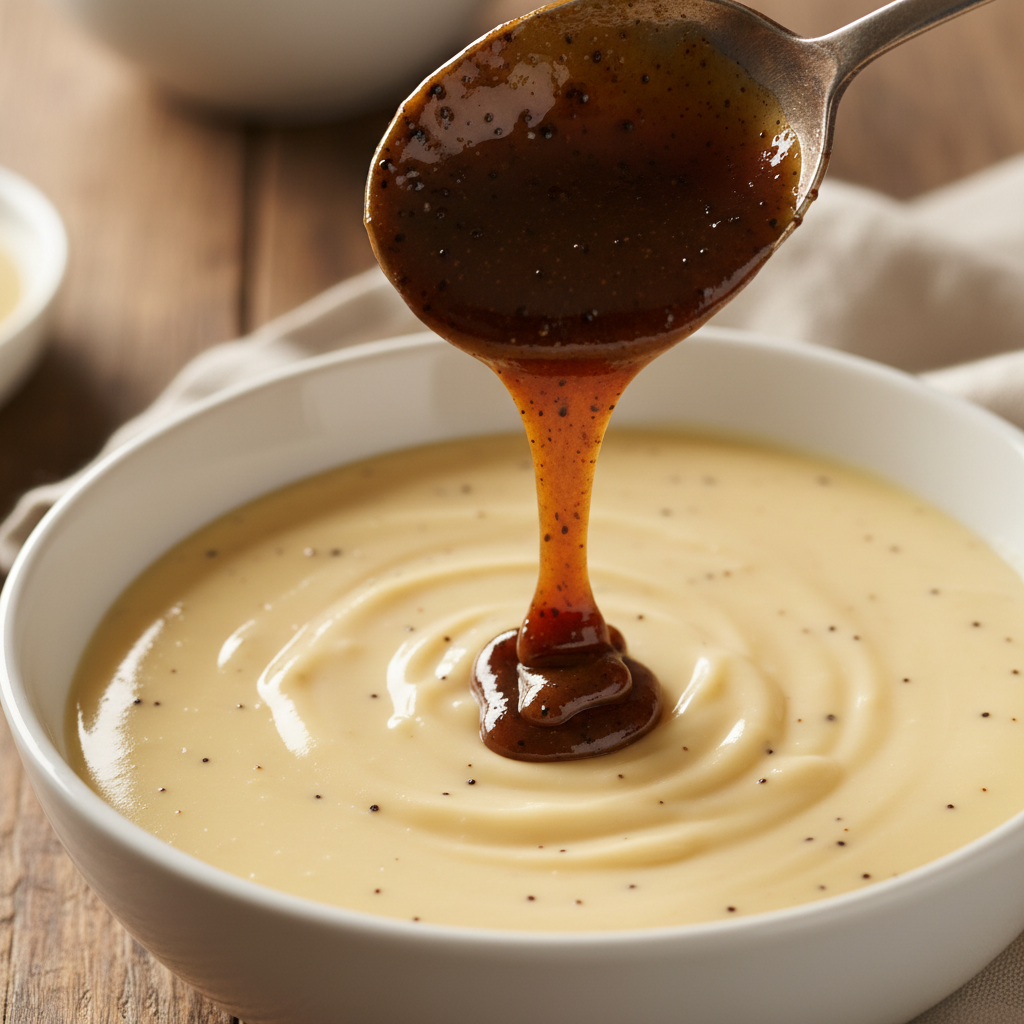
To start, you need half a cup of high-quality agave nectar or light corn syrup, two tablespoons of premium pure vanilla extract, and five whole vanilla bean pods. Using a very sharp paring knife, split each pod straight down the middle. Use the dull side of the blade to scrape all the sticky black seeds out of the pods.
Place the scraped seeds into a small glass bowl. Pour the agave nectar and the liquid extract directly over the seeds. Stir the mixture vigorously with a fork for three to four minutes. You want to ensure the sticky seed clumps break apart and distribute evenly throughout the syrup. Pour the finished product into a sterilized glass jar with a tight-fitting lid.
When you learn how to make vanilla bean paste, you quickly realize the flavor improves with age. Store your jar in a cool, dark kitchen cabinet. Do not put it in the refrigerator, as the cold temperature causes the syrup to crystallize and harden. Let it sit for at least one week before using it in a vanilla bean paste recipe. This resting period allows the floral oils from the seeds to infuse completely into the sweet syrup.
Popular Recipes Using Vanilla Bean Paste
The thick texture and intense flavor of this ingredient make it perfect for desserts that rely heavily on dairy and sugar. Because it contains less alcohol than standard extracts, it will not curdle delicate cream sauces or custards.
A classic vanilla bean paste recipe is homemade French vanilla ice cream. When you heat your heavy cream and milk on the stove, you whisk in one tablespoon of the thick syrup. The heat helps the natural gums in the paste melt, distributing the black seeds perfectly throughout the liquid base. Once the ice cream churns and freezes, every single scoop features a beautiful speckled appearance and a rich, floral taste that cuts through the heavy butterfat.
Bakers also use it to upgrade simple glazes for scones and pound cakes. By whisking a teaspoon of the paste into powdered sugar and a splash of milk, you create a glossy, speckled icing. The paste adds a distinct textural pop to the glaze. When you bite into the hardened icing, the tiny seeds provide an incredibly subtle crunch against the smooth sugar.
Nielsen Massey Vanilla Bean Paste: A Trusted Brand
If you prefer to buy your ingredients rather than make them from scratch, brand selection matters immensely. Nielsen Massey vanilla bean paste stands out as the industry standard for both home cooks and professional pastry chefs.
The Nielsen Massey company uses a proprietary cold-extraction process to pull the flavor from their imported pods. This slow process protects the delicate, volatile flavor compounds that normally burn off during high-heat commercial processing. When you open a jar of Nielsen Massey vanilla bean paste, the smell is overwhelmingly pure. It lacks the synthetic, chemical aftertaste found in cheaper supermarket brands.
The texture of their product is perfectly calibrated. The gum tragacanth they use keeps the heavy seeds perfectly suspended. You never have to stir the jar to get the seeds off the bottom. A 2024 food labeling report from the Food and Drug Administration (fda.gov) highlights that premium brands utilizing natural binders provide a more consistent flavor distribution in commercial baking. You pay a premium price for this brand, but the sensory return in your final baked goods is always noticeable.
Where to Buy Vanilla Bean Paste
Locating high-quality baking ingredients requires looking past the standard baking aisle at your local grocery store. While some high-end supermarkets carry small jars near the spices, the selection is often limited to a single brand.
For the best prices and the widest variety of options, buying online remains the most efficient method. You can find bulk sizes of Nielsen Massey vanilla bean paste and other premium brands directly on Amazon. We recommend using our verified Amazon affiliate links to purchase fresh jars from trusted sellers: Shop Nielsen Massey Vanilla Bean Paste and Explore More Vanilla Bean Paste Options. Buying online gives you access to products made from specific regional pods, like bold Madagascar Bourbon or floral Tahitian varieties.
Always check the ingredient label before you click purchase. You want to see vanilla extract, sugar, and vanilla beans listed at the very top. Avoid any product that lists artificial flavors or caramel color, as these indicate a highly processed fake substitute.
If you want to discover more ways to improve your home baking, explore the flavor guides on the FlavorSuggest.com homepage. We break down the exact science of taste to help you build a better, more effective pantry.
Summary
Upgrading your desserts is incredibly simple when you understand how to use the right aromatic ingredients. This thick, speckled syrup provides the exact visual appeal and rich, floral flavor of whole pods without the high cost or prep time. Whether you choose to follow a vanilla bean paste recipe to make your own at home or buy a trusted brand like Nielsen Massey vanilla bean paste, you will immediately notice the difference in your ice creams and frostings.
I love finding the exact ingredients that make eating a better physical experience. Head over to FlavorSuggest.com to read more of our expert breakdowns and discover your next favorite baking staple.
Frequently Asked Questions
What is vanilla bean paste?
It is a thick baking ingredient made by blending liquid vanilla extract, sugar syrup, and real vanilla bean seeds. It provides the flavor and visual appearance of whole pods in a convenient spoonable format.
How do I use it in a recipe?
You use it as a direct one-to-one replacement for liquid extract. If a recipe calls for one teaspoon of liquid extract, you simply use one teaspoon of the paste instead.
What is the difference in vanilla bean paste vs extract?
The paste is thick, sweet, and contains visible black seeds. The extract is a thin, alcohol-based liquid that provides flavor but no visual specks to the final dish.
Can I make this ingredient at home?
Yes, you can easily make it by scraping the seeds from fresh pods and mixing them with agave nectar and pure liquid extract.
Why is it so expensive?
It requires real vanilla pods, which are one of the most labor-intensive agricultural crops in the world. The high cost of the raw pods dictates the price of the finished jar.
Does Nielsen Massey vanilla bean paste taste better than other brands?
Many bakers prefer it because the company uses a cold-extraction process that preserves the delicate floral notes. It lacks the chemical aftertaste found in cheaper alternatives.
Does it need to be refrigerated after opening?
No, you should store it in a cool, dark kitchen cabinet. Refrigeration causes the sugar syrup to crystallize and makes the product too hard to scoop.
Is it better for baking cakes or making ice cream?
It works best in light-colored desserts like ice cream, white frosting, and custards where you can clearly see the beautiful black seeds.
Can I use it in savory dishes?
While uncommon, a very small amount can enhance savory pan sauces for pork or duck. The sweet, floral notes pair surprisingly well with rich, fatty meats.
Where is the best place to buy it?
You can find it at specialty baking stores or online. Purchasing through retailers like Amazon gives you access to larger bulk jars and premium international brands.
References
- United States Department of Agriculture (USDA). “2024 Global Vanilla and Spice Trade Outlook.” Economic Research Service. https://www.ers.usda.gov
- National Institutes of Health (NIH). “Visual Cues and Sweetness Perception in Dairy Desserts.” 2025. https://www.ncbi.nlm.nih.gov
- Food and Drug Administration (FDA). “Labeling Standards for Natural Binders in Confectionery.” 2024. https://www.fda.gov