The Definitive Guide to Flavored Butter: Recipes, Rankings, and Taste Profiles
My first experience with flavored butter wasn’t at a Michelin-star restaurant in Paris or a trendy brunch spot in New York. It was in my grandmother’s kitchen, watching her mash roasted garlic and fresh herbs into a softened stick of salted dairy gold. That single bite of warm sourdough smeared with her creation changed how I understood flavor delivery systems forever. It wasn’t just a condiment; it was an amplifier.
If you are looking to elevate a simple steak, transform popcorn, or create the perfect morning toast, you need to understand the mechanics of fat-soluble flavor. This guide breaks down everything I’ve learned about compound butters, from high-end retail options to DIY mixtures that rival professional kitchens.
Why Fat is the Ultimate Flavor Carrier
To understand why flavored butter works, you have to understand taste science. Flavor compounds are generally soluble in water or fat. Fat-soluble flavors like those found in spices, herbs, and vanilla need a lipid to coat your tongue and release their aromatic notes. This is why a water-based marinade often slides right off your palate, while a rich butter lingers.
When we test products for Flavorsuggest.com, we look for “mouthfeel” and “finish.” A high quality flavored butter should have a smooth, emulsified consistency where the additives don’t separate from the fat. Whether you are using a dairy base or a plant based alternative like butter flavored coconut oil, the principle remains the same. The fat protects the flavor until it hits the warmth of your tongue, releasing a burst of taste that feels luxurious and complete.
Some home cooks try to cut corners by mixing dry spices into cold butter. This is a mistake. To truly marry the flavors, the fat needs to be pliable, and often, the ingredients need to be bloomed (gently heated) to release their oils before mixing.
Breaking Down the Best Butter Bases
Not all fats are created equal. Depending on your dietary needs or flavor goals, the base you choose matters just as much as the seasoning.
Dairy Butter: The gold standard. Look for European style butters with higher butterfat content (82% or higher) for the richest texture.
Butter Flavored Shortening: This is a baking powerhouse. While I rarely recommend shortening for spreading on toast due to its waxy mouthfeel, butter flavored shortening is essential for pie crusts and frostings where you need structure and stability at room temperature. It mimics the flavor profile without the lower melting point of dairy.
Coconut Oil Butter Flavored: For the vegan or dairy free crowd, coconut oil butter flavored options have improved drastically in recent years. The best ones use natural diacetyl free flavorings to mask the coconut notes, leaving you with a clean, buttery taste that works exceptionally well for sautéing vegetables or popping corn.
Flavored Peanut Butter: While technically a nut butter, the principles of fat soluble flavor apply here too. We recently tested several brands, including some unique dog treats like Dreambone real peanut butter flavored vegetable chews (which, strictly for analysis, have a surprisingly accurate aroma profile). For human consumption, flavored peanut butter infused with honey, maple, or chili offers a protein-rich alternative to traditional spreads.
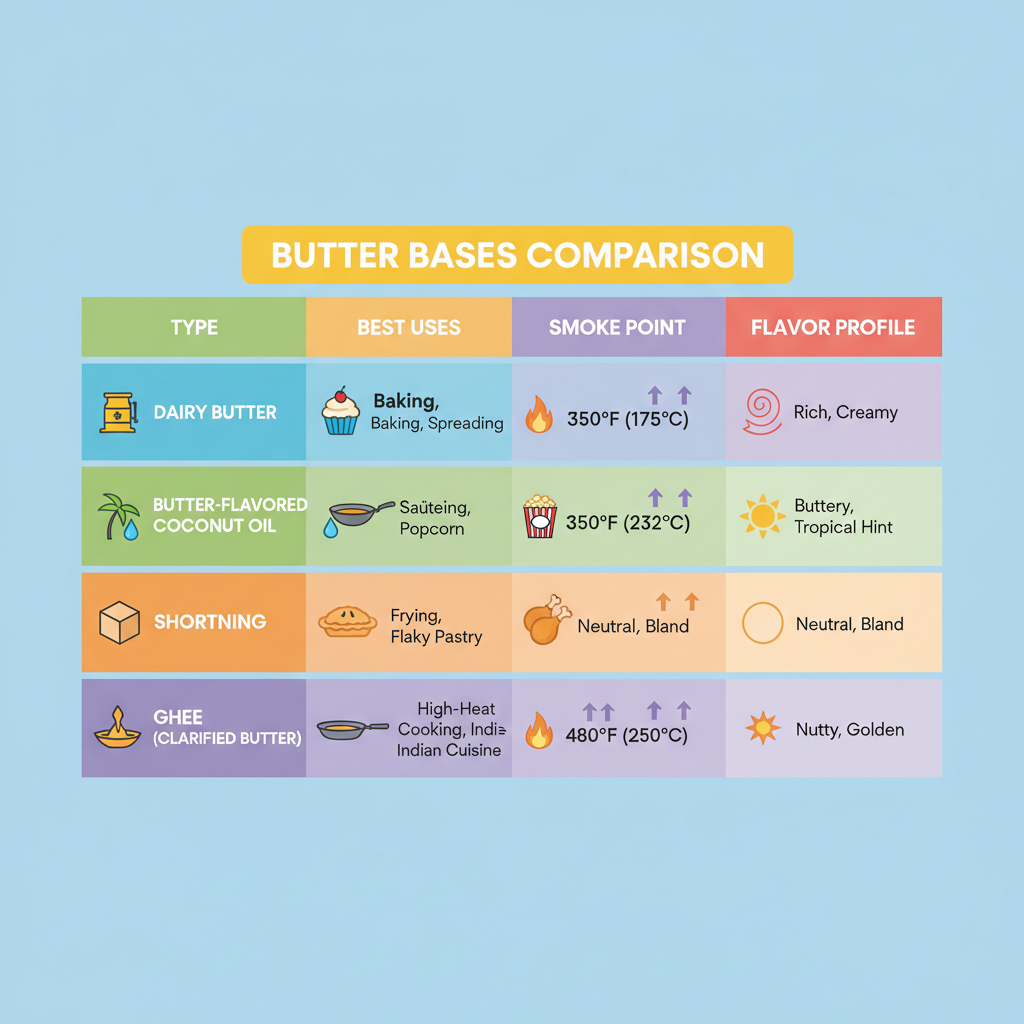
Comparison: Fat Bases by Application
| Fat Base | Best Application | Smoke Point | Flavor Neutrality |
|---|---|---|---|
| Cultured Dairy Butter | Finishing steaks, fresh bread | Low (300°F) | Low (Tangy/Rich) |
| Butter Flavored Coconut Oil | Movie theater popcorn, vegan baking | Medium (350°F) | Medium |
| Butter Flavored Shortening | Pie crusts, stable frosting | High (360°F+) | High |
| Clarified Butter (Ghee) | Searing meat, high-heat cooking | High (480°F) | Medium (Nutty) |
Top 10 Flavored Butter Ideas Ranked by Taste and Popularity
After testing dozens of combinations and reviewing market trends for 2026, here is our ranking of the best flavored butter recipes and concepts. We judged these on versatility, flavor balance, and ease of preparation.
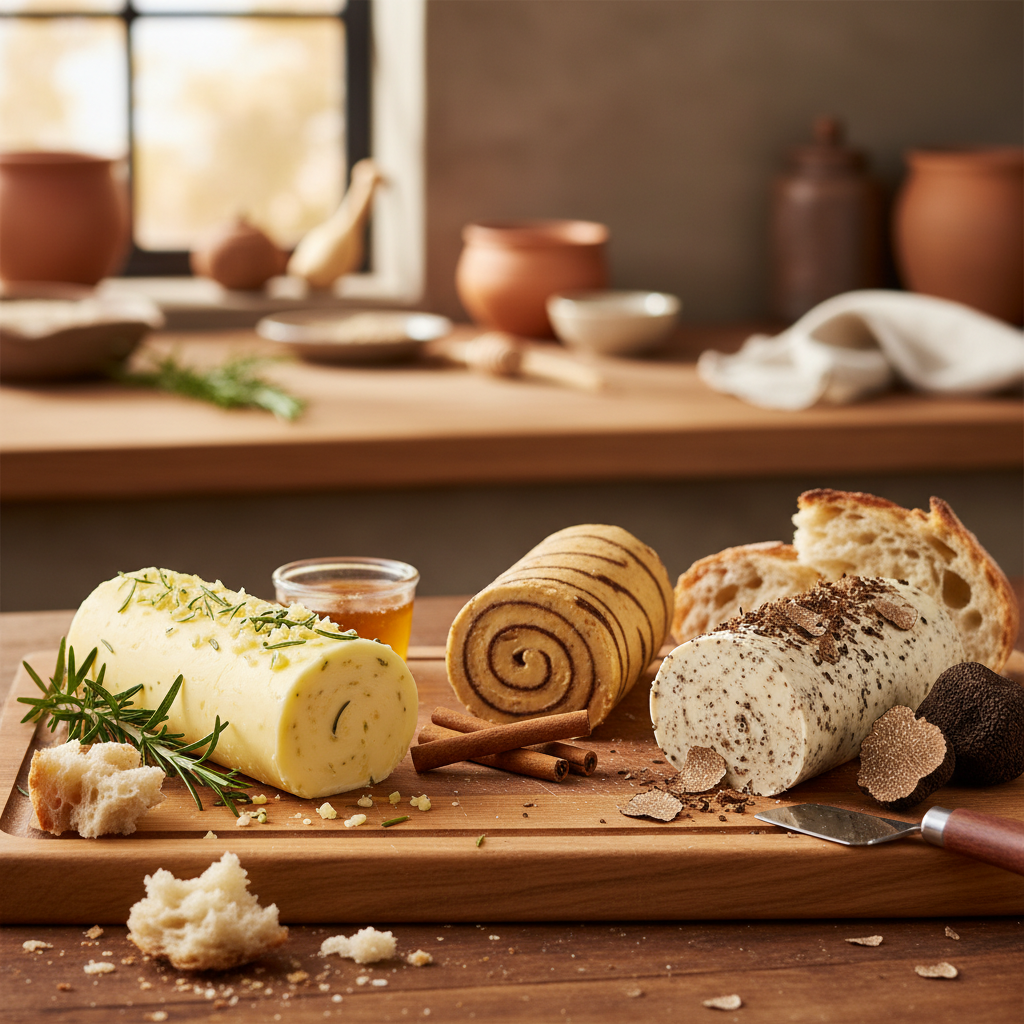
1. Roasted Garlic and Rosemary ( The “Steakhouse Standard”)
This sits at number one because it is the undisputed king of savory applications. If you have ever wondered why restaurant steaks taste better, this is usually the answer. The sweetness of slow-roasted garlic cuts through the rich fat, while rosemary adds piney, aromatic depth.
- Why it ranks #1: It is universally loved and incredibly versatile. You can put this on bread, potatoes, steak, or roasted chicken.
- Taste Profile: Umami-rich, slightly sweet from the garlic, with a herbaceous finish.
- Best Use: Melting over a ribeye straight off the grill.
2. Honey Cinnamon and Vanilla Bean
This is the ultimate breakfast upgrade. We found that using real vanilla bean paste rather than extract makes a massive difference here. The tiny black specks add visual appeal, and the flavor is cleaner. Vanilla butter and nut flavoring extracts can be used in a pinch, but real vanilla offers a floral complexity that synthetic flavorings miss.
- Why it ranks #2: It transforms cheap grocery store bagels into a gourmet experience.
- Taste Profile: Warm, sweet, and comforting. The cinnamon provides a slight spice kick that balances the sugar.
- Best Use: French toast, pancakes, or warm sweet potato biscuits.
3. Black Truffle and Sea Salt
Truffle is a polarizing ingredient, but when balanced correctly with sea salt, it creates a luxurious experience that feels expensive. During our testing, we found that many store bought truffle butters use synthetic oil. Making your own with truffle carpaccio or high quality oil yields a much subtler, earthier result.
- Why it ranks #3: High perceived value and intense aroma. A little goes a long way.
- Taste Profile: Earthy, musky, and salty. It hits the back of the palate hard.
- Best Use: Stirred into risotto or tossed with hot pasta.
4. Chili Lime and Cilantro
Inspired by Mexican street corn (elote), this combination brings acidity and heat to the fatty base. The lime zest is critical here; juice alone will make the butter curdle and separate. The zest carries the essential oils that perfume the butter without adding water.
- Why it ranks #4: It provides a necessary acid component that most butters lack.
- Taste Profile: Bright, zesty, and spicy. It wakes up the tongue.
- Best Use: Grilled corn on the cob or shrimp skewers.
5. Maple Pecan
This is essentially a deconstructed pie filling. Toasting the pecans before chopping them is non-negotiable it releases the nut oils and keeps them crunchy even when suspended in the fat. While you could use vanilla butter and nut flavoring to cheat, real maple syrup and roasted nuts provide a texture that artificial flavoring cannot replicate.
- Why it ranks #5: Texture. The crunch of the pecans against the smooth butter is satisfying.
- Taste Profile: Nutty, sweet, and woodsy.
- Best Use: Waffles or melted over baked oatmeal.
6. Lemon Dill and Capers
This is the seafood lover’s best friend. The brine from the capers adds a salty punch that complements the richness of salmon or trout perfectly. It’s lighter than the garlic variations and feels more appropriate for spring and summer dishes.
- Why it ranks #6: Specificity. It dominates the seafood category.
- Taste Profile: Briny, tart, and fresh.
- Best Use: Pan-seared salmon or grilled asparagus.
7. Smoky Paprika and Chipotle
For those who love BBQ but don’t want to fire up the smoker, this butter mimics that low-and-slow flavor profile. We used smoked paprika and chipotle powder to create a deep red compound butter that looks as intense as it tastes.
- Why it ranks #7: It adds “cooked” flavor to quick meals.
- Taste Profile: Smoky, spicy, and deep.
- Best Use: Rubbed under the skin of a roast chicken or melted on corn.
8. Miso Scallion
This Japanese-inspired fusion is gaining massive popularity. White miso paste is salty and funky (in a good way), adding a depth of savory flavor that salt alone can’t achieve. Mixed with fresh green onions, it creates an umami bomb.
- Why it ranks #8: It capitalizes on the global fusion trend and offers unique umami.
- Taste Profile: Salty, savory, and onion-forward.
- Best Use: Stirred into noodles or served on roasted eggplant.
9. Cranberry Orange
A holiday classic that deserves year-round attention. The tartness of dried cranberries breaks up the heavy fat, while orange zest adds a floral high note. It looks beautiful on a table and works well for festive occasions.
- Why it ranks #9: Visual appeal. The red and orange specks look festive and appetizing.
- Taste Profile: Sweet-tart and citrusy.
- Best Use: Turkey sandwiches or dinner rolls.
10. Parmesan and Basil (Pesto Butter)
Think of this as a solid form of pesto. It combines the salty bite of parmesan cheese with the freshness of basil. It is fantastic for garlic bread or melting over tomato soup.
- Why it ranks #10: Familiar comfort flavors that everyone enjoys.
- Taste Profile: Cheesy, herbaceous, and savory.
- Best Use: Finishing minestrone soup or spreading on baguette.
Essential Ingredients for the Perfect Batch
Creating these recipes requires understanding your ingredients. If you are making a sweet variation, you might consider using vanilla butter and nut flavoring to boost the aroma without adding volume. This is a common trick in commercial bakeries.
For savory applications, the type of salt matters. Use flaky sea salt for finishing butters (where you want a crunch) and fine kosher salt for cooking butters (where you want even distribution).
If you are vegan, swapping dairy for coconut oil butter flavored products works seamlessly in almost all these recipes, especially the sweet ones like Maple Pecan. The coconut undertone actually compliments the nuts.
Pro Tip: For popcorn, standard butter contains too much water and makes the kernels soggy. You need clarified butter or a specialized product. Butter flavoring for popcorn often sold as a seasoned salt or oil is designed to adhere to the kernel without dissolving it. Using a mix of butter flavored coconut oil and fine popcorn salt mimics the cinema experience perfectly.
Navigating Commercial Flavorings
Sometimes, you don’t want to make a compound butter from scratch; you just want the flavor. The market for flavored butter extracts and oils is vast.
Vanilla Butter and Nut Flavoring: This is a vintage staple often found in old community cookbooks. It provides a very specific, nostalgic “cake batter” aroma that is hard to replicate with natural ingredients alone. It is potent, so use it sparingly in frostings or cookies.
Butter Flavoring for Popcorn: As mentioned, this is usually a powder or oil. Look for brands that use turmeric or annatto for color rather than artificial yellow dyes if you prefer a cleaner label.
Butter Flavored Shortening: Brands like Crisco have dominated this space, but newer organic options are emerging. These are critical for vegan baking where you need the lift that shortening provides but miss the taste of butter.
Flavored Peanut Butter: This category has exploded. You can now find powdered peanut butter, whipped peanut butter, and peanut butters mixed with everything from cookie dough to protein powder. Even the pet industry is involved products like Dreambone real peanut butter flavored vegetable chews show just how much the “peanut butter” flavor profile drives purchasing decisions across all biological demographics.
Butter Flavored Coconut Oil: This is the unsung hero of the dairy-free world. It is solid at room temperature like butter, has a similar smoke point, and the flavoring covers the tropical coconut taste. It is excellent for frying eggs or making grilled cheese sandwiches.
Common Mistakes When Making Flavored Butter
I have ruined my fair share of butter batches. Here are the pitfalls you need to avoid so you don’t waste expensive ingredients.
1. Using Salted Butter as a Base:
Always start with unsalted butter. Different brands have different salt levels. If you use salted butter and then add salty ingredients like capers, miso, or parmesan, you lose control of the final flavor profile. You can always add salt, but you can never take it out.
2. Mixing into Cold Fat:
If your butter or butter flavored shortening is cold, the ingredients won’t incorporate evenly. You will end up with pockets of intense flavor and pockets of plain fat. Let your base reach room temperature (around 68°F) before mixing.
3. Ignoring Water Content:
Adding liquid ingredients like lemon juice, maple syrup, or hot sauce can cause the emulsion to break. The butter will look curdled and weep liquid. To fix this, whip the butter on high speed to force an emulsion, or use zest/extracts instead of juices.
4. Overheating Herbs:
If you pour hot melted butter over fresh herbs like basil or cilantro, they will turn brown and slimy. If you are making a melted dip, add the fresh herbs at the very end, just before serving, to preserve their bright green color and fresh flavor.
How to Store and Serve
Once you have made your flavored butter recipes, proper storage is key to maintaining freshness.
Rolling and chilling: The classic method is to spoon the soft butter onto a piece of parchment paper, roll it into a log, and twist the ends. Chill it in the fridge until firm. This allows you to slice off “coins” of butter for individual servings.
Freezing: Flavored butter freezes exceptionally well. I keep logs of Roasted Garlic and Rosemary butter in my freezer year-round. It lasts for up to 6 months without losing flavor quality.
Serving: For a dinner party, serve the butter at room temperature so it is spreadable. If you are serving it on top of a hot steak, place a cold slice on the meat just before it hits the table so it melts slowly as the guest eats.
For more inspiration on pairing these butters with specific dishes, check out our guide on flavor pairing principles.
Frequently Asked Questions
Q: Can I use margarine instead of butter for these recipes?
A: You can, but the flavor depth will decrease significantly. Margarine has a higher water content and an oilier finish. If you need a dairy-free option, a high-quality butter flavored coconut oil or a premium vegan butter block is a superior choice for texture and taste.
Q: How long does homemade flavored butter last in the fridge?
A: Generally, it lasts about two weeks. However, if you add fresh ingredients like garlic, shallots, or herbs, the shelf life shortens because the water activity in those vegetables can promote bacterial growth. For long-term storage, freezing is the safest option.
Q: Is butter flavoring for popcorn safe to use in baking?
A: Yes, but be careful with the salt content. Many popcorn flavorings are very salty. If you are using an oil-based flavoring, it works well. If it’s a salt-based powder, reduce the other salt in your recipe to compensate.
Q: What is the best flavored butter for steak?
A: The classic “Maître d’Hôtel” butter (parsley, lemon juice, salt, pepper) is traditional, but our Roasted Garlic and Rosemary (#1 in our ranking) offers a deeper, more robust flavor profile that stands up better to the char of grilled beef.
Q: Can I make sweet flavored butter with salted butter?
A: Yes, and it often tastes better! Salt enhances sweetness. A salted butter base works wonderfully for Honey Cinnamon or Maple Pecan recipes, creating that addictive “salted caramel” effect. Just taste as you go so it doesn’t become overwhelming.