The Ultimate Guide to Feel Free Drink: Benefits, Risks, and FAQs
Walk into almost any convenience store or supplement shop right now, and you will probably spot small, bright blue bottles sitting right near the cash register. People are buying them in bulk instead of their usual coffee, energy drinks, or even evening cocktails. You might be wondering what exactly is inside these popular little bottles.
If you are asking what is feel free drink, you are not alone. A Feel Free drink is a plant-based, non-alcoholic herbal beverage made by the company Botanic Tonics. It combines kava root extract and kratom leaf to create a liquid supplement. It is marketed as a wellness and productivity tonic designed to boost your mood, increase your energy, and provide a sense of calm without the jittery side effects of regular caffeine.
These feel free drinks have taken the wellness market by storm. People use them to replace alcohol at social events or to find focus during a long workday. Because we care deeply about what goes into your body and how things actually taste, we are breaking down everything you need to know about this specific product. We will look closely at the feel free drink ingredients, the sensory experience, and the real health risks you need to understand before taking a sip.
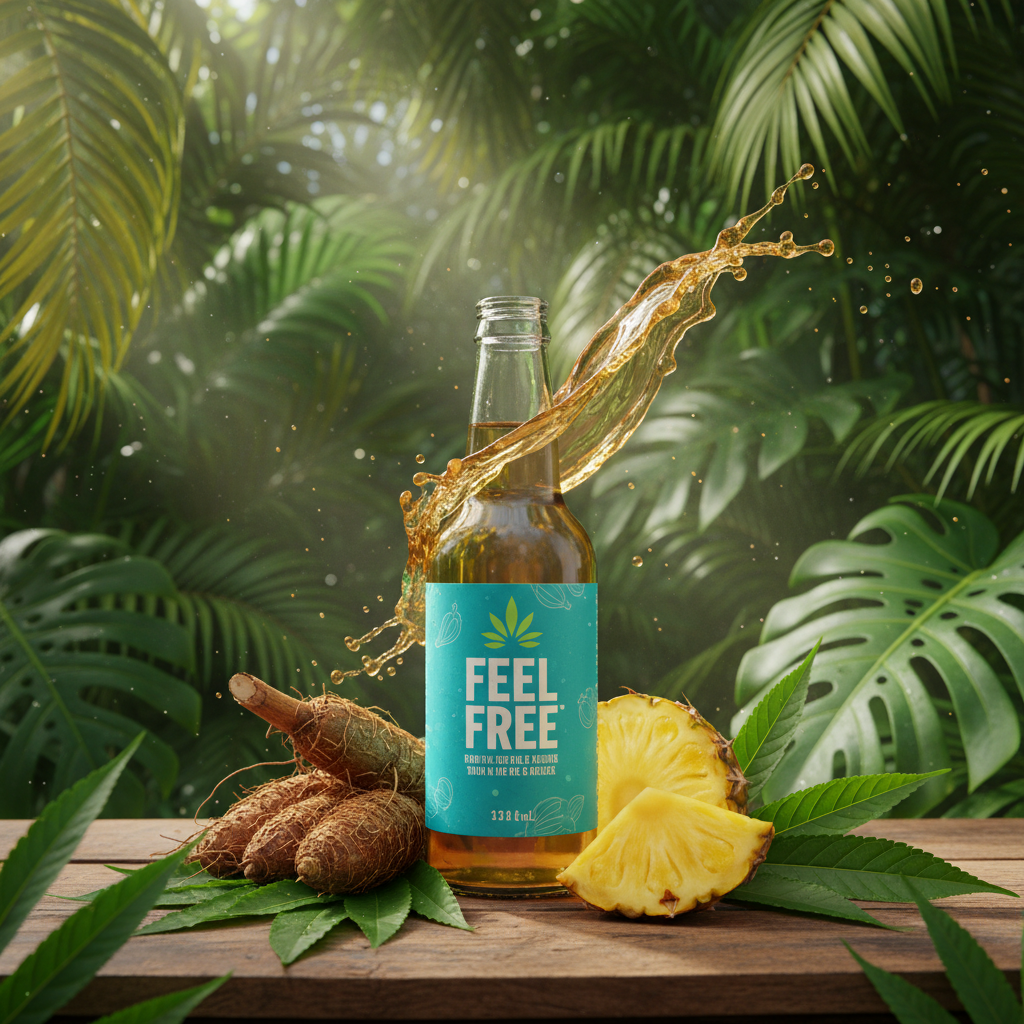
The Sensory Experience: What Does a Feel Free Drink Taste Like?
Since we focus heavily on flavor profiles, we have to talk about what happens when you actually drink this tonic. Plant-based tonics do not usually taste like a standard soda or fruit juice. When you unscrew the cap of a Feel Free drink, you immediately get a very earthy, herbal aroma. It smells like damp roots mixed with a faint hint of tropical fruit.
The texture is slightly thicker than water. It leaves a thin coating on your tongue. The initial flavor hits you with a strong, bitter earthiness. This comes directly from the kava and kratom extracts. These plants are notoriously harsh and astringent on the palate. To mask this intense bitterness, Botanic Tonics adds pineapple juice and stevia leaf extract.
The pineapple juice provides a quick splash of tart sweetness at the front of your mouth. The stevia leaves a lingering artificial sweetness at the back of your throat. Despite the fruit juice, the overwhelming flavor remains incredibly earthy and medicinal. Many users describe the taste as an acquired preference. Some people choose to mix the tonic with sparkling water or fresh citrus juice to make the strong flavor much more palatable.
A very distinct sensory reaction happens a few minutes after drinking it. Kava naturally contains compounds called kavalactones. These compounds create a mild numbing or tingling sensation on your lips and tongue. This is a completely normal reaction to kava and serves as an indicator that the root extract is active.
Breaking Down the Feel Free Drink Ingredients
To really understand how this product affects your body, you have to look closely at the feel free drink ingredients. The label lists a proprietary blend of plant extracts. Let us examine the two main active components.
Kava Root Extract
Kava is a plant native to the South Pacific islands. For centuries, Pacific Island cultures have ground the root into a ceremonial beverage. People consume it to promote relaxation and ease social anxiety. Kava interacts with the central nervous system to produce a calming, mildly euphoric effect. It slows down the racing thoughts in your brain without impairing your cognitive function.
Kratom Leaf
Kratom comes from a tropical tree native to Southeast Asia. This is where the product gets complicated. At very low doses, kratom acts as a mild stimulant. It gives people a burst of physical energy and sharpens their mental focus. At higher doses, kratom interacts with the exact same brain receptors as opioids. This creates pain relief and stronger euphoria.
The combination of these two plants is what makes the product so unique. The kava relaxes you while the kratom acts almost like a feel free energy drink. You get the physical stimulation of the kratom balanced out by the mental calmness of the kava.
Beyond the active plants, the feel free drink ingredients include water, pineapple juice, coconut sap, and stevia leaf extract. A standard bottle contains about 40 calories and 10 grams of carbohydrates.
The Perceived Benefits: Why Are People Reaching for Feel Free Drinks?
Consumers turn to feel free drinks for several specific reasons. Many people want a break from high-caffeine products. Traditional energy drinks often cause jitters, an elevated heart rate, and a harsh afternoon crash. Because this tonic uses plant extracts instead of synthetic caffeine, users often report a much smoother, sustained level of focus.
Another major draw is the alcohol replacement factor. The wellness space has seen a massive shift toward sober-curious lifestyles. People want a beverage that helps them relax and feel sociable at a party without dealing with a hangover the next day. The kava provides that social lubrication by lowering inhibitions and calming nerves.
Many office workers and creative professionals use it as a productivity tool. The low-dose kratom provides a clear-headed energy boost. Users say they can sit at their desks for hours, feeling motivated and completely dialed into their tasks. For these reasons, the product has built a very loyal following among entrepreneurs, athletes, and students.
Understanding the Risks: Is the Feel Free Energy Drink Safe?
We must look at the serious concerns surrounding this product. While the marketing leans heavily on words like “natural” and “plant-based,” natural does not always mean harmless. Health professionals and addiction specialists have raised significant red flags about the regular consumption of these tonics.
The biggest risk comes from the kratom. Because kratom binds to opioid receptors in the brain, it carries a very real risk of chemical dependency. People who consume kratom daily often develop a tolerance. This means they need to drink more bottles to achieve the exact same feeling of energy or calm.
When regular users try to stop drinking the tonic, they can experience severe withdrawal symptoms. Documented withdrawal effects include extreme anxiety, muscle body aches, insomnia, irritability, and intense cravings. Addiction treatment centers have reported a steady increase in patients seeking help specifically to detox from kratom-based products.
Kava also carries its own set of health warnings. Long-term, heavy consumption of kava has been linked to liver toxicity. Medical professionals strongly advise against mixing kava with alcohol or prescription medications because it puts excessive strain on the liver.
The FDA does not regulate kratom or kava products in the same way it regulates prescription drugs. This means the exact potency and purity of the plant extracts can sometimes vary. Several states and local municipalities have actually banned the sale of kratom entirely due to safety concerns. Anyone with a personal or family history of substance use disorder should strongly avoid using these tonics.
Ingredient and Effect Comparison
To help you understand how this tonic stacks up against other common beverages, we put together a clear comparison of ingredients and typical bodily effects.
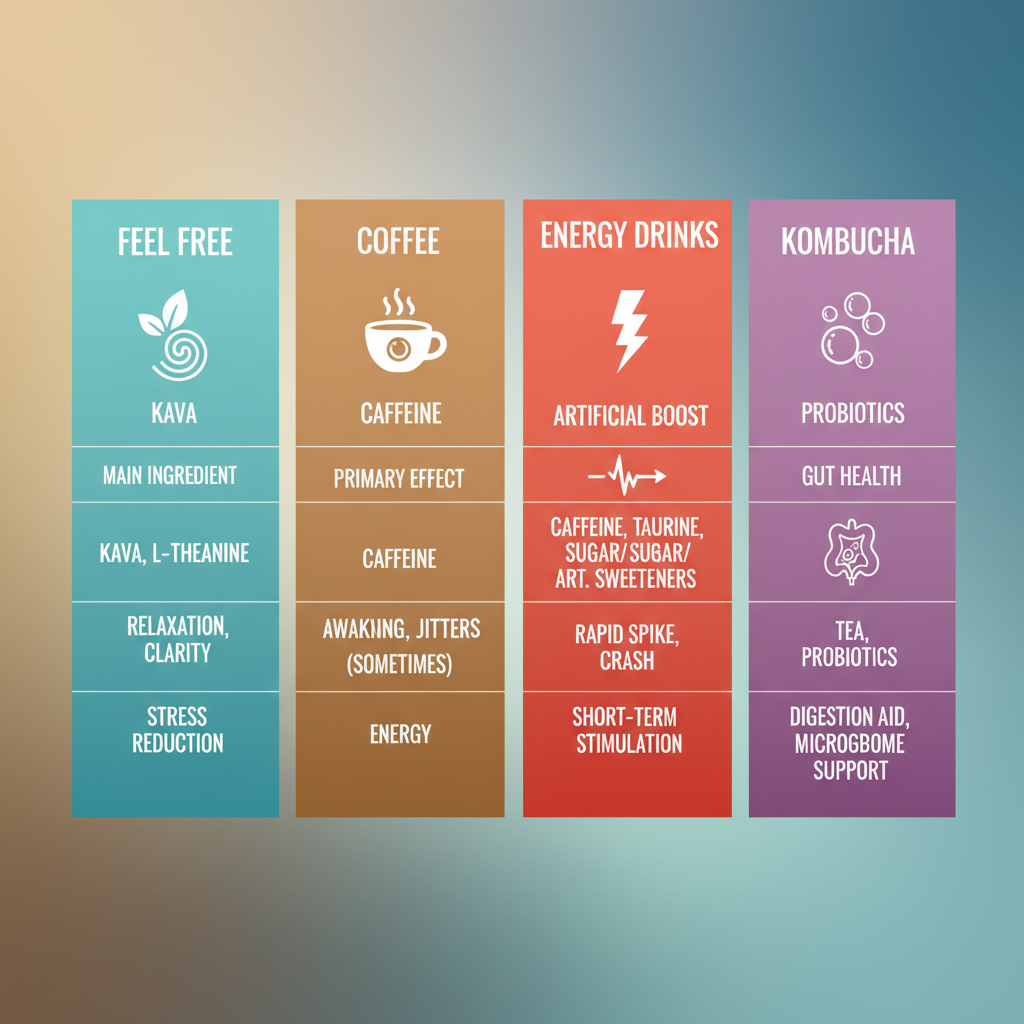
| Beverage Type | Active Ingredients | Primary Effect | Addiction Risk Level |
|---|---|---|---|
| Feel Free Drink | Kava Root, Kratom Leaf | Calm focus, mild euphoria | High (due to Kratom) |
| Standard Energy Drink | Caffeine, Taurine | Sharp physical energy, alertness | Moderate |
| Coffee | Natural Caffeine | Gradual energy, mental focus | Moderate |
| Kombucha | None (Probiotics) | Digestion support, hydration | None |
| Alcoholic Beer | Ethanol | Relaxation, lowered inhibition | High |
This table shows why people treat the tonic like a feel free energy drink. It provides a noticeable mental shift. You get the focus of coffee without the jitters, plus the relaxation of a beer without the alcohol. The trade-off is the much higher risk of developing a physical dependence on the kratom.
Making an Informed Choice About Your Beverages
Understanding what is feel free drink means looking past the bright blue bottle and the glossy marketing. You are dealing with powerful plant extracts that have very real effects on your brain chemistry.
The unique flavor profile of earthy bitterness mixed with pineapple sweetness makes it a highly specific sensory experience. The combination of kava and kratom definitely provides the promised feelings of relaxed energy and sharp focus. Many people use these tonics occasionally without any negative issues at all.

You simply have to respect the ingredients. Treat these feel free drinks with extreme caution. Limit your consumption, monitor how your body reacts, and never mix them with alcohol or medications.
If you love learning about the exact tastes, textures, and ingredients of the newest beverages on the market, we have plenty more insights for you. Head over to www.flavorsuggest.com to read our expert reviews on the latest flavor trends and functional drinks. We test everything so you know exactly what to expect before you buy.
Frequently Asked Questions
What is feel free drink?
A Feel Free drink is a non-alcoholic herbal supplement made by Botanic Tonics. It contains a blend of kava root extract and kratom leaf designed to boost mood, increase focus, and provide relaxation.
What are the main feel free drink ingredients?
The active ingredients are kava root extract and kratom leaf. The drink also contains water, pineapple juice, coconut sap, and stevia leaf extract to help mask the bitter taste of the plants.
Does a feel free drink contain alcohol?
No, these drinks are completely alcohol-free. Many people consume them specifically as an alternative to alcohol because they provide a relaxed, sociable feeling without causing a hangover.
Is the feel free energy drink safe to consume every day?
Medical professionals advise against daily consumption. The kratom inside the drink can lead to physical dependence, tolerance, and severe withdrawal symptoms if used continuously over time.
What does a Feel Free drink taste like?
It has a very strong, earthy, and medicinal flavor with a bitter aftertaste. The added pineapple juice and stevia provide a brief flash of sweetness, and the kava causes a mild numbing sensation on the tongue.
Can you get addicted to Feel Free drinks?
Yes, addiction is a documented risk. Kratom interacts with the opioid receptors in the brain, which can cause strong cravings and physical withdrawal symptoms when a regular user tries to quit.
Are Feel Free drinks regulated by the FDA?
The FDA does not approve kratom or kava for medicinal use. These drinks are sold as dietary supplements, meaning they are not subject to the same strict testing as prescription medications.
Will a Feel Free drink show up on a drug test?
Standard workplace drug panels do not typically test for kratom or kava. Specialized laboratory tests can detect kratom alkaloids, so check your specific employer policies regarding herbal supplements.
Who should completely avoid drinking Feel Free?
Anyone with a history of substance abuse, pregnant or nursing women, and people with liver conditions should avoid this drink. You should also never mix it with alcohol or psychiatric medications.
How many calories are in one bottle of Feel Free?
One standard 2-ounce bottle contains 40 calories. It also contains 10 grams of carbohydrates and 7 grams of total sugars derived mainly from the pineapple juice and coconut sap.