Inflamed Taste Bud Survival Guide: Why It Happens and How to Fix It Fast
You know the feeling. You are halfway through enjoying a perfectly spiced bowl of ramen or sipping your morning espresso when a sharp, localized sting halts you in your tracks. It feels massive like a crater on the tip of your tongue. You run to a mirror, expecting to see serious damage, but all you find is a tiny, red or white bump. You have an inflamed taste bud, and for something so small, it has an incredible ability to ruin your day.
Here at Flavorsuggest, our entire business model revolves around tasting. We spend hours analyzing acidity, mouthfeel, and flavor profiles. Palate fatigue is real, but nothing derails a tasting session faster than a swelled up taste bud. I have personally had to cancel reviews because a single irritated taste bud threw off my ability to detect subtle notes in a dark chocolate flight.
It is a universal annoyance, yet finding reliable information that isn’t just WebMD scary-talk is surprisingly hard. Over the years, I have become somewhat of an accidental expert on what causes inflamed taste buds and, more importantly, how to soothe them so I can get back to eating.
This isn’t just medical theory; this is practical, trenches-level advice for anyone who uses their mouth to enjoy life. Here is the definitive guide on tackling that swollen taste bud.
The Anatomy of an Irritated Taste Bud
To fix the problem, you have to understand the machinery. Your tongue is covered in papillae those tiny textured bumps that house your taste sensors. Usually, they regenerate every 10 to 14 days without you noticing. But sometimes, the system jams.
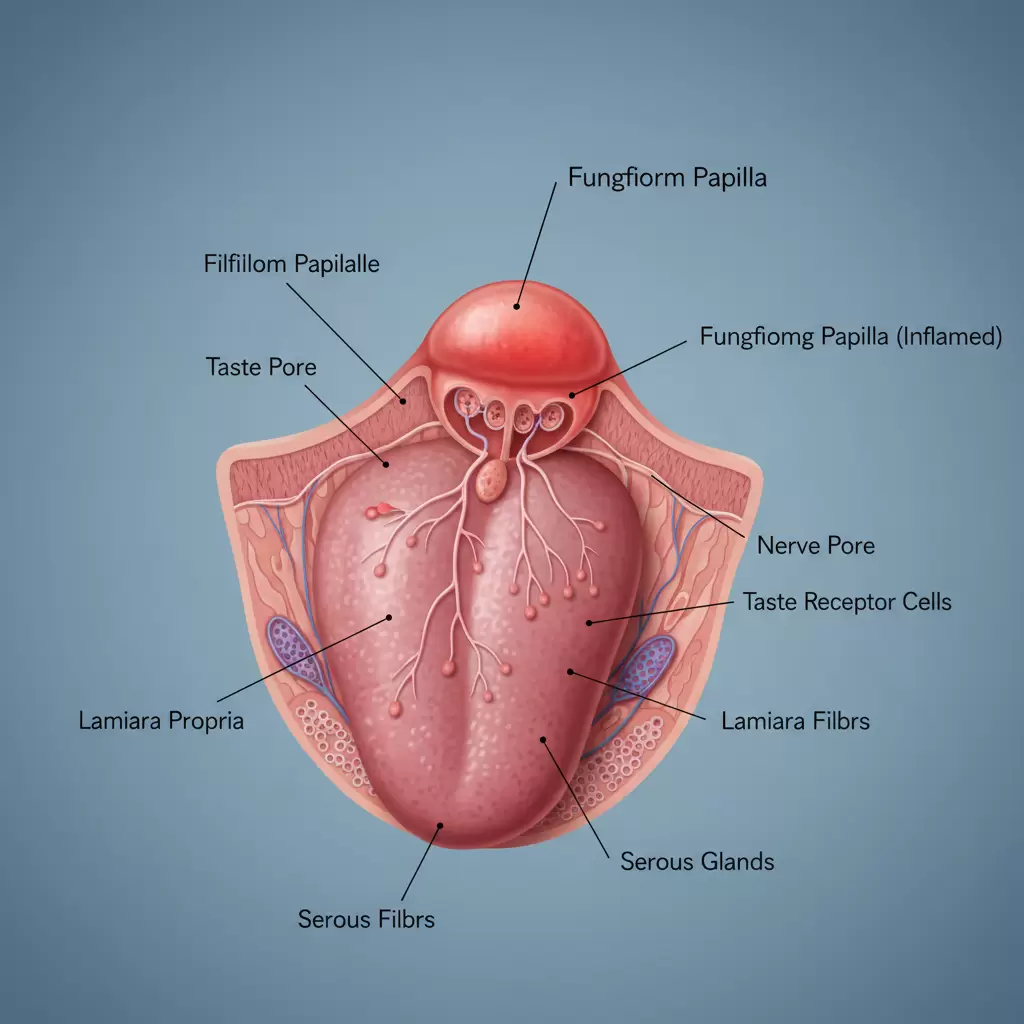
When you have an inflamed taste bud, medically known as transient lingual papillitis, one of those papillae has become aggravated. It swells up, trapping fluid and putting pressure on the nerve endings inside. That is why a bump the size of a poppy seed feels like a boulder.
Identifying a swelled up taste bud is usually straightforward. It is typically solitary (though sometimes they come in clusters), white or red, and extremely sensitive to touch, heat, and acidic foods. Unlike a canker sore, which is an ulcer in the tissue, an irritated taste bud is a raised projection of the tissue.
If you are constantly asking what causes inflamed taste buds, you are likely looking for a pattern in your lifestyle. The tongue is a resilient muscle, but it is also a sensitive mucous membrane that reacts immediately to stress, whether physical or chemical.
What Causes Inflamed Taste Buds? Identifying Your Triggers
In my experience analyzing food and oral sensory reception, I have found that pinpointing what causes inflamed taste buds often requires looking at the last 24 hours of your diet and habits. It is rarely a mystery; it is usually a direct cause-and-effect relationship. According to the Cleveland Clinic notes that irritation can stem from everyday habits, diet, or stress (source)
1. The Friction Factor (Physical Trauma)
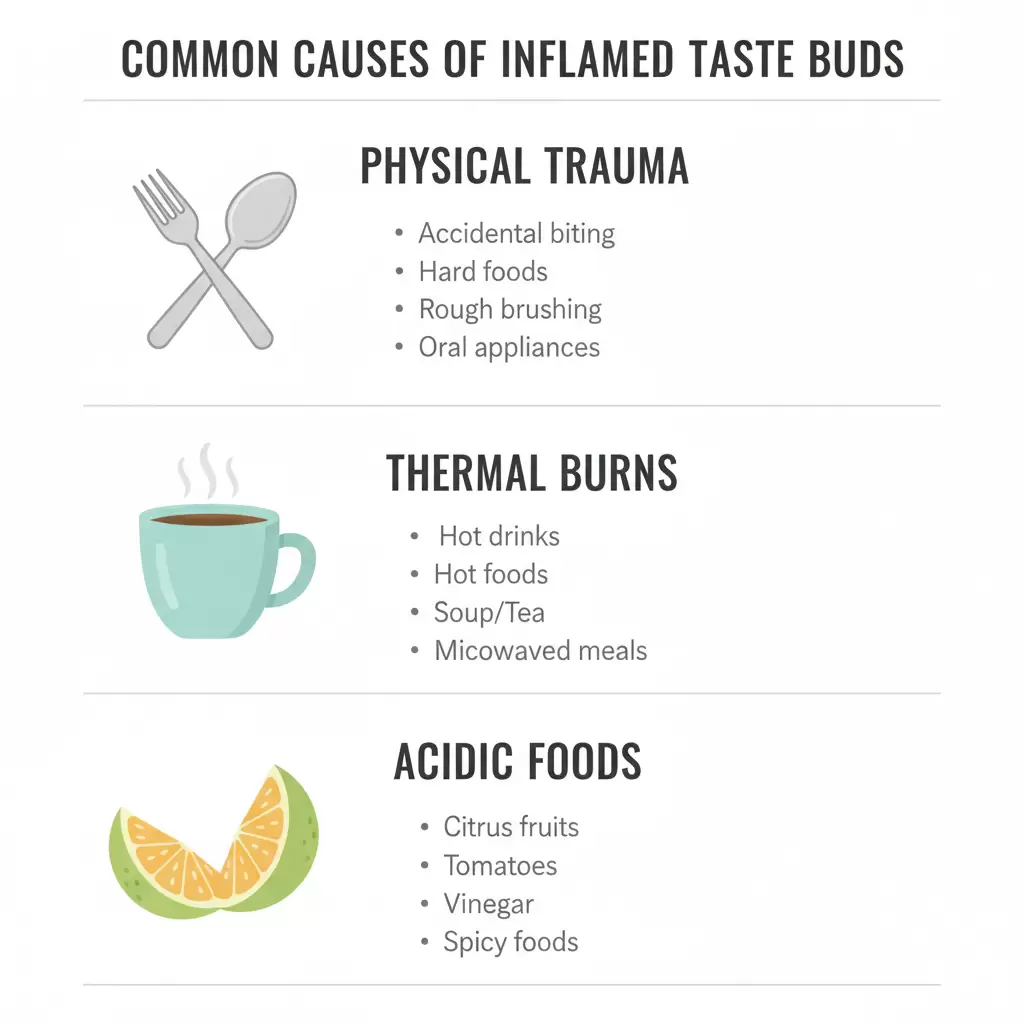
This is the most common culprit. Did you scrape your tongue against a sharp tooth? Did you go to town on a bag of extra-crunchy kettle chips? Physical abrasion strips the protective mucosal layer off the papillae. Once that layer is gone, the sensor underneath is exposed. The body responds by sending blood to the area, resulting in a swollen taste bud. A review published by the Mayo Clinic highlights that accidental bites or burns are frequent causes of swollen and irritated taste buds.
2. The Thermal Shock
We have all done it—sipped the soup before it cooled. A minor thermal burn doesn’t always blister the whole tongue; sometimes it just singes a few specific sensors. The heat damage triggers an inflammatory response, leaving you with an inflamed taste bud that feels like it’s pulsing.
3. The Acid/Spice Assault
High-acid foods are a major trigger. I once did a comparative review of sour gummy candies and woke up with three inflamed taste buds the next morning. The citric and malic acids chemically burned the tissue. Similarly, spicy foods containing capsaicin can overstimulate the receptors. If you are prone to getting a swelled up taste bud, look at your consumption of pineapples, tomatoes, and hot sauce. The Cleveland Clinic notes that acidic and spicy ingredients are among the most frequent suspects (see their guide).
4. The Stress Connection
This is the one people overlook. Stress compromises your immune system. When your defenses are down, your body’s inflammatory response goes haywire. If you are asking what causes inflamed taste buds during a stressful week at work, the stress itself is likely the answer.
5. Oral Hygiene Reactions
Sometimes the cure is the cause. Certain toothpastes containing sodium lauryl sulfate (SLS) or harsh alcohol-based mouthwashes can strip the mouth of its natural biome, leading to an irritated taste bud.
Table 1: The Culprit Comparison Matrix
| Trigger Category | Specific Agitators | Onset Time | Pain Type | Recovery Expectation |
|---|---|---|---|---|
| Physical | Chips, crusty bread, biting | Immediate to 4 hours | Sharp, stabbing | 2-3 Days |
| Thermal | Coffee, pizza cheese, soup | Immediate | Burning, throbbing | 4-5 Days |
| Chemical | Sour candy, pineapple, SLS | 6-12 hours | Stinging, raw | 1-2 Days |
| Systemic | Stress, lack of sleep | 12-24 hours | Dull ache, tenderness | 3-7 Days |
How Do You Get Rid of Inflamed Taste Buds? Top 10 Remedies Ranked
When the pain hits, you don’t care about the science you just want to know how do you get rid of inflamed taste buds quickly. I have tested virtually every remedy in the book. Some are old wives’ tales, but others genuinely work.
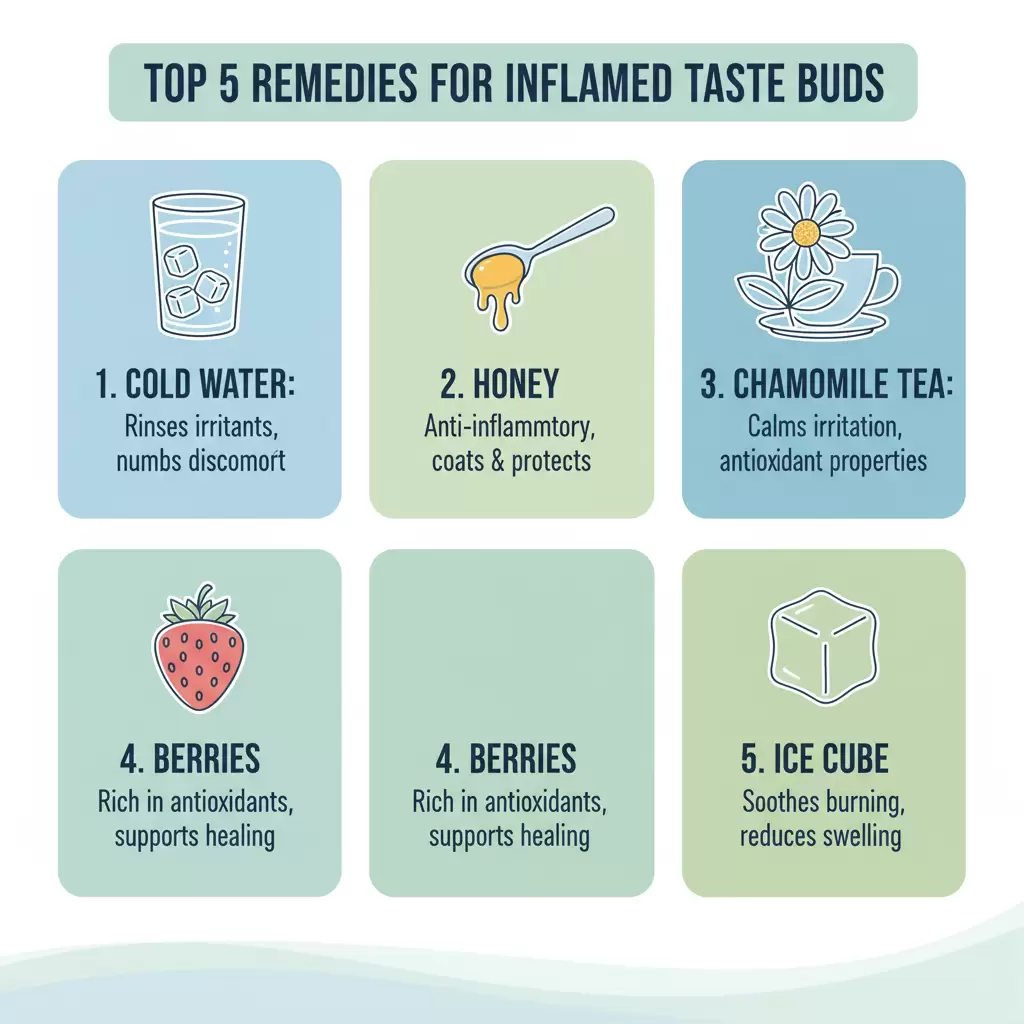
Below is my ranking of the top 10 remedies. I have ranked these not just by medical efficacy, but by “palate restoration” how fast they get you back to tasting food normally.
1. The Warm Salt Water Rinse
Rank: #1
Why it works: It is simple, cheap, and biologically sound. Salt is hypertonic, meaning it draws water out of cells through osmosis. When you have a swollen taste bud, it is full of excess fluid. Salt water pulls that fluid out, reducing the pressure on the nerve. It also neutralizes the pH of your mouth, creating an environment where bacteria struggle to survive.
The Experience: It is not the tastiest remedy, but the relief is almost instant. The stinging subsides within minutes of swishing.
Usage: Dissolve 1 teaspoon of sea salt in warm (not hot) water. Swish for 30 seconds. Repeat 3-4 times a day. Do not swallow.
2. The Ice Cube Numb
Rank: #2
Why it works: This is pure physics. Cold constricts blood vessels (vasoconstriction). By reducing blood flow to the inflamed taste bud, you reduce the swelling and numb the pain signal sent to the brain.
The Experience: It offers immediate respite from the throbbing. If you have burned your tongue, this is the only option that matters.
Usage: Don’t rub the ice. Place a chip of ice directly on the swelled up taste bud and let it melt. Repeat as necessary.
3. Manuka Honey Application
Rank: #3
Why it works: Honey is a humectant and has natural antibacterial properties. Manuka honey, specifically, has high levels of methylglyoxal, which aids healing. The thick viscosity coats the irritated taste bud, protecting it from air and teeth friction.
The Experience: It is the best-tasting remedy on the list. The coating sensation provides a physical barrier that feels incredibly soothing against a raw tongue.
Usage: Dab a small amount directly onto the bump. Try to keep your tongue still and avoid swallowing the honey for at least a minute.
4. Baking Soda Paste
Rank: #4
Why it works: Baking soda (sodium bicarbonate) is alkaline. If your inflamed taste bud was caused by acidic foods (like that sour candy binge), this neutralizes the leftover acid immediately. It also acts as a gentle anti-inflammatory.
The Experience: The texture is gritty and the taste is salty-bitter, which isn’t pleasant. However, the reduction in that “stinging” sensation is worth the bad taste.
Usage: Mix a pinch of baking soda with a few drops of water to make a paste. Apply to the spot. Leave for a minute, then rinse.
5. Aloe Vera Rinse
Rank: #5
Why it works: You put aloe on a sunburn because it speeds up cell turnover and soothes inflammation. It does the exact same thing for a swollen taste bud. It cools the area and hydrates the tissue.
The Experience: Be sure to use food-grade aloe juice, not the green gel meant for skin. It has a mild, vegetal taste but feels very cooling on a hot, throbbing tongue.
Usage: Swish with natural aloe vera juice several times a day.
6. The Dairy Coat (Yogurt/Milk)
Rank: #6
Why it works: Dairy contains casein and fats that can neutralize capsaicin (if spice is the cause) and coat the mouth. Cold yogurt offers a double benefit: thermal cooling and a probiotic boost to balance oral bacteria.
The Experience: Eating a bowl of yogurt is a pleasant way to treat an inflamed taste bud. It feels like a texture break for your mouth.
Usage: Eat a cup of plain, unsweetened Greek yogurt. Let it sit in your mouth for a few seconds before swallowing.
7. Oral Anesthetic Gels (Benzocaine)
Rank: #7
Why it works: Products like Anbesol contain benzocaine, which temporarily paralyzes the nerve endings. It stops the pain of an irritated taste bud completely, but only for about 20 minutes.
The Experience: It works, but it numbs everything it touches. You might drool, and you certainly won’t be able to taste your food properly. It solves the pain but hampers the function.
Usage: Use sparingly before a meal if the pain is preventing you from eating.
8. Chamomile Tea
Rank: #8
Why it works: Chamomile contains bisabolol and levomenol, compounds known to reduce inflammation. It is a gentle way to treat a swelled up taste bud without harsh chemicals.
The Experience: It is relaxing and mild. While it won’t numb the pain like ice, it reduces the overall redness and irritation over time.
Usage: Brew it strong, let it cool to room temperature, and use it as a mouthwash.
9. Hydration Bombing
Rank: #9
Why it works: A dry mouth is a breeding ground for irritation. Saliva is your mouth’s natural defense mechanism; it contains enzymes that repair tissue. Drinking water ensures your saliva production is optimal to heal the inflamed taste bud.
The Experience: It is basic, but essential. You will notice the pain gets sharper when your mouth is dry.
Usage: Drink at least 3 liters of water a day until it heals.
10. The Vitamin B Complex Boost
Rank: #10
Why it works: This is the long game. Chronic issues with inflamed taste buds are often linked to Vitamin B deficiencies. Taking a supplement helps fortify the tongue’s mucosal lining against future damage.
The Experience: You won’t feel relief today, but you will notice fewer bumps next month.
Usage: Take a high-quality B-complex supplement daily.
Data Visualization: Remedy Effectiveness vs. Speed
Below is a quick-reference grid showing how each remedy balances speed of relief with overall effectiveness. Remedies in the top-right offer the best mix of fast and lasting results. Use this as a guide to match your needs: instant pain reduction, long-term healing, or both.
| Remedy | Speed of Relief | Lasting Effectiveness | Best Use Case |
|---|---|---|---|
| Anesthetic Gel | Instant | Short-term | Severe, short tasks/meals |
| Ice Cube | Very Fast | Short-term | Burned or throbbing spots |
| Salt Water Rinse | Fast | Long-term | Overall healing & hygiene |
| Honey | Moderate | Long-term | Ongoing protection |
| Baking Soda Paste | Fast | Moderate | Acid food irritation |
| Aloe Vera | Moderate | Long-term | Ongoing inflammation |
| Dairy (Yogurt/Milk) | Moderate | Short-term | Spice or capsaicin relief |
| Chamomile Tea | Slow | Moderate | General inflammation |
| Hydration | Gradual | Long-term | Prevention & healing |
| Vitamin B Complex | Very Slow | Prevention | Recurrent flare-ups |
Quick Insights:
- For instant pain, anesthetic gels and ice cubes work fastest, but their effect is brief.
- Salt water rinses and honey coat the area, reduce bacteria, and encourage lasting healing.
- Remedies like vitamin B boost and daily hydration support recovery over time, not immediately.
This format helps you decide which solution matches your symptoms and your timeline—whether you want quick relief before a big meal or to speed up overall recovery.
Distinguishing the Danger: Is it Just a Swollen Taste Bud?
One of the most common anxieties people have is whether that bump is something more sinister. I have spent enough time reading pathology papers to know the difference is usually clear.
A standard swollen taste bud (transient lingual papillitis) comes on fast and leaves fast. It hurts, but the pain is “sharp” and surface-level.
If you are seeing white patches that wipe off (thrush), deep craters (canker sores), or a lump that is hard, painless, and doesn’t go away after two weeks, that is not an inflamed taste bud. That is a doctor appointment.
Specifically, look for “eruptive lingual papillitis.” This is when a whole family or group of people gets inflamed taste buds at the same time. It sounds strange, but it is viral and contagious. If you and your spouse both wake up with a swelled up taste bud, it’s likely a mild virus passing through the household.
Prevention: Saving Your Palate for the Good Stuff
Knowing how do you get rid of inflamed taste buds is great, but never getting them is better. If you take your tasting seriously, you need to protect your assets.
Through trial and error, I have developed a routine to minimize these flare-ups. First, I stopped using “whitening” toothpastes. They are abrasive and chemically harsh. Switching to a sensitive formula reduced my irritated taste bud occurrences by half.
Second, I hydrate aggressively during tastings. If I am tasting wine (high acid/alcohol) or hot sauce, I drink equal parts water. This rinses the irritant off the papillae immediately, preventing the chemical burn that leads to a swollen taste bud.
Finally, manage your stress. I know, easier said than done. But I have tracked my own data, and the correlation between sleep deprivation and waking up with an inflamed taste bud is undeniable. Your mouth is often the first place your body shows signs of exhaustion.
Conclusion
An inflamed taste bud is a tiny injury with a massive impact. It ruins meals, distracts you from work, and makes you generally miserable. But it is not a mystery. It is usually a sign that you have either physically battered your tongue or your immune system is asking for a break.
The next time you look in the mirror and see that angry red bump, don’t panic. You know exactly what causes inflamed taste buds now. Grab the salt, grab the ice, and give your mouth a rest. Your palate will bounce back, usually within 48 hours, ready for the next flavor experience.
Until then, maybe lay off the sour gummies.
Frequently Asked Questions (FAQ)
Q: How do you get rid of inflamed taste buds overnight?
A: While total healing overnight is rare, you can significantly reduce the pain and size. Use a warm salt water rinse before bed to draw out fluid, followed by a dab of honey to coat the area while you sleep. Avoid any acidic beverages and ensure you sleep well to boost immune response.
Q: What causes inflamed taste buds to appear suddenly?
A: Sudden onset usually points to physical trauma or a reaction to a specific food. If you bit your tongue, ate something extremely hot (temperature or spice), or consumed high-acid foods like pineapple within the last 12 hours, that is likely the cause of the swollen taste bud.
Q: Are inflamed taste buds contagious?
A: Generally, no. A standard inflamed taste bud caused by trauma or food is not contagious. However, “eruptive lingual papillitis” is a specific viral form that can spread between people, though this is much less common than the standard irritation.
Q: How long does a swollen taste bud last?
A: Most cases of an irritated taste bud resolve on their own within 2 to 4 days. If the irritation persists longer than two weeks without signs of improvement, it is advisable to consult a dentist or doctor to rule out other conditions.
Q: Can stress cause a swelled up taste bud?
A: Yes, absolutely. Stress weakens your immune system and increases inflammation throughout the body. Many people report developing “lie bumps” (the old nickname for them) specifically during periods of high anxiety, lack of sleep, or illness.
Q: Is it safe to pop an inflamed taste bud?
A: No, never try to pop or cut off an inflamed taste bud. Unlike a pimple, this is living tissue containing nerve endings. Attempting to remove it will cause extreme pain, significant bleeding, and a high risk of deep infection that will last much longer than the original bump.


![Nika Food: Fresh Dog Food Delivery [2026 Guide]](https://flavorsuggest.com/wp-content/uploads/2026/02/image-46-768x768.png)