The Definitive Ranking of Top 10 Gelato Flavors You Must Try
I remember standing in a small shop near the Arno river in Florence, completely overwhelmed. The display case looked like a jewelry box had exploded. There were mounds of neon green, peaks of deep red, and swirls of white. I pointed at a bright blue tub because it looked fun. The old man behind the counter frowned. He shook his head slightly and pointed instead at a pale, dusty green tub that looked almost boring. He handed me a spoon. I tasted it, and my understanding of food shifted in an instant. That was my first lesson in Italian gelato. Real flavor does not scream. It whispers.

Choosing the right scoop matters because a bad choice ruins the experience. You might think choosing between chocolate and vanilla is hard enough. Then you walk into a gelateria and face thirty options. It gets confusing. You want to order like a local, but the names are foreign and the colors are distracting. This guide cuts through the noise. We are looking at the best gelato flavors based on tradition, taste profile, and authenticity. We are not just listing them. We are ranking them based on which ones offer the most genuine experience.
1. Pistacchio (The Truth Teller)
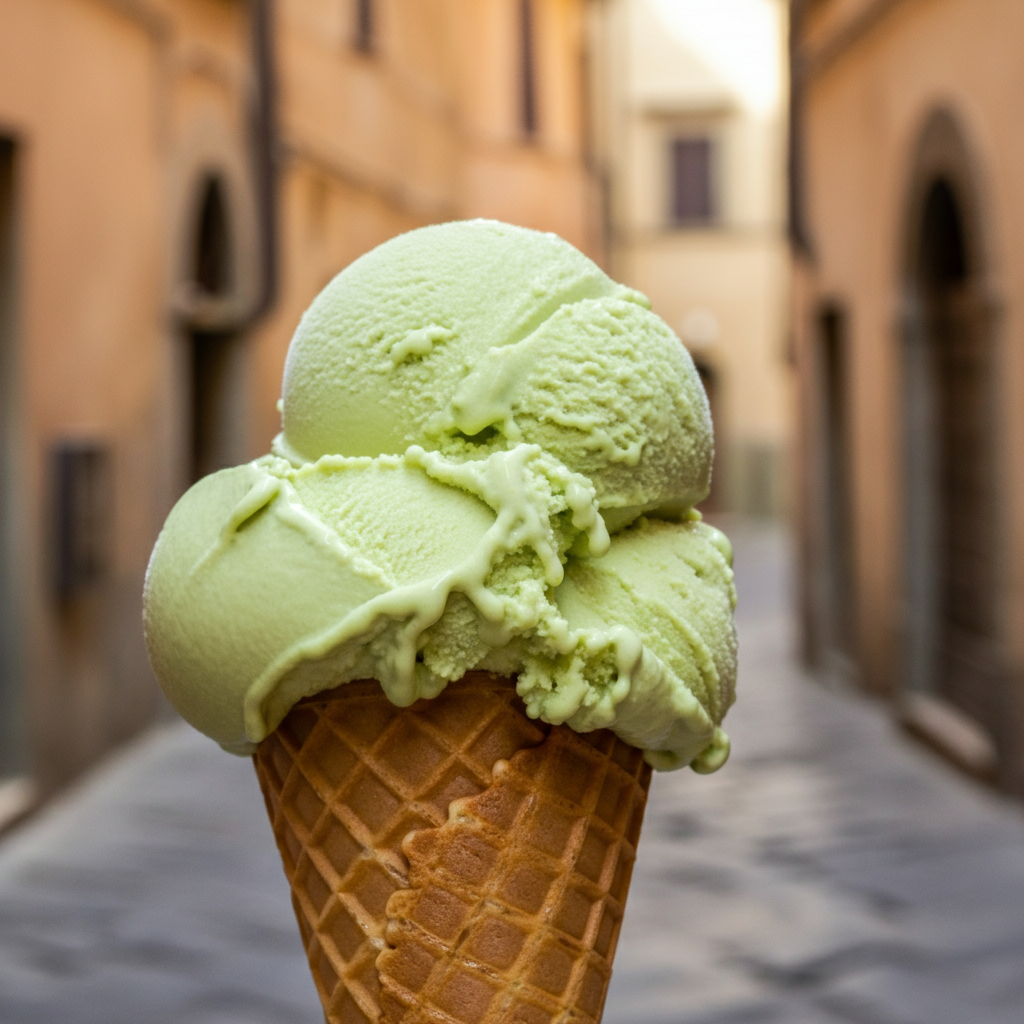
This is the king of the cabinet. Pistacchio sits at number one because it is the ultimate lie detector test for any gelato shop. If you want to know if a gelateria is high quality, you look at the Pistacchio first. You are looking for a specific visual cue here. It should be a pale, dusty, army green. If the color looks like a bright green crayon or a cartoon lawn, walk away. That brightness means artificial coloring and likely artificial flavoring.
The taste profile of authentic Pistacchio is complex. It is not just sweet. It carries a heavy, roasted nuttiness that borders on savory. It tastes like the actual nut, ground down into a paste and folded into a milk base. The texture should be dense. You might find small bits of the nut shell or skin in there, which adds a pleasant grit to the smoothness. When you explore different gelato flavors, Pistacchio stands out because it relies entirely on the quality of the raw ingredient. The best versions use pistachios from Bronte in Sicily, which grow in volcanic soil. This soil gives the nut an intensity you cannot find elsewhere. When you eat this, you are tasting the earth and the sun of Sicily, suspended in cream. It commands respect.
2. Nocciola (The Hazelnut Standard)
If Pistacchio is the king, Nocciola is the crown prince. Hazelnut gelato is an obsession in Italy, and for good reason. It is the precursor to spreads like Nutella, but in gelato form, it is far more sophisticated. This flavor is incredibly rich. It coats your tongue in a way that fruit flavors simply cannot. The primary ingredient here should be roasted hazelnuts, ideally from the Piedmont region in northern Italy. These nuts have a high oil content, which translates to a creamy texture that feels almost buttery.
You should order Nocciola if you appreciate deep, toasted notes. It pairs beautifully with chocolate, but it is strong enough to stand on its own. A great Nocciola is not overly sugary. The sugar is there only to amplify the natural oils of the nut. When tasting different gelato flavors, you will notice that nut based options like this one are often kept in covered metal tins (pozzetti) in the very best shops. This protects the delicate oils from light and air. The flavor profile is warm and comforting. It tastes like autumn. It is smooth, velvety, and lingers on the palate long after you have finished the cone. It is a masterclass in subtlety and richness combined.
3. Stracciatella (The Elegant Classic)
Stracciatella is often mistranslated or misunderstood by Americans as “chocolate chip,” but that description does it a disservice. It is much more elegant than that. The name comes from the Italian word “stracciare,” which means to shred or tear. To make this flavor, the gelato maker starts with a pure, white fior di latte base. As the gelato churns, they drizzle a thin stream of warm, melted dark chocolate into the freezing mixture. The cold gelato instantly hardens the chocolate, and the churning blades shatter it into irregular shards.
The result is a texture experience that uniform chocolate chips cannot match. You get tiny flecks of chocolate that melt instantly, mixed with larger, crunchy shards that require chewing. The base is sweet and creamy, providing a blank canvas for the slightly bitter, high quality dark chocolate. It is a study in contrasts. Smooth and crunchy. Sweet and bitter. Cold and melting. Among all traditional gelato flavors, Stracciatella is perhaps the most universally loved because it pleases everyone without being boring. It is simple, yes, but executing it perfectly requires high quality milk and excellent chocolate. There is nowhere to hide poor ingredients in a scoop of Stracciatella.
4. Limone (The Palate Cleanser)
When the summer heat hits the cobblestones, nothing competes with Limone. This is usually a sorbetto, meaning it is made with water, sugar, and fruit juice, rather than dairy. Do not let the lack of milk fool you. The texture of a well made Limone is incredibly smooth, almost creamy, due to the sugar structure and churning process. This is the sharpest tool in the box. It is acidic, bright, and intensely refreshing.
In Southern Italy, particularly around the Amalfi Coast and Sicily, lemons are grown with thick rinds and sweet flesh. The gelato captures this perfume. It should taste like biting into a fresh lemon, but without the face twisting sourness. The balance of sugar is critical here. Too much sugar and it becomes a sticky syrup. Too little and it is just frozen lemon juice. The perfect Limone walks that tightrope. It is often consumed as a palate cleanser or even a digestive aid after a heavy meal. Unlike heavier cream based gelato flavors, Limone leaves you feeling lighter. It wakes up your mouth. If you see it served in a hollowed out lemon skin, that is a nice touch, but the flavor inside is what counts. It should be white or translucent yellow, never neon yellow.
5. Cioccolato Fondente (The Dark Intensity)
For the serious chocolate lover, there is only Cioccolato Fondente. This is dark chocolate, often extra noir. Like Limone, the best versions of dark chocolate gelato are often made without dairy. They use water as the liquid base to ensure the chocolate flavor is not diluted or softened by milk fats. This results in a flavor that is pure, unadulterated cocoa. It hits hard.
The color should be almost black or a very deep brown. The texture is dense and fudge like. When you take a bite, you should taste the bitterness of the cocoa bean first, followed by the sweetness, and finishing with fruity or roasted notes depending on the chocolate origin. It is intense. Many people cannot eat a whole large cone of just Fondente because it is so rich. It pairs exceptionally well with fruit flavors like raspberry or orange, or with a scoop of fior di latte to cut the intensity. While milk chocolate (cioccolato al latte) appeals to children, Fondente is for the adult palate. It respects the ingredient. Among the darker gelato flavors, this one requires the most skill to balance the bitterness with the texture.
6. Fior di Latte (The Pure Base)
Fior di Latte translates literally to “flower of milk.” It is the most basic, yet arguably the most critical flavor in any gelateria. It is made with nothing but milk, cream, and sugar. No vanilla. No eggs. No flavorings. It is the foundation upon which the house is built. Because it has no added flavor to mask imperfections, the quality of the dairy is everything.
If the milk is average, the Fior di Latte will be boring. If the milk is exceptional, sourced from high quality local herds, this flavor is transcendent. It tastes clean, sweet, and fresh. It should taste like the best glass of milk you have ever had, concentrated into a frozen form. It is the “white shirt” of gelato. It goes with everything. You can pair it with fruit, with chocolate, or with nuts. It enhances whatever it touches. Many purists judge a shop solely by this flavor. If they care enough to source premium milk for their Fior di Latte, you can trust the rest of their gelato flavors. It has a lighter, fluffier texture than the nut pastes and is incredibly refreshing in its simplicity.
7. Fragola (The Strawberry Field)
Strawberry gelato is a revelation for anyone used to the artificial pink ice cream found in supermarkets. Authentic Fragola is usually a sorbetto, though creamy versions exist. The sorbetto version packs a punch of fruit that is hard to believe. It is made with fresh, ripe strawberries, sugar, and water. That is it. The result feels less like a frozen dessert and more like you are eating the soul of the fruit.
The color should be a muted, natural red, perhaps with some visible seeds. It should not be bright hot pink. The flavor profile captures both the sweetness and the slight acidity of the berry. You can taste the freshness. In the height of spring when strawberries are in season, this flavor is unbeatable. The texture is smooth but with a little body from the fruit pulp. It represents a specific category of gelato flavors that rely on seasonal availability. A good shop might not have Fragola in the dead of winter, and that is a good sign. It means they are following the seasons.
8. Bacio (The Romantic Choice)
Bacio means “kiss” in Italian. This flavor is inspired by the famous Perugina chocolates from the Umbria region. It is a marriage of chocolate and hazelnuts, but distinct from Nocciola or plain chocolate. While Nocciola is smooth, Bacio usually has a texture to it. It is a milk chocolate and hazelnut base mixed with chopped pieces of hazelnuts.
It is sweet, crunchy, and indulgent. It tastes like a high end candy bar deconstructed into a frozen treat. The crunch of the chopped hazelnuts against the smooth chocolate cream provides a satisfying mouthfeel. This is a comfort flavor. It is hugely popular in Italy and serves as a sweeter, friendlier alternative to the dark Fondente. If you enjoy texture in your dessert, this is the one to pick. It connects you to Italian pop culture and history, as the Bacio chocolate is an icon of Italian romance. It occupies a special place among gelato flavors as a tribute to a specific confection.
9. Zabaione (The Boozy Custard)
Zabaione (or Zabaglione) is an old school classic that has fallen out of favor with the younger crowd but remains a masterpiece. It is based on a dessert made of egg yolks, sugar, and sweet Marsala wine. The gelato version captures this richness perfectly. It is yellow from the egg yolks and carries a distinct, boozy kick from the wine.
This is a heavy, savory sweet flavor. It is custard like and very creamy. The taste of the Marsala wine is unique. It is akin to sherry or port, bringing notes of dried fruit and caramel to the mix. It pairs beautifully with coffee flavors or simple chocolate. Eating Zabaione feels like stepping back in time. It is a flavor for those who want to experience traditional Italian dessert culture. It is not refreshing; it is satisfying. It warms you up from the inside despite being cold. It stands apart from fruit and nut gelato flavors as a true dessert wine custard.
10. Frutti di Bosco (The Berry Explosion)
Frutti di Bosco translates to “fruits of the forest.” It is a mixed berry sorbetto that typically includes blackberries, blueberries, raspberries, red currants, and wild strawberries. This is the flavor for people who cannot decide which fruit they want. It is deep purple or dark red in color.
The flavor is a complex mix of tart and sweet. The tannins from the berry skins give it a dry finish that makes it very sophisticated. You will often find seeds in this gelato, which adds to the authenticity. It is incredibly high in flavor intensity. One small scoop packs a massive amount of fruit punch. It pairs exceptionally well with lemon or plain yogurt gelato. It showcases the bounty of the Italian countryside. While single fruit gelato flavors are great, the complexity of the mix in Frutti di Bosco offers a different experience with every bite.
Did You Know? How to Spot the Fakes
Before you order, scan the shop. You can tell if a place is authentic without tasting a single spoon.
- The Mountains: If the gelato is piled high in massive, fluffy mountains well above the rim of the container, run. Natural gelato melts. It cannot hold that shape without heavy vegetable fats and stabilizers. Real gelato is usually flat in the tub or kept in metal tins with lids.
- The Colors: We mentioned the green pistachio, but look at the banana (Banana). It should be greyish white, not yellow. Look at the mint (Menta). It should be white, not green. Bright, unnatural colors are a warning sign.
- The Ingredient List: A quality shop will display its ingredients. If you see a list of chemicals and color codes (like E102, E133), you are eating industrial slurry, not artisanal gelato.

Frequently Asked Questions
1. What is the main difference between gelato and American ice cream?
Gelato uses more milk and less cream than American ice cream, meaning it has a lower fat content. It is also churned at a slower speed, introducing less air (overrun), which makes it denser and more flavorful. Finally, it is served at a slightly warmer temperature to keep the texture silky rather than rock hard.
2. Which gelato flavor is the most authentic to order in Italy?
While all the flavors listed above are authentic, Fior di Latte is considered the purest test of a gelato maker’s skill. If a shop can make a perfect Fior di Latte using high quality local milk, their other flavors are likely excellent.
3. Is fruit gelato dairy free?
Usually, yes. Fruit flavors in Italy are typically made as “sorbetto,” using water, sugar, and fruit pulp. However, some shops make creamy fruit versions (like strawberries and cream), so it is always best to ask “senza latte?” (without milk) if you have an allergy.
4. Why is my gelato served with a spatula instead of a scoop?
Traditional Italian gelato is denser and more elastic than ice cream. The flat spatula (spade) allows the server to “work” the gelato and smear it into the cone or cup, pressing out air pockets and creating a beautiful, sculpted texture that a round scoop cannot achieve.