What Does Matcha Taste Like? A Definitive Flavor Guide (2026)
I still remember the first time I ordered matcha. It was 2014, and I was at a small teahouse in Kyoto, escaping the humidity. I expected something similar to the bagged green tea I drank at my desk watery, slightly bitter, and unremarkable. What arrived was a bowl of frothy, vibrant neon liquid that smelled like freshly cut grass and nori. The first sip was a shock to the system: thick, vegetal, and intensely savory, followed by a lingering sweetness that coated my tongue. It wasn’t just tea; it was a full sensory event.
Since that day, I’ve tasted everything from $50 ceremonial tins to the dusty, olive drab powder sold in bulk bins. If you are standing in a coffee shop line or hovering over a “Buy Now” button wondering what does matcha taste like, you aren’t alone.

The flavor is complex, polarizing, and often misunderstood. This guide breaks down the real taste profile of matcha, stripping away the marketing fluff to tell you exactly what to expect before you take that first sip.
The Flavor Profile: What Does Matcha Taste Like?
At its core, what does matcha taste like? It tastes like the essence of green tea amplified ten times over. Unlike steeping tea bags where you discard the leaves, with matcha, you are consuming the entire leaf suspended in water.
High-quality ceremonial matcha has a rich, savory profile often described as “umami.” It starts with vegetal notes think steamed spinach or seaweed and finishes with a creamy, subtle sweetness. The texture is velvety and full-bodied, almost like a thin espresso rather than a watery tea.
When people ask what flavour is matcha, I describe it as a balance between three elements:
- Vegetal (Grassy): Fresh, clean, and earthy.
- Umami (Savory): Rich, broth like depth, similar to miso soup or seaweed.
- Sweet (Nutty): A finish that lacks the harsh bitterness of cheap green tea.
If your matcha tastes like dirt, fish, or pure bitterness, you are drinking low grade powder. Authentic matcha should feel smooth, not astringent.
Does Matcha Taste Like Green Tea?
A common question is: does matcha taste like green tea? Yes, but with significantly more intensity. Standard green tea (Sencha) is light, clear, and refreshing. Matcha is dense, opaque, and heavy.
Imagine the difference between eating a grape and drinking concentrated grape juice. Both come from the same source, but the intensity is incomparable. Because you ingest the actual matcha tea leaves (ground into a fine powder), the flavor profile is far more robust than a steeped infusion.
The Acquired Taste Factor
Let’s be honest: is matcha an acquired taste? For many, the answer is yes. The strong vegetal notes can be startling if you are used to sugary sodas or milky coffees.
The first time you try it, the “seaweed” note might throw you off. This comes from the high chlorophyll and amino acid content in the shade grown matcha tea leaves. However, once your palate adjusts to the lack of sugar and the presence of umami, it becomes addictive. It is a savory indulgence rather than a sweet treat.
If you are worried about the intensity, knowing what do matcha lattes taste like might be a better entry point. The milk fat neutralizes the natural bitterness and enhances the creamy mouthfeel, making the drink taste like a sweet, green tea milkshake rather than a grassy broth.
Visual Guide: Color Indicates Flavor
The color of the powder is your best predictor of what does matcha taste like.
- Vibrant Neon Green: This is ceremonial grade. It tastes sweet, grassy, and smooth.
- Dull Olive Green: This is culinary grade. It tastes bitter, astringent, and flat.
- Brownish Green: This is old or oxidized. It tastes like hay or dust. Avoid this.
Matcha Grade Comparison Table
| Grade | Color Profile | Flavor Notes | Best Use Case |
|---|---|---|---|
| Ceremonial (High) | Electric Neon Green | Sweet, Creamy, Zero Bitterness | Whisked with hot water (Koicha) |
| Premium (Mid) | Bright Green | Balanced, Mild Astringency | Usucha (thin tea), Lattes |
| Culinary (Low) | Olive/Moss Green | Bitter, Grassy, Strong | Baking, Smoothies, Ice Cream |
| Oxidized (Bad) | Yellow/Brown | Stale, Hay-like, Metallic | Compost bin |
Top 10 Matcha Variations Ranked by Taste and Popularity
To truly understand what does matcha tea taste like, you have to explore its different forms. Not all matcha experiences are created equal. Here is a ranking of the top ways to consume matcha, based on flavor accessibility and popularity.

1. The Classic Ceremonial Usucha (Thin Tea)
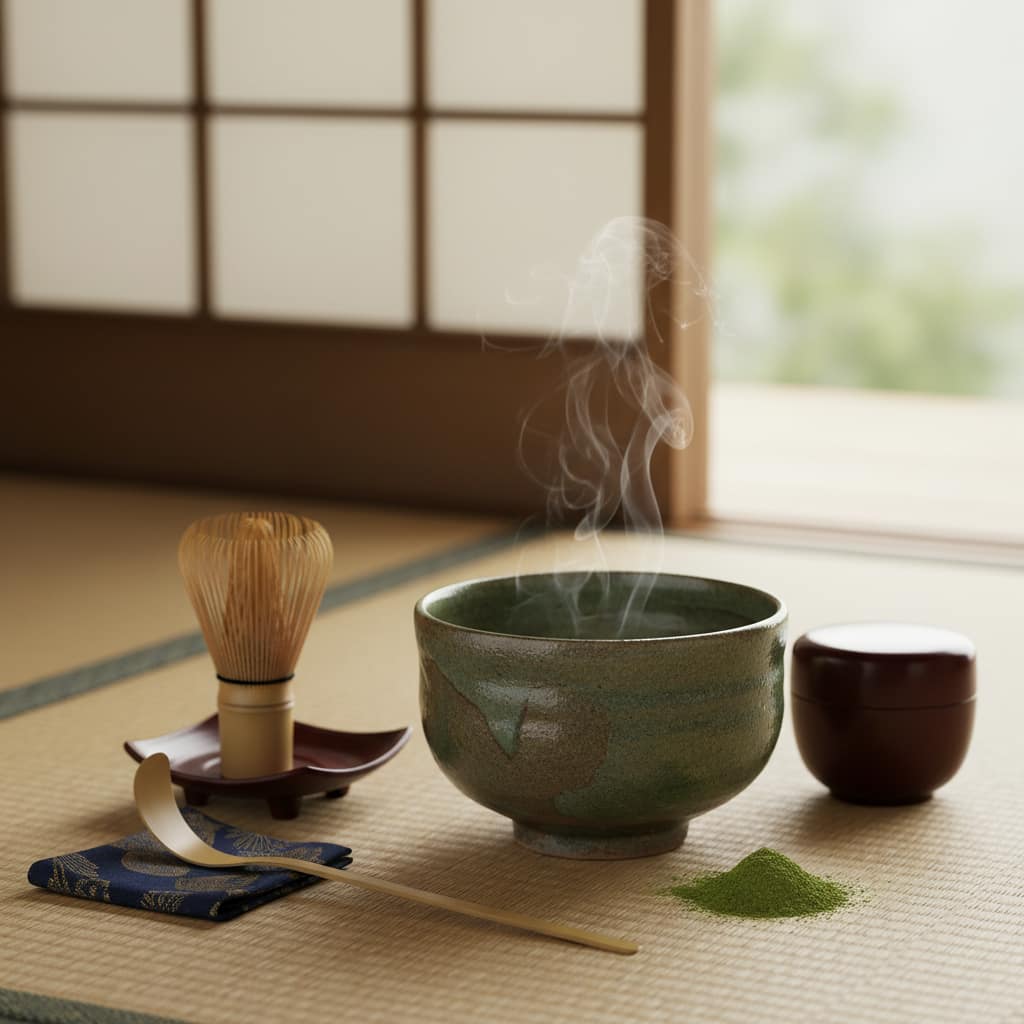
The Purist’s Choice. If you want to know exactly what does matcha taste like in its purest form, start here. Usucha is made by whisking about 2 grams of powder with 2 ounces of hot water (not boiling!).
The result is a frothy, emerald liquid. It hits the tongue with a wave of vegetable freshness, followed by that signature umami richness. It should finish cleanly with a lingering sweetness. There is no milk or sugar to hide behind. It is intense, grassy, and invigorating. This is how the tea masters in Uji intended the matcha tea leaves to be experienced.
2. Iced Matcha Latte (Oat Milk)
The Modern Standard. When people ask what do matcha lattes taste like, this is usually the benchmark. The oat milk is key here its natural sweetness pairs perfectly with the grassy notes of the tea.
The flavor is creamy, slightly nutty, and mellow. The intense “seaweed” flavor is softened into a pleasant earthiness. It tastes like a sophisticated, less sugary milkshake. It is incredibly refreshing and the most popular entry point for beginners wondering is matcha an acquired taste. The oat milk masks the bitterness that might turn off a novice.
3. Koicha (Thick Tea)
The Umami Bomb. Koicha is the espresso of the matcha world. It uses double the powder and half the water of Usucha, creating a thick, paint-like consistency.
What does matcha taste like here? It is an explosion of savory flavor. It tastes almost like a rich vegetable broth or a condensed spinach reduction, but with a deep, chocolate like sweetness. It is intense and viscous. You eat this more than you drink it. This is definitely where matcha flavor description leans heavily into “acquired taste” territory. Only use the highest grade ceremonial matcha for this, or it will be undrinkably bitter.
4. Matcha Ice Cream (Soft Serve)
The Sweet Gateway. In Japan, matcha soft serve is everywhere. The high fat and sugar content of the cream act as a perfect delivery vehicle for the flavor.
It tastes floral, grassy, and sweet. The cold temperature suppresses the bitterness, highlighting the aromatic qualities of the matcha tea leaves. If you are skeptical about drinking grass, eat it as dessert first. It helps you identify what flavour is matcha without the textural challenge of a hot beverage.
5. Matcha Lemonade
The Summer Refresher. This sounds odd, but the acid of the lemon cuts through the earthiness of the matcha beautifully.
What does matcha tea taste like when mixed with citrus? It tastes zesty, bright, and surprisingly botanical. The grassy notes transform into something closer to mint or basil. It’s crisp and clean, removing the creamy mouthfeel that some people dislike. It’s a fantastic option if you find milky lattes too heavy.
6. Culinary Matcha in Baking (Cookies/Cakes)
The Bitter Balance. When baking, you often use culinary grade matcha, which is naturally more astringent. This works because it fights against the sugar and butter in the recipe.
A matcha cookie doesn’t just taste sweet; it has a complex, earthy depth that cuts the sugar. It provides a matcha flavor description that is “grown up sweet.” You get the aroma and the color, but the texture is obviously that of a pastry. It’s a great way to enjoy the flavor if you don’t like drinking tea.
7. Matcha with White Chocolate
The Sweetest Pairing. White chocolate is pure cocoa butter and sugar, which makes it the perfect partner for bitter matcha.
The flavor profile here is essentially “green tea candy.” The white chocolate provides the fat that the tea lacks. It tastes luscious and rich. However, it can often mask the nuance of the tea. You are mostly tasting sugar with a hint of grass. It answers what flavour is matcha for those with a serious sweet tooth.
8. Dirty Matcha (With Espresso)
The Caffeine Clash. A “Dirty Matcha” adds a shot of espresso to a matcha latte.
This is a chaotic flavor profile. You have the roasted acidity of the coffee fighting the vegetal umami of the tea. What does matcha taste like here? It gets buried. You mostly taste the coffee, with a strange, earthy aftertaste. I rank this lower because it muddies the beautiful, clean profile of the matcha tea leaves. It’s more for the caffeine hit than the culinary experience.
9. Instant Matcha Packets (Pre-Sweetened)
The Office Staple. These are the “3-in-1” mixes you find at supermarkets.
Does matcha taste like green tea in these packets? Barely. It tastes mostly like powdered milk and vanilla sugar with a hint of hay. It lacks the fresh, grassy punch of real matcha. It is a convenient, consistent product, but it is a poor representation of the actual ingredient. It’s often too sweet and lacks the vibrant color of the real deal.
10. Cold Brew Matcha (Shaken)
The Minimalist. Just matcha powder and ice water, shaken vigorously.
This is lighter than Usucha but more intense than iced tea. What does matcha taste like prepared this way? It is crisp, cold, and refreshing. The cold water extracts fewer tannins, so it is less bitter than hot tea. It highlights the raw, vegetal notes of the matcha tea leaves. It tastes like cold, liquid energy. It is fantastic for focus but requires good quality powder to taste good.
Understanding the “Umami” Factor
The most confusing part of a matcha flavor description for Western palates is “umami.” We associate savory flavors with meat or soy sauce, not tea.
In matcha, umami manifests as a mouth-watering sensation, similar to the richness of a chicken broth, but without the salt. This comes from L-Theanine, an amino acid that thrives when the tea plants are shaded from the sun before harvest.
If you ask what does matcha taste like and someone says “seaweed,” they aren’t wrong. High-quality matcha shares flavor compounds with nori. This is a feature, not a bug. It connects the tea to the ocean air and the soil.
Why Does My Matcha Taste Bitter?
If you tried it and hated it, asking is matcha an acquired taste or did I just drink bad tea is valid. Real matcha should be sweet savory. If it tasted like battery acid, here is likely why:
- Water was too hot: Boiling water burns the matcha tea leaves, releasing tannins instantly. Use water around 175°F (80°C).
- Low quality: You bought culinary grade and tried to drink it straight.
- Old powder: Matcha oxidizes quickly. If it’s been open for 3 months, it loses its sweetness.
- Improper ratio: Too much powder and not enough water creates a sludge that overwhelms the palate.
When prepared correctly, the answer to what does matcha tea taste like should never be “painfully bitter.”
Matcha vs. Green Tea: The Taste Showdown
To clarify does matcha taste like green tea, we can look at the data.
- Texture: Green tea is watery; Matcha is creamy/suspended.
- Intensity: Matcha is 10x stronger.
- Finish: Green tea is astringent (dry); Matcha is savory/sweet.
Because you consume the whole leaf, you are getting a concentrated dose of chlorophyll. This is what flavour is matcha mostly defined by that intense, green, “alive” taste that steeped tea lacks.
Sensory Perception Chart
Visualizing the Flavor Spectrum: Where Does Matcha Fit?
| Beverage/Preparation | Savory (Umami) | Sweetness | Bitterness/Astringency | Typical Notes |
|---|---|---|---|---|
| Koicha (Thick Matcha) | High | Low | Medium | Brothy, seaweed, spinach |
| Usucha (Thin Matcha) | Medium-High | Medium | Low | Grassy, creamy, subtle sweet |
| Matcha Latte | Medium | High | Low | Mellow, milky, vanilla |
| Green Tea (Sencha) | Low | Medium | High | Fresh, sharp, vegetal |
| Matcha Ice Cream | Low | High | Very Low | Floral, creamy, dessert-like |
| Culinary Matcha Baking | Low | High | Medium | Earthy, faint bitterness |
| Miso Soup (Reference) | High | Low | Low | Savory, soup stock, sea salt |
- Savory (Umami) Axis: Koicha and miso soup anchor the upper end, highlighting rich, broth-like flavors.
- Sweetness Axis: Matcha latte and ice cream dominate this zone, marked by added dairy or sugar.
- Bitterness/Astringency Axis: Sencha green tea and some culinary matcha examples fall here, reflecting sharper, dryer finishes.
Practical Tips for Your First Sip
If you are still wondering what do matcha lattes taste like and are scared to commit, here is my advice:
- Start Sweet: Order a matcha latte with a pump of vanilla or honey. The sugar bridges the gap between the grassy flavor and your palate.
- Check the Color: If the barista hands you a drink that looks army green or brown, send it back. It will taste bitter. You want vibrant, Kelly green.
- Don’t Buy Bulk: If buying for home, buy a small tin (30g) from Japan. Air is the enemy of flavor.
Conclusion
So, what does matcha taste like? It is a symphony of grass, cream, and ocean air. It is vegetal but sweet, intense but calming.
While is matcha an acquired taste is a valid question, it is one worth acquiring. The complex interplay of savory umami and sweet nuttiness offers a depth that coffee simply cannot match. Whether you enjoy the milky comfort of a latte or the intense purity of Koicha, the flavor of those ground matcha tea leaves is unlike anything else in the culinary world.
For more insights on beverage trends, check out this report on Global Tea Market Growth. You can also look into the specific health benefits of L-Theanine at Healthline. For a deep dive into Japanese tea culture, The Tea Crane offers authentic educational resources.
Also, be sure to read our guide on Drinks to perfect your home brew.
Frequently Asked Questions
Q: Does matcha taste like grass?
A: Yes, “grassy” is a common matcha flavor description. However, high-quality matcha tastes like fresh, sweet grass or steamed vegetables rather than dry hay. This vegetal note is fresh and clean, balancing the creamy texture. If it tastes like dirt, it is likely low quality.
Q: What do matcha lattes taste like compared to regular lattes?
A: What do matcha lattes taste like? They are earthier, creamier, and less acidic than coffee lattes. The flavor is distinctively savory-sweet, often described as a green tea milkshake. They lack the roasted bitterness of espresso, offering a smoother, more mellow caffeine kick.
Q: Is matcha sweet or bitter?
A: Authentic ceremonial matcha has a natural sweetness and savory umami flavor with very little bitterness. However, lower culinary grades can be quite bitter and astringent. What flavour is matcha depends entirely on the quality of the powder you buy.
Q: Does matcha taste like green tea bags?
A: Does matcha taste like green tea from a bag? Only vaguely. Matcha is much richer, thicker, and more intense because you are consuming the actual matcha tea leaves. Standard steeped green tea is watery and lighter, with more tannins and less umami.
Q: Why does my matcha taste fishy?
A: A fishy taste usually indicates high levels of L-Theanine (which is good) or that the tea has been exposed to heat/moisture (which is bad). What does matcha tea taste like when fresh? It should smell like the ocean or seaweed (nori), but it should not taste like old fish.
Q: Is matcha an acquired taste for everyone?
A: Generally, yes. Is matcha an acquired taste? Most people need a few tries to appreciate the vegetal, savory profile. The lack of sugar and the intense “green” flavor can be surprising at first, especially if you are used to sweet coffee drinks.