Can Dogs Eat Cucumbers? A Complete Guide (2026)
If you are a frequent reader of Flavor Suggest, you know we usually dive deep into human flavor profiles analyzing the crisp bite of a perfect pickle or the subtle sweetness of a melon. But today, we are shifting our palate slightly to our four-legged friends. When you are crunching down on a fresh, watery cucumber slice, those pleading puppy eyes might make you wonder: Can dogs eat cucumbers?
The short answer is yes. Dogs can eat cucumbers, and they are often a fantastic, low calorie treat. But as with any flavor profile we analyze, texture, preparation, and quantity matter immensely.
In this guide, we will explore the safety of cucumbers for dogs, the nutritional nuances, and how your dog likely perceives the “flavor” of this common vegetable. We will also cover preparation tips to ensure your pup snacks safely.

The Flavor Profile: Do Dogs Actually Like Cucumbers?
Before we dive into the safety logistics, let’s talk taste. At Flavor Suggest, we know that flavor isn’t just about taste buds it is about texture and aroma.
Dogs have significantly fewer taste buds than humans (about 1,700 compared to our 9,000), but their sense of smell dominates their “flavor” experience. Cucumbers have a very mild aroma, which might not immediately excite a dog the way a piece of steak would. However, the texture is the winner here.
Many dogs love the “crunch factor.” The snap of a fresh cucumber slice mimics the satisfaction of chewing on a bone or a toy. Furthermore, because cucumbers are 96% water, they provide a refreshing, hydrating sensation that can be quite pleasant for a dog, especially on a hot day.
Are Cucumbers Safe for Dogs?
Can dogs eat cucumbers safely? absolutely. Veterinarians generally regard cucumbers as a safe vegetable for canines. Unlike grapes or onions, which contain toxic compounds, the cucumber plant itself is non-toxic to dogs.
However, “safe” comes with caveats regarding how they are served.
The Benefits of Cucumbers for Dogs
Why should you consider adding this veggie to your dog’s bowl?
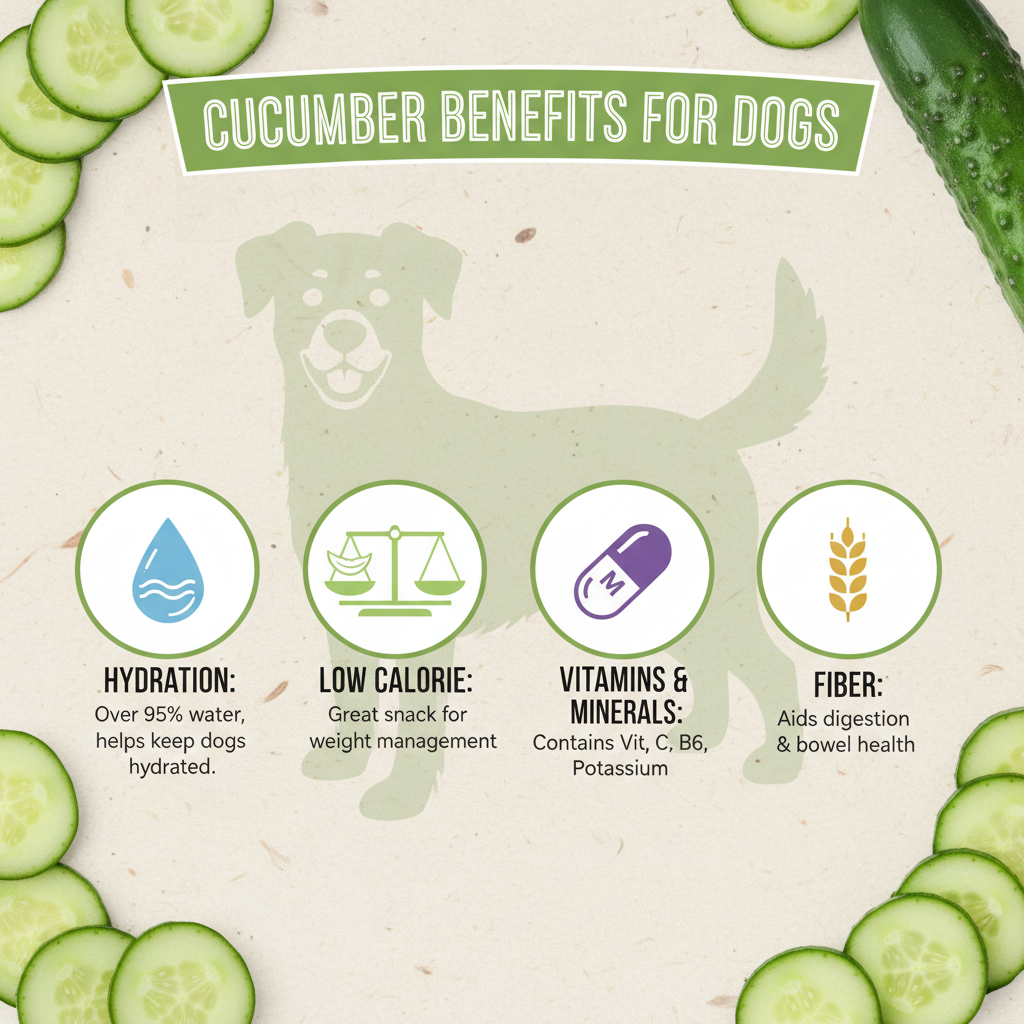
- Hydration: High water content helps keep active dogs hydrated.
- Low Calorie: A cup of sliced cucumber has only about 16 calories, making it an excellent treat for overweight dogs.
- Low Sugar: Unlike many fruits (like bananas or apples), cucumbers have very little sugar, making them safe for dogs with diabetes.
Potential Risks
While the vegetable is safe, there are mechanical risks:
- Choking Hazard: If you feed a whole cucumber or large chunks to a small dog, they could choke.
- Overeating: Too much of any new food can cause gastrointestinal upset (gas or loose stools).
Can Dogs Eat Cucumber Skin and Seeds?
When we analyze the flavor complexity of a cucumber, the skin adds bitterness and earthiness, while the seeds add textural contrast. But for a dog, are these parts safe?
Can Dogs Eat Cucumber Skin?
Yes, can dogs eat cucumber skin? They can. The skin contains the highest concentration of vitamins and fiber. However, it can be tough to digest for some dogs, particularly those with sensitive stomachs.
- Tip: If you are buying non organic cucumbers, wash them thoroughly or peel them to remove wax and pesticides.
Can Dogs Have Cucumber Seeds?
Yes, the seeds are soft and non toxic. Unlike apple seeds (which contain trace cyanide) or stone fruit pits (choking hazards), cucumber seeds are perfectly safe for consumption.
Are Cucumbers Good or Bad for Dogs? A Nutritional Breakdown
You might see searches asking are cucumbers good for dogs or are cucumbers bad for dogs. Let’s look at the data to settle this.
Cucumbers are a powerhouse of micronutrients without the caloric density of traditional dog treats.
| Nutrient | Benefit for Dogs |
|---|---|
| Vitamin K | Essential for blood clotting and bone health. |
| Vitamin C | An antioxidant that boosts the immune system. |
| Potassium | vital for muscle function and kidney health. |
| Magnesium | Helps absorb vitamins and supports bone growth. |
| Fiber | Aids in digestion and keeps bowel movements regular. |
| Phytochemicals | Plant compounds that may help fight bad breath. |
According to the USDA FoodData Central, raw cucumbers are approximately 95-96% water. This makes them a “high-volume” food dogs feel like they are eating a lot, but they aren’t consuming many calories.
Note on Pickles: While pickles are made from cucumbers, do not feed pickles to dogs. They are loaded with sodium and often contain garlic or onions, which are toxic to dogs. Stick to fresh, raw cucumbers.
How Much Cucumber Can a Dog Eat?
Even though the answer to “can a dog eat cucumber” is yes, portion control is vital.
Veterinarians universally recommend the 10% Rule: Treats should make up no more than 10% of your dog’s daily caloric intake. The other 90% should come from a balanced, complete dog food diet.
Portion Guidelines
- Extra Small Dogs (Chihuahuas, Yorkies): 1–2 thin slices.
- Small Dogs (Pugs, Beagles): 2–3 slices.
- Medium Dogs (Border Collies, Bulldogs): A handful of slices or cubes.
- Large/Giant Dogs (Labs, German Shepherds): Half a medium cucumber (cut into chunks).
How to Prepare Cucumbers for Dogs: A Step-by-Step Guide
At Flavor Suggest, we believe preparation is key to unlocking the best eating experience. Here is how to prep this veggie for your pup.
- Wash Thoroughly: Even if the cucumber looks clean, rinse it under cold water to remove pesticides or wax.
- Peel (Optional): If your dog has a sensitive tummy, use a peeler to remove the skin. This reduces fiber content and makes digestion easier.
- Slice and Dice:
- For Small Dogs: Dice into small cubes (approx. 1cm).
- For Large Dogs: Slice into rounds or thick spears.
- Serve Plain: Do not add salt, ranch dressing, or spices. Dogs enjoy the raw, natural crunch.
- Freeze (Pro Tip): Frozen cucumber slices make excellent teething treats for puppies or cooling snacks for summer days.
Frequently Asked Questions (FAQs)
Here are the most common questions dog owners ask about this crunchy snack.
1. Can puppies eat cucumbers?
Yes, puppies can have cucumbers. Because they are soft (seeds) and crunchy (flesh), they are great for teething. Just cut them into tiny pieces to prevent choking.
2. Can dogs have cucumbers everyday?
Technically yes, but moderation is key. Feeding high-fiber veggies daily might cause loose stools. It is best to rotate cucumbers with other safe veggies like carrots or green beans.
3. Do cucumbers help with bad dog breath?
Anecdotally, yes. The phytochemicals and high water content can help wash away bacteria and freshen breath, though it is no substitute for brushing their teeth.
4. Can dogs eat cooked cucumbers?
Yes, but cooking destroys the “crunch” that most dogs enjoy and depletes some water-soluble vitamins. Raw is best for texture and nutrition.
5. Why is my dog vomiting after eating cucumber?
Your dog may have eaten too much, too fast, or has a specific sensitivity to the vegetable. If vomiting persists, consult your vet.
6. Can dogs eat lemon cucumbers?
Yes, lemon cucumbers (yellow and round) are safe. They are mild and sweet, not acidic like actual lemons.
7. Is cucumber water safe for dogs?
Yes! Infusing your dog’s water with a few slices of cucumber is a great way to encourage a picky drinker to hydrate.
8. Can dogs eat Mini Cucumbers (Persian Cucumbers)?
Absolutely. Can dogs have cucumber varieties like Persian or English? Yes. These often have thinner skins and fewer seeds, making them even easier to digest.
9. Are cucumbers safe for dogs with kidney disease?
Generally, yes. Cucumbers are low in potassium compared to other fruits (like bananas), making them a safer choice for renal diets, but always check with your vet first.
10. Can I give my dog cucumber if they are overweight?
Yes! It is one of the best treats for weight loss because of the low calorie count. It allows you to reward them frequently without packing on pounds.
Conclusion
So, can dogs have cucumbers? Yes, they are a safe, hydrating, and crunchy treat that most dogs enjoy. Whether you are looking for a low calorie snack or just want to share a moment in the kitchen while you chop veggies, cucumbers are an excellent choice.
Remember to wash them, chop them into appropriate sizes, and avoid pickles completely. By introducing this fresh flavor into your dog’s diet, you offer them a textural experience that is both healthy and satisfying.
For more deep dives into flavor profiles for humans and pets alike explore our other articles at Flavor Suggest.
External Resources for Further Reading: