
Koriandri: The Ultimate Guide to Coriander (2026)
Imagine a single plant that holds the power to transform a dish, soothe an upset stomach, and connect culinary traditions across continents. This isn’t a magical herb from a fantasy novel; it’s koriandri, a plant more commonly known as coriander. For thousands of years, this versatile herb has been a staple in kitchens and apothecaries, celebrated for its distinctive flavor and remarkable health benefits. Whether you know it as cilantro, dhania, or Chinese parsley, understanding this plant unlocks a world of taste and wellness. For an in-depth look at coriander’s history, uses, and nutritional value, resources like Britannica, NIH, and the USDA offer excellent background and further reading.
This ultimate guide will explore every facet of koriandri. We’ll uncover its ancient origins, journey through its many names, and detail its powerful nutritional profile. You’ll learn how to use every part of the plant in your cooking, from the fresh leaves to the aromatic seeds. We will even show you how simple it is to cultivate this incredible herb in your own home. Get ready to master the art and science of coriander.
What is Koriandri?
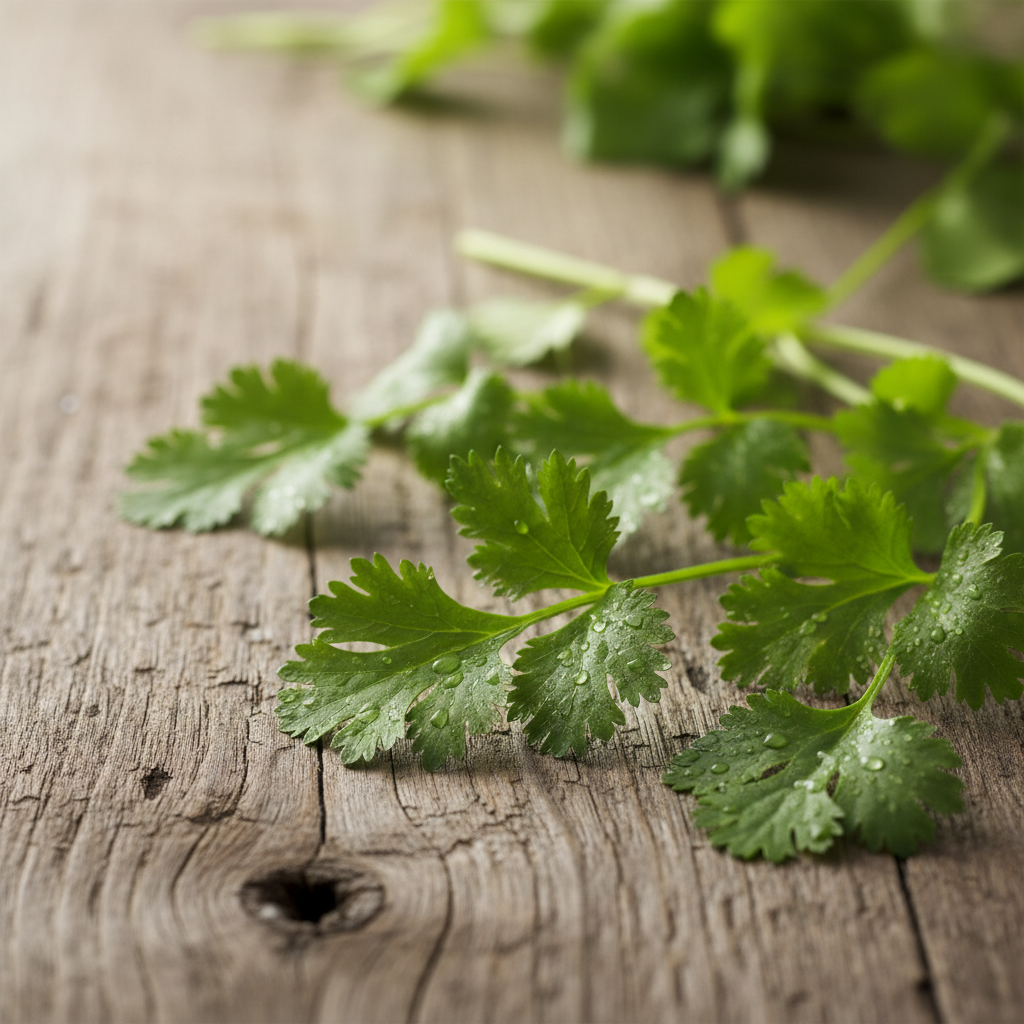
Koriandri, scientifically known as Coriandrum sativum, is an annual herb belonging to the Apiaceae family. This family also includes other well-known plants like parsley, carrots, and celery. The entire plant is edible, but its fresh leaves and dried seeds are the parts most commonly used in cooking.
Origins and History
The story of koriandri begins in the ancient world. It is an annual herb native to the Mediterranean and North Africa, with evidence of its use dating back over 8,000 years. Seeds have been discovered in ancient Egyptian tombs, including that of Tutankhamun, suggesting it was used in both culinary and ceremonial practices. The Romans used it to preserve meat and flavor bread, carrying it with them as they expanded their empire across Europe.
From its Mediterranean origins, koriandri spread along ancient trade routes, reaching India, China, and eventually the Americas. This global journey explains its integration into so many diverse cuisines and the variety of names it has acquired along the way.
Botanical Classification
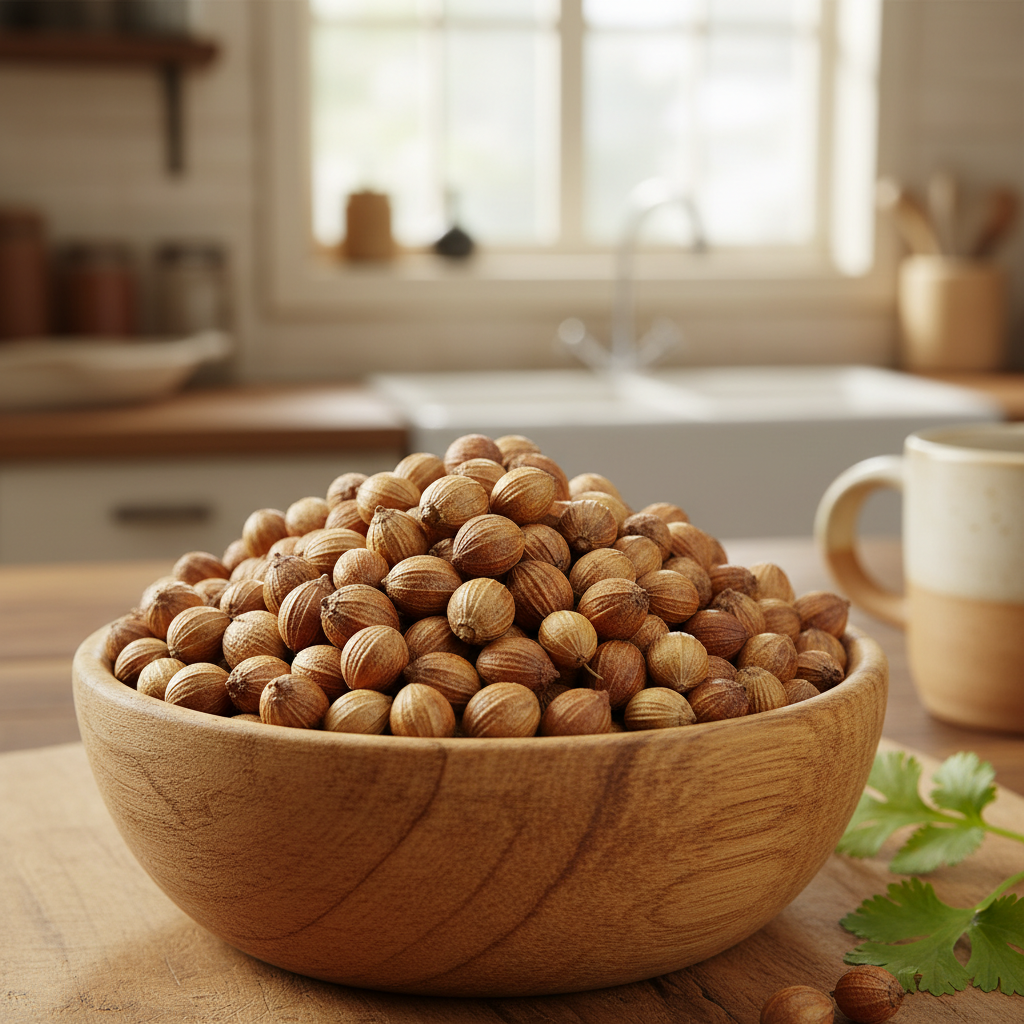
As a member of the Apiaceae family, koriandri is characterized by its feathery, lace-like leaves and small, pinkish-white flowers that grow in umbrella shaped clusters called umbels. The plant typically grows to about 50 centimeters (20 inches) in height. After flowering, it produces small, spherical fruits that, when dried, become the coriander seeds used as a spice.
The Many Names of Koriandri
One of the most confusing aspects of this herb is its many names. What you call it often depends on where you are in the world and which part of the plant you are referring to.
Cilantro vs. Coriander
In North America, the names “cilantro” and “coriander” are used to differentiate between the plant’s parts.
- Cilantro: This refers to the fresh leaves and stems of the Coriandrum sativum plant. The name comes from cilantro in Spanish, and it is widely used in Mexican, Latin American, and Southeast Asian cuisines.
- Coriander: This term typically refers to the dried seeds of the plant, which are used as a spice. The seeds have a completely different flavor profile from the leaves warm, nutty, and spicy with a hint of citrus.
Outside of North America, the term “coriander” is often used for both the leaves and the seeds.
Global Noms de Plume
- Dhania Coriander: In India and South Asia, the herb is known as dhania. The term is used for the leaves, seeds, and powdered spice. Dhania coriander is a cornerstone of Indian cooking, appearing in everything from curries and chutneys to spice blends like garam masala.
- Chinese Parsley: In many parts of Asia, coriander leaves are referred to as Chinese parsley. This name highlights its resemblance to flat-leaf parsley and its prevalence in Chinese and other Asian culinary traditions, where it’s often used as a garnish or a key ingredient in soups and stir-fries.
Health Benefits of Koriandri
Beyond its culinary uses, koriandri has been valued for centuries for its medicinal properties. Modern science is now beginning to validate many of these traditional uses, revealing a plant packed with powerful nutrients and compounds.
Rich in Antioxidants
Coriander is loaded with antioxidants, which are compounds that help protect your cells from damage caused by free radicals. These antioxidants include terpinene, quercetin, and tocopherols. A diet rich in antioxidants is linked to reduced inflammation and a lower risk of chronic diseases. Studies from the National Institutes of Health (NIH) suggest that the compounds in coriander may exhibit anti-inflammatory, and neuroprotective effects.
Supports Heart Health
Some research, including findings cited by the National Institutes of Health (NIH), indicates that koriandri can positively impact several risk factors for heart disease. It may help lower “bad” LDL cholesterol while increasing “good” HDL cholesterol levels. Furthermore, coriander can act as a diuretic, helping your body flush excess sodium and water. This process can contribute to lower blood pressure. The USDA notes, based on recent studies, that people who consume more spices, including coriander, often have lower rates of heart disease. For additional background and historical context, reputable references such as Britannica also provide comprehensive information about coriander’s health effects.
Promotes Healthy Digestion
Coriander has been used as a digestive aid for thousands of years. The oil extracted from coriander seeds has been shown to accelerate and promote healthy digestion. It can help ease uncomfortable symptoms like bloating, abdominal pain, and gas associated with irritable bowel syndrome (IBS). The herb’s compounds can encourage the production of digestive enzymes, leading to more efficient nutrient absorption.
Nutritional Profile
Coriander is low in calories but rich in essential vitamins and minerals. According to the U.S. Department of Agriculture (USDA), fresh cilantro leaves are an excellent source of Vitamin K, which is crucial for blood clotting and bone health. They also provide significant amounts of Vitamin A and Vitamin C. Coriander seeds contain minerals like iron, magnesium, and manganese. For more detailed nutritional information and research-backed health benefits, you can also consult NIH and Britannica.
| Nutrient (per 100g of raw leaves) | Amount | % of Daily Value (DV) |
|---|---|---|
| Vitamin K | 310 mcg | 258% |
| Vitamin A | 6748 IU | 135% |
| Vitamin C | 27 mg | 30% |
| Manganese | 0.4 mg | 19% |
| Iron | 1.8 mg | 10% |
Culinary Uses of Koriandri
Koriandri is a true kitchen workhorse, with both its leaves and seeds adding distinct flavors to countless dishes.
Using Fresh Leaves (Cilantro)
Cilantro has a bright, citrusy, and slightly peppery flavor. For some people, it can taste soapy, a genetic trait linked to olfactory-receptor genes. For those who enjoy it, cilantro adds a fresh, cooling finish to rich or spicy foods.
- Garnish: Sprinkle chopped cilantro over tacos, soups, curries, and noodle dishes just before serving.
- Sauces and Dips: It’s a key ingredient in Mexican salsa, Indian green chutney, and Middle Eastern zhug.
- Marinades: Blend cilantro with garlic, lime juice, and oil for a flavorful marinade for chicken, fish, or tofu.
Using Coriander Spice (Seeds)
Coriander spice comes from the plant’s dried seeds. The seeds can be used whole or ground. Toasting whole seeds in a dry pan before grinding them intensifies their aromatic, warm, and citrus-like flavor.
- Spice Blends: Ground coriander is a fundamental component of spice mixes like garam masala, curry powder, and berbere.
- Rubs and Seasonings: Use coriander seasoning in dry rubs for roasted meats and vegetables. It pairs wonderfully with cumin, turmeric, and chili powder.
- Pickling and Brining: Whole coriander seeds are often added to pickling brines for cucumbers, carrots, and other vegetables.
- Baking: In some European traditions, ground coriander is used to flavor bread, cakes, and cookies.
Flavor Pairings
Coriander is a team player, enhancing the flavors of other ingredients.
- Pairs well with: Cumin, garlic, lime, chili, onion, tomato, coconut milk, and ginger.
- Proteins: Excellent with chicken, lamb, fish, lentils, and beans.
- Vegetables: Complements potatoes, cauliflower, carrots, and bell peppers.
Growing Koriandri at Home
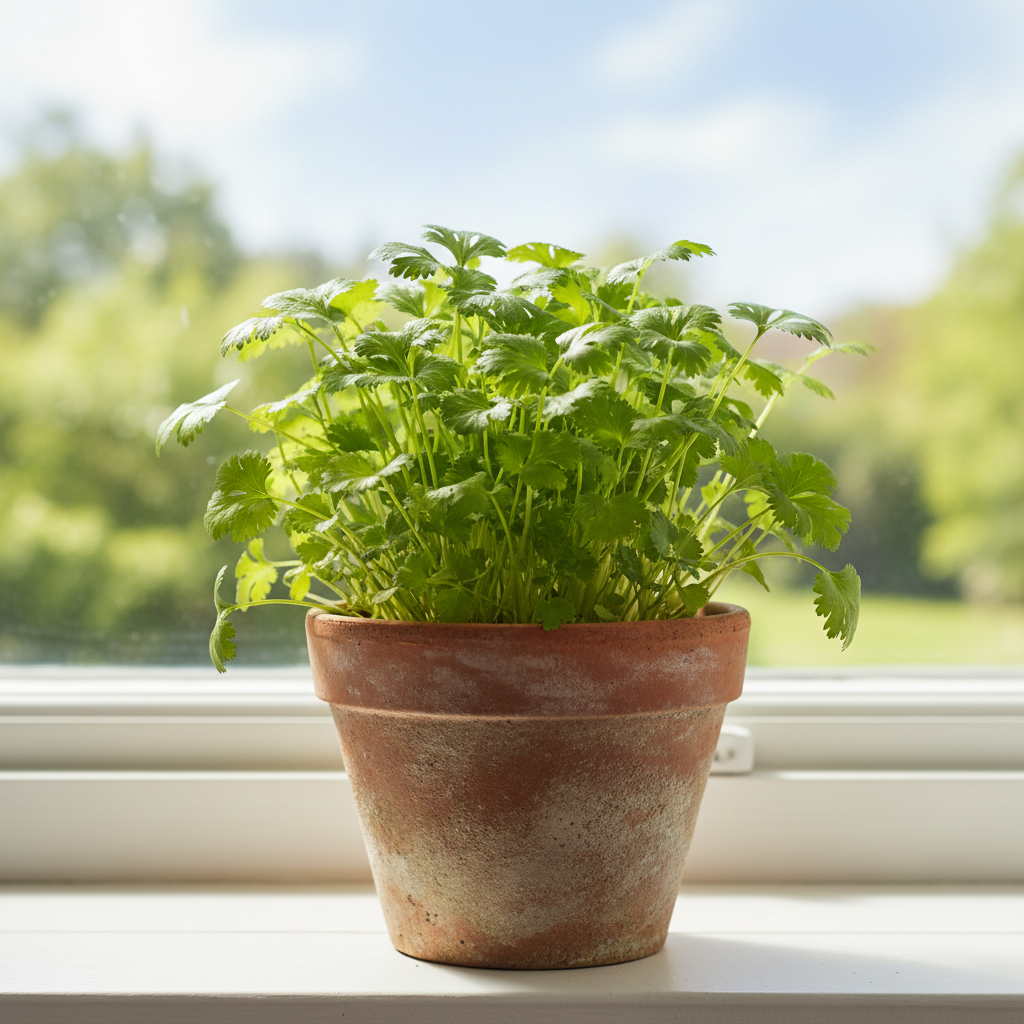
Growing your own koriandri is a rewarding and surprisingly simple process. It gives you a constant supply of fresh leaves and, if you let it flower, your own coriander seeds.
Step-by-Step Planting Guide
- Choose the Right Seeds: Purchase coriander seeds from a garden center. The “seeds” you buy for cooking can also be planted, but seeds specifically for gardening often have better germination rates.
- Select a Location: Koriandri prefers a spot with full sun to light shade. In very hot climates, afternoon shade is beneficial as it can prevent the plant from “bolting” (flowering prematurely).
- Prepare the Soil: Use well-draining soil with a neutral pH (6.2 to 6.8). If planting in a pot, use a quality potting mix. For garden beds, enrich the soil with compost.
- Plant the Seeds: Sow seeds about 1/4 to 1/2 inch deep, spaced a few inches apart. If planting in rows, keep the rows about 12 inches apart. Water gently after planting.
- Watering: Keep the soil consistently moist but not waterlogged. Coriander doesn’t like to dry out.
- Harvesting Leaves: You can start harvesting leaves once the plant is about 6 inches tall. Snip the outer leaves first, allowing the inner leaves to continue growing.
- Harvesting Seeds: To harvest seeds, allow the plant to flower and go to seed. Once the seed heads turn brown and dry, cut the stalks and hang them upside down in a paper bag. The seeds will fall into the bag as they dry completely.
Pest and Disease Prevention
Coriander is relatively hardy, but it can be susceptible to aphids and powdery mildew. To prevent these issues, ensure good air circulation around your plants and avoid overwatering. Introducing beneficial insects like ladybugs can help control aphid populations naturally.
Different Types of Coriander
While most coriander comes from the Coriandrum sativum plant, there are different varieties and related herbs to explore.
Leaf vs. Seed Coriander
Some cultivators have bred varieties of coriander optimized for specific purposes.
- Leaf Coriander: These varieties, often labeled as “slow bolt,” are bred to produce abundant foliage for a longer period before flowering. This is ideal if you primarily want to harvest fresh cilantro.
- Seed Coriander: Other varieties are grown specifically for their large, flavorful seeds. These plants may bolt more quickly but produce a higher yield of seeds for coriander spice.
Fresh vs. Dried Coriander Seasoning
The flavor difference between fresh cilantro leaves and dried coriander is vast.
- Fresh: Bright, pungent, and citrusy. Its flavor diminishes quickly with heat, so it’s best added at the end of cooking.
- Dried: Dried cilantro leaves lose most of their flavor and are not a good substitute for fresh. Dried and ground seeds, however, have a warm, nutty, and spicy profile that is perfect for long-simmered dishes.
Regional Varieties and Similar Herbs
- Vietnamese Coriander (Persicaria odorata): Not a true coriander, but its flavor is remarkably similar. It has long, slender leaves and a more potent, peppery taste. It’s a popular herb in Southeast Asian cuisine.
- Culantro (Eryngium foetidum): Another herb with a cilantro-like flavor, but much stronger. It has long, serrated leaves and holds up better to heat than cilantro, making it great for soups and stews.
Frequently Asked Questions (FAQs) About Koriandri
1. Is koriandri the same as coriander?
Yes, koriandri is another name for the plant Coriandrum sativum. The term “coriander” is the more common English name for both the plant and its seeds.
2. What is the difference between koriandri and cilantro?
In North America, “cilantro” refers to the fresh leaves of the Coriandrum sativum plant, while “coriander” refers to its dried seeds. In many other parts of the world, “coriander” is used for both.
3. What does koriandri taste like?
The leaves (cilantro) have a fresh, citrusy, and slightly peppery flavor. The seeds have a warm, spicy, and nutty taste with notes of citrus.
4. Why do some people think cilantro tastes like soap?
This is due to a genetic variation. People with certain olfactory-receptor genes are more sensitive to the aldehyde compounds in cilantro, which are also found in soap.
5. How is koriandri used in cooking?
The fresh leaves are used as a garnish or in sauces like salsa and chutney. The dried seeds, whole or ground, are used as a coriander spice in curries, rubs, and baked goods.
6. What are the health benefits of koriandri?
It is rich in antioxidants, may support heart health by lowering bad cholesterol, aids digestion, and provides essential vitamins like K, A, and C.
7. Where does koriandri come from?
It is an annual herb native to the Mediterranean and North Africa. It has been cultivated for thousands of years and has spread globally.
8. Is koriandri the same as Chinese parsley?
Yes, Chinese parsley is a common name for coriander leaves, particularly in Asian cuisine, due to its frequent use and resemblance to parsley.
9. What is dhania?
Dhania is the Hindi name for coriander. The term dhania coriander is often used to refer to the herb in the context of Indian and South Asian cooking.
10. How do I store fresh cilantro?
To keep cilantro fresh for longer, place the stems in a jar with an inch of water, cover the leaves loosely with a plastic bag, and store it in the refrigerator.
Conclusion
From the ancient fields of the Mediterranean to modern kitchens around the world, koriandri has proven to be one of humanity’s most cherished herbs. Its unique ability to provide two distinct flavors from a single plant the bright zest of its leaves and the warm spice of its seeds makes it an indispensable ingredient. More than just a flavor enhancer, coriander offers a host of health benefits that support everything from heart health to digestion.
Whether you’re sprinkling fresh cilantro on your tacos, stirring coriander spice into a curry, or planting your first seeds in the garden, you are participating in a rich culinary tradition that spans millennia. This versatile herb is a testament to how a simple plant can have a profound impact on our food and well-being.
Ready to explore more incredible ingredients and their stories? Check out more flavor-packed guides on FlavorSuggest.com