Navigator Pear: The Ultimate Guide to a Stunning Ornamental Tree
The world of horticulture offers countless beautiful trees, but few combine hardiness, elegance, and year-round interest quite like the Navigator Pear. This ornamental tree has been steadily gaining popularity among gardeners and landscapers, especially those in tougher climates. It’s celebrated for its stunning spring blossoms, glossy summer foliage, and vibrant autumn colors.
This guide provides a comprehensive look at the Navigator Pear tree. We will explore its unique characteristics, planting and care requirements, and why it stands out as a superior choice for any landscape. Whether you are an experienced gardener or just beginning your journey, you will find everything you need to know to successfully grow and enjoy this exceptional tree.
What is a Navigator Pear Tree?
The Navigator Pear, or Pyrus ‘Navigator’, is a deciduous ornamental tree prized for its aesthetic appeal rather than its fruit. While it does produce small, inedible pears, its primary value lies in its beautiful form and seasonal beauty. It was developed to thrive in challenging conditions, making it a reliable choice for regions with cold winters and variable weather.
With a dense, pyramidal shape, it serves as an excellent feature tree in a garden, a natural privacy screen, or an elegant addition to a streetscape. Its ability to withstand urban pollution and tougher soils further enhances its versatility. This tree is a testament to modern cultivation, offering beauty without the high maintenance often associated with ornamental species.
Origins and Development
The Navigator Pear is a product of dedicated breeding programs aimed at creating hardy and disease-resistant ornamental trees. Cultivars like this are often developed at agricultural research stations, such as those supported by university programs like the University of Minnesota’s horticulture department, which has a long history of introducing cold-hardy fruit and landscape trees. The goal was to create a pear tree that offered the classic beauty of a Pyrus but could handle the rigors of northern climates.
This tree is known for its strong central leader and well spaced branches, which give it a naturally tidy and upright appearance. This structure not only looks good but also reduces the need for extensive pruning, making it a lower-maintenance option for homeowners.
Key Features of the Navigator Pear
The Navigator Pear tree offers a dynamic display of beauty throughout the year. Each season brings a new characteristic to admire, from its delicate spring flowers to its fiery fall foliage.
Spring: A Cascade of White Blossoms
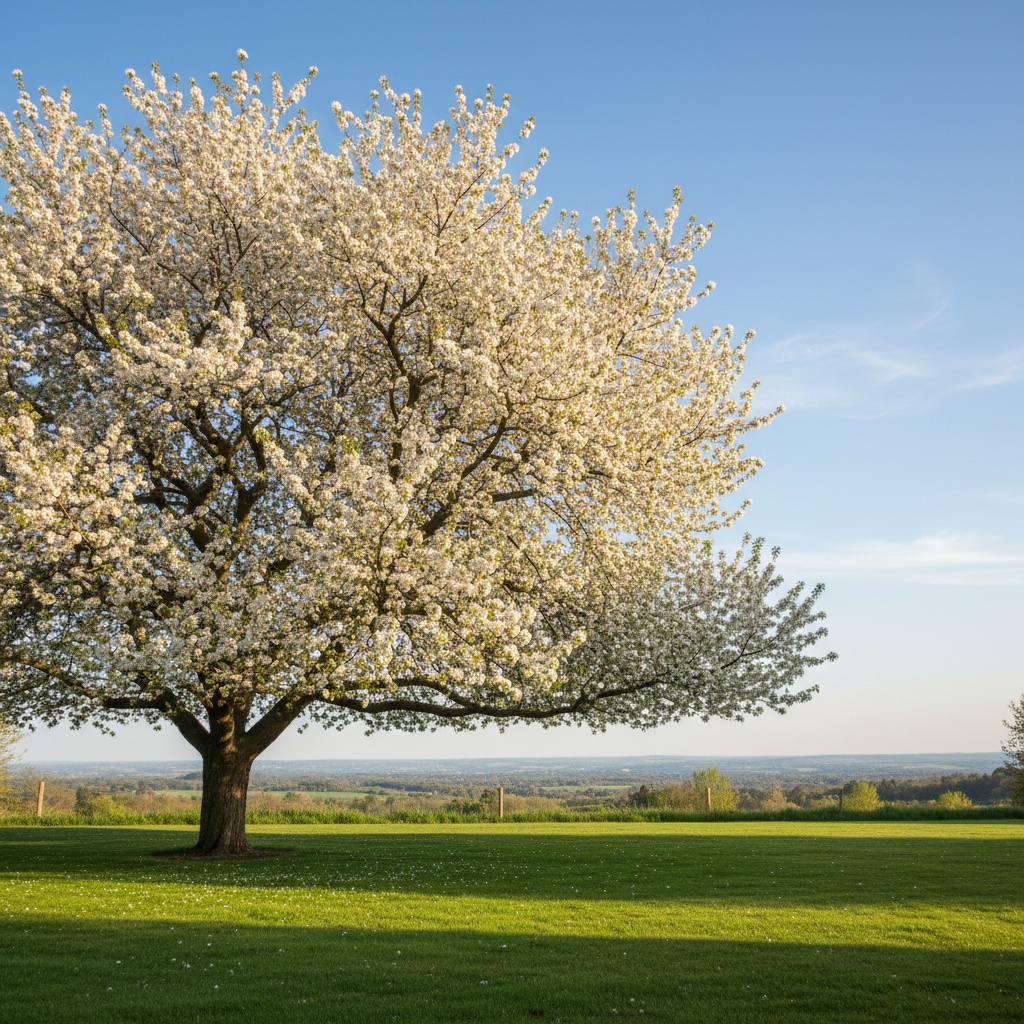
In mid-spring, the Navigator Pear tree bursts into a breathtaking display of white flowers. The blossoms appear in dense clusters before the leaves fully emerge, covering the entire tree in a snowy blanket. These flowers are not only beautiful but also provide an early source of nectar for pollinators, contributing to the health of your local ecosystem. The showy floral display is one of the main reasons people choose this particular tree for their gardens.
Summer: Glossy Green Foliage
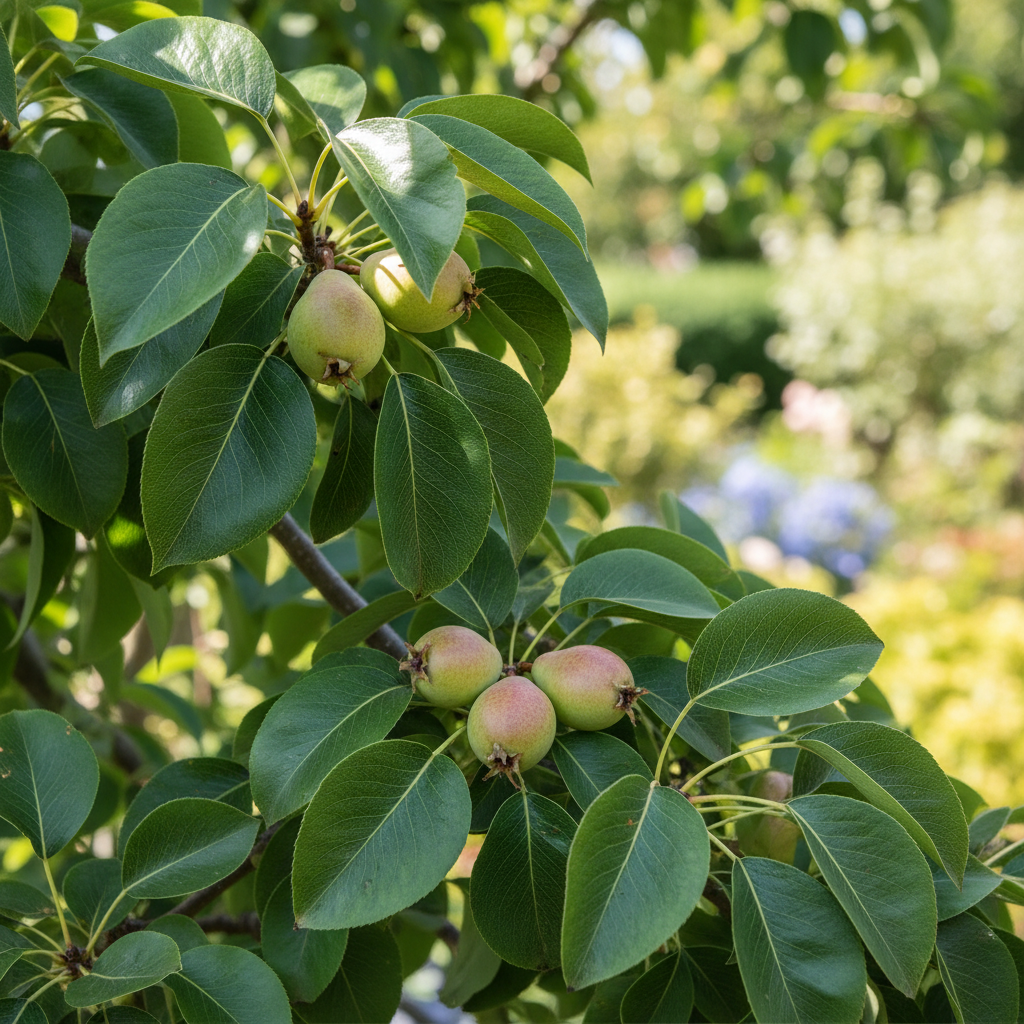
As the flowers fade, they are replaced by lush, glossy green leaves. The foliage is ovate with a finely serrated margin, creating a dense canopy that provides excellent shade. The leaves have a waxy coating that makes them resistant to many common foliar diseases, and their vibrant green color remains consistent throughout the summer months.
Autumn: A Spectacle of Color
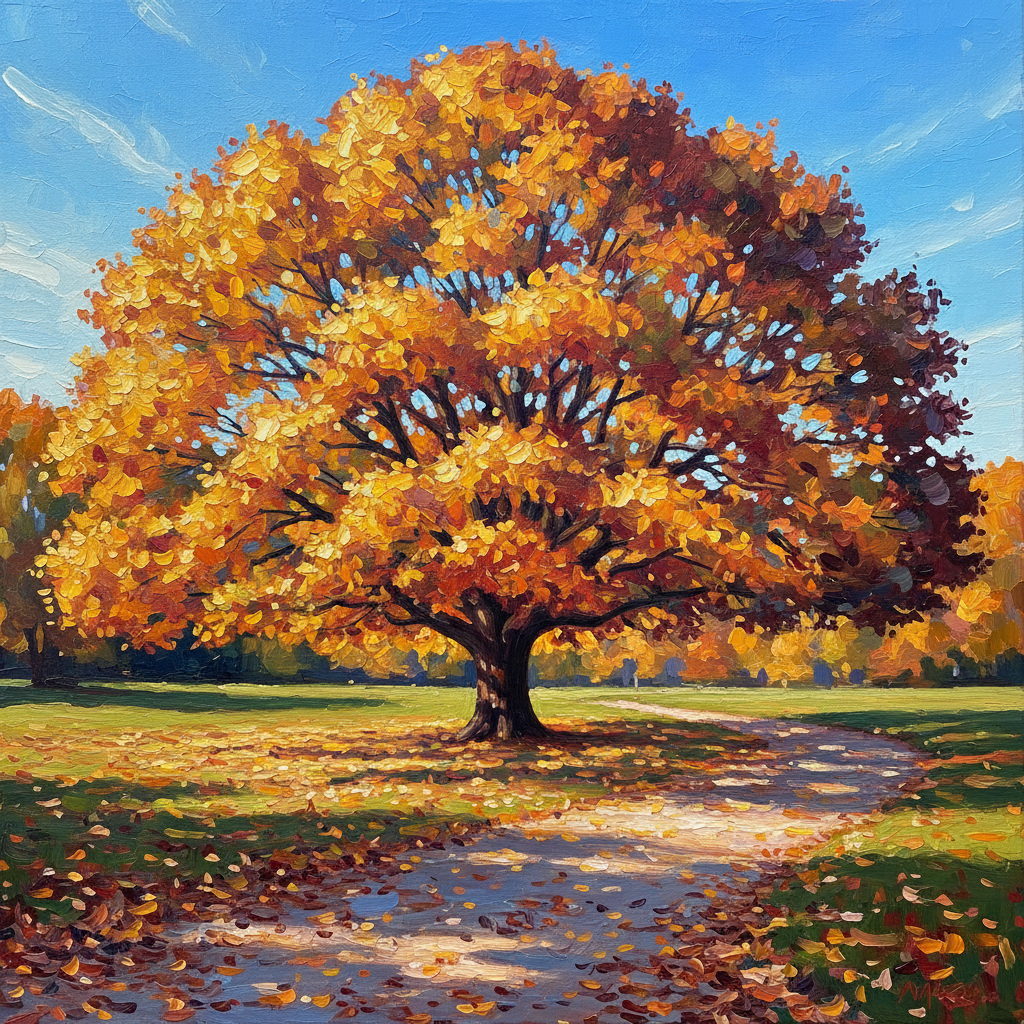
The fall display of a Navigator Pear is arguably its most dramatic feature. The glossy green leaves transform into a brilliant mix of yellow, orange, and reddish-purple. This vibrant coloration makes it a standout specimen in any autumn landscape. The duration of its fall color is often longer than that of many other ornamental trees, extending the season of interest.
Winter: Elegant Structure
Even after its leaves have dropped, the Navigator Pear maintains an elegant presence in the winter garden. Its strong pyramidal form and dark, textured bark provide visual interest against a snowy backdrop. This structural beauty ensures the tree is an asset to your landscape in every season.
| Feature | Description |
|---|---|
| Flowers | Abundant clusters of white blossoms in mid-spring. |
| Foliage | Glossy, dark green leaves throughout the summer. |
| Fall Color | A vibrant mix of yellow, orange, and red-purple. |
| Shape | Upright, pyramidal form with a strong central leader. |
| Size | Reaches a mature height of 25-30 feet and a spread of 15-20 feet. |
| Fruit | Produces small, ornamental, and inedible fruit. |
Planting and Caring for Your Navigator Pear Tree
One of the most appealing aspects of the Navigator Pear is its resilience and relatively low maintenance requirements. However, proper planting and care will ensure your tree establishes quickly and thrives for decades.
Choosing the Right Location
Selecting the perfect spot is the first step to success. Here are a few key considerations:
- Sunlight: The Navigator Pear thrives in full sun, meaning it needs at least six hours of direct, unfiltered sunlight per day. Adequate sun exposure is crucial for prolific flowering and vibrant fall color.
- Soil: This tree is adaptable to a wide range of soil types, including clay and sandy soils. However, it performs best in well-drained soil with a neutral pH. Poorly drained or waterlogged soil can lead to root rot, a serious issue for most trees. You can learn more about assessing your yard’s soil quality from resources like the USDA’s Natural Resources Conservation Service.
- Space: Plan for its mature size. Plant it at least 15 feet away from buildings, power lines, and other trees to ensure it has enough room to grow without interference.
How to Plant Your Tree
Planting a tree correctly is vital for its long-term health. Follow these steps for best results:
- Dig the Hole: Dig a hole that is two to three times as wide as the root ball and just as deep. The width of the hole is more important than the depth, as it encourages roots to spread outward.
- Prepare the Tree: Carefully remove the tree from its container. If it is in a burlap sack, you can place the entire root ball in the hole and cut the twine from around the trunk.
- Position the Tree: Place the tree in the center of the hole. The top of the root ball should be level with or slightly above the surrounding ground.
- Backfill: Fill the hole with the original soil. Amending the backfill soil is generally not recommended, as it can discourage roots from growing into the native soil.
- Water Thoroughly: Water the tree deeply to settle the soil and eliminate air pockets. Continue to water it regularly about once a week during its first growing season to help it establish a strong root system.
- Apply Mulch: Spread a 2-3 inch layer of organic mulch around the base of the tree, but keep it a few inches away from the trunk itself. Mulch helps retain soil moisture, suppress weeds, and regulate soil temperature.
Ongoing Care and Maintenance
- Watering: Once established, the Navigator Pear is quite drought-tolerant. However, it will benefit from deep watering during prolonged periods of heat and drought.
- Fertilizing: This tree generally does not require heavy fertilization. If your soil is poor, you can apply a balanced, slow-release fertilizer in the early spring, following the product instructions. The Arbor Day Foundation provides excellent guidelines on when and how to fertilize trees.
- Pruning: The Navigator Pear has a naturally strong structure and requires minimal pruning. The best time to prune is in late winter or early spring when the tree is dormant. Remove any dead, damaged, or crossing branches to maintain its health and shape.
Pests, Diseases, and Other Challenges
The Navigator Pear was bred for its resistance to common pear diseases, but no tree is completely immune to problems.
- Fire Blight: While resistant, it’s not entirely immune. Fire blight is a bacterial disease that causes branches to look scorched. Prune out any affected branches immediately, cutting at least 12 inches into healthy wood.
- Pests: Aphids and other common garden pests can sometimes be an issue. These are usually manageable with insecticidal soap or by encouraging natural predators like ladybugs.
- Navigating to the Twisted Pear in Forest City: Some users searching for information about the Navigator Pear may also be looking for directions to a similarly named location, like the Twisted Pear in Forest City. It is important to clarify that this blog post is about the ornamental Pyrus ‘Navigator’ tree and is not related to a business establishment.
For those interested in flavor, while this pear is not for eating, you can explore a world of edible fruit flavors and recipes at Flavor Suggest.
For more guidance on planting and tree care, check these expert resources:
- How to Plant a Tree – New York State Department of Environmental Conservation
- Planting Trees – Virginia Department of Forestry
- Tree Planting Tips – Wisconsin Department of Natural Resources
- USDA Natural Resources Conservation Service – Soils
- Tree Care – U.S. Forest Service
These resources offer in-depth information on tree selection, planting, and ongoing care from trusted .gov and .edu organizations.
Conclusion: A Hardy and Beautiful Choice
The Navigator Pear is an exceptional ornamental tree that offers beauty, resilience, and year-round interest. Its stunning spring blossoms, glossy summer foliage, and spectacular fall color make it a standout choice for any landscape. Combined with its adaptability to various soil types and resistance to pests and diseases, this tree is a low-maintenance powerhouse perfect for modern gardens.
If you are looking for a reliable and beautiful tree that will bring joy for years to come, the Navigator Pear is a top-tier contender. Its elegant form and seasonal drama make it a worthy investment for any homeowner or landscaper.
Frequently Asked Questions (FAQs)
1. Is the Navigator Pear tree messy?
It produces small ornamental fruits that may drop in the fall, but the cleanup is minimal compared to larger fruiting trees. The flowers and leaves decompose naturally.
2. Can you eat the fruit from a Navigator Pear?
No, the fruit is very small, hard, and bitter. This tree is grown for its ornamental qualities, not for its fruit production.
3. How fast does a Navigator Pear grow?
It has a moderate growth rate, typically growing 1-2 feet per year once established.
4. Is this tree a good choice for a small yard?
With a mature spread of 15-20 feet, it can be a good fit for medium sized yards. In smaller yards, it can serve as a beautiful focal point, but be sure to account for its full size.
5. What is the difference between an ornamental pear and a fruiting pear?
Ornamental pears like the Navigator are bred for their flowers, foliage, and shape. Fruiting pears are cultivated specifically for their large, edible fruit.
6. Does the Navigator Pear have thorns?
No, the Navigator Pear is a thornless variety, making it safe for planting in residential areas with children and pets.
7. How cold-hardy is the Navigator Pear tree?
It is known for its excellent cold hardiness and is typically rated for USDA Hardiness Zones 3 or 4, making it suitable for regions with very cold winters.
8. Do I need to plant more than one for pollination?
Since it is an ornamental tree and fruit is not the goal, you only need to plant one. The small fruits it produces will develop without a second tree.
9. What are common problems with ornamental pear trees?
Some older varieties of ornamental pears are known for having weak branch structures that can split in storms. The Navigator Pear was developed with a stronger, more resilient structure to mitigate this issue.
10. Where can I buy a Navigator Pear tree?
You can find the Navigator Pear tree at many local nurseries and garden centers, especially those that specialize in cold-hardy plants. It can also be purchased from online retailers.