Cajun Seasoning: The Flavor-First Guide to Buying, Blending, and Cooking in 2026
Picture a sizzling skillet of shrimp hitting hot butter, a cloud of smoky, peppery steam rising up, and that first bite that warms your whole mouth without setting it on fire. That is cajun seasoning doing its job. Here at FlavorSuggest, we taste, test, and rank flavors for a living, and cajun seasoning is one of our all-time favorites because it does so much with so few ingredients.
This guide covers everything you actually care about: what cajun seasoning tastes like, how to make a homemade cajun seasoning blend, cajun vs creole seasoning, the best cajun seasoning brand options worth buying, and dozens of cajun seasoning uses.
Cajun seasoning is a bold, spicy spice blend from Louisiana built mainly around cayenne, garlic, black pepper, and paprika. It tastes peppery, earthy, and slightly smoky, with real heat that builds rather than burns. You can buy it ready-made or mix your own homemade cajun seasoning blend in about five minutes.
What Is Cajun Seasoning and What Does It Taste Like?
Cajun seasoning is a rustic Louisiana spice blend centered on cayenne pepper, garlic powder, black pepper, and paprika. The flavor is warm and peppery up front, earthy and garlicky in the middle, and finished with a slow heat that lingers.
When you taste a good blend on its own, you notice the sharp bite of cayenne first. Then the garlic and onion fill in, rounding everything out. If the mix uses smoked paprika, you also get a soft campfire smokiness that makes food taste like it came off the grill.
The texture matters too. Some blends are fine and powdery, which spread evenly across fries or popcorn. Others carry bigger flecks of dried herbs like oregano and thyme, which look beautiful on blackened fish but can clump if you shake too fast.
Cajun vs Creole Seasoning: The Real Difference
Cajun vs creole seasoning comes down to peppers versus herbs. Cajun seasoning leans heavy on ground peppers like cayenne and black pepper, so it tastes spicier and more rustic. Creole seasoning leans on herbs like oregano, thyme, and paprika, so it tastes a little softer, greener, and more aromatic.
Both come from Louisiana, but they grew up in different kitchens. Cajun cooking came from rural home cooks who used what they had. Creole cooking developed in New Orleans with access to more ingredients. In the cajun vs creole seasoning debate, neither is better. They just hit your tongue differently.
| Feature | Cajun Seasoning | Creole Seasoning |
|---|---|---|
| Main flavor drivers | Cayenne, black pepper, garlic | Paprika, oregano, thyme, garlic |
| Heat level | Higher, sharper | Milder, rounder |
| Aroma | Peppery, smoky | Herby, fragrant |
| Best on | Blackened fish, fries, shrimp | Gumbo, stews, rice dishes |
| Texture | Often finer, pepper-forward | Often flecked with herbs |
Here is the honest part: many bottles blur the line. A cajun blend may add herbs, and a creole blend may add pepper. So taste before you commit a whole pan to it.
How to Make a Homemade Cajun Seasoning Blend
Making your own homemade cajun seasoning blend takes about five minutes and gives you full control over salt and heat. You probably already have most of these spices in your cabinet.
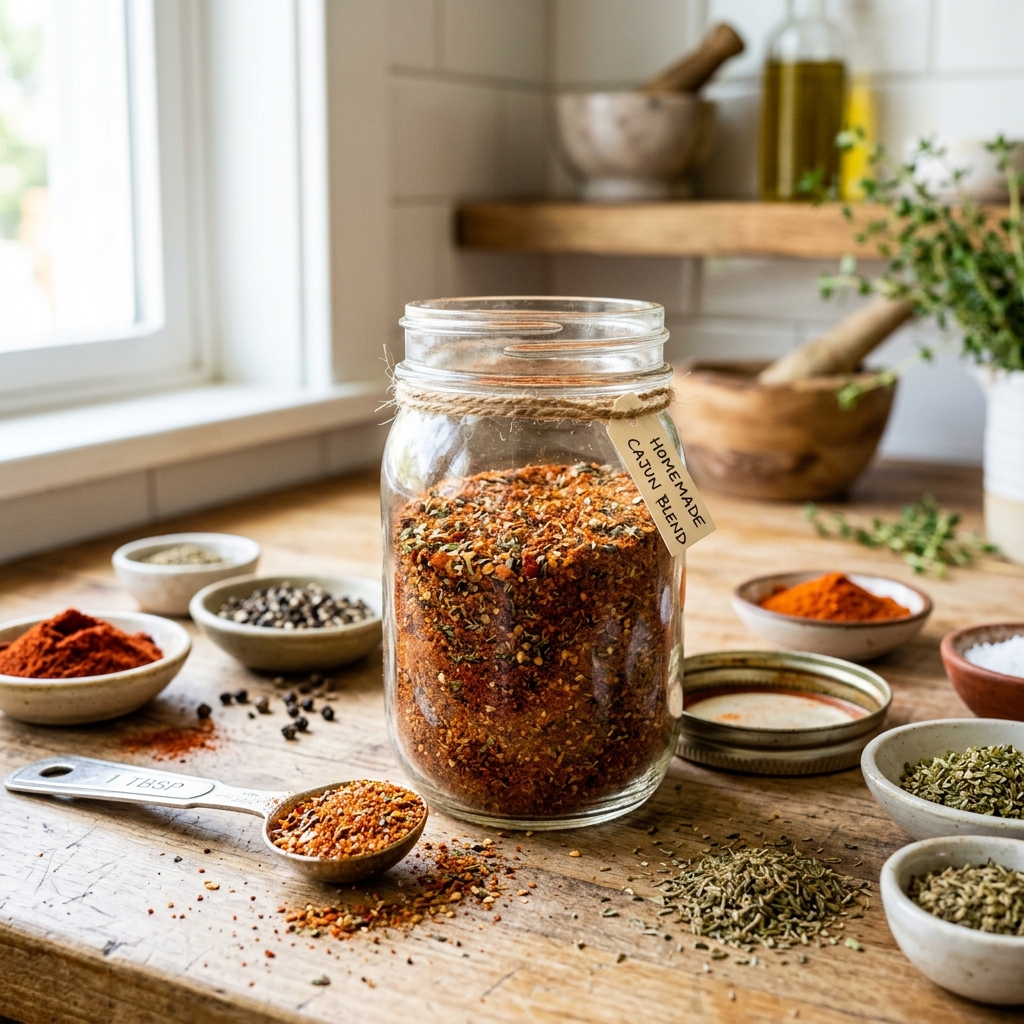
Ingredients:
- 2 tablespoons smoked or sweet paprika
- 1 tablespoon garlic powder
- 1 tablespoon onion powder
- 1 tablespoon dried oregano
- 1 tablespoon dried thyme
- 1 to 2 teaspoons cayenne pepper
- 1 tablespoon black pepper
- 1 tablespoon salt (optional)
Instructions:
- Add all ingredients to a small bowl or jar.
- Whisk well, or seal the jar and shake hard until the color looks even.
- Store in a sealed container away from heat and light. It keeps its punch for up to a year.
This homemade cajun seasoning blend smells warm and peppery the moment you open the jar, with the paprika giving it a deep red color that clings beautifully to chicken thighs and shrimp.
How to adjust your cajun seasoning recipe:
- Low sodium: Leave out the salt entirely and add salt separately at the table. USDA MyPlate notes that making your own salt-free seasoning blends is one way to cut sodium, since many commercial all-purpose seasonings tend to be high in salt.
- Low heat: Drop the cayenne to half a teaspoon and lean on sweet paprika for color and gentle flavor.
- Extra smoky: Use smoked paprika and add a quarter teaspoon of ground chipotle for a deeper, grilled taste.
Homemade vs Store-Bought: Which Should You Choose?
A good store-bought bottle saves time and tastes great on a busy weeknight. A homemade cajun seasoning blend gives you control over salt, heat, and freshness. Both belong in your kitchen.
| Factor | Homemade Cajun Seasoning Blend | Store-Bought Cajun Seasoning |
|---|---|---|
| Salt control | Full control | Often saltier |
| Heat control | Adjust to taste | Fixed by brand |
| Freshness | Bright and bold | Varies with age |
| Convenience | Five minutes of mixing | Grab and shake |
| Cost per ounce | Usually cheaper | Higher per ounce |
| Flavor consistency | You decide | Same every time |
Our honest take: homemade is best when you care about controlling salt and heat. Store-bought is best when you want speed and a flavor that tastes the same every single time.
Best Cajun Seasoning Brand Options Worth Buying
If you would rather shake than mix, here are verified store-bought options to consider. These are examples, not a ranked competition, and we picked them because they are real, well-reviewed products. Prices and availability change often, so check before you buy.
- Kingsford Cajun Style Seasoning is a lower-salt, finely ground blend that shakes evenly onto fries, eggs, and vegetables. Reviewers often call it flavorful without being overly salty.
- Frontier Co-op Organic Cajun Seasoning is an organic, Louisiana-style blend that works well on meats, seafood, and cajun pasta.
- Badia Louisiana Cajun Seasoning comes in a large 23-ounce container, making it a smart pick if you cook with it often. It carries a bold, spicy profile good for meats and vegetables.
- McCormick Perfect Pinch Bayou Cajun Seasoning offers a balanced, widely available option for everyday cooking.
When picking the best cajun seasoning brand for you, taste a small pinch first. Notice the salt level, the heat, and whether the herbs come through. That tells you how much to use before you season a whole dish.
Cajun Seasoning Uses: Where the Flavor Shines
Cajun seasoning uses go far beyond gumbo. This blend wakes up almost any savory dish, and the way it behaves changes with each food.
- Chicken: Rub it on thighs before roasting. The paprika browns into a deep crust while the cayenne keeps a steady heat under the skin.
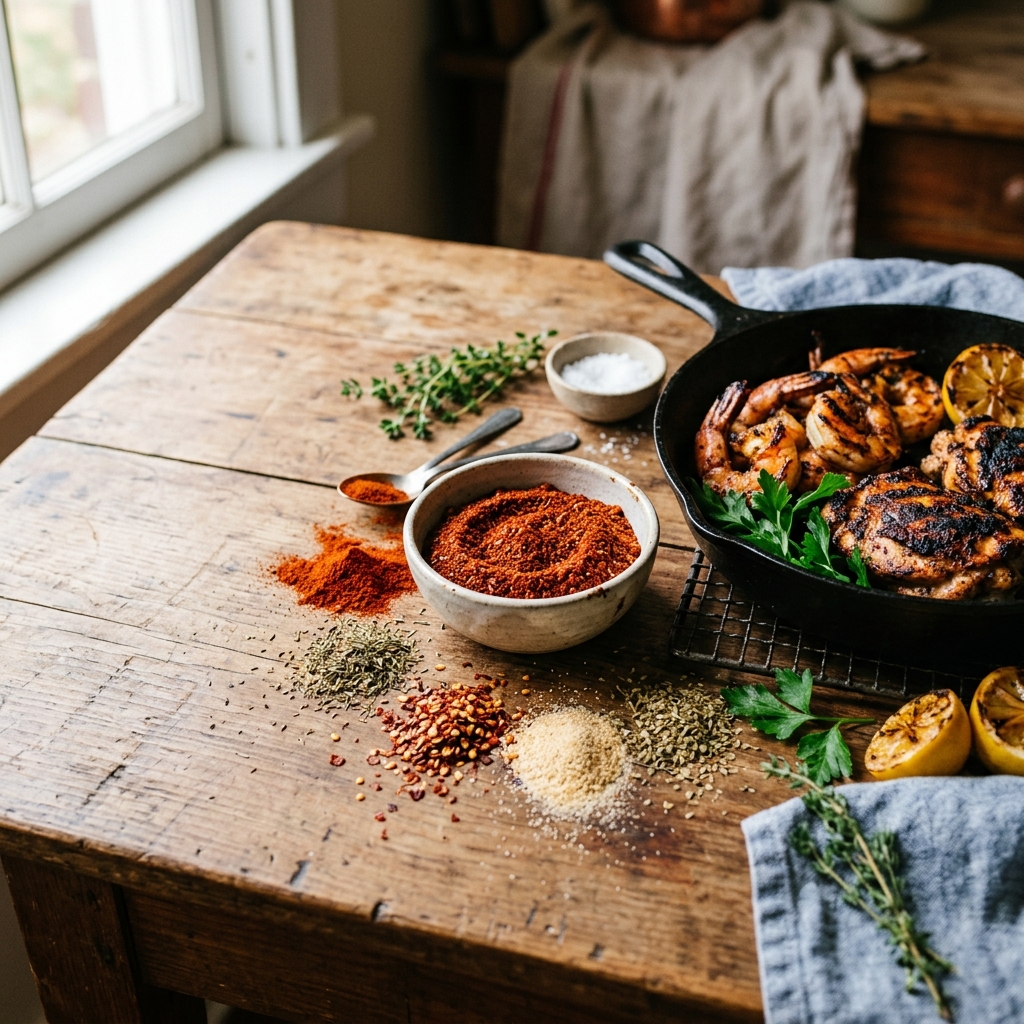
- Shrimp: Toss raw shrimp with the blend and a little butter. In three minutes you get a glossy, peppery coating that clings to every curl.
- Fries: Sprinkle it on hot fries straight from the oven. The fine powder sticks to the oil and delivers heat in every bite.
- Vegetables: Roasted potatoes, cauliflower, and corn love this blend. The smokiness pairs with the natural sweetness of charred edges.
- Pasta: Stir a spoonful into a creamy cajun pasta sauce. The cream tames the heat and spreads the garlic flavor everywhere.
- Dips: Whisk it into sour cream or hummus for a quick, zesty dip with a slow burn that builds as you snack.
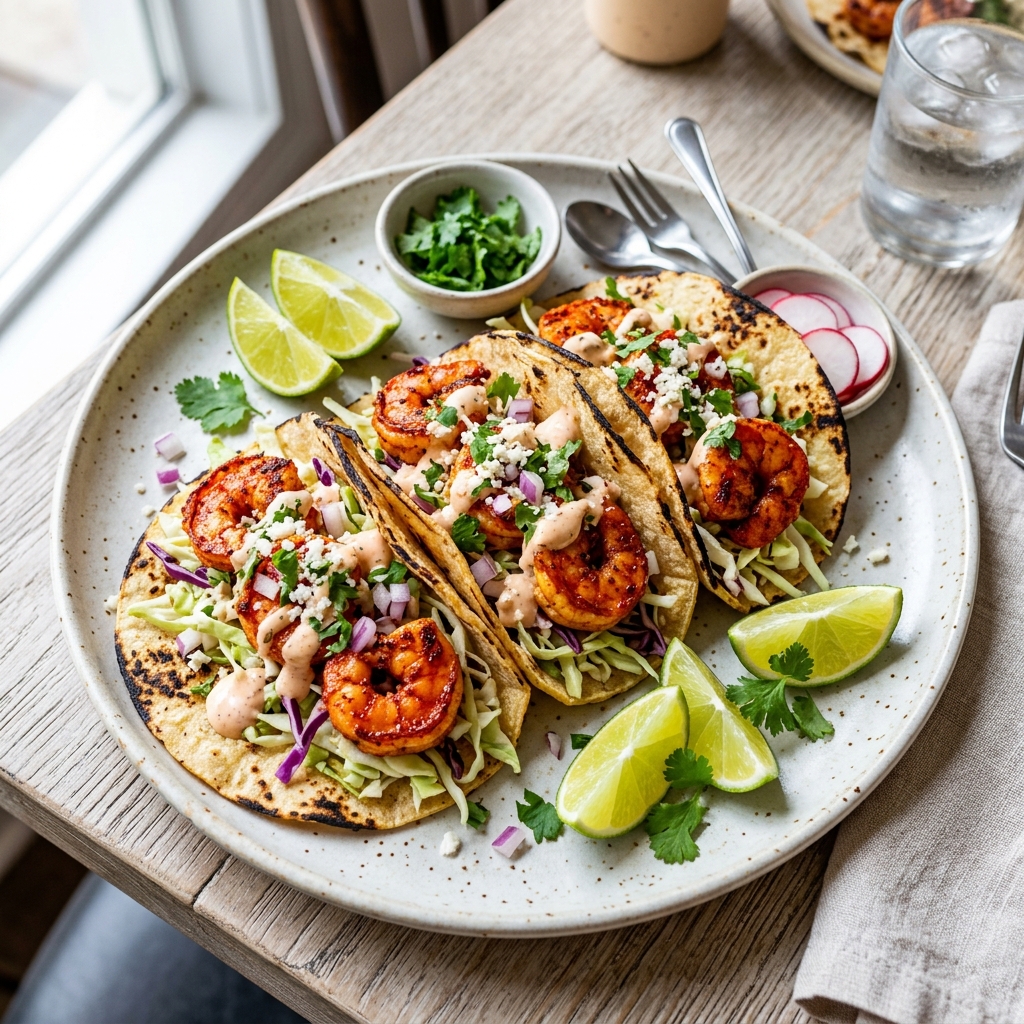
Start light. These blends are powerful, and you can always add more. For a deeper look at how spices can elevate sausages, see our guide at Summer Sausages.
Food Safety and Sodium: What You Should Know
Spices are safe to use, and a few simple facts help you feel confident. The FDA ran a two-year nationwide study of 7,249 retail spice samples and found that Salmonella contamination in retail spices was significantly lower than the levels estimated for imported shipments at the border. The FDA also notes that heat during cooking can reduce pathogen contamination, depending on the time and temperature of cooking.
On sodium, USDA MyPlate points out that many commercial all-purpose seasonings tend to be high in salt, and that making your own salt-free seasoning blends is one easy way to cut back. That is exactly why a homemade cajun seasoning blend is so handy. You control every grain of salt that goes in.
Basic kitchen habits still apply. Store your blend in a sealed jar away from heat and light, and cook proteins to a safe internal temperature.
Bringing It All Together
Here are the takeaways worth remembering. First, cajun seasoning is a peppery, garlicky, slightly smoky Louisiana blend that adds bold flavor to almost anything. Second, cajun vs creole seasoning comes down to peppers versus herbs, so pick based on the heat and aroma you want. Third, a homemade cajun seasoning blend gives you control over salt and heat, while a trusted store-bought best cajun seasoning brand gives you speed and consistency. Fourth, the cajun seasoning uses are nearly endless, from shrimp to fries to creamy pasta.
Whether you mix your own jar or grab a bottle, the goal is the same: more flavor on your plate. Come back to FlavorSuggest whenever you want honest, taste-tested guidance on the spices and products worth your money.
Frequently Asked Questions
What is cajun seasoning made of?
Cajun seasoning is made mainly of cayenne pepper, garlic powder, black pepper, and paprika. Many blends add onion powder, oregano, thyme, and salt. The mix gives a spicy, earthy, slightly smoky flavor that works on most savory foods.
Is cajun seasoning the same as creole seasoning?
No. Cajun seasoning leans on ground peppers and tastes spicier, while creole seasoning leans on herbs like oregano and thyme and tastes softer and more aromatic. Both come from Louisiana and can be swapped in a pinch, but cajun is usually the hotter of the two.
How do I make cajun seasoning less salty?
Make a homemade cajun seasoning blend and leave the salt out completely, then add salt separately at the table. USDA MyPlate notes that making your own salt-free blends helps reduce sodium, since many store seasonings are high in salt. This lets you use more spice for flavor without the salty bite.
What is the best cajun seasoning brand to buy?
The best cajun seasoning brand depends on your taste for salt and heat. Popular verified options include Kingsford Cajun Style, Frontier Co-op Organic, Badia Louisiana, and McCormick Perfect Pinch Bayou. Taste a small pinch first, then decide how much to use.
Is cajun seasoning spicy?
Yes, cajun seasoning has real heat because every blend contains cayenne pepper. It is warm and peppery rather than mouth-scorching, and the heat tends to build slowly. You can control the spice level by making your own blend and adjusting the cayenne.
What can I use cajun seasoning on?
You can use cajun seasoning on chicken, shrimp, fish, fries, roasted vegetables, pasta, eggs, soups, and dips. It works as a dry rub, a sprinkle, or a stir-in. Start with a light hand since the blend is powerful.
Can I make a homemade cajun seasoning blend without cayenne?
Yes, but it will lose most of its signature heat. To keep flavor without the burn, replace cayenne with extra sweet paprika and a little black pepper. The result tastes warm and smoky rather than fiery.
Does cajun seasoning go bad?
Cajun seasoning does not spoil like fresh food, but it loses strength over time. Stored in a sealed jar away from heat and light, a homemade cajun seasoning blend keeps good flavor for about a year. If it smells flat or dusty, it is time to make a fresh batch.
Is cajun seasoning gluten free?
Many cajun seasonings are gluten free, but it depends on the brand and any anti-caking agents used. Some store bottles, like certain Kingsford products, list gluten free on the label. Always read the package or make your own blend to be sure.
How do I make cajun seasoning smoky?
Use smoked paprika instead of sweet paprika as the base of your cajun seasoning recipe. For an even deeper grilled taste, add a small amount of ground chipotle. This gives food that charred, off-the-grill aroma even when cooked on the stove.
References
- USDA MyPlate, Everyday Salt-Free Seasoning Blend: https://myplate-prd.kwaps.platform.usda.gov/sites/default/files/2024-02/EverydaySaltFreeSeasoningBlend-VideoTranscript-shorterversion.pdf
- U.S. Food and Drug Administration, Questions and Answers on Improving the Safety of Spices: https://www.fda.gov/food/risk-and-safety-assessments-food/questions-answers-improving-safety-spices
- U.S. Food and Drug Administration, Risk Profile on Pathogens and Filth in Spices: https://www.fda.gov/files/food/published/Risk-Profile–Pathogens-and-Filth-in-Spices.pdf