Spanish Passion Fruit: A Complete Guide (2026)
Imagine biting into a fruit that instantly transports you to a sun-soaked Caribbean beach or a lush South American rainforest. That’s the power of Spanish passion fruit, known globally for its intense aroma and tangy-sweet flavor profile. Whether you know it as maracuya, parcha, or chinola, this tropical gem is more than just a smoothie ingredient; it’s a cultural staple across the Spanish-speaking world.
In this guide, we will explore everything you need to know about this exotic fruit. From its impressive health benefits to its culinary versatility, we’ll uncover why maracuya deserves a spot in your kitchen. We’ll also dive into the nuances of regional names like “passion fruit parcha” and “passion fruit Dominican Republic” style. Let’s peel back the rind and get started.
What is Maracuya?
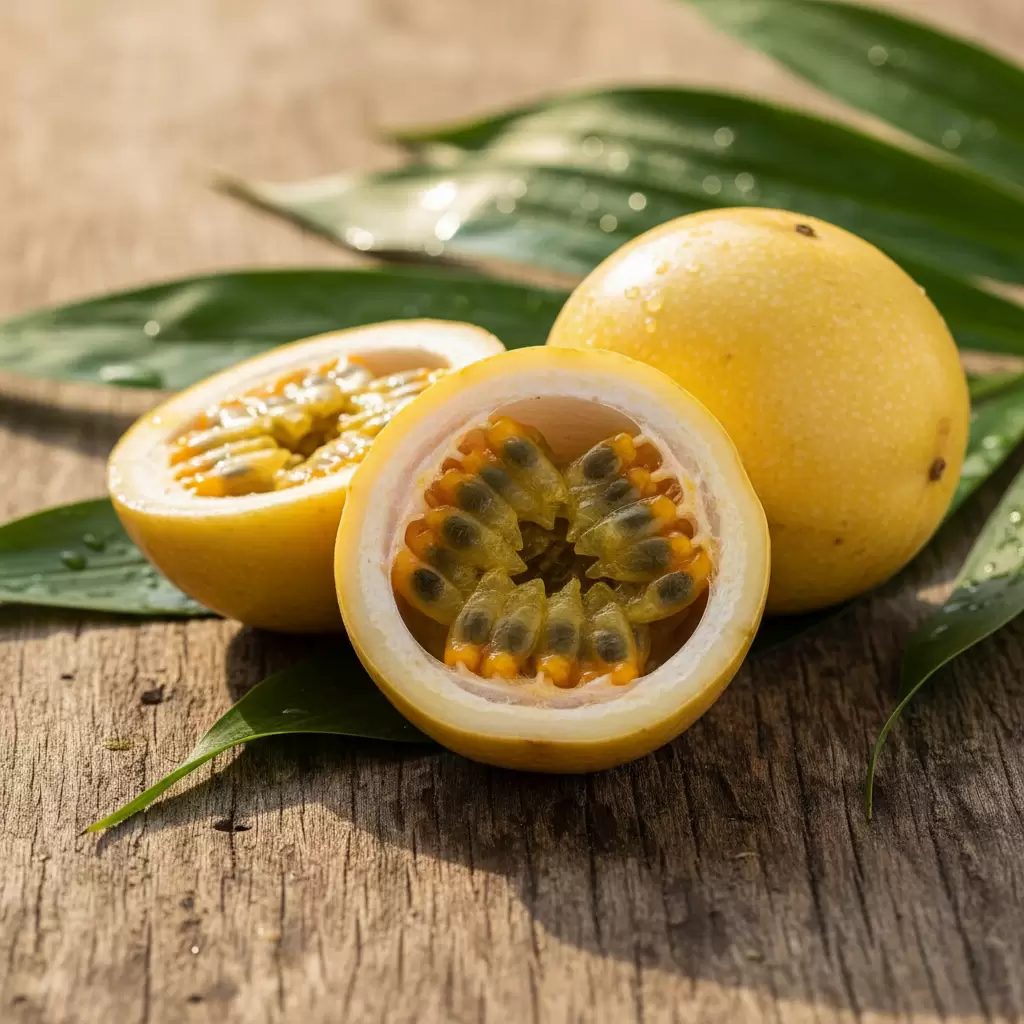
Maracuya, or maracuyá in Spanish, is the fruit of the Passiflora edulis vine. While English speakers simply call it passion fruit, the Spanish terminology offers a glimpse into its deep roots in Latin American culture. The name itself comes from the Guarani word mburukuja, meaning “breeding place for flies,” which sounds unappealing but refers to the sweet nectar that attracts pollinators.
Understanding the Varieties
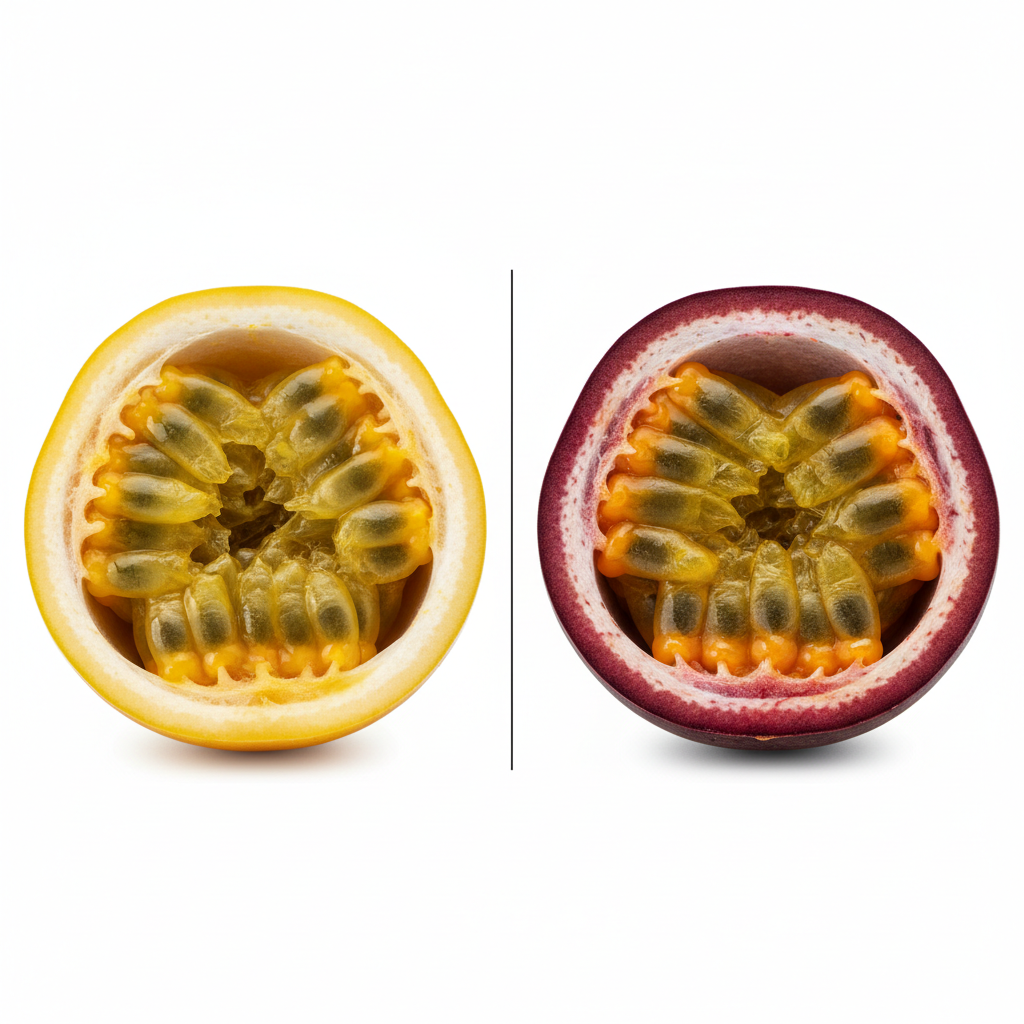
When you ask “what is maracuya,” the answer depends slightly on where you are. There are two main commercial varieties:
- Yellow Passion Fruit (Passiflora edulis f. flavicarpa): This is the true “maracuya” in most of South America. It is larger, roughly the size of a grapefruit, with a smooth, thick yellow rind. It is significantly more tart than its purple cousin and is primarily used for juices, sauces, and desserts.
- Purple Passion Fruit (Passiflora edulis): Often called gulupa in Colombia, this variety is smaller, sweeter, and has a wrinkly purple skin when ripe. This is the variety most commonly found in US grocery stores labeled simply as “passion fruit.”
Regional Names: Parcha, Chinola, and More
One of the most confusing aspects for English speakers is the sheer number of names for Spanish passion fruit.
- Maracuya: Used in Mexico, Ecuador, Peru, and most of South America.
- Parcha: This is the common term for passion fruit parcha in Venezuela and Puerto Rico. If you ask for jugo de parcha in San Juan, you’ll get passion fruit juice.
- Chinola: This is the exclusive term for passion fruit Dominican Republic locals use.
- Granadilla: Often confused with maracuya, this is a different, sweeter species (Passiflora ligularis) with orange skin and grey pulp, popular in Colombia and Peru.
Flavor Profile and Texture
Maracuya in English is best described as a flavor bomb. The yellow maracuya is highly acidic, floral, and musky, with a tartness that makes your jaw tingle. The pulp consists of membranous sacs containing black, crunchy seeds. While you can eat the seeds, many recipes call for straining the pulp to extract the pure, golden nectar known as maracuya in English circles as “passion fruit concentrate.”
Health Benefits of Spanish Passion Fruit
Beyond its incredible taste, maracuya is a nutritional powerhouse. Incorporating Spanish passion fruit into your diet can offer significant health advantages, supported by scientific research.
Rich in Antioxidants
Maracuya is loaded with antioxidants, particularly Vitamin C, beta-carotene, and polyphenols. According to the National Institutes of Health (NIH), Vitamin C is essential for the biosynthesis of collagen and plays a vital role in immune function. A single serving of maracuya provides a substantial portion of your daily Vitamin C needs, helping to fight inflammation and protect cells from damage.
High Fiber Content
If you are looking for digestive health support, maracuya fruit is an excellent choice. The seeds are rich in insoluble fiber, which aids in digestion and prevents constipation. A study published by the U.S. Department of Agriculture (USDA) notes that passion fruit is one of the highest-fiber fruits available, providing roughly 25 grams of fiber per cup if you consume the seeds.
Glycemic Index Control
Despite its sweetness, maracuya has a low glycemic index (GI). This means it does not cause a rapid spike in blood sugar levels, making it a safe fruit option for people with diabetes. A study highlighted in the National Library of Medicine suggests that compounds found in passion fruit seeds may improve insulin sensitivity, potentially reducing the risk of type 2 diabetes.
Anxiety and Sleep Support
The Passiflora genus has long been used in traditional medicine as a sedative. While the fruit itself has a milder effect than the leaves used in teas, Spanish passion fruit contains alkaloids and magnesium that can help calm the nervous system. In many Latin American households, a glass of maracuya juice is a common remedy for hyperactive children or a stressful day.
How to Use Maracuya in Recipes
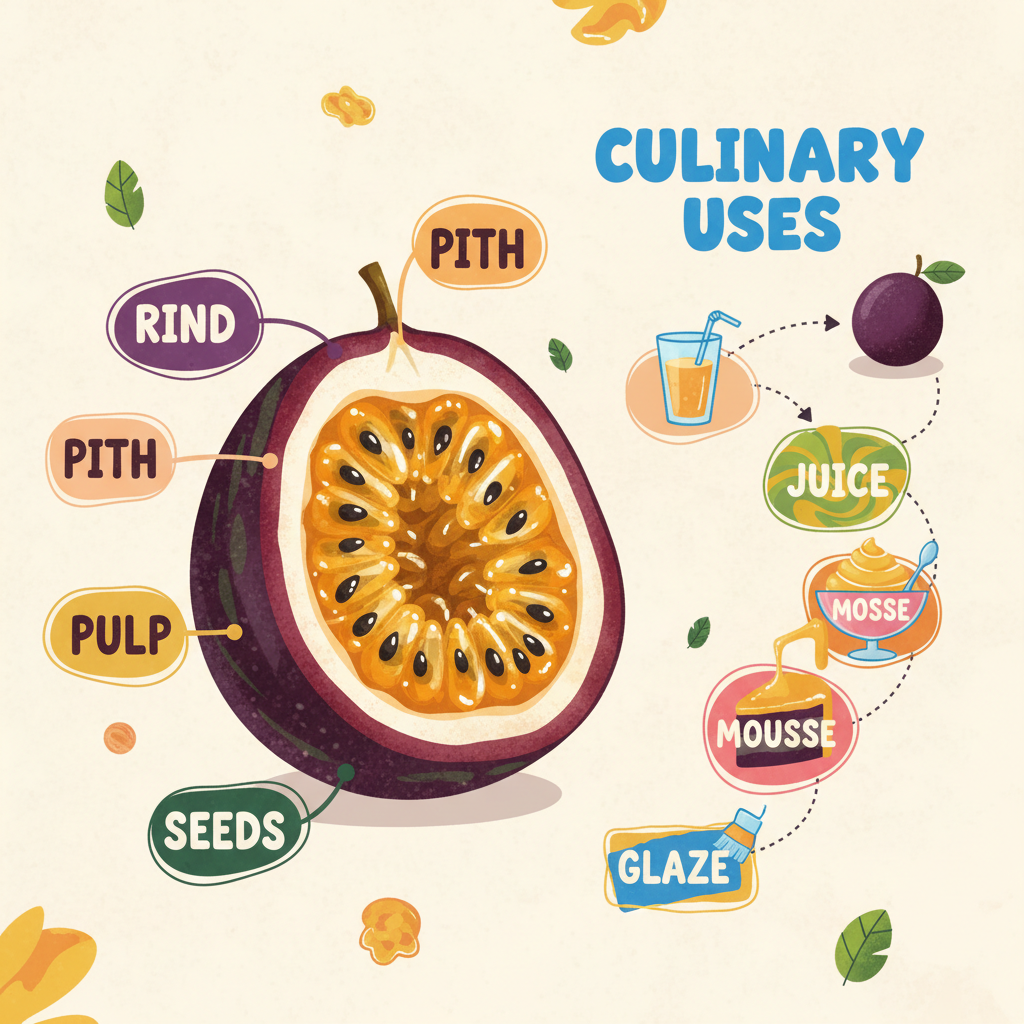
The acidity of Spanish passion fruit makes it a versatile ingredient. It cuts through fat and sugar, balancing rich desserts and savory dishes alike. Here is how you can use maracuya in English and Spanish kitchens.
The Classic: Maracuya Juice (Jugo de Maracuyá)
In almost every country where it grows, the most popular use is juice.
- Scoop the pulp from 4 large yellow maracuyas.
- Blend briefly with 4 cups of water (pulse gently to avoid breaking the seeds, which makes the juice bitter).
- Strain through a fine-mesh sieve.
- Sweeten to taste with sugar or honey.
Tip: In the Dominican Republic (where it’s chinola), they often add evaporated milk to create a creamy beverage known as “Morir Soñando de Chinola.”
Passion Fruit Mousse (Mousse de Maracuyá)
This is a staple dessert in Brazil and Colombia. It requires only three ingredients: maracuya concentrate, sweetened condensed milk, and heavy cream. Blend them together and refrigerate until set. The acid in the fruit thickens the cream naturally without gelatin.
Savory Applications
Don’t limit yourself to sweets. Maracuya fruit makes an excellent glaze for proteins.
- Salmon with Maracuya Sauce: Reduce passion fruit pulp with a little honey, soy sauce, and garlic. Brush over grilled salmon for a tropical twist.
- Vinaigrettes: Swap vinegar for strained passion fruit juice in your salad dressing. It pairs beautifully with avocado and spinach salads.
Growing Your Own
If you live in a warm climate (USDA zones 9-11), you can grow the vine yourself. It requires a sturdy trellis and full sun. Understanding what is passion fruit parcha cultivation requires knowing that the vines are vigorous growers. They can take over a fence in a single season, providing shade and fruit simultaneously.
Cultural Significance of Maracuya
To understand the Spanish passion fruit, you must understand the culture that surrounds it. In Latin America, fruit is not just a snack; it is a way of life. Fresh fruit juice stands (juguerías) are as common as coffee shops in the US.
The Religious Connection
The name “Passion Fruit” was actually coined by Spanish missionaries in the 16th century. They saw the complex flower structure as a symbol of the Passion of Christ:
- The three stigmas represented the three nails.
- The five anthers represented the five wounds.
- The ten petals represented the ten faithful apostles (excluding Judas and Peter).
This religious symbolism helped integrate the fruit into the colonial narrative, and today, the flower is still revered for its beauty.
A Symbol of Hospitality
In countries like Colombia and Ecuador, offering a glass of fresh jugo de maracuyá is a standard gesture of hospitality. It signifies freshness and effort, as making the juice from scratch requires processing the fruit manually.
The Caribbean Vibe
In the Caribbean, specifically relating to passion fruit Dominican Republic (chinola) and Puerto Rico (parcha), the fruit is deeply tied to summer and refreshment. It is the flavor of the beach. Street vendors sell limbers (frozen fruit ice) made of parcha, providing relief from the humid tropical heat.
Where to Find and Buy Maracuya
Finding fresh maracuya fruit can be a challenge depending on your location, but global trade has made it more accessible.
Grocery Stores
- Conventional Supermarkets: Look in the exotic fruit section. You are more likely to find the purple variety here.
- Asian and Latin Markets: This is your best bet for finding the large yellow Spanish passion fruit. Look for signs saying “Maracuya” or “Frozen Pulp.”
- Frozen Section: If you can’t find fresh fruit, look for frozen pulp packets (Goya is a common brand). These are excellent for juices and desserts and are often labeled “Maracuya Pulp” or “Parcha.”
Selecting the Perfect Fruit
Don’t be afraid of wrinkles! For the purple variety, smooth skin means it is underripe and tart. A wrinkled skin indicates the fruit is ripe, sweet, and full of juice. For the large yellow maracuya, the skin usually stays smooth but may yield slightly to pressure when ripe. Avoid fruits with soft spots or mold.
FAQs About Spanish Passion Fruit
1. What is maracuya in English?
Maracuya translates directly to “passion fruit” in English. Specifically, it usually refers to the yellow variety (Passiflora edulis f. flavicarpa), while “passion fruit” in the US often implies the purple variety.
2. Is maracuya the same as passion fruit?
Yes and no. Maracuya is the Spanish word for passion fruit. However, in culinary contexts, “maracuya” often refers to the large, tart yellow fruit, while “passion fruit” refers to the smaller, sweeter purple fruit.
3. What is passion fruit parcha?
“Parcha” is the specific regional name for passion fruit used in Puerto Rico and Venezuela. It refers to the same fruit as maracuya.
4. How do you eat maracuya?
You can cut the fruit in half and scoop out the pulp with a spoon to eat it raw, seeds and all. Alternatively, you can strain the pulp to make juice, sauces, or cocktails.
5. What are the health benefits of passion fruit?
It is high in Vitamin C, fiber, and Vitamin A. It supports immune health, digestion, and may help regulate blood sugar levels due to its low glycemic index.
6. What is the difference between Granadilla and Maracuya?
Granadilla (Passiflora ligularis) is sweeter, has orange skin, and greyish translucent pulp. Maracuya is more acidic, has yellow skin, and bright orange-yellow pulp. Granadilla is usually eaten raw, while maracuya is often processed into juice.
7. Can you eat passion fruit seeds?
Yes, the seeds are edible and provide a satisfying crunch. They are also an excellent source of fiber and magnesium.
8. How do you store maracuya?
Unripe fruit can be left on the counter to ripen. Once ripe (wrinkled), store them in the refrigerator for up to two weeks. You can also freeze the pulp for up to a year.
9. What is chinola?
Chinola is the name for passion fruit in the Dominican Republic. It is the exact same fruit as the yellow maracuya found in South America.
10. Why is my passion fruit sour?
Passion fruit, especially the yellow maracuya variety, is naturally tart and acidic. If it is too sour, it may be underripe, or it may simply need to be sweetened with honey or sugar, which is common in juice preparation.
Conclusion
Whether you call it Spanish passion fruit, maracuya, parcha, or chinola, this fruit is a vibrant addition to any diet. Its unique combination of intense aroma, tart flavor, and health benefits makes it a standout ingredient in the global kitchen. From fighting inflammation with its high Vitamin C content to creating unforgettable desserts like mousse and cheesecake, maracuya offers endless possibilities.
Next time you are at the market, don’t pass by the wrinkled purple fruit or the large yellow orbs. Grab a few and bring a taste of the tropics home.
Ready to explore more exotic flavors and find the perfect pairing for your next meal? Visit www.flavorsuggest.com to discover new taste combinations and culinary inspiration.