Best Protein Powder for Weight Loss: Top Picks and Expert Tips
Picture this. You finish a long workout, head to the kitchen, and immediately feel a massive wave of hunger. You want to eat everything in sight, which makes sticking to your weight loss goals feel impossible. Managing hunger while cutting calories is tough. But what if you could drink something that tastes like a rich chocolate milkshake, keeps you full for hours, and helps your body burn fat? That is exactly what a high-quality protein supplement can do.
Protein powder is a dietary supplement extracted from animal or plant sources, designed to give you a concentrated dose of macronutrients without extra carbs or fats. If you are asking what is the best protein powder for weight loss, the direct answer is that whey isolate, micellar casein, and clean plant-based blends are the top choices. These specific powders offer the highest protein-to-calorie ratio. They suppress your appetite, boost your metabolism, and help you maintain lean muscle mass while you lose fat.
Finding the right supplement is not just about the nutrition label. It is also about the flavor and texture. If a drink tastes chalky or bitter, you will not drink it. We are going to explore the top options that actually taste great, mix smoothly, and support your fitness goals.
How Protein Powder Helps with Weight Loss
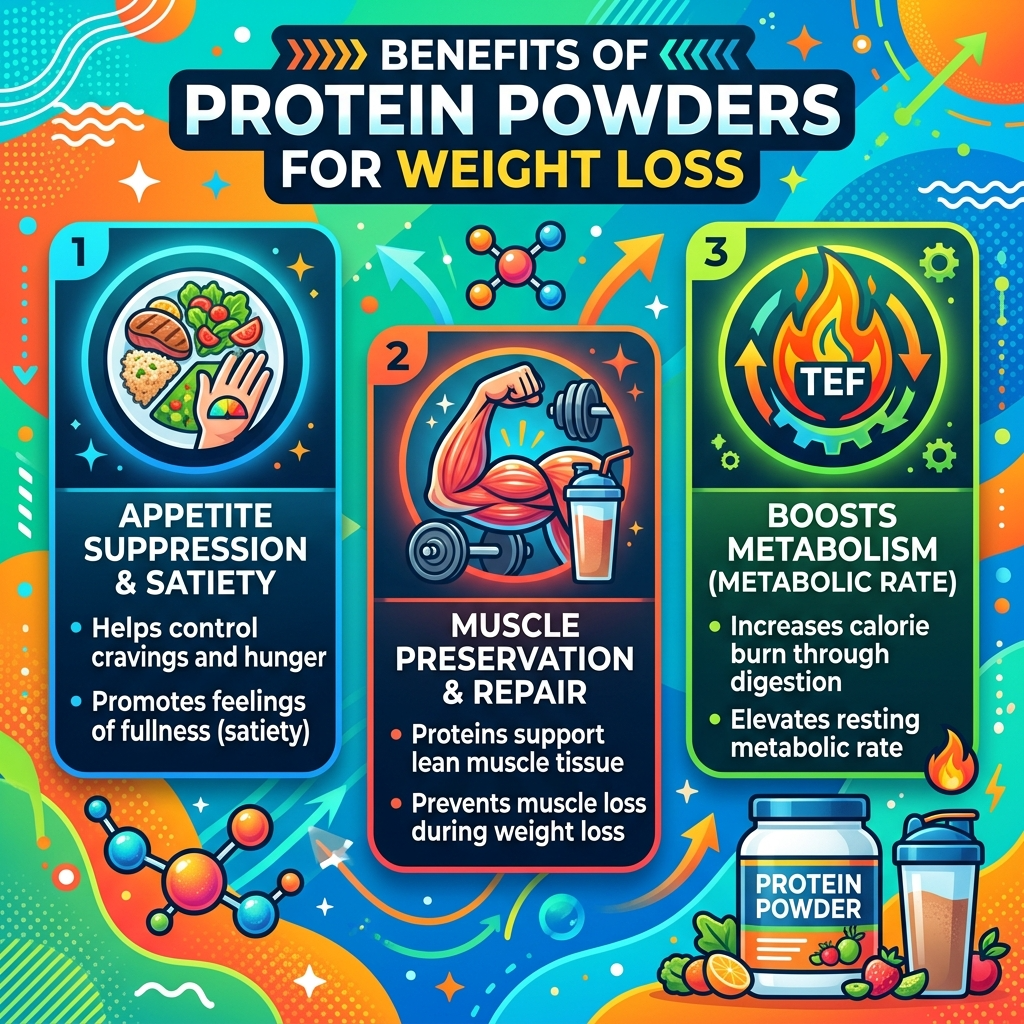
You might wonder how drinking a flavored shake actually helps you lose weight. The science comes down to three main physical reactions in your body.
First, protein acts as a powerful appetite suppressant. When you drink a protein shake, your body lowers the production of ghrelin, the hormone that makes you feel hungry. At the same time, it increases hormones that signal fullness. A thick, creamy shake sends a message to your brain that you have eaten a substantial meal.
Second, protein helps preserve muscle mass. When you eat in a calorie deficit, your body often burns muscle alongside fat. By keeping your protein intake high, you tell your body to hold onto that muscle. This matters because muscle tissue burns more calories at rest than fat tissue.
Third, digesting protein takes a lot of energy. This is called the thermic effect of food. Your body uses up to 30 percent of the calories in a protein shake just to break it down and absorb it. You are literally burning calories while you digest your drink.
Types of Protein Powders for Weight Loss
Walking down the supplement aisle can feel overwhelming. You will see several different types of protein, each offering a unique texture and flavor profile.
Whey Protein
Whey is a byproduct of cheese production. It digests very quickly, making it ideal for a post-workout drink. Whey isolate is the purest form, removing almost all the fat and lactose. In terms of flavor, whey is usually the most pleasant. It mixes easily with water or milk, creating a smooth, milky texture that pairs perfectly with sweet flavors like vanilla bean or double chocolate.
Casein Protein
Casein also comes from milk, but it digests much slower than whey. It forms a gel-like substance in your stomach, which provides a steady release of amino acids over several hours. This makes casein perfect for curbing late-night cravings. From a sensory perspective, casein is thicker and creamier than whey. It works wonderfully for making protein puddings or thick milkshakes.
Plant-Based Protein
Plant-based powders usually blend pea, rice, or hemp proteins. These are excellent if you cannot digest dairy. In the past, plant proteins tasted gritty or earthy. Today, brands use better milling processes to create smooth, nutty flavors that blend perfectly into fruit smoothies.
Collagen Protein
Collagen comes from the connective tissues of animals. While it is not a complete protein for building massive muscle, it supports joint, skin, and bone health. Collagen is virtually flavorless and dissolves completely clear in hot or cold liquids. You can mix it right into your morning coffee without changing the taste or texture.
Best Protein Powder for Women for Weight Loss
Many readers ask us how to find the best protein powder for weight loss female bodies actually respond well to. Women often look for powders that do not cause bloating and have a slightly lower calorie count per scoop. The best protein powder for women weight loss goals will usually feature added digestive enzymes or probiotics.
A top recommendation for the best protein powder for weight loss female shoppers love is a clean whey isolate or a refined pea protein. Because women generally require fewer daily calories than men to lose weight, finding a powder that delivers 20 to 25 grams of protein for around 100 calories is ideal.
Flavor matters deeply here. Many women prefer lighter, less artificial-tasting options. Look for brands sweetened with natural stevia or monk fruit rather than heavy artificial sweeteners. Powders that offer a light, refreshing taste—like strawberry or iced coffee—are often much more enjoyable to drink daily. When looking for the best protein powder for women weight loss journeys, prioritize easy mixing and a clean aftertaste.
Best Protein Powder for Weight Loss and Muscle Growth
If you want to tone up while dropping pounds, you need a supplement that fuels recovery. The best protein powder for weight loss and muscle growth must contain a complete amino acid profile. Amino acids are the building blocks your body uses to repair torn muscle fibers after lifting weights.
Whey protein isolate is heavily favored as the best protein powder for weight loss and muscle growth. Because it absorbs rapidly, it rushes nutrients directly to your muscles when they need them most. You get maximum muscle repair with minimal fat and carbohydrate intake.
If you prefer an animal-free option, a soy protein isolate or a blended pea and rice protein also provides the complete amino acids necessary for muscle repair. The sensory experience of a good recovery shake should be rewarding. After a hard workout, a rich, chocolatey shake feels like a treat rather than a diet food.
How to Choose the Right Protein Powder
Selecting the perfect tub of protein requires looking at a few specific details.
Protein Content: Check the back label. You want at least 20 to 25 grams of protein per scoop.
Calories and Sugar: A good weight loss powder should sit between 100 and 130 calories per serving. Keep the sugar count under 3 grams. Liquid calories add up quickly.
Ingredient Transparency: Read the ingredient list. Shorter is better. Avoid thickeners like carrageenan if you have a sensitive stomach. Look for brands that clearly state they undergo third-party testing for purity.
Flavor and Mixability: Since our site is all about taste, we cannot stress this enough. If a powder clumps up and tastes like chalk, you will stop using it. Read reviews specifically mentioning texture. If you plan to mix it just with water, whey isolate usually tastes the best. If you plan to blend it with bananas and peanut butter, a plant-based option adds a nice nutty undertone.
Top Protein Powder Recommendations
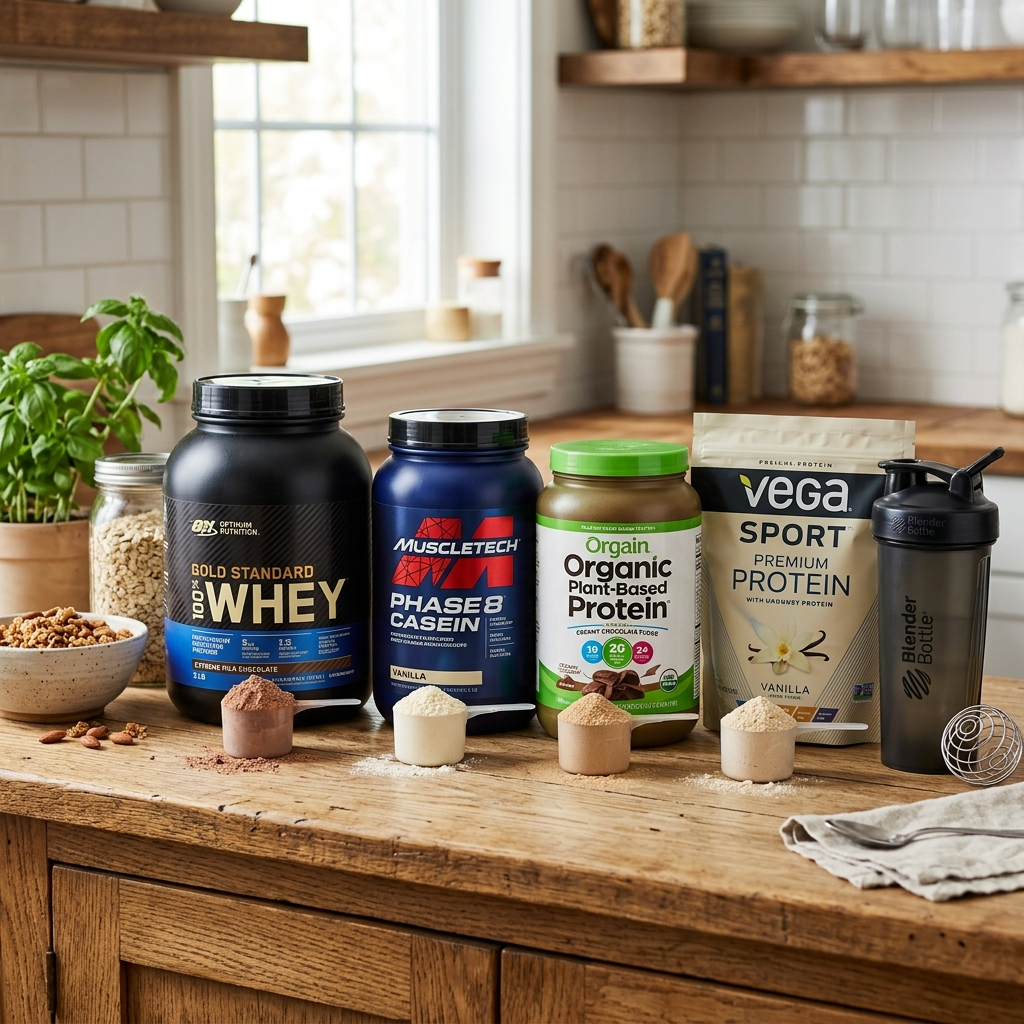
Here is a breakdown of our favorite options, focusing on their nutritional value and their flavor profiles.
| Brand | Type | Calories | Protein per Serving | Key Features |
|---|---|---|---|---|
| Optimum Nutrition Gold Standard | Whey Blend | 120 | 24g | Incredible chocolate flavor, mixes instantly |
| Dymatize ISO100 | Whey Isolate | 110 | 25g | Very low carb, light and fruity flavors available |
| Orgain Organic Plant Based | Plant Blend | 150 | 21g | Creamy texture, no dairy bloating, organic |
| Legion Casein+ | Casein | 110 | 25g | Thick milkshake texture, keeps you full for hours |
| Vital Proteins Peptides | Collagen | 70 | 18g | Unflavored, dissolves in hot coffee easily |
Tips for Using Protein Powder for Weight Loss
Buying the powder is only the first step. Using it correctly determines your results.
First, timing matters. Drinking a shake for breakfast sets a positive tone for the day. It stabilizes your blood sugar and prevents mid-morning snack cravings. Alternatively, drinking a shake within 30 minutes of finishing a workout speeds up muscle recovery.
Second, get creative with your recipes. You do not have to just shake it in a plastic bottle with water.
- Protein Oatmeal: Stir a scoop of vanilla whey into your morning oats for a sweet, creamy, filling breakfast.
- Smoothies: Blend chocolate plant protein with half a frozen banana, a handful of spinach, and almond milk. The frozen banana gives it an ice-cream-like consistency.
- Protein Coffee: Mix a scoop of unflavored collagen or vanilla whey into your iced coffee for a morning energy boost.
Finally, pair your shakes with resistance training. Protein powder works best when your muscles actually need repairing. Lifting weights two to three times a week ensures the protein goes toward building a toned physique rather than just being burned for general energy.
Frequently Asked Questions
What is the best protein powder for weight loss?
Whey protein isolate and micellar casein are the top choices. They offer high protein counts with very low calories and carbohydrates.
What is the best protein powder for women for weight loss?
Women often prefer clean whey isolates or pea proteins that digest easily. Look for options with around 100 calories and zero added sugars to avoid bloating.
How does protein powder help with weight loss?
Protein reduces your hunger hormones, keeps you full for hours, and preserves calorie-burning muscle mass while you eat in a deficit.
Can I use protein powder as a meal replacement?
You can, but you should add other nutrients to make it a complete meal. Blending a scoop of protein with fruit, spinach, and a healthy fat like almond butter works well.
What is the best time to take protein powder for weight loss?
Consuming a shake first thing in the morning or immediately after a workout yields the best results for controlling appetite and recovering muscle.
Are plant-based protein powders good for weight loss?
Yes. Plant-based options like pea and brown rice blends often contain extra fiber, which helps keep you full and satisfied even longer.
How much protein powder should I take for weight loss?
Aim for one to two scoops a day, yielding about 20 to 50 grams of supplemental protein, depending on how much meat, dairy, or plant protein you eat in your regular meals.
What are the side effects of protein powder?
Some people experience mild gas or bloating, especially if they are sensitive to the lactose in cheap whey concentrates. Switching to a whey isolate or a plant protein usually fixes this.
Can protein powder cause weight gain?
If you drink protein shakes on top of your normal calorie intake without exercising, the extra calories will cause weight gain. Always track your total daily calories.
What is the best protein powder for weight loss and muscle growth?
Whey protein isolate is unmatched for this dual purpose. It digests quickly, feeds tired muscles immediately, and stays very low in fat.
Wrapping Up Your Protein Strategy
Losing weight requires consistency, and a good protein shake makes consistency much easier. By increasing your daily protein intake, you manage your hunger naturally, support your metabolism, and give your body the tools it needs to hold onto lean muscle.
Whether you choose a fast-acting whey isolate, a thick and creamy casein, or an earthy plant-based blend, pick a flavor you genuinely enjoy drinking. The best supplement is always the one you actually use.
If you love exploring how different foods taste and want more sensory breakdowns of your favorite products, visit www.flavorsuggest.com. We help you find the best flavors to keep your diet exciting and sustainable.
References
- U.S. Department of Agriculture (USDA). (2024). Dietary Protein and Weight Management: Satiety and Metabolic Rate Tracking. [usda.gov]
- National Institutes of Health (NIH). (2025). Thermic Effect of Macronutrients and Impact on Body Composition. [nih.gov]
- Harvard T.H. Chan School of Public Health. (2026). Protein Supplements and Lean Mass Preservation in Caloric Deficits. [harvard.edu]