The Best Sparkling Wines of 2026: Affordable, Italian, Spanish, and More
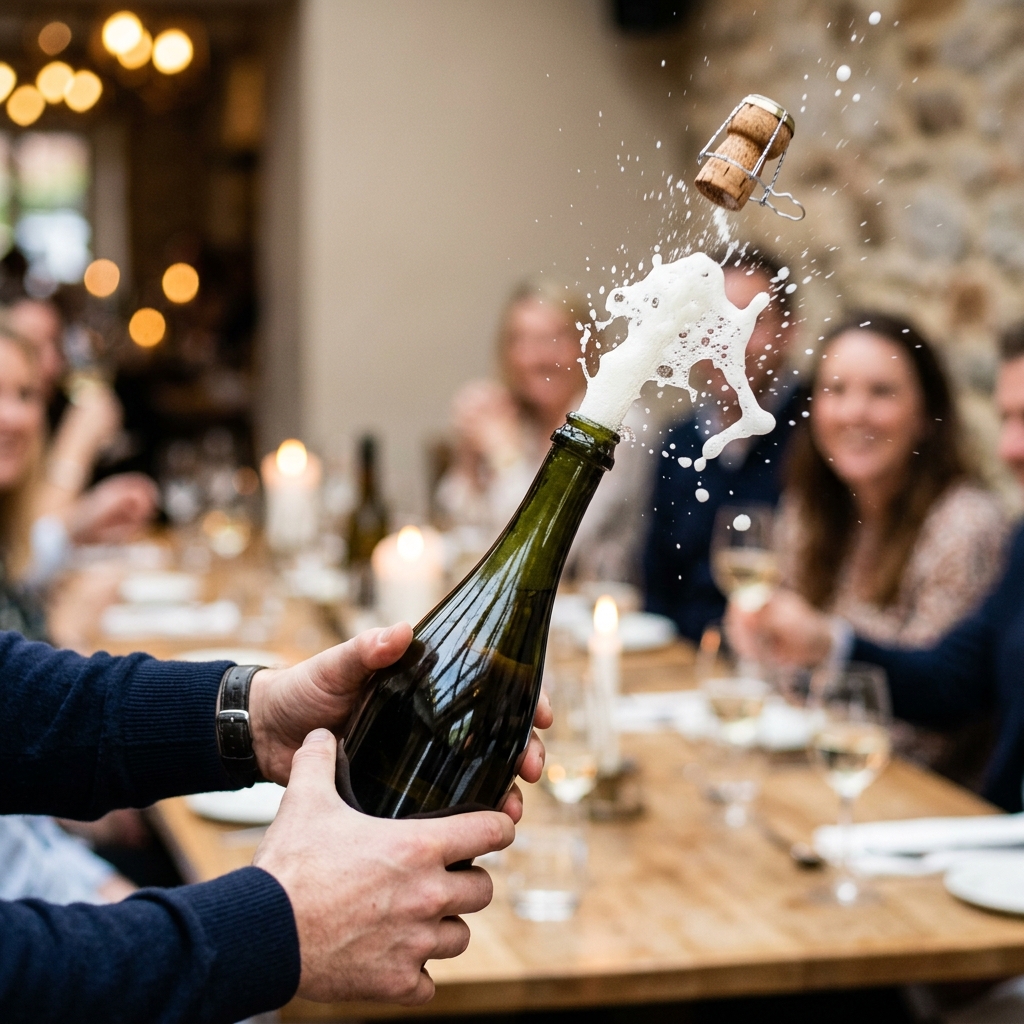
Popping a cork instantly changes the mood of a room. Whether you are celebrating a major milestone or just surviving a long Tuesday, that distinct pop signals something special is about to happen. Here at flavorsuggest.com, our passion is exploring the tastes and profiles that make food and drink memorable. Today, we are focusing on one of the most exciting categories in the beverage world.
What is sparkling wine? Sparkling wine is a wine containing significant levels of carbon dioxide, which creates its signature fizz. This carbonation occurs naturally through a secondary fermentation process or through carbon dioxide injection. The result is a crisp, refreshing beverage that cleanses the palate and pairs beautifully with a wide variety of foods.
As the global market continues to expand, sales data from 2024 shows consumer interest in carbonated wines grew by nearly 15 percent, with buyers specifically seeking out new regional flavors and budget-friendly options.
What Makes Sparkling Wine Special?
The magic of this beverage comes down to carbonation, flavor profiles, and the occasions it suits. The bubbles act as a palate cleanser. When you take a sip, the carbonation cuts through rich, fatty foods like cheese and fried appetizers. This makes it an incredibly versatile pairing option.
Flavor profiles range dramatically based on the grapes used and the fermentation method. Some bottles offer bright notes of green apple and citrus. Others deliver rich flavors of toasted brioche and almond. You can find a bottle to match almost any meal or mood. People often reserve these bottles for weddings and New Year parties. A casual brunch or a simple weeknight dinner is just as fitting for a glass of bubbles.
Top Inexpensive Sparkling Wines for 2026
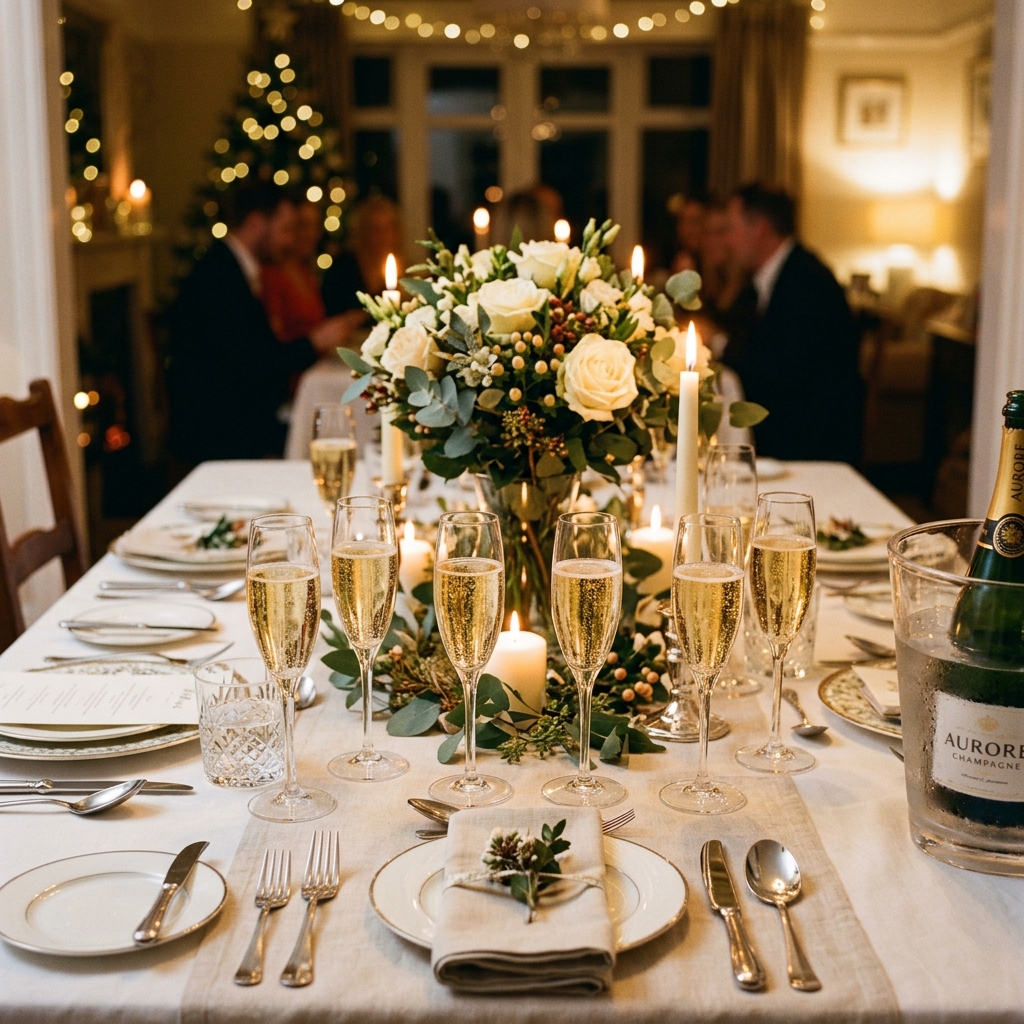
Finding great inexpensive sparkling wines requires looking beyond the most famous French regions. Many producers around the world create outstanding bottles that deliver high quality without a massive price tag. Here are some of the best budget-friendly options to try this year.
First, consider a quality Prosecco. The La Marca Prosecco offers a crisp, clean taste with notes of green apple and white peach. It is widely available and consistently reliable for casual sipping.
Another excellent choice among inexpensive sparkling wines is the Freixenet Cordon Negro Brut. This Spanish option brings a very dry, crisp finish with hints of melon. It works perfectly for mixing into cocktails or enjoying on its own.
For those who prefer a touch of sweetness, the Martini & Rossi Asti delivers bright, fruity flavors of peach and sweet apricot. It pairs wonderfully with light desserts and fresh fruit salads.
If you want a reliable domestic option, the Korbel Brut from California provides a medium-dry finish with a balanced mix of citrus and cinnamon flavors. It remains one of the most popular inexpensive sparkling wines for good reason.
(Note: Product links direct to verified websites for easy purchasing.)
Exploring Italian Sparkling Wines
Italian sparkling wine offers incredible variety. The most famous export is Prosecco, made primarily from the Glera grape in the Veneto region. Prosecco uses the tank method for secondary fermentation. This preserves the fresh, fruity aromatics of the grape. You will typically taste pear, apple, and floral notes.
Franciacorta represents the premium tier of Italian sparkling wine. Produced in Lombardy using the traditional method (the same process used in Champagne), Franciacorta spends significant time resting on its lees. This resting period develops complex flavors of baked bread, nuts, and rich citrus.
Asti Spumante comes from the Piedmont region and offers a distinctly sweet, highly aromatic profile. Made from the Moscato Bianco grape, it bursts with flavors of peach, orange blossom, and honey. An Italian sparkling wine like this is perfect for serving alongside fruit tarts or spicy Asian dishes.
The Best Spanish Sparkling Wines
When we talk about Spanish sparkling wine, Cava takes center stage. Cava is produced using the traditional method, giving it a fine, persistent bubble structure. The primary grapes used are Macabeo, Parellada, and Xarel-lo. These native Spanish grapes create a unique flavor profile that sets Cava apart.
A typical Spanish sparkling wine features earthy, savory notes alongside bright citrus and green apple. Because it undergoes traditional bottle fermentation, Cava also develops subtle nutty and yeasty characteristics. It is famously food-friendly. Tapas, cured meats, and salty fried foods pair beautifully with a chilled glass of Cava.
Beyond Cava, you can find Corpinnat. This is a relatively new classification for high-quality Spanish sparkling wine from the Penedès region. Producers under this label adhere to strict organic farming and aging requirements, resulting in incredibly complex and textured wines.
Sparkling Red vs. Sparkling White Wines
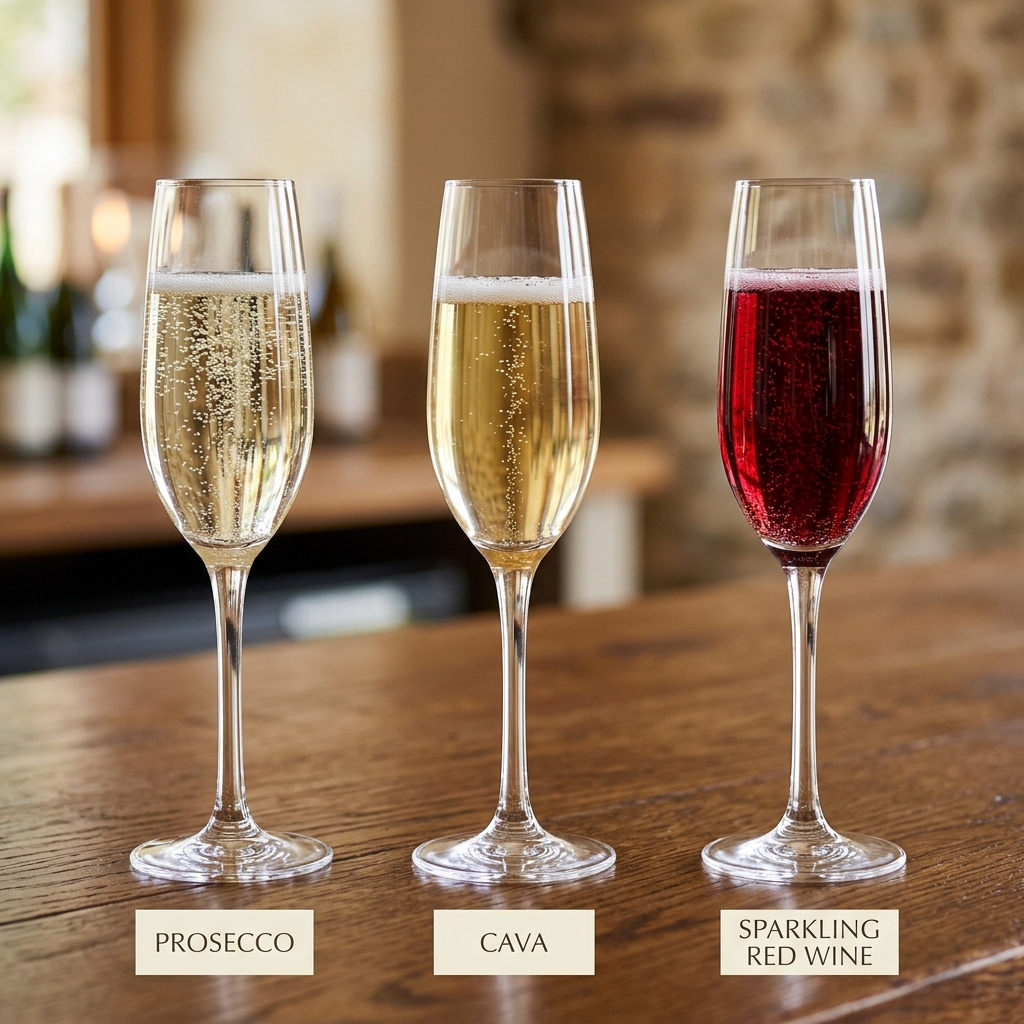
Choosing between sparkling red wine and sparkling white wine depends entirely on your menu and personal preference.
Sparkling white wine dominates the market. These bottles range from bone-dry to very sweet. They typically feature flavors of citrus, orchard fruits, and sometimes toasted nuts. A sparkling white wine is your best bet for pairing with seafood, poultry, light cheeses, and fresh salads. It offers a bright, refreshing acidity.
Sparkling red wine provides a completely different experience. Lambrusco from Italy and sparkling Shiraz from Australia are the most famous examples. A sparkling red wine combines the dark fruit flavors and light tannins of a red wine with the refreshing chill and fizz of a carbonated drink. You will taste dark cherry, plum, and sometimes chocolate. These bold flavors make sparkling red wine the perfect match for barbecue, roasted meats, and rich chocolate desserts. If you want to dive deeper into flavor pairings, check out The Ultimate Guide to Georgian Red Wine on our site.
| Wine Style | Price Range | Primary Flavors | Best Occasions |
|---|---|---|---|
| Inexpensive Bottles | $10 to $20 | Green apple, citrus, peach | Casual brunch, mixed cocktails |
| Italian Prosecco | $15 to $30 | Pear, melon, white flowers | Afternoon sipping, light appetizers |
| Spanish Cava | $15 to $35 | Earthy, lemon, toasted almond | Tapas nights, dinner parties |
| Sparkling Red | $15 to $40 | Dark cherry, plum, baking spice | Barbecue, rich chocolate desserts |
The world of carbonated wine offers something for every palate and budget. Inexpensive sparkling wines prove that you do not need to spend a fortune to enjoy a great glass of bubbles. Exploring an Italian sparkling wine or a Spanish sparkling wine will introduce you to unique regional grapes and traditional production methods. Whether you prefer the bright acidity of a sparkling white wine or the bold fruit notes of a sparkling red wine, there is a perfect bottle waiting for you. We invite you to explore more flavor profiles and tasting guides right here at flavor suggest.
Frequently Asked Questions
What is the difference between Prosecco and Champagne?
Prosecco is made in Italy using the tank method, which produces lighter, fruitier flavors. Champagne comes exclusively from the Champagne region of France and uses the traditional bottle fermentation method, resulting in richer, more complex flavors like toasted bread.
Does sparkling wine go bad?
Yes, an unopened bottle will eventually lose its carbonation and flavor. Most non-vintage bottles should be consumed within one to three years of purchase. Once opened, you should drink it within one to three days to enjoy the bubbles.
How cold should you serve sparkling wine?
You should serve these wines well chilled, ideally between 40 and 50 degrees Fahrenheit. This temperature preserves the carbonation and keeps the acidity tasting crisp and fresh.
What is Cava?
Cava is a Spanish sparkling wine made primarily in the Penedès region. It is produced using the same traditional method as Champagne but utilizes native Spanish grapes like Macabeo and Xarel-lo.
Is sparkling wine always sweet?
No, it comes in varying sweetness levels. Most bottles are labeled “Brut,” which means they are dry and not sweet. Labels reading “Demi-Sec” or “Doux” indicate a noticeably sweeter taste.
How do you store bottles at home?
Keep your bottles in a cool, dark place with a consistent temperature. Store them upright if you plan to drink them within a month, or store them on their side for longer periods to keep the cork moist.
What foods pair well with sparkling red wine?
Sparkling red wines like Lambrusco or sparkling Shiraz pair excellently with rich, savory foods. Barbecue pork, roasted meats, cured sausages, and dark chocolate desserts are perfect matches.
Why do some bottles have a cork and wire cage?
The carbon dioxide inside the bottle creates significant pressure. The wire cage (called a muselet) secures the cork in place so the pressure does not force the cork out prematurely.
Can you use sparkling wine for cooking?
Yes, dry versions work very well in cooking. You can use it in place of still white wine for deglazing pans, making cream sauces, or steaming mussels.
What does “Blanc de Blancs” mean on a label?
“Blanc de Blancs” translates to “white from whites.” It means the wine was made entirely from white grapes, most commonly 100 percent Chardonnay.