Basque Cheesecake: The Creamy, Caramelized Dessert Worth Craving
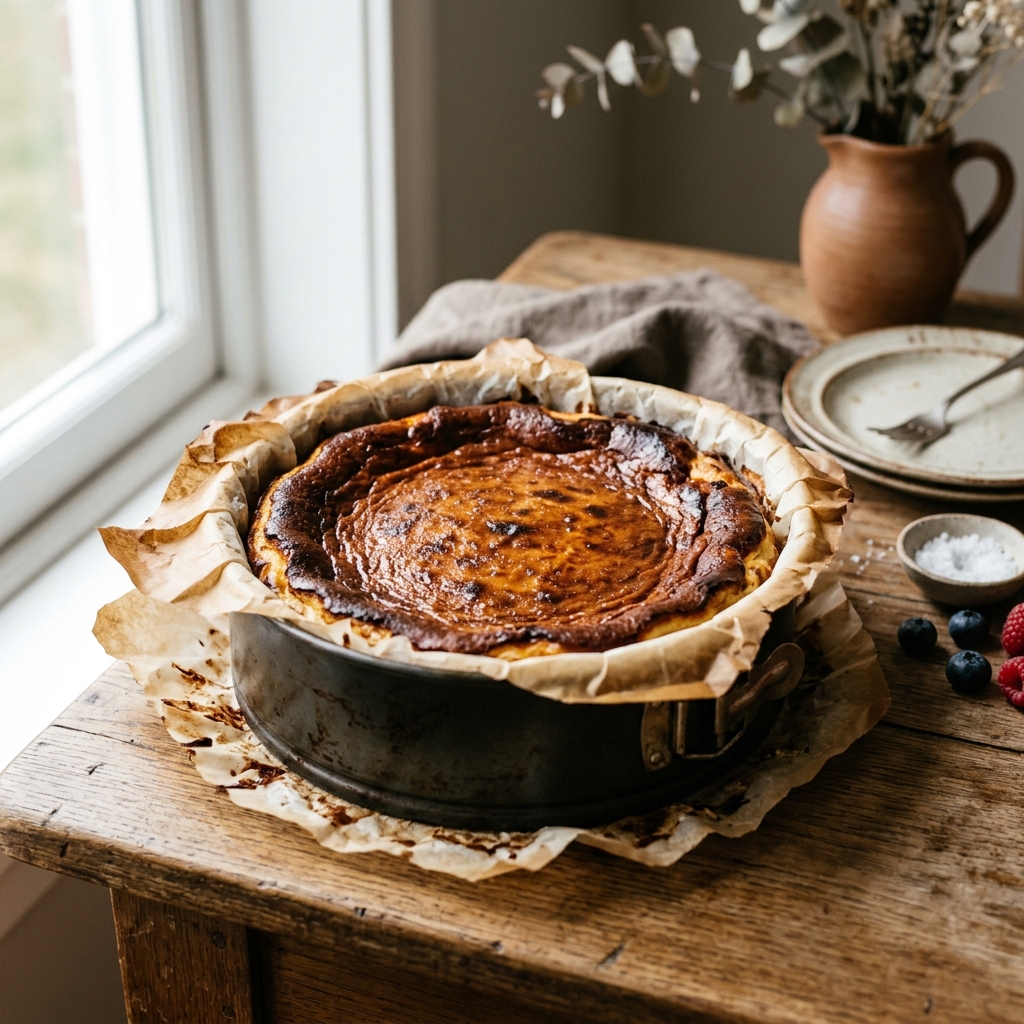
Basque cheesecake is a crustless baked cheesecake from the Basque Country of northern Spain. It bakes at high heat until the top turns deep brown, almost scorched, while the center stays soft and custardy. The flavor mixes tangy cream cheese, sweet vanilla, and a caramel edge from that browned top.
People love it for one simple reason: contrast. You get bitter-sweet caramel on the surface and a creamy, mousse-like middle that melts on the tongue. There is no crust to get in the way, so every bite is pure cheesecake. It is also one of the easiest cheesecakes to make, which is rare for a dessert this impressive.
By the end of this guide, you will understand the taste, the texture, the method, and the buying choices. Let’s start with the basics.
What Is Basque Cheesecake?
Basque cheesecake is a crustless, high-heat baked cheesecake with a dark caramelized top and a soft, creamy center. It comes from San Sebastián in Spain’s Basque Country, where the bakery La Viña made it famous. The name “burnt” refers to the deeply browned surface, not a mistake in the kitchen.
The flavor is the main draw. The browned top tastes like toasted caramel, with a slight bitter edge that keeps the sweetness in check. Underneath, the cream cheese brings a gentle tang, and vanilla rounds it out.
Texture sets it apart too. A good one is light and almost mousse-like in the middle, softer than the dense slices most people picture. Many bakers say the flavor reminds them of crème caramel, thanks to that caramelized surface meeting a custardy interior.
There is no graham cracker base. The pan is lined with scrunched parchment, which gives the sides their rustic, uneven look and lets the edges brown without drying out.
Why Does It Taste So Good? The Flavor Breakdown
The magic is in the caramelization. When sugar and dairy hit high heat, they brown and develop toasted, nutty, slightly bitter notes. That browned layer is what gives basque cheesecake its signature flavor.
Think of the taste in three layers:
- The top: deep caramel, toasty, a little bitter, like the edge of a crème brûlée.
- The body: creamy and tangy, with vanilla warmth and just enough sweetness.
- The mouthfeel: soft, airy in the center, richer toward the well-baked edges.
Sweetness is moderate, not cloying. Many recipes use less sugar than American cheesecakes, so the tang of the cream cheese stays present. That balance is why people who find regular cheesecake too sweet often prefer this one.
Basque vs New York Cheesecake
The basque vs new york cheesecake question comes down to texture, sweetness, and how each one is baked. New York cheesecake is dense, smooth, and rich, usually baked low and slow in a water bath with a crust. Basque cheesecake is light, custardy, crustless, and baked hot until the top scorches.
Here is a clear side-by-side to make the basque vs new york cheesecake choice easy.
| Feature | Basque Cheesecake | New York Cheesecake |
|---|---|---|
| Crust | None | Graham cracker or cookie base |
| Top color | Deep brown, caramelized | Pale, smooth |
| Texture | Light, custardy, mousse-like center | Dense, firm, ultra-smooth |
| Sweetness | Moderate, tangy | Sweeter, richer |
| Baking method | High heat, no water bath | Low heat, water bath |
| Flavor note | Toasted caramel + tang | Clean, creamy, sweet |
| Difficulty | Easy, forgiving | Fussier, crack-prone |
So which tastes better? That depends on what you want. If you love a clean, sweet, dense slice, New York wins. If you crave caramel contrast and a softer bite, basque is your pick. In the basque vs new york cheesecake debate, basque is also the more forgiving bake, since cracks and uneven edges are part of the look.
Burnt Basque Cheesecake Flavor and Texture
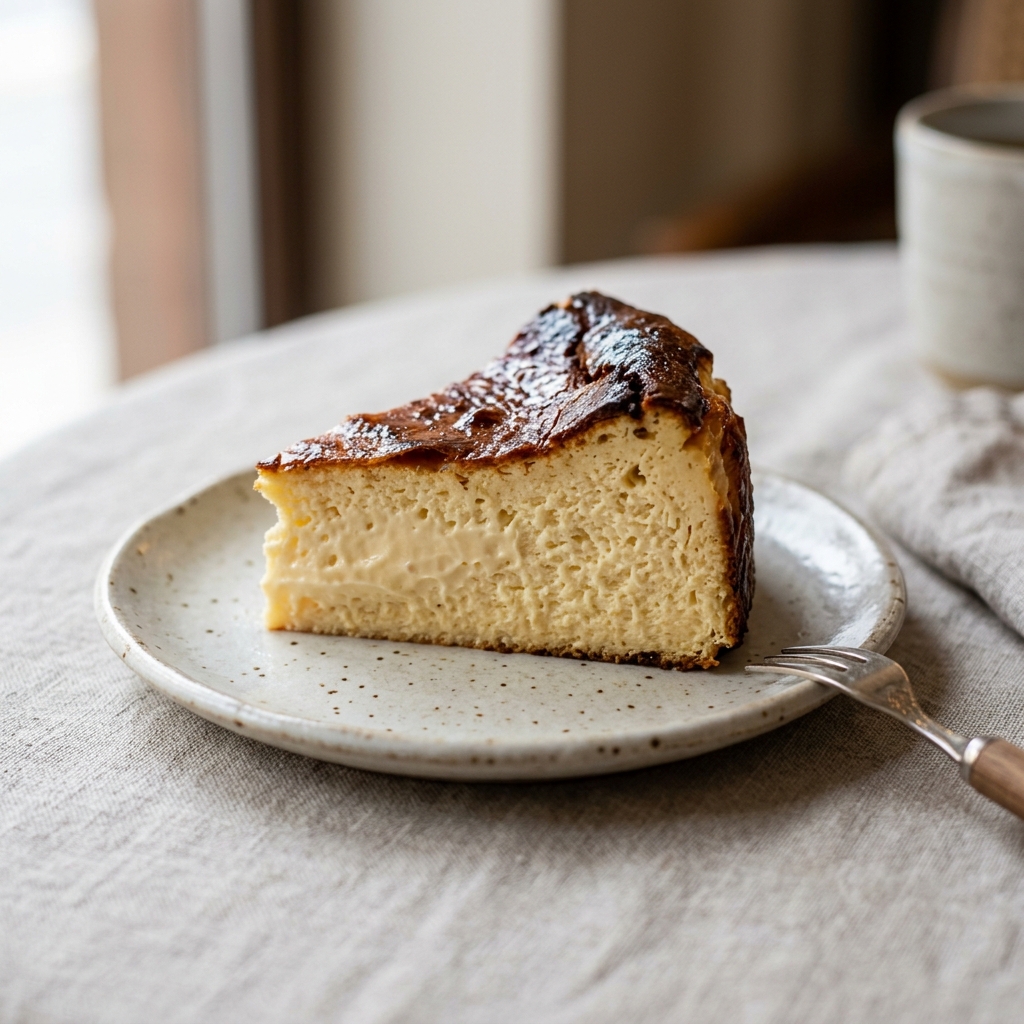
Burnt basque cheesecake does not actually taste like burnt food. The deep brown top tastes toasted and caramel-like, with a faint bitterness that balances the sweet, creamy interior. “Burnt” describes the color, not a scorched flavor.
The contrast is the whole point. That caramelized surface gives a slightly firm, chewy edge, while the center stays loose and custardy. When the two meet on your fork, you get bitter-sweet and creamy in one bite.
A well-made burnt basque cheesecake has a center that wobbles when you move the pan. That jiggle firms up in the fridge into a silky, spoonable texture. If the middle bakes fully solid, you lose the soft mouthfeel that makes this dessert special.
The browning also adds aroma. As it bakes, the kitchen fills with a toasted, almost butterscotch smell. That scent is your first clue the flavor is developing the way it should.
Basque Cheesecake Recipe: Steps and Troubleshooting
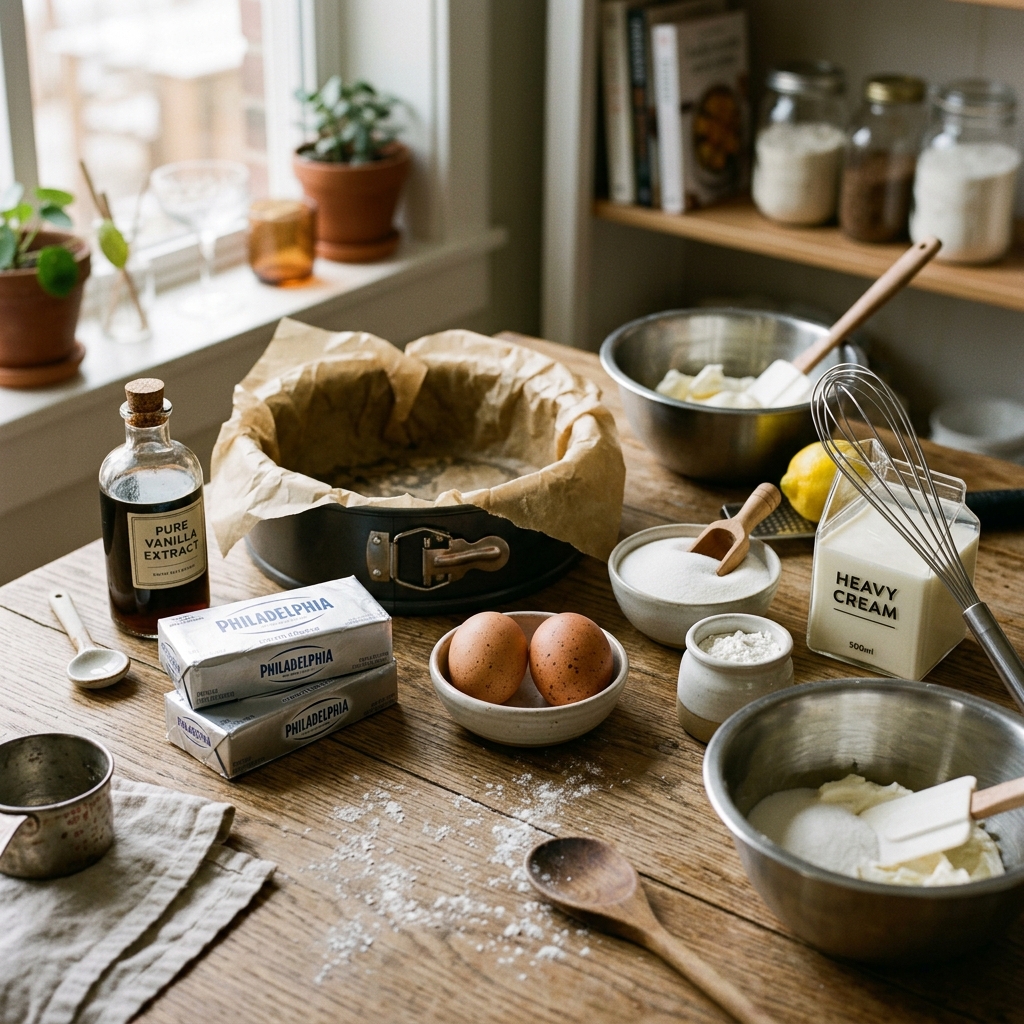
A basic basque cheesecake recipe needs only six ingredients: cream cheese, sugar, eggs, heavy cream, a little flour, and vanilla. The method is simple, which is part of why this dessert spread so fast.
Simple Steps
- Prep the pan. Line a springform pan with scrunched parchment so it rises above the rim. The crinkles give the rustic sides and keep edges from overcooking.
- Mix the base. Beat room-temperature cream cheese with sugar until smooth, with no lumps.
- Add eggs. Beat in eggs one at a time so the batter stays silky.
- Add cream and vanilla. Mix in heavy cream, vanilla, and a pinch of salt until smooth.
- Add flour. Sift in a small amount of flour and mix just until combined. Flour helps the center set while keeping it soft.
- Bake hot. Bake at a high temperature, often around 400 to 425°F, until the top is deep brown and the center still jiggles.
- Cool and chill. Let it cool, then refrigerate. Chilling sets the texture and deepens the flavor.
Note that baking times and exact doneness vary by oven, pan size, and the specific formula you use. Some ovens brown the top in 45 minutes, others take up to 65. Go by color and the jiggle, not the clock alone.
Troubleshooting the Flavor and Texture
- Top not dark enough? The caramel flavor needs that color. Raise the heat for the last few minutes or use the broiler, watching closely so it does not scorch hard.
- Center too runny? Bake a few minutes longer next time, or chill fully before slicing. The middle firms up cold.
- Too dense or dry? You may have overbaked or used too much flour. Pull it while the center still wobbles.
- Surface blemishes? Tap the pan on the counter and pop bubbles with a knife before baking. This is cosmetic only and does not change the taste.
- Want more tang? Cut the sugar slightly so the cream cheese flavor comes forward.
For a deeper look at how caramelization shapes dessert flavor, browse the flavor guides and dessert rankings on FlavorSuggest.
Mini Basque Cheesecake: Big Flavor, Small Size
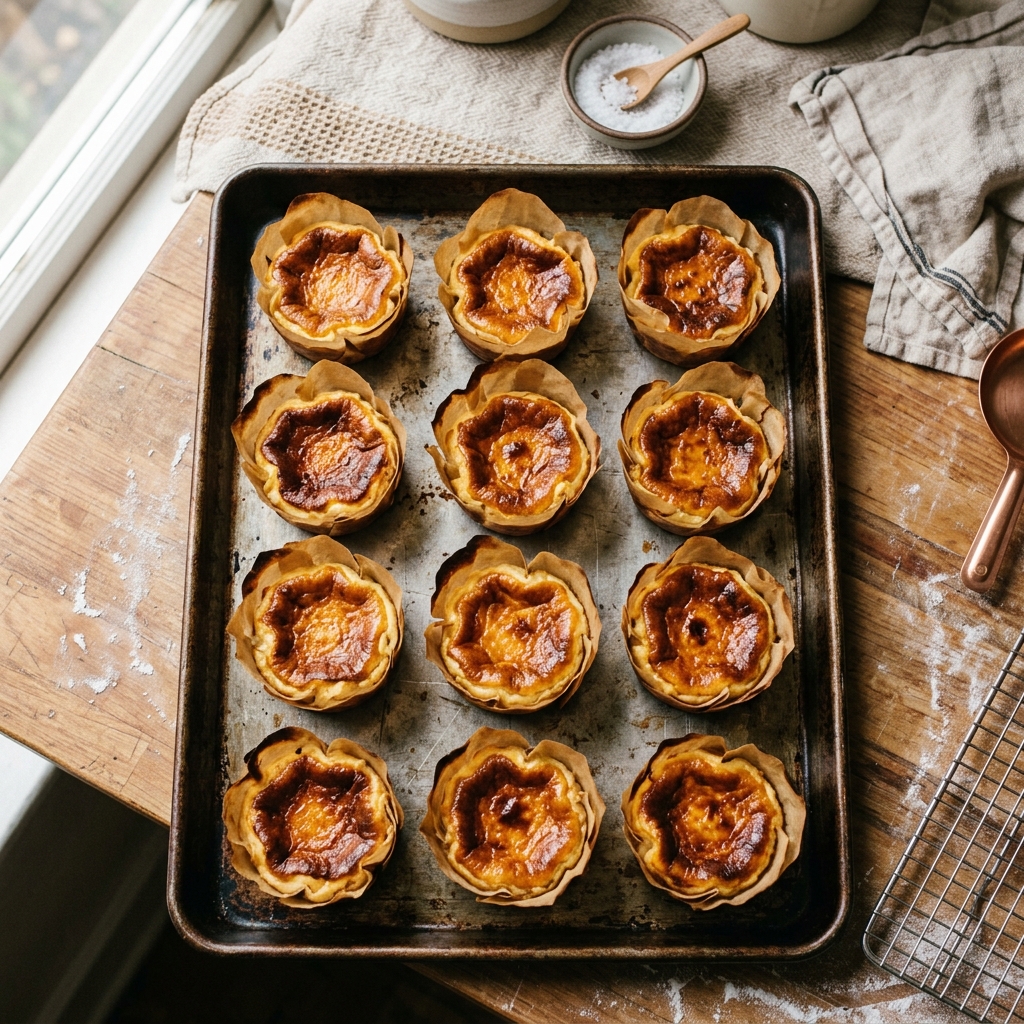
A mini basque cheesecake is just the full recipe baked in smaller molds, like a muffin tin or individual rings. The trade-off is more caramelized surface per serving, which means a stronger toasted flavor in every bite.
Because minis are small, they bake faster and cool quicker. Watch them closely, since the jump from deep brown to truly burnt happens fast at small sizes. Line each cup with a square of scrunched parchment for the classic rustic edge.
The eating experience shifts with size. A mini basque cheesecake has a higher ratio of caramel top to creamy center, so it leans more toward that toasted, crème-caramel note. They are ideal for parties because each guest gets their own little cake with its own browned crown.
If you love the contrast of caramel and cream, minis amplify it. If you prefer a softer, milder slice, the full-size version keeps more of that mousse-like middle.
How to Choose the Best Basque Cheesecake
The best basque cheesecake for you depends on time, budget, and how much you care about that fresh caramel top. Here is how the three main options compare on flavor and texture.
Homemade. This gives the best flavor control. You decide the sweetness, the depth of the browned top, and how soft the center stays. Fresh from your chill, the contrast is at its peak. It is also the cheapest per slice. The downside is the wait, since it needs hours to set.
Bakery-bought. A good bakery version saves time and can taste excellent, but quality swings widely. Common letdowns are a center that is too dense, an overly sweet body, or a dry, thick band near the edges. Ask whether it is freshly baked, and look for a deeply browned, glossy top.
Frozen. Frozen options are convenient and often surprisingly good once thawed in the fridge. The texture can soften slightly compared to fresh, and the caramel top may lose a little of its crisp edge. For everyday cravings, a quality frozen one still delivers the core flavor.
To find the best basque cheesecake whatever the source, judge it on three things: a deep, glossy, caramelized top, a soft and creamy center rather than a dense one, and a balanced sweetness that lets the tang show. The best basque cheesecake is never bone-dry or overly sweet.
Tools and Ingredients Worth Buying
A few simple tools make a noticeable difference in flavor and texture. We searched for and verified the following product pages before adding them to this guide.
Here is honest guidance on what to look for:
- Springform pan. A sturdy 8-inch springform lets you release the soft cake without breaking it. Look for a leak-resistant base and a nonstick surface. The HIWARE 8 Inch Non-stick Springform Pan is a solid, widely used option.
- Parchment paper. You need sheets large enough to scrunch and rise above the pan rim for those rustic, caramelized sides. The SMARTAKE 200 Pcs Parchment Paper Baking Sheets are unbleached, precut, and a good fit for this purpose.
- Digital kitchen scale. Measuring eggs by weight makes a real difference in how the center sets. The Escali Primo Digital Food Scale is a consistent, accurate pick for baking.
- Hand or stand mixer. A mixer gives the smooth, lump-free batter that leads to a silky center. Either type works.
- Full-fat block cream cheese. Fat carries flavor and helps the cake set. Avoid low-fat, which can leave the center loose and watery.
- Pure vanilla extract or paste. Real vanilla adds warmth that balances the caramel top. Imitation vanilla tastes flatter.
- Heavy or whipping cream. Full-fat cream gives the rich, custardy mouthfeel. Check the label so you are not using a pouring-only cream.
When you do shop, choose full-fat dairy every time. It is the single biggest factor in getting that creamy, mousse-like bite that defines a great basque cheesecake.
A Quick Word on Food Safety
Cheesecake is a baked, egg-based custard, so doneness matters for both texture and safety. USDA FSIS guidance says eggs and egg dishes should reach a safe minimum internal temperature, and a food thermometer is the reliable way to check. Because basque cheesecake bakes hot, the body usually sets well past a runny raw-egg state even when the very center stays soft.
A Kansas State University study on cheesecake baking found that, under its test conditions, Salmonella in cheesecake dropped by more than 5 log CFU per gram by 37.5 minutes of baking and was completely eliminated after 50 minutes. That is a careful, study-specific result, not a universal rule, since pans, ovens, and recipes differ. Use it as reassurance that proper baking does meaningful work, and always judge your own bake by color, set, and time.
Conclusion
Basque cheesecake earns its spot near the top of our flavor rankings because it does something few desserts manage: it pairs bitter-sweet caramel with a soft, creamy center, and it does it without a crust or a fussy method.
Here are the takeaways worth keeping:
- Flavor is the win. The browned top gives toasted caramel, the body gives tangy cream, and the contrast is the whole point.
- It beats fussier bakes. In the basque vs new york cheesecake matchup, basque is lighter, less sweet, and far more forgiving to make.
- Doneness drives texture. Pull it while the center jiggles, then chill, since that wobble sets into a silky bite.
- Quality dairy matters most. Full-fat cream cheese and cream give the creamy mouthfeel that defines the best basque cheesecake.
Ready to bake, buy, or compare your next slice? Browse more flavor guides and dessert rankings on FlavorSuggest, and let our taste-first reviews help you pick the version you will love.
Frequently Asked Questions
What is basque cheesecake?
Basque cheesecake is a crustless baked cheesecake from Spain’s Basque Country, known for a deeply browned top and a soft, creamy center. It bakes at high heat until the surface caramelizes. The flavor blends tangy cream cheese, vanilla, and toasted caramel.
Why is basque cheesecake burnt on top?
The top is browned on purpose because high heat caramelizes the sugar and dairy, creating a toasted, slightly bitter caramel flavor. This contrast against the creamy center is what makes the dessert special. It does not taste like burnt food, just deeply toasted.
Is basque cheesecake supposed to be runny in the middle?
Yes, the center should be soft and jiggly when it comes out of the oven, not fully set. As it cools and chills, that soft middle firms into a silky, custardy texture. A center baked solid usually means it is overdone and will taste drier.
What is the difference between basque and new york cheesecake?
Basque cheesecake is crustless, baked hot, light, and custardy with a caramelized top. New York cheesecake has a crust, bakes low and slow in a water bath, and is dense, smooth, and sweeter. In the basque vs new york cheesecake comparison, basque is tangier and more forgiving to make.
Which is sweeter, basque or new york cheesecake?
New York cheesecake is usually sweeter and richer, while basque cheesecake uses less sugar and lets the cream cheese tang show. The caramelized top of a basque cheesecake also adds a slightly bitter edge that balances the sweetness. People who find regular cheesecake too sweet often prefer basque.
Can I make mini basque cheesecakes?
Yes, you can bake a mini basque cheesecake in a muffin tin or individual molds using the same batter. Minis bake faster and have more caramelized surface per serving, so they taste more strongly of toasted caramel. Watch them closely, since small sizes brown quickly.
Do I need a water bath for basque cheesecake?
No, basque cheesecake bakes without a water bath, which is one reason it is easier than other cheesecakes. The high, direct heat is what browns the top and creates the caramel flavor. A water bath would prevent that signature browning.
What kind of cream cheese should I use?
Use full-fat block cream cheese for the best flavor and a center that sets properly. Low-fat versions can leave the cake loose and watery and taste flatter. Full fat gives the creamy, mousse-like mouthfeel that defines a good basque cheesecake.
How long does basque cheesecake last in the fridge?
A basque cheesecake usually keeps for about 4 to 5 days in the fridge when covered. Many people find the flavor improves on the second day as it settles. Chilling also keeps that soft center from getting too loose.
Is basque cheesecake easy to make at home?
Yes, a basque cheesecake recipe is one of the easiest cheesecakes to make because cracks and uneven edges are part of the look. You mix a few ingredients, bake hot, and chill. There is no crust and no water bath, so there is far less to go wrong.
References
- USDA FoodData Central. https://fdc.nal.usda.gov/
- USDA FSIS, Shell Eggs from Farm to Table. http://www.fsis.usda.gov/food-safety/safe-food-handling-and-preparation/eggs/shell-eggs-farm-table
- Kansas State University Research Exchange, microbial safety from wheat milling to finished baked products. https://krex.k-state.edu/items/7d41f3d3-3889-452d-872c-352b5d8824e1