Blueberry Wine: Best Brands, Recipes, and Pairings in 2026
Imagine sitting on a warm patio with a glass of deep purple liquid that smells exactly like a fresh summer harvest. Here at FlavorSuggest.com, we obsess over finding the most authentic sensory experiences in the products you consume every day. If you want a drink that captures the exact taste of ripe berries, blueberry wine is exactly what you need.
Blueberry wine is a fermented alcoholic beverage made entirely from fresh or frozen blueberries, water, sugar, and yeast. It replaces traditional grapes with blueberries to create a unique flavor profile. This drink retains the dark color, natural sweetness, and distinct tartness of the raw fruit.
What is blueberry wine used for, and why should you try it? Blueberry wine is a fruit-based alcoholic drink that offers a rich, sweet, and refreshing alternative to standard grape wines. It delivers a massive burst of berry flavor, pairs beautifully with rich desserts, and contains high levels of natural antioxidants from the fruit skins.
What is Blueberry Wine?
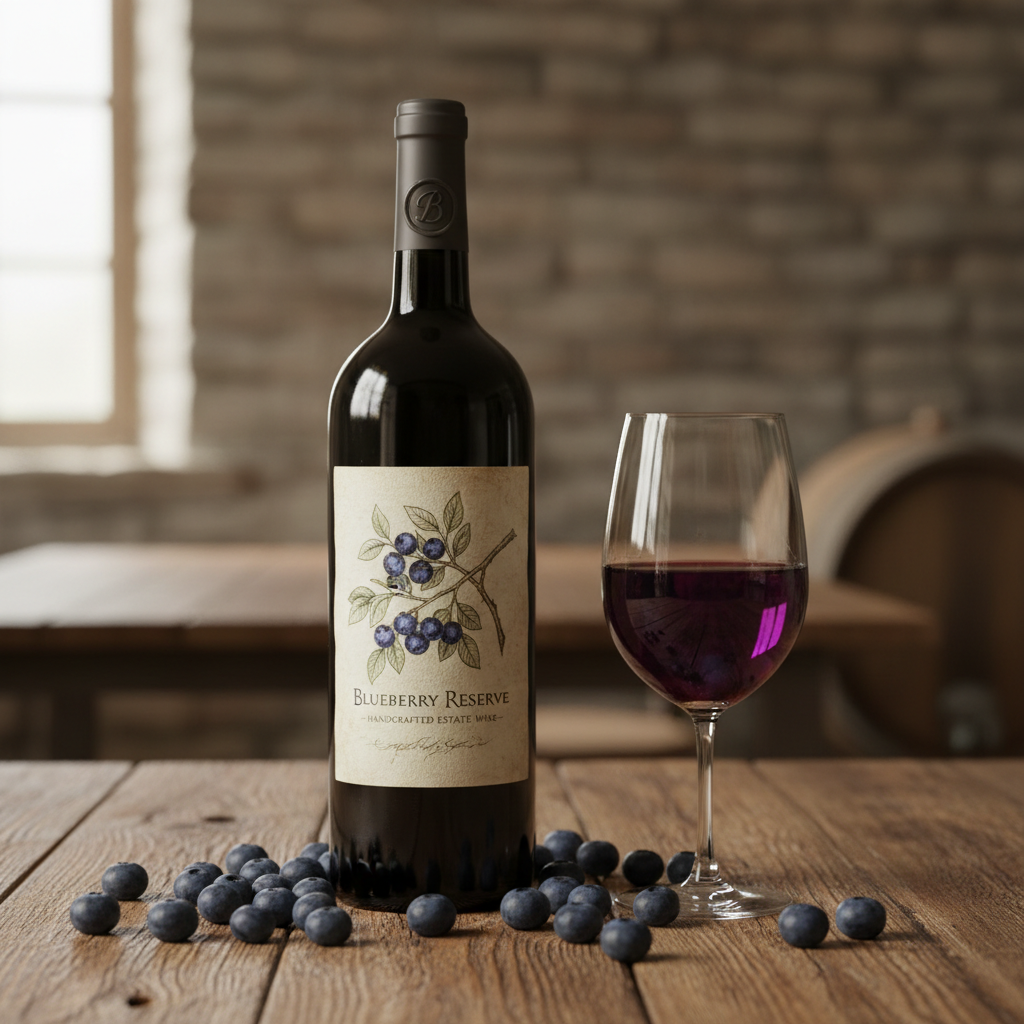
Blueberry wine represents a distinct category of fruit wines that prioritize the natural taste of the berry. Winemakers crush the fruit and ferment the juice using specialized yeast strains. This process extracts the deep colors and natural sugars from the skin and pulp. The resulting beverage smells intensely fruity and leaves a sweet, lingering finish on your palate.
From a sensory perspective, this drink offers a completely different experience than a standard red or white wine. You notice the aroma of fresh berries before the glass even reaches your lips. When you take a sip, you get a bright, fruity sweetness followed by a mild, acidic snap. This balance keeps the drink from tasting like simple syrup.
Beyond the incredible taste, this beverage offers real nutritional benefits. Blueberries contain massive amounts of anthocyanins, which are compounds that give the berries their blue color. According to recent 2024 data from the National Institutes of Health, the fermentation process preserves many of these healthy antioxidants. You get a delicious drink that also supports your cellular health.
Top Blueberry Wines to Try
Choosing a great bottle requires knowing which brands capture the best flavor profile. Many readers ask us which commercial options provide the most authentic taste without tasting artificial. Two major brands stand out in the current market for their quality and accessibility.
Stella Rosa blueberry wine is a massively popular option for people who prefer sweet, lightly carbonated drinks. When you open a bottle of Stella Rosa blueberry wine, you immediately smell fresh fruit and floral notes. This specific bottle is semi-sweet and incredibly smooth. We highly recommend Stella Rosa blueberry wine for casual afternoon sipping or serving at summer parties.
Barefoot blueberry wine offers a slightly different take on the fruit flavor. Barefoot blueberry wine is known as a fruitscato, blending the bright berry flavors with a sweet Moscato base. When you pour a glass of Barefoot blueberry wine, you taste prominent notes of jam and ripe fruit. Barefoot blueberry wine works perfectly as a dessert drink because of its high sugar content and syrupy mouthfeel.
How to Make Blueberry Wine at Home
Learning how to make blueberry wine gives you total control over the sweetness and flavor intensity of your drink. Making your own batch is surprisingly straightforward. You need a solid blueberry wine recipe and a few basic pieces of fermentation equipment to get started.
To start your blueberry wine recipe, you will need 15 pounds of fresh or frozen blueberries, 10 pounds of white sugar, wine yeast, yeast nutrient, and filtered water. First, crush the berries in a large, sanitized fermentation bucket. Boiling the sugar into a simple syrup and pouring it over the crushed berries helps extract the juices. Once the mixture cools to room temperature, you add your yeast.
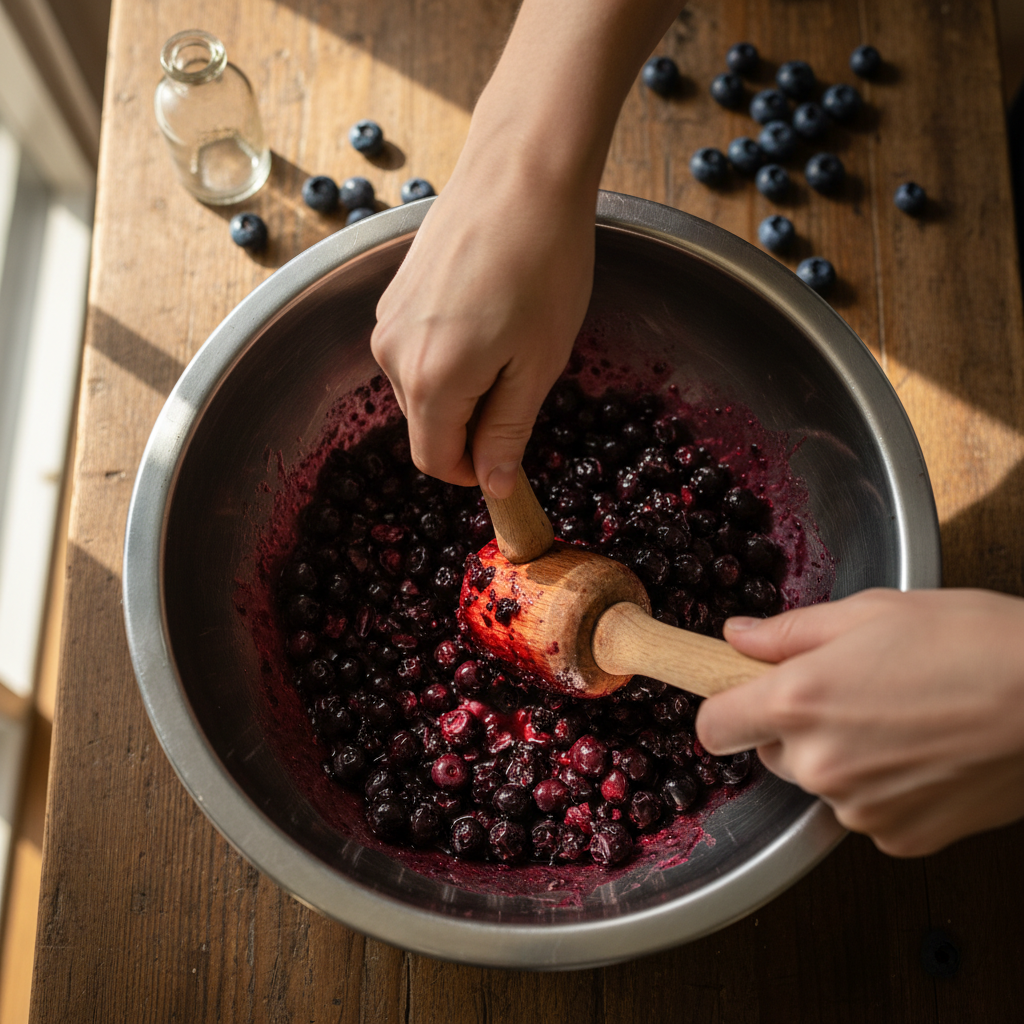
Understanding how to make blueberry wine requires patience. You must stir the fruit mixture daily for about a week while the yeast consumes the sugar. After seven days, strain the liquid into a glass carboy to finish fermenting. This blueberry wine recipe takes about six months to age properly. When you finally open a bottle, the wait pays off with a stunning, aromatic beverage you made yourself.
Pairing Blueberry Wine with Food
Pairing fruit wines with food involves matching the high sugar content with complementary flavors. Because this beverage leans heavily toward the sweet side, you want to avoid highly acidic or overly savory main courses. Instead, treat this drink like a dessert wine or a palate cleanser.
Rich, creamy desserts work perfectly with the tart berry notes. Try serving a chilled glass alongside a slice of plain New York cheesecake or a scoop of vanilla bean ice cream. The fat in the dairy cuts through the sweetness of the drink. The combination creates a beautiful sensory contrast in your mouth.
You can also pair this beverage with strong, pungent cheeses. Blue cheese, goat cheese, and sharp cheddar provide a salty bite that balances the fruity syrup notes of the drink. Arrange a simple charcuterie board with salty meats, roasted nuts, and soft cheeses for a perfect afternoon snack.
Where to Buy Blueberry Wine
Finding a good bottle is much easier today than it was a decade ago. You can find major commercial brands at almost any large grocery store or dedicated liquor retailer. For a wide selection, explore blueberry wines available on Amazon to compare flavors, brands, and reviews—making it simple to discover both top brands and unique craft options.
You can easily purchase brewing supplies or specialized fruit wines through Amazon. They offer fast shipping and a wide selection of top-tier brands. You can compare prices and read recent customer reviews to find exactly what you need. If you are learning how to make blueberry wine, Amazon sells complete starter kits containing every tool required for your first batch.
Exploring new flavors is the core mission at FlavorSuggest.com. We highly recommend checking out our other flavor guides. Read our latest breakdown on matching fruit profiles with everyday snacks directly on our site.
Summary
Fruit wines offer a spectacular departure from traditional grape-based drinks. Blueberry wine delivers a massive punch of authentic berry flavor, a gorgeous deep purple color, and plenty of natural antioxidants. Whether you buy a popular bottle like Stella Rosa or follow a detailed recipe to brew your own, this sweet beverage deserves a spot in your refrigerator.
We love discovering the best sensory experiences available. Head over to the home page at FlavorSuggest.com to read more of our expert guides and flavor breakdowns.
Frequently Asked Questions
What does blueberry wine taste like?
It tastes like a sweet, slightly tart blend of fresh berries and jam. It lacks the heavy tannins found in red grape wines, making it much smoother and fruit-forward.
Is this type of wine sweet or dry?
Most commercial options are quite sweet. Winemakers typically leave residual sugar in the batch to highlight the natural fruit flavors, though you can find dry craft varieties.
Does Stella Rosa blueberry wine have a lot of alcohol?
No, it is a low-alcohol option. It typically sits around 5 percent alcohol by volume, making it a very light and easy-to-drink choice.
Can I use frozen berries for a blueberry wine recipe?
Yes, frozen berries actually work exceptionally well. Freezing breaks down the cell walls of the fruit, which allows them to release more juice and color during fermentation.
How long does a homemade blueberry wine recipe take to finish?
A standard recipe takes about four to six weeks to ferment completely. You should then let it age in the bottle for at least six months for the best flavor.
Where can I find Barefoot blueberry wine?
You can find it at most major supermarkets, big-box liquor stores, and online retailers. It is a very accessible and budget-friendly option.
Is this beverage served warm or chilled?
You should always serve it chilled. Cooling the drink enhances the crispness of the fruit and keeps the sweetness from becoming cloying.
What is the best glass to use for this drink?
A standard white wine glass works perfectly. The smaller bowl preserves the sweet, fruity aromas and directs them straight to your nose as you sip.
Does this drink expire after opening?
Yes, it will begin to oxidize once exposed to air. You should keep an open bottle in the refrigerator and finish it within three to five days.
Are there health benefits to drinking this?
Yes, it contains high levels of antioxidants called anthocyanins. These compounds help fight free radicals in your body, though you should always consume alcohol in moderation.
- National Institutes of Health (NIH). “Antioxidant Retention in Non-Grape Fruit Wines.” 2024 Research on anthocyanin stability during the fermentation process.
- University of Florida IFAS Extension. “Small Farm Fermentation: Guide to Southern Fruit Wines.” 2024 Agricultural publication on yeast strains and fruit wine production.
- United States Department of Agriculture (USDA). “2024 Berry Crop and Utilization Report.” Data detailing the allocation of the national harvest toward the commercial beverage sector.