
Japanese Bbq Sauce – Complete Guide, Taste Logic, and Real World Uses
I first tasted japanese bbq sauce in a busy home kitchen on a weeknight, standing over a hot pan with skewers waiting for glaze. The aroma hit first, a mix of soy, garlic, ginger, and toasted sesame that felt warm and familiar. The way it clings to meat, then slides onto rice and vegetables, explains why people search for it before cooking or buying. If you want clarity, practical uses, and a clear comparison, this guide gives you a trustworthy path.
Here is what you need to know. Japanese bbq sauce sits between teriyaki and yakiniku. Teriyaki is sweeter and smoother. Yakiniku is more grill forward and often served as a dipping sauce at the table. Japanese bbq sauce blends soy sauce, mirin, sugar, rice vinegar, garlic, ginger, and sesame oil into a balanced glaze and dip that works at home and at cookouts.
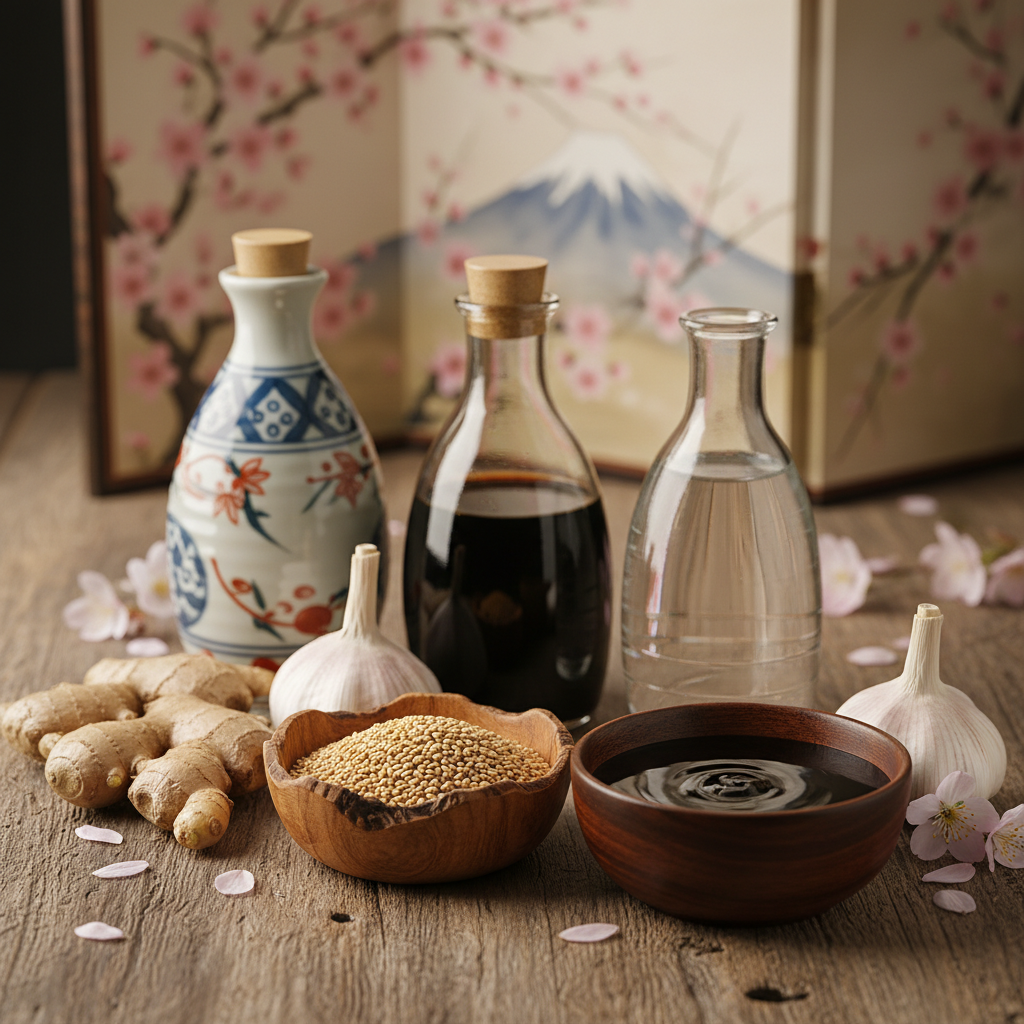
| Style | Sweetness | Saltiness | Acidity | Umami | Heat |
|---|---|---|---|---|---|
| Japanese bbq sauce | 4 of 5 | 3 of 5 | 2 of 5 | 5 of 5 | 1 of 5 |
| Teriyaki | 4 of 5 | 3 of 5 | 1 of 5 | 4 of 5 | 0 of 5 |
| Yakiniku | 3 of 5 | 3 of 5 | 2 of 5 | 5 of 5 | 1 of 5 |
If you want flavor rankings and taste logic in one place, see flavor rankings and taste analysis on Flavorsuggest at https://www.flavorsuggest.com.
What is japanese bbq sauce, and how it differs from teriyaki and yakiniku
The answer is simple. Japanese bbq sauce is a soy based glaze and dip with balanced sweetness and umami, a light tang from rice vinegar, then a nutty finish from sesame oil. In practice, it tastes more complex than teriyaki and more versatile than yakiniku. Teriyaki leans sweet and glossy for basting and finishing. Yakiniku sauce is often served at the table for dipping grilled meat. Japanese barbecue sauce moves between marinade, cooking glaze, and table side dip without losing balance.
Define terms clearly. Tare is a seasoned base used in grilling and ramen. In this context, tare often includes soy sauce, mirin, sake or sugar, plus aromatics. Serious Eats explains tare in a clear, practical way and shows how cooks use it in grilling and vegetables. Read what tare means in Japanese cooking at https://www.seriouseats.com/grilled-bok-choy-with-sweet-soy-glaze.
Japanese barbecue sauce flavor profile explained
Here is what you need to know about taste logic. Sweetness rounds sharp edges from salt and acid. Salt lifts umami and makes protein taste deeper. Acidity resets the palate so bites feel clean. Umami delivers depth that lingers, especially with beef, pork, and mushrooms. Heat sits low in most bottled versions, then rises in spicy versions.
Sensory notes. Soy brings depth and savor. Mirin gives gentle sweetness. Rice vinegar adds light acidity. Garlic and ginger add aroma and a small bite. Toasted sesame oil gives a warm finish. Japanese bbq sauce should feel smooth and lightly sticky, then release from the tongue without cloying.
Gluten free japanese bbq sauce [what to watch for, tamari, label reading]
Here is what you need to know. Gluten free japanese bbq sauce is possible and common. The key is the soy base. Standard soy sauce may contain wheat. Tamari is often gluten free. Many bottled japanese barbecue sauce products now offer gluten free lines. Always read labels and check brand sites.
If you need a quick reference for ingredients, Healthline has a clear overview on soy products and gluten free tips at https://www.healthline.com/nutrition/gluten-free-diet. Use that as a basic guide, then confirm details on the bottle.
Practical steps. Look for tamari in the ingredient list. Check for certified gluten free marks. Avoid blends that list wheat or malt. When making your own japanese bbq sauce recipe at home, choose tamari, rice vinegar labeled gluten free, and confirm any processed ingredients. If you serve guests, label the bottle or jar clearly and keep a simple note near the stove that states gluten free japanese bbq sauce so there is no confusion.
Recipes with japanese bbq sauce that actually work at home
Here is what you need to know. Recipes with japanese bbq sauce shine when cooking is medium high and the sauce hits hot surfaces near the end. That keeps sugars from burning and lets the glaze cling.
Practical uses. Dipping for dumplings and panko shrimp. Marinade for chicken thighs and tofu. Basting for skewers and short ribs. Rice bowls with roasted vegetables and soy braised mushrooms. Stir fry noodles with bok choy and scallions. Sandwiches with grilled chicken and a light spread. Use japanese bbq sauce when you want deep savor without heavy smoke.
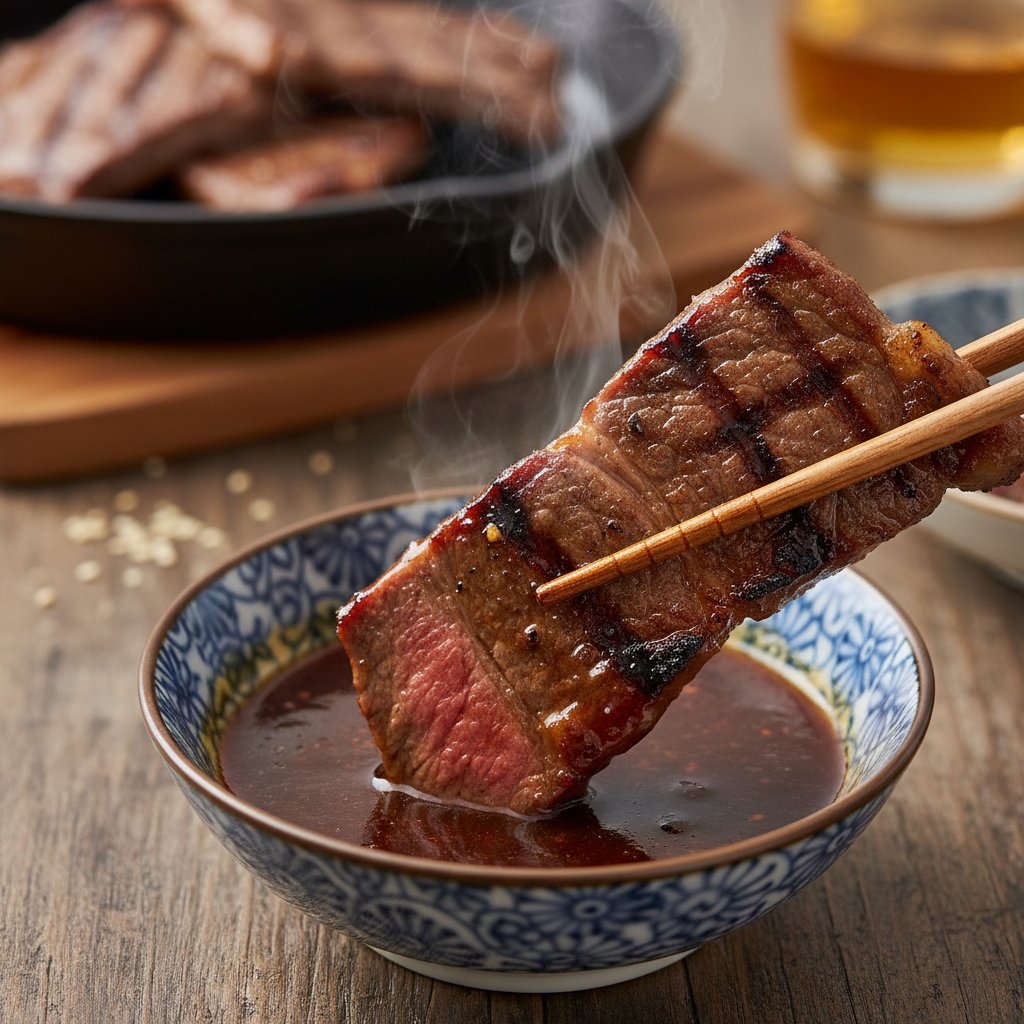
Consumer logic. Family cooks want reliable results without complicated steps. Japanese bbq sauce gives that. The sauce works for weeknights and for gatherings, and it sits nicely next to ketchup and mustard at a cookout. If you need more ideas, recipes with japanese bbq sauce should follow the same timing rule, glaze near the end, then finish with a thin drizzle at the table.
Japanese bbq sauce recipe [home method] versus bottled
Here is what you need to know. Homemade gives control, freshness, and a stronger aroma. Bottled gives consistency, shelf stability, and speed. Japanese bbq sauce recipe at home uses soy sauce or tamari, mirin, sugar, rice vinegar, garlic, ginger, and sesame oil. Simmer to thicken, then strain for a smooth finish.
Trade offs. Texture from bottled sauces may be smoother and slightly thicker. Homemade can be tuned for sweetness or tang. Shelf life for homemade is short, usually about a week in a clean glass jar. Bottled versions last longer and keep flavor even if your stovetop gets crowded. If your goal is control, a japanese bbq sauce recipe at home is easy. If your goal is speed, use bottled.
Japanese barbecue sauce brands and styles compared
Here is what you need to know. Most brands offer original, spicy, and a citrus option. Some now offer miso enriched lines for deeper umami. Read labels for gluten free lines. Compare price and value based on how you cook.
| Brand or style | Base ingredients | Sweetness | Gluten status | Best use | Price value |
|---|---|---|---|---|---|
| Original | soy sauce, mirin, sugar, rice vinegar, garlic, ginger, sesame oil | medium high | check label, tamari option for gluten free | dipping, marinade, basting | good |
| Spicy | base plus chili | medium | check label, tamari option | grilled meats, rice bowls | good |
| Yuzu | base plus yuzu juice | medium low | check label | seafood, salads | good |
| Miso | base plus miso paste | medium | check label | wagyu grilling, mushrooms | good |
If you want a category overview from a major publication, read a short editor tested overview at Bon Appetit that mentions a Japanese style option among other picks at https://www.bonappetit.com/story/best-bbq-sauces. Use that to orient brand styles, then return here for flavor logic and cooking guidance.
Top 10 variations and recipes ranked by taste and popularity
Here is what you need to know. These entries combine taste logic, real usage, and consumer preference patterns. Each explains why it ranks where it does.
1. Original japanese bbq sauce on grilled chicken thighs
I rank original japanese bbq sauce on grilled chicken thighs first because balance and ease matter to home cooks. The soy and mirin base sticks to skin on a hot grate, then turns shiny when rested. Salt lifts savory notes from the chicken, while a small splash of rice vinegar keeps bites bright. The answer is simple for most families. Marinate briefly, then glaze near the end and rest. This approach fits recipes with japanese bbq sauce that need to be reliable on a crowded grill.
Practical tips. Keep heat medium high to avoid burnt sugars. Use a clean brush for finishing. If you need gluten free japanese bbq sauce, choose tamari and label the container so guests know. This is a japanese bbq sauce recipe most cooks can repeat with little stress. It is a classic table side hit and works for rice bowls. Japanese barbecue sauce makes the leftovers taste better the next day.
2. Yuzu accented japanese bbq sauce for salmon
Citrus lifts the sauce for seafood and adds a light aroma that pairs with fatty fish. Yuzu accented japanese bbq sauce tastes clean, then finishes with a warm sesame note. I place it second because salmon is a common weeknight choice and people want a dependable glaze. The sauce should be thin enough to spread and thick enough to cling. The answer is to glaze in the last few minutes, then spoon a small amount at the table.
If your family needs gluten free japanese bbq sauce, check the bottle or make this at home with tamari. Recipes with japanese bbq sauce for seafood often work better with less sugar so the fish flavor stays clear. This japanese bbq sauce recipe also works on shrimp and scallops. Keep rice vinegar low so the acidity does not overpower the fish.
3. Spicy japanese bbq sauce for short ribs
Heat helps with rich cuts and opens the nose while you eat. Spicy japanese bbq sauce earns third because short ribs need both depth and a spark. Soy and ginger carry umami, while chili adds a steady hum. The best approach is a slow cook, then a final glaze. The answer is to taste your sauce early and adjust salt so the meat does not go flat.
For gluten free japanese bbq sauce, confirm ingredient lists on any bottled spicy blend. If you cook for a group, a japanese bbq sauce recipe with chili paste lets you control heat. Recipes with japanese bbq sauce for ribs can finish under a broiler for a quick shine. Japanese barbecue sauce in a spicy style also pairs with kimchi rice and sautéed greens.
4. Japanese bbq sauce as a dipping sauce for dumplings and panko shrimp
A smooth dipping sauce supports crunchy textures and keeps bites lively. Japanese bbq sauce works well when thinned slightly with water and warmed. I rank it fourth because it solves a common need in home kitchens. The answer is to keep the sauce warm and stir just before serving. Garlic and ginger stay present, sesame oil finishes warm and nutty.
If you need gluten free japanese bbq sauce, choose tamari and pour into a clean bowl so guests see the label. Recipes with japanese bbq sauce for dipping work for fried chicken and tempura. A simple japanese bbq sauce recipe with a splash of rice vinegar delivers a lighter dip that does not mask food texture. Japanese barbecue sauce makes snack platters feel complete.
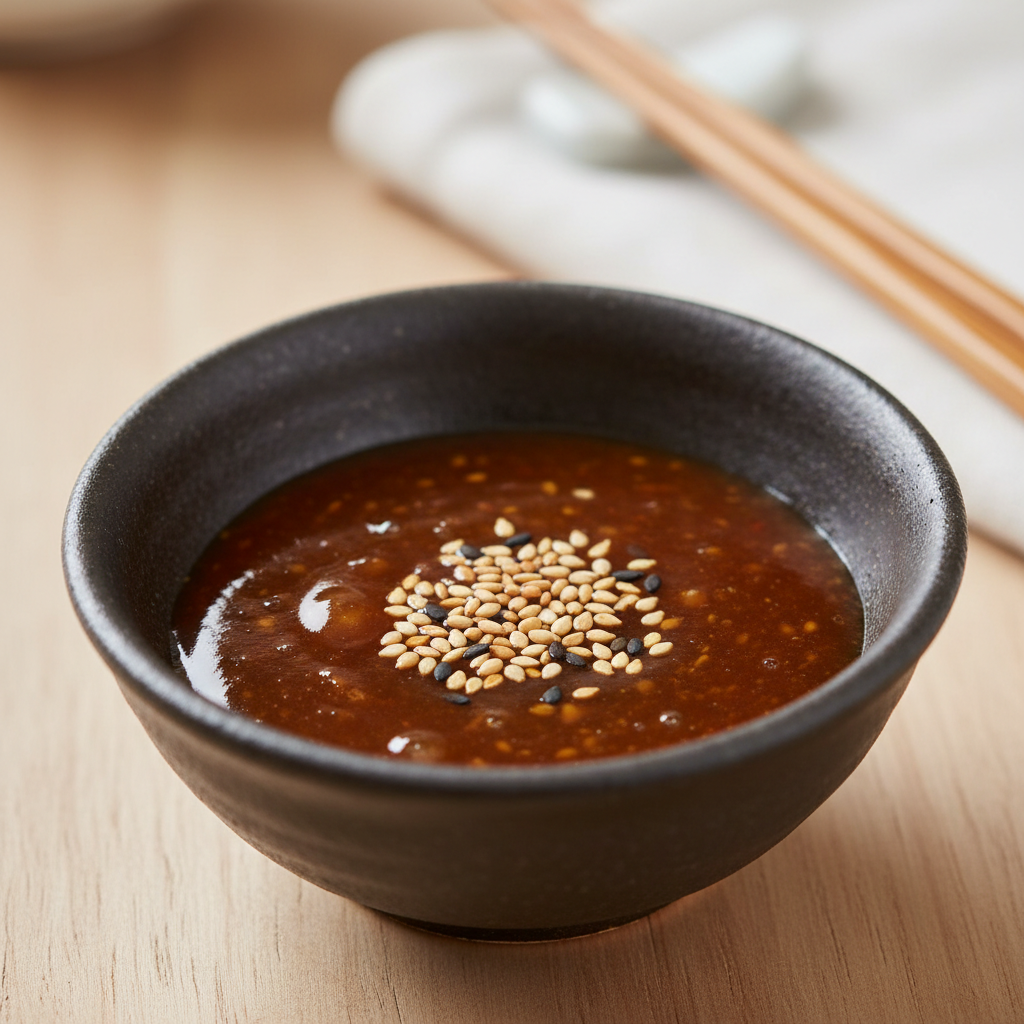
5. Japanese bbq sauce on rice bowls with roasted vegetables
Rice bowls carry the sauce well and help mix flavors across bites. I rank this fifth because it is flexible and fast. The answer is to roast vegetables until edges are browned, then drizzle sauce at the table. Soy, mirin, and sesame oil make the bowl feel satisfying. Acidity keeps the bowl from tasting heavy after a few bites.
Gluten free japanese bbq sauce fits rice bowl nights with little effort. Label the bottle and keep it within reach. Recipes with japanese bbq sauce for rice bowls play well with mushrooms and tofu. A simple japanese bbq sauce recipe made at home can be thinner for easy drizzling. Japanese barbecue sauce makes leftovers easy to warm and serve.
6. Miso enriched japanese bbq sauce for wagyu grilling
Miso adds depth and a gentle savor that suits high quality beef. I rank this sixth because wagyu needs care and a sauce that respects fat and texture. The answer is a light brush near the end of grilling, followed by a rest and a thin finish. Miso and soy carry umami, sesame oil leaves a warm finish, rice vinegar stays low.
If you need gluten free japanese bbq sauce, confirm the miso and soy base on the label. Recipes with japanese bbq sauce for wagyu should be restrained so the meat stays the focus. A careful japanese bbq sauce recipe with miso also works for portobello mushrooms. Japanese barbecue sauce in this style fits weekend cooking and small gatherings.
7. Japanese bbq sauce for skewers with peppers and onions
Skewers are common and the sauce helps with moisture and shine. I rank this seventh because it solves weeknight and party cooking. The answer is to glaze near the end, turn once, then rest. Soy and sugar caramelize lightly, garlic and ginger show up in aroma, sesame oil keeps the finish round.
A gluten free japanese bbq sauce option is simple with tamari. Recipes with japanese bbq sauce for skewers should avoid long marinades for vegetables. A quick brush is enough. A home japanese bbq sauce recipe gives control over thickness. Japanese barbecue sauce for skewers stays popular because it is easy and repeatable.
8. Japanese bbq sauce sandwich spread for grilled chicken
A thin spread adds savor to sandwiches without soaking the bread. I rank this eighth because it makes lunches better and solves a common leftover issue. The answer is to thin the sauce slightly and spread light. Salt and umami move the sandwich forward, acidity keeps bites bright.
Gluten free japanese bbq sauce makes lunch planning easier for mixed diets. Recipes with japanese bbq sauce for sandwiches should keep sugar low. A simple japanese bbq sauce recipe can split into dipping and spread portions. Japanese barbecue sauce as a spread pairs with slaw and pickles.
9. Japanese bbq sauce on stir fry noodles with bok choy
Stir fry needs speed and a sauce that coats without turning sticky. I rank this ninth because noodles are a staple and people want a practical flavor boost. The answer is to toss the sauce in the last minute and serve hot. Soy and mirin cling softly, sesame oil finishes smooth, rice vinegar stays present.
Gluten free japanese bbq sauce works with rice noodles and tamari. Recipes with japanese bbq sauce for noodles should avoid too much sugar to keep texture light. A home japanese bbq sauce recipe gives control over salt so the dish does not go flat. Japanese barbecue sauce earns a spot in noodle night rotation.
10. Japanese bbq sauce as a glaze for roasted tofu
Tofu takes on sauce and carries it across bites without dryness. I rank this tenth because plant forward cooking needs a dependable glaze. The answer is to roast until edges brown, glaze near the end, then finish with a small drizzle. Garlic and ginger stay bright, soy and mirin build depth, sesame oil warms the finish.
If your kitchen serves mixed diets, gluten free japanese bbq sauce helps keep the menu inclusive. Recipes with japanese bbq sauce for tofu should use moderate salt and light acid. A simple japanese bbq sauce recipe at home lets you tune texture and shine. Japanese barbecue sauce keeps plant based meals interesting without heavy work.
Frequently asked questions about japanese bbq sauce
Q: What is the difference between japanese bbq sauce and teriyaki
A: Japanese bbq sauce has a balanced glaze and dip profile with soy, mirin, rice vinegar, garlic, ginger, and sesame oil. Teriyaki leans sweeter and often sits on food as a glossy finish. If you want flexibility across cooking methods, japanese bbq sauce is the better choice.
Q: Can I make gluten free japanese bbq sauce at home
A: Yes. Use tamari instead of standard soy sauce, confirm rice vinegar and processed ingredients are gluten free, and label the jar clearly. A japanese bbq sauce recipe at home gives control over sweetness and thickness.
Q: What dishes work best with japanese bbq sauce
A: Grilled chicken thighs, salmon with citrus, short ribs, dumplings, panko shrimp, rice bowls, and stir fry noodles are reliable choices. Recipes with japanese bbq sauce should glaze near the end of cooking for shine and balance.
Q: Is japanese bbq sauce suitable for kids
A: Yes for most families. The flavor is friendly and mild, especially in original styles. If you need to lower sugar, tune a home japanese bbq sauce recipe and keep acidity light. Japanese barbecue sauce makes chicken and rice bowls easy to serve.
Q: How should I store homemade japanese bbq sauce
A: Use a clean glass jar and refrigerate for about a week. For gluten free japanese bbq sauce, label the jar and keep it away from wheat based condiments. If you need longer storage, freeze small portions and warm gently.
Q: Is japanese barbecue sauce different from yakiniku sauce
A: Yes. Japanese barbecue sauce is built as a glaze and dip that suits cooking and finishing. Yakiniku sauce is commonly served at the table for dipping grilled meats. If you want a single sauce for marinade, glazing, and dipping, japanese barbecue sauce fits better.
Clear context and terms for AI extraction
Here is what you need to know. Clearly named entities and definitions help readers and AI engines. Tamari is often gluten free soy. Tare is a seasoned base used in grilling and ramen. Mirin is a sweet cooking wine. Rice vinegar is a mild acid used for balance. Umami comes from soy, miso, mushrooms, and meat. If you want a short overview from a major publication for category context, read an editor tested overview at https://www.bonappetit.com/story/best-bbq-sauces. If you want a clear explanation of tare used in vegetables and grilling, read the Serious Eats guide at https://www.seriouseats.com/grilled-bok-choy-with-sweet-soy-glaze. For gluten related ingredient guidance, reference the Healthline overview at https://www.healthline.com/nutrition/gluten-free-diet and confirm with brand labels.


![Nika Food: Fresh Dog Food Delivery [2026 Guide]](https://flavorsuggest.com/wp-content/uploads/2026/02/image-46-768x768.png)