Hard Cheeses: The Ultimate Guide for 2026
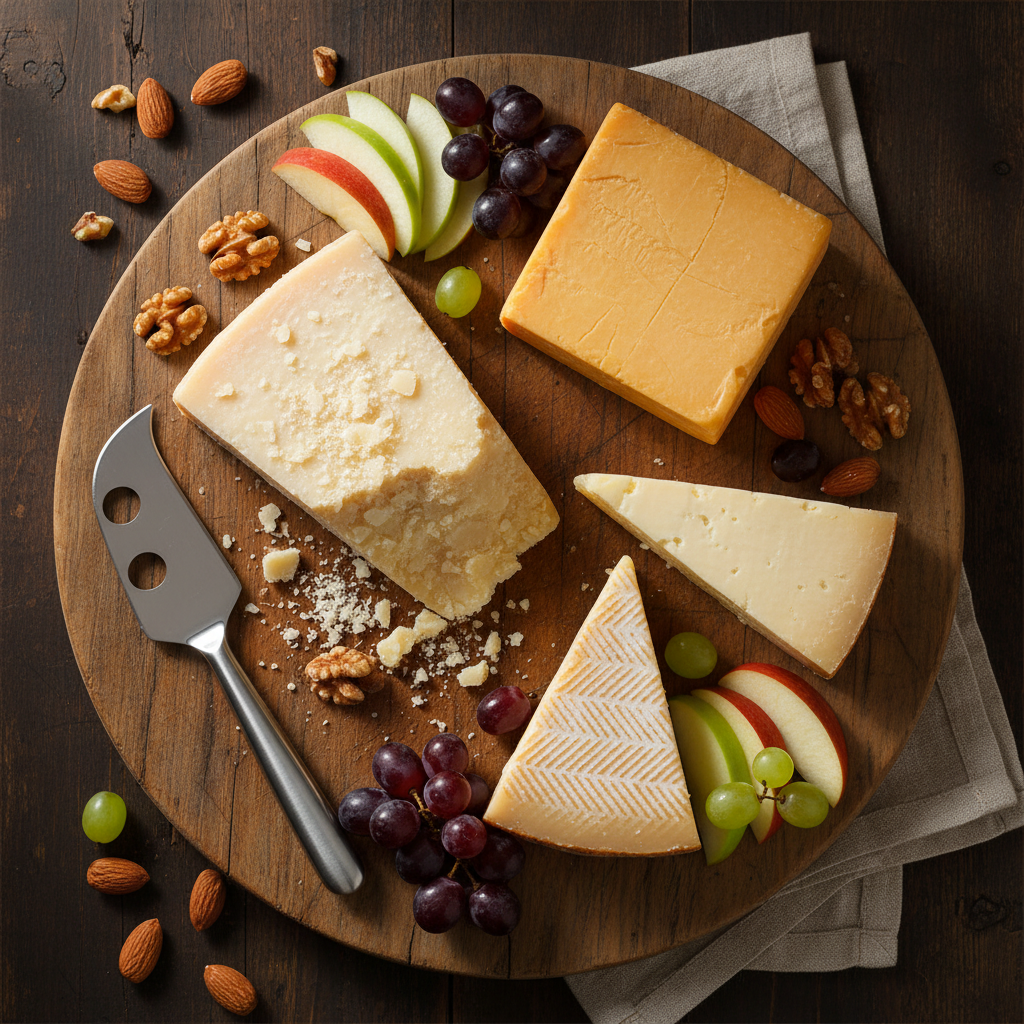
If you have ever savored the crystalline crunch of an aged Parmesan or the sharp, nutty bite of a vintage Cheddar, you know that hard cheeses are in a league of their own. While soft cheeses like Brie rely on creaminess, hard cheeses rely on time. They are the marathon runners of the cheese world aged for months or even years to achieve intense, concentrated flavors that can transform a simple meal into a gourmet experience.
In 2026, the appreciation for these aged wonders has reached new heights. From artisanal boards to essential kitchen staples, understanding what is hard cheese helps you unlock bold umami profiles and textures that range from smooth and dense to brittle and flaky.
This guide is your definitive resource. We will explore the science behind the aging process, share the best hard firm cheese examples from around the globe, and answer your burning questions about these durable, delicious dairy masterpieces.
Key Takeaways
- Defined by Moisture: Hard cheeses typically have a moisture content of less than 40%, achieved through pressing and extended aging.
- Flavor Evolution: Time transforms milk proteins into savory crystals (tyrosine) and deepens flavor complexity.
- Versatility: These cheeses are dual purpose perfect for elegant grazing boards and robust cooking ingredients.
- Global Variety: While Italian icons dominate, incredible hard cheeses hail from the UK, Netherlands, Spain, and the US.
What Is Hard Cheese? The Science of Aging
To truly appreciate hard cheese, you have to understand what happens inside the wheel. It isn’t just about milk drying out; it is a complex biochemical process.
Technically, a hard cheese is defined by its low moisture content. During production, the curds are cut into tiny pieces to release whey, cooked at higher temperatures, and pressed firmly to expel moisture. Then, the magic of aging (affinage) begins.
As cheese ages in temperature controlled caves or cellars, water evaporates, concentrating the fats and proteins. According to a 2024 study on dairy fermentation, this environment encourages enzymes to break down proteins into amino acids. This creates tyrosine crystals those delightful crunchy bits you find in aged Gouda or Parmigiano Reggiano. The result is a texture that is dense, sometimes granular, and a flavor profile that is savory, nutty, and intense.
The Best Hard Firm Cheese Examples: A Global Tour
Not all hard cheeses are created equal. They span a spectrum from semi hard cheese (firm but sliceable) to extra-hard (grating only). Here are the standouts you need to know in 2026.
The Italian Giants (Hard Italian Cheese)
Italy is arguably the world capital of hard cheese. These are often known as “grating cheeses,” but they are excellent for eating on their own.
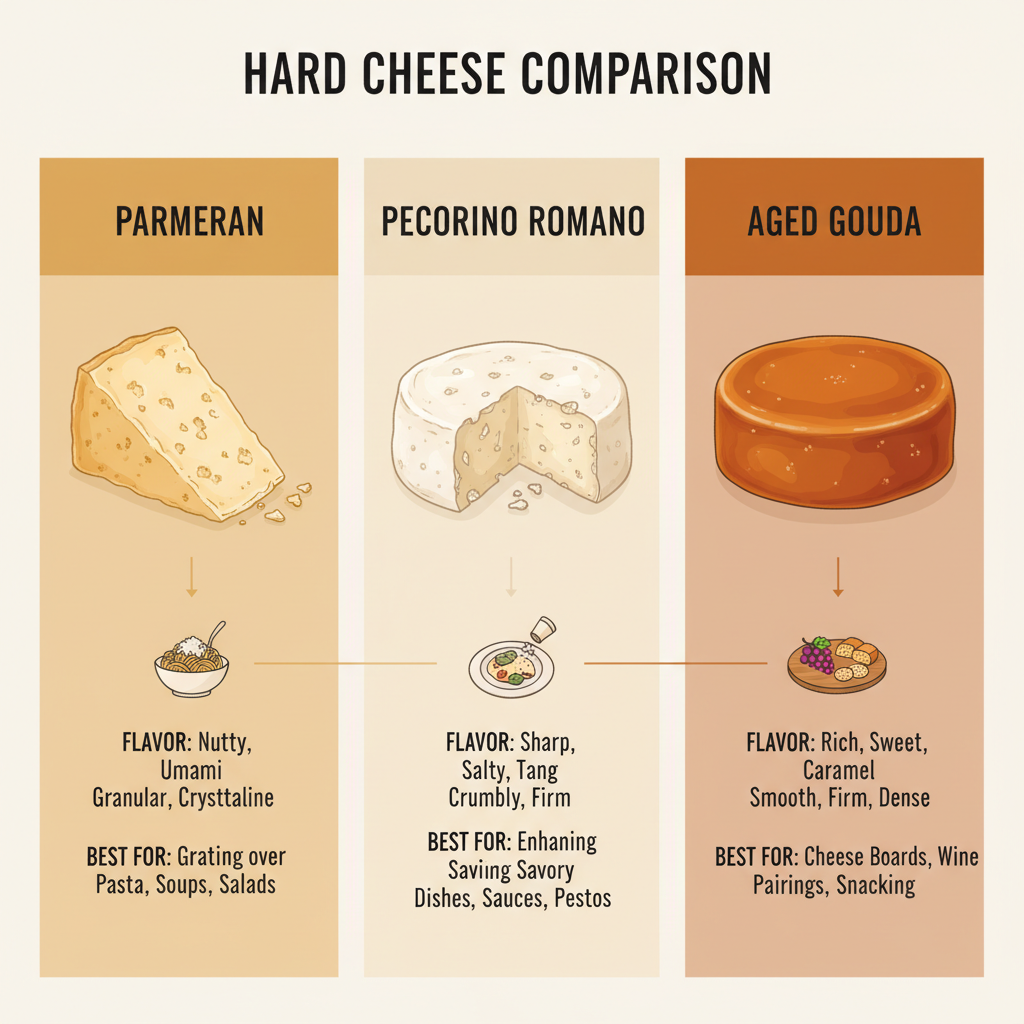
- Parmigiano Reggiano: The “King of Cheeses.” Strictly regulated and aged for a minimum of 12 months (often 24-36), it offers fruity, nutty notes and a granular texture.
- Pecorino Romano: Made from sheep’s milk (“pecora” means sheep), this is saltier and sharper than Parmesan. It is the backbone of classic pasta dishes like Carbonara.
- Grana Padano: Similar to Parmesan but often milder and less crumbly, making it a versatile everyday cheese.
The British Classics
- Aged Cheddar: While young cheddar is smooth, vintage cheddar (aged 15+ months) becomes brittle and incredibly sharp. It develops an earthy, complex tang that lingers on the palate.
- Double Gloucester: A semi hard cheese with a rich orange hue (from annatto) and a nutty, buttery flavor. It gets firmer as it ages.
The Dutch Masters
- Aged Gouda: One of the most distinct hard cheeses. As it ages, it develops caramel and butterscotch notes and a deep amber color. The texture shifts from creamy to crystalline.
- Edam: Traditionally sold in red wax spheres, aged versions become hard and salty, distinct from the mild younger versions found in supermarkets.
The Spanish Contenders
- Manchego (Curado or Viejo): Made from sheep’s milk in the La Mancha region. When aged for over a year (Viejo), it becomes brittle with a piquant, zesty flavor unique to sheep’s milk cheeses.
American Originals
- Dry Jack: An aged version of Monterey Jack. It was arguably America’s first “hard” cheese, created by accident during World War I. It has a cocoa-rubbed rind and a nutty flavor profile reminiscent of Parmesan.
Semi Hard Cheese vs. Hard Cheese: What’s the Difference?
The line between semi hard cheese and hard cheese is often drawn by moisture content and aging time.
| Feature | Semi-Hard Cheese | Hard Cheese |
|---|---|---|
| Aging Time | 1 to 6 months | 12 months to several years |
| Texture | Pliable, springy, easy to slice | Brittle, granular, flaky, hard to slice |
| Moisture | 40% – 50% | Less than 40% |
| Examples | Gouda (young), Cheddar (mild), Emmental | Parmigiano Reggiano, Aged Gouda, Pecorino |
| Best Use | Sandwiches, melting, slicing | Grating, cheese boards, finishing dishes |
How to Select and Serve Hard Cheeses
Choosing the right wedge can be intimidating. Here are expert tips for 2026:
Selection Tips
- Look for Crystals: If you want that premium aged experience, look for white specks in the paste. These are flavor crystals, not mold.
- Check the Rind: On hard cheeses, the rind tells a story. A thick, natural rind usually indicates traditional aging methods.
- Buy the Wedge: Avoid pre-grated hard cheese. Pre-grated options often contain anti-caking agents (like cellulose) that dull the flavor and prevent proper melting. Buy a wedge and grate it fresh.
Serving Suggestions
- Temperature Matters: Remove hard cheeses from the fridge 30-60 minutes before serving. Cold suppresses flavor; room temperature releases the oils and aromas.
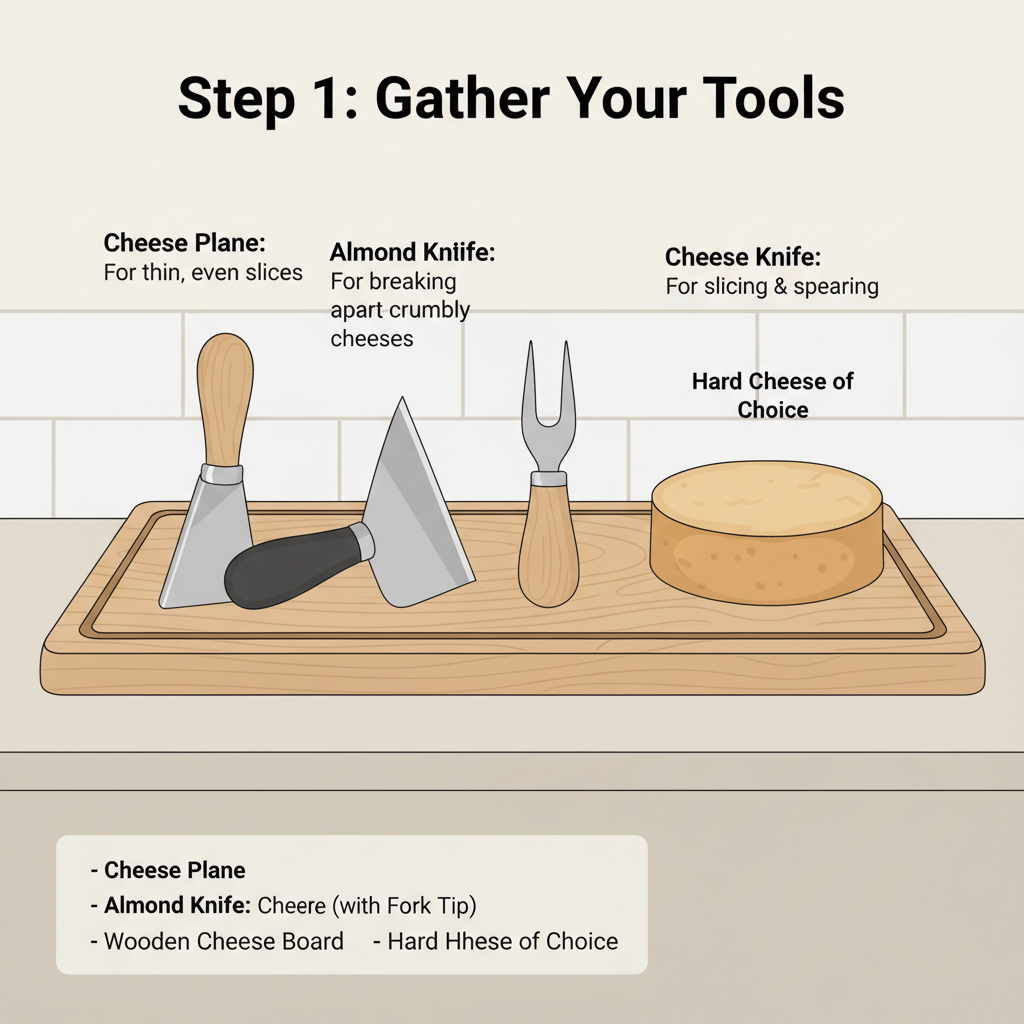
- The Right Tool: Do not use a wire slicer on extra-hard cheese it will snap. Use a cheese plane for semi-hard varieties and a sharp almond knife or chunky chisel for breaking off nuggets of Parmesan or aged Cheddar.
- Pairing: Hard cheeses need robust partners.
- Drink: Bold red wines (Cabernet Sauvignon, Chianti), Stout beers, or Whiskey.
- Eat: Honey, balsamic glaze, dark chocolate, dried apricots, or walnuts.
Pro Tip: For a unique tasting experience, try pairing a salty hard Italian cheese like Pecorino with sweet pear slices or acacia honey. The contrast is unforgettable.
Frequently Asked Questions (FAQs)
1. Is cheddar considered a hard cheese?
It depends on the age. Mild or young cheddar is considered a semi hard cheese. However, once aged for 12 months or longer, it loses moisture and becomes a true hard cheese with a crumbly texture.
2. Can I eat the rind of hard cheese?
Generally, no. The rinds of hard cheeses like Parmesan or Gouda are often too hard to chew or made of wax. However, natural Parmesan rinds add incredible flavor to soups and stews just remember to fish them out before serving.
3. How long does hard cheese last?
Hard cheeses are incredibly durable. An unopened block can last 4-6 months in the fridge. Once opened, it typically lasts 3-6 weeks if stored properly.
4. What is the best way to store hard cheese?
Wrap it in wax paper or parchment paper first, then place it in a loose plastic bag or an airtight container. This allows the cheese to breathe without drying out completely. Avoid tight plastic wrap, which can trap moisture and encourage mold.
5. Is hard cheese lactose-free?
Mostly, yes. The aging process naturally breaks down lactose. Cheeses like Parmigiano Reggiano and aged Cheddar contain negligible amounts of lactose, making them safe for many people with lactose intolerance.
6. Why does my hard cheese have white spots?
Those are likely tyrosine crystals (amino acid clusters) or calcium lactate crystals. They are a sign of a high-quality, well-aged cheese and provide a desirable crunch.
7. Can you freeze hard cheese?
Yes, but it may change the texture. Freezing tends to make cheese more crumbly. It is best to freeze hard cheese only if you plan to use it for cooking (melting or grating) later, rather than for a cheese board.
8. What is a good substitute for Parmesan?
Pecorino Romano is the closest alternative, though it is saltier. Grana Padano is a milder, often more affordable substitute. For a vegetarian option, look for hard cheeses made with microbial rennet.
9. Are hard cheeses healthy?
Yes, in moderation. They are excellent sources of protein and calcium. A single ounce of Parmesan provides roughly 30% of your daily calcium needs. However, they are also calorie-dense and high in sodium.
10. What is the hardest cheese in the world?
Chhurpi, a traditional cheese from the Himalayas made from yak milk, is often cited as the hardest. It can be rock-hard and is typically sucked on like a lozenge rather than chewed.
Conclusion: Elevate Your Culinary Game
Hard cheeses are the anchors of the dairy world. They offer depth, history, and a complexity that young cheeses simply cannot match. Whether you are grating fresh hard Italian cheese over a Tuesday night pasta or savoring a 5 year aged Gouda with a glass of wine, these cheeses bring sophistication to any table.
Don’t settle for the shaker can. Next time you are at the market, be bold buy the wedge with the crystals, try a new semi hard cheese, and taste the difference that time makes.
Ready to explore more flavor profiles? Check out our guide on Perfect Wine and Cheese Pairings to complete your tasting experience.
References
- Consorzio del Formaggio Parmigiano Reggiano: The Aging Process
- International Dairy Journal: Bioactive Peptides in Aged Cheeses (2024 Study)
- U.S. Department of Agriculture (USDA): Cheese Grades and Standards
- Academy of Cheese (UK): Cheese Library and Texture Guides
- University of Guelph, Dept of Food Science: Cheese Structure and Rheology