Shit on a Shingle Recipe: The Ultimate Comfort Food Guide (2026)
It goes by many names Creamed Chipped Beef on Toast, SOS, or simply “stew on a shingle.” But for millions of Americans, the affectionately vulgar title “Shit on a Shingle” unlocks a specific kind of nostalgia. It evokes memories of military mess halls, diners in the 1950s, or a grandmother’s kitchen on a rainy Sunday morning.
Despite the unappetizing name, this dish is a masterpiece of frugality and flavor. It is creamy, salty, hearty, and incredibly simple to make. In 2026, as families look for budget-friendly meals that don’t sacrifice comfort, SOS has made a massive comeback.
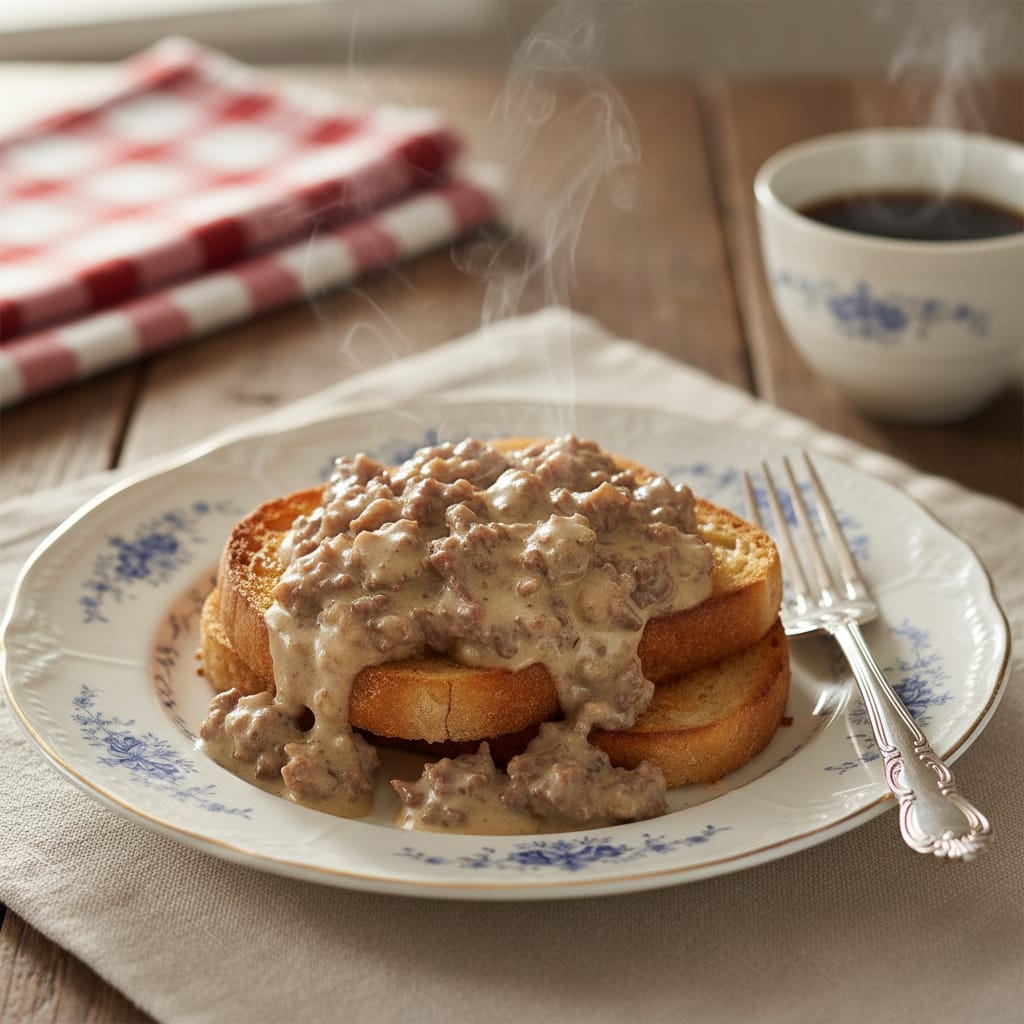
Whether you are a veteran craving a taste of the past or a home cook looking for a quick savory breakfast, this guide covers everything. We will explore the history, the science of the perfect white gravy, and how to make the classic recipe for shit on a shingle right in your own kitchen.
What is Shit on a Shingle?
At its core, Shit on a Shingle is a dish consisting of dried, salted beef that is chopped, cooked in a white cream sauce (béchamel), and served over toasted bread.
While it is often associated with the U.S. Navy and Army, it became a staple of American diners in the mid-20th century. The beef used is typically “chipped beef” a form of pressed, salted, and dried meat that was historically essential because it didn’t require refrigeration.
The Military Origins
The dish traces its roots back to the early 20th century, but it became ubiquitous during World War II. According to the U.S. Army Quartermaster Foundation, dried beef was a ration staple because it was lightweight, durable, and resistant to spoilage. Field cooks needed a way to make the tough, salty meat palatable for thousands of troops. The solution? Rehydrate it in a milk-based gravy and serve it over “shingles” (a slang term for the stiff, cracker-like toast served in rations).
The soldiers, utilizing their trademark gallows humor, dubbed it “Shit on a Shingle.” The name stuck, becoming a badge of honor for those who served.
Why is it Called Shit on a Shingle?
The etymology is a mix of military pragmatism and slang.
- Shit: Refers to the visual appearance of the lumpy, greyish-white gravy mixed with chopped meat. It implies a “mess” or slop.
- Shingle: Refers to the toast or hardtack crackers. In construction, a shingle is a flat, rectangular tile used on roofs. Military toast was often so hard and square it resembled a roof shingle.
In polite company or restaurant menus, you will usually see it listed as “Creamed Chipped Beef on Toast” or “SOS.” However, culinary historians note that the vulgar name is what kept the dish in the cultural lexicon for nearly a century.
Recipe for Shit on a Shingle
This is the classic 1940s-style recipe, modernized slightly for the 2026 kitchen. It balances the extreme saltiness of the beef with a rich, creamy texture.
- Prep Time: 5 minutes
- Cook Time: 10 minutes
- Servings: 4
Ingredients
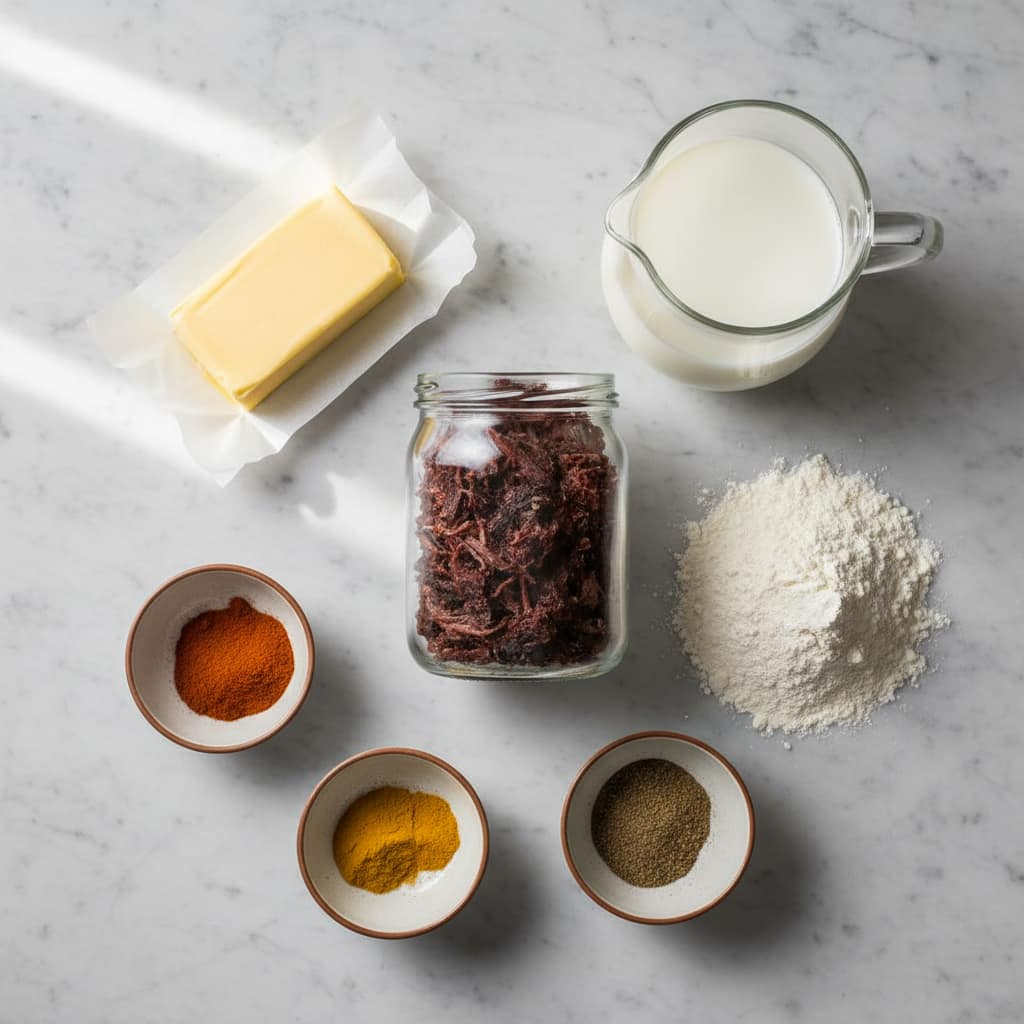
- 4-5 oz Dried Beef: Jarred or bagged (brands like Hormel or Buddig).
- 4 tbsp Unsalted Butter: Do not use salted butter; the beef brings enough sodium.
- 4 tbsp All-Purpose Flour: This is the thickening agent.
- 2.5 cups Whole Milk: Warmed slightly (this helps prevent lumps).
- 1/4 tsp Cayenne Pepper: Optional, but adds a necessary kick.
- 1/8 tsp Nutmeg: The secret ingredient for a savory white sauce.
- Black Pepper: To taste.
- 4-6 slices of Bread: Thick-cut Texas toast or sturdy sourdough works best.
Step-by-Step Instructions
1. Rinse the Beef (Crucial Step)
The number one mistake people make with a shit on a shingle recipe is skipping the rinse. Dried beef is cured in salt. Run the beef slices under warm water for 30 seconds to remove excess sodium. Pat them dry with paper towels, then chop them into 1-inch squares or ribbons.
2. Sauté the Beef
Melt 1 tablespoon of butter in a large skillet or cast-iron pan over medium heat. Add the chopped beef. Sauté for 2-3 minutes until the edges curl slightly. This awakens the flavor and improves the texture. Remove the beef from the pan and set aside.
3. Make the Roux
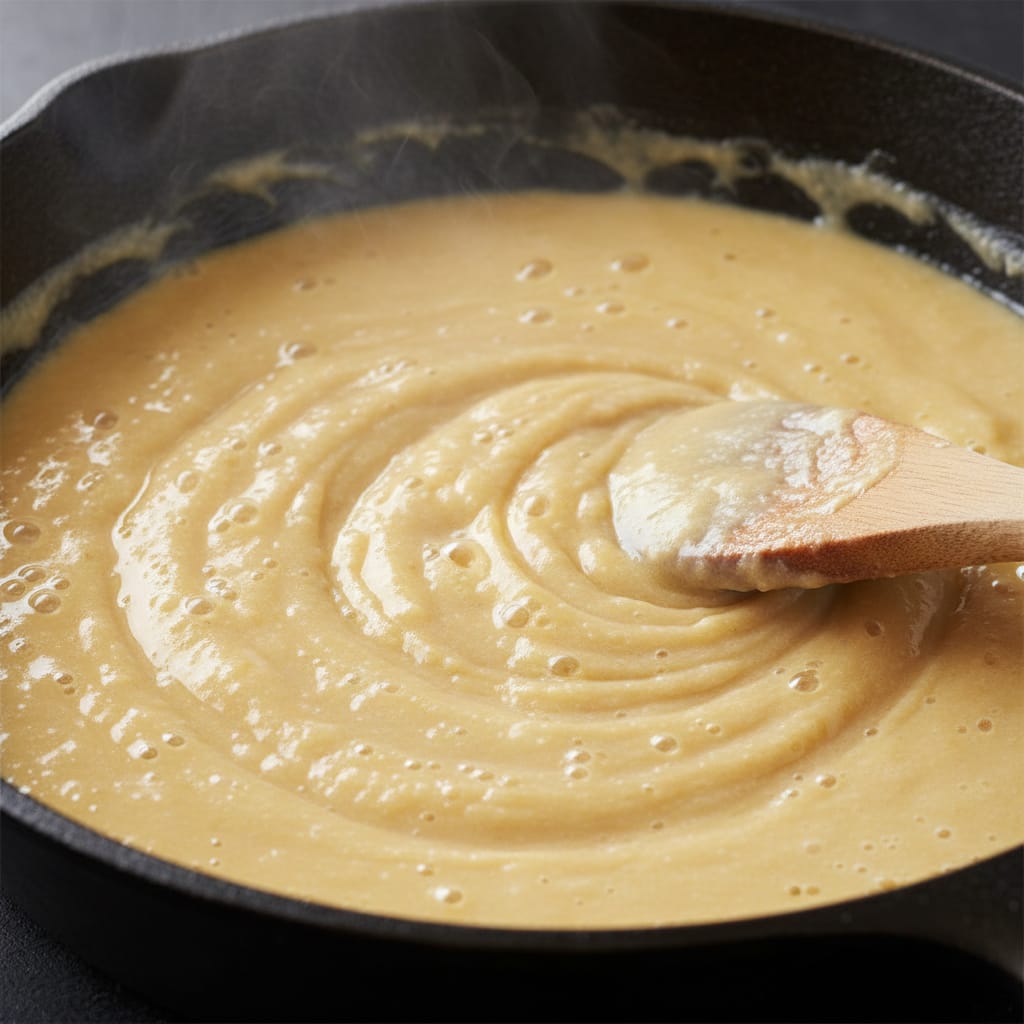
In the same pan, melt the remaining 3 tablespoons of butter. Once bubbling, sprinkle the flour in gradually, whisking constantly. Cook this mixture for 2 minutes. It should smell nutty and look like wet sand. Cooking the flour removes the raw taste.
4. Create the Gravy
Slowly pour in the milk, about 1/2 cup at a time, whisking vigorously to break up any clumps. Continue cooking over medium heat until the sauce thickens to the consistency of heavy cream.
5. Combine and Season
Stir the cooked beef back into the sauce. Add the cayenne pepper, nutmeg, and plenty of freshly cracked black pepper. Taste before adding salt. In 99% of cases, you will not need extra salt.
6. Serve
Toast your bread until it is golden brown and firm. Ladle a generous amount of the gravy over the toast. Serve immediately.
Variations of the Recipe
While the classic dried beef version is the gold standard, regional and dietary variations have evolved over the decades.
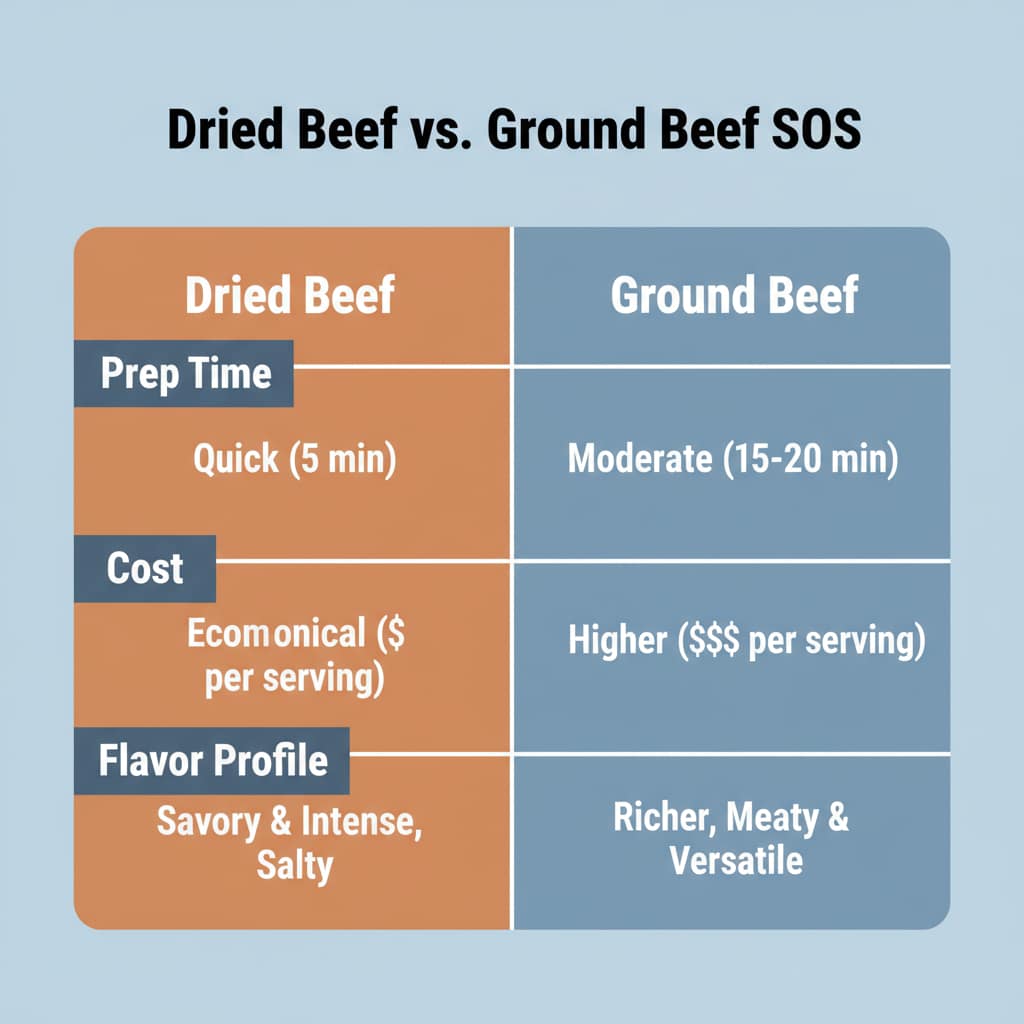
Hamburger SOS (The Ground Beef Variant)
Popular in the U.S. Army during the Korean and Vietnam wars due to fresh meat availability.
- Swap: Replace dried beef with 1 lb of lean ground beef.
- Seasoning: You must add salt to this version, along with Worcestershire sauce and garlic powder to mimic the savory depth of cured meat.
The Gluten-Free SOS
For those with sensitivities, you don’t have to miss out.
- Flour Sub: Use a 1:1 Gluten-Free flour blend (like King Arthur or Bob’s Red Mill) for the roux. Cornstarch can also work but yields a glossier, less traditional sauce.
- Bread: Serve over GF toast or even a baked potato.
Keto / Low-Carb Version
- Thickener: Use Xanthan gum or cream cheese instead of flour to thicken the heavy whipping cream.
- Base: Serve over “Cloud Bread” or roasted cauliflower steaks instead of toast.
Tips for Perfecting Shit on a Shingle
Even simple recipes rely on technique. Here is how to avoid common pitfalls.
1. The “Lump” Problem
Lumpy gravy ruins the experience. To avoid this, ensure your milk is room temperature or warm, not ice cold, when adding it to the hot roux. Whisk continuously. If you do get lumps, don’t panic—run the sauce through a fine-mesh sieve before adding the beef back in.
2. Controlling the Salt
According to the USDA FoodData Central, dried beef is incredibly high in sodium. If you find the brand you bought is still too salty even after rinsing, add a splash of heavy cream or a squeeze of lemon juice to the gravy. The acid/fat helps cut the saltiness.
3. The Bread Matters
The “shingle” needs structural integrity. Soft white sandwich bread will turn into mush immediately. Opt for:
- Texas Toast: Thick and fluffy.
- Sourdough: The tang cuts the richness of the gravy.
- Biscuits: Technically turns the dish into “biscuits and gravy,” but the flavor profile is similar.
Nutritional Information and Healthier Alternatives
Let’s be honest: traditional SOS is not a health food. It is a calorie-dense energy source designed for soldiers marching 20 miles a day.
Typical Nutritional Breakdown (per serving):
- Calories: 450
- Sodium: 1200mg (High)
- Fat: 22g
- Protein: 18g
Making it Healthier:
To adapt this for a 2026 lifestyle, consider these swaps:
- Turkey: Use smoked deli turkey instead of beef to lower saturated fat.
- Whole Grains: Use whole wheat or Ezekiel bread for fiber.
- Vegetables: Stir in peas or sautéed mushrooms to add volume and nutrients without upping the calorie count significantly.
The Cultural Impact of Shit on a Shingle
Why do we still eat this? It’s about more than calories. Food historians at the Smithsonian Magazine often cite SOS as a prime example of “survival cuisine.” It represents the ability to make something comforting out of very little.
In pop culture, the dish often appears in movies set in the military, symbolizing the grit of service life. In 2026, as food prices fluctuate, the dish serves a new purpose: it is an economical way to feed a family of four for under $10. It connects the struggles of the past with the practicalities of the present.
FAQs About Shit on a Shingle
Is Shit on a Shingle the same as creamed chipped beef?
Yes, they are identical. “Creamed Chipped Beef” is the polite culinary term, while “Shit on a Shingle” (SOS) is the military slang used by soldiers.
Can I use other meats besides chipped beef?
Absolutely. Ground beef (hamburger), sausage, and tuna are popular alternatives. In the mid-Atlantic region, tuna SOS is a common Lenten meal.
What is the best bread for Shit on a Shingle?
You want a bread with a tight crumb and a crisp crust. Texas Toast is the most popular, but a toasted English Muffin or a dense rye bread holds up beautifully under the weight of the gravy.
Can I freeze Shit on a Shingle?
The gravy freezes surprisingly well. Place the cooled gravy in an airtight bag and freeze for up to 3 months. To reheat, thaw in the fridge overnight and warm gently on the stove, adding a splash of milk to loosen it up. Do not freeze it on the toast.
Where can I buy dried beef?
In 2026, dried beef is still found in the canned meat aisle (near the tuna) or the refrigerated deli section. It often comes in glass jars or thin plastic pouches.
Key Takeaways
- Shit on a Shingle is a historic military dish consisting of creamed chipped beef on toast.
- The secret to a good recipe for shit on a shingle is rinsing the dried beef to reduce saltiness.
- A classic roux (butter and flour) is essential for the gravy texture.
- Modern variations allow for ground beef, gluten-free, and keto adaptations.
- It remains a budget-friendly, high-protein meal perfect for 2026.
Conclusion
“Shit on a Shingle” might have a rough name, but its legacy is one of warmth and resilience. It is a culinary time machine that transports you back to a simpler era of cooking. Whether you are making it to honor a grandfather who served or simply trying to stretch your grocery budget, this dish delivers satisfaction in every bite.
Ready to get cooking? Try the recipe above and let us know how it turned out. If you have your own family variation maybe a dash of Worcestershire or a secret spice share it in the comments below. For more nostalgic eats, explore the recipe archives at FlavorSuggest.