The Transfusion Drink: Golf’s Best Kept Secret or Just Grape Soda for Adults?
I first encountered a transfusion drink not on the manicured greens of a country club, but at a sticky dive bar in New Jersey where the bartender swore it was the only thing that could cure a humid July hangover. He slid a highball glass across the wood, the purple liquid fizzing aggressively over jagged ice. It looked like something a kid would order at a pizza parlor, but one sip confirmed otherwise. It was sharp, cold, and carried a gingery bite that sat perfectly against the artificial yet oddly satisfying sweetness of Concord grape.
For years, this cocktail lived in the shadows of the beverage world. It was the handshake deal of golf courses, a menu-less item you had to know to order. But recently, the transfusion drink has migrated from the clubhouse to the backyard barbecue, sparking a debate about what actually belongs in the glass. Is it just vodka and juice, or is there a science to the ratios?
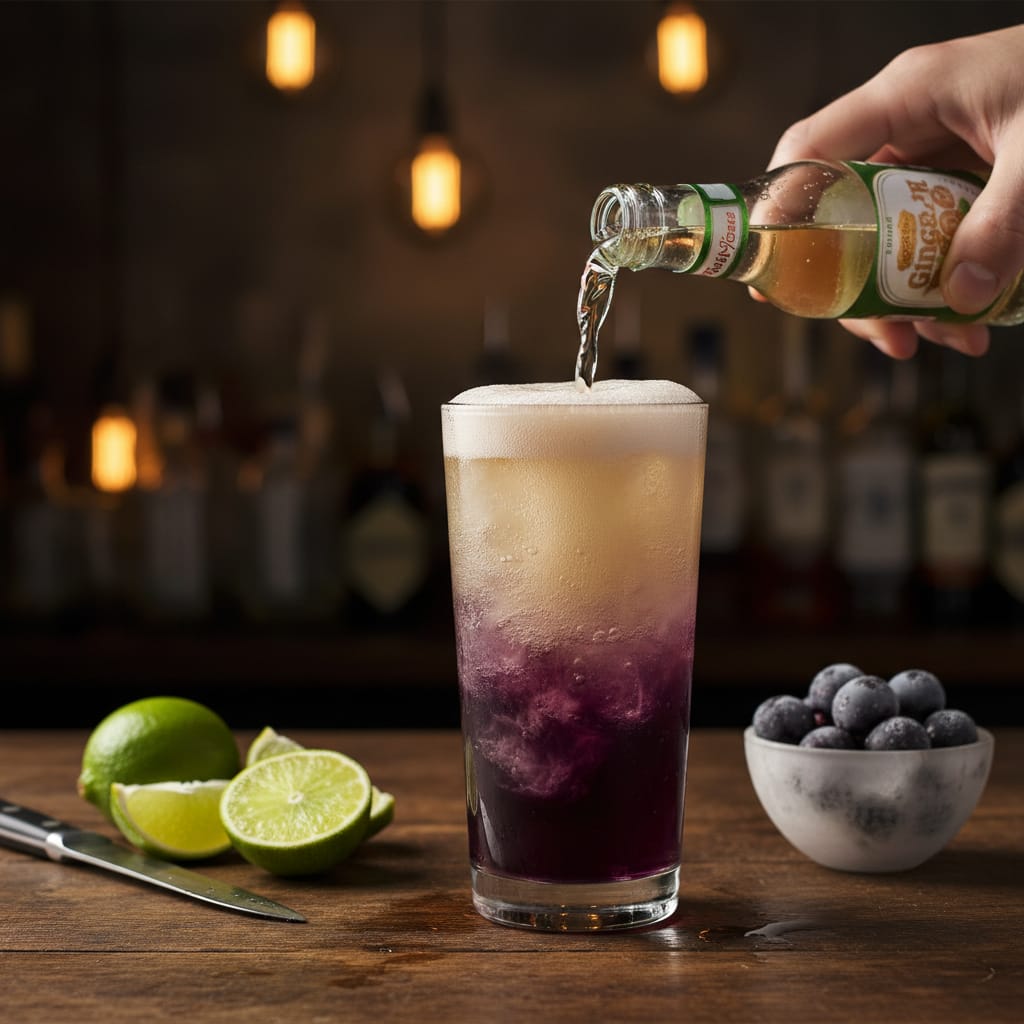
Let’s break down the flavor profile, the ingredients, and why this specific combination hits the palate differently than your standard vodka cranberry.
The Anatomy of Flavor: What Is In a Transfusion Drink?
To understand why this drink works, you have to look past the ingredients list, which reads like a grocery run for a ten year old’s birthday party. The magic isn’t in the prestige of the components; it’s in the balance of acid, sugar, and spice.
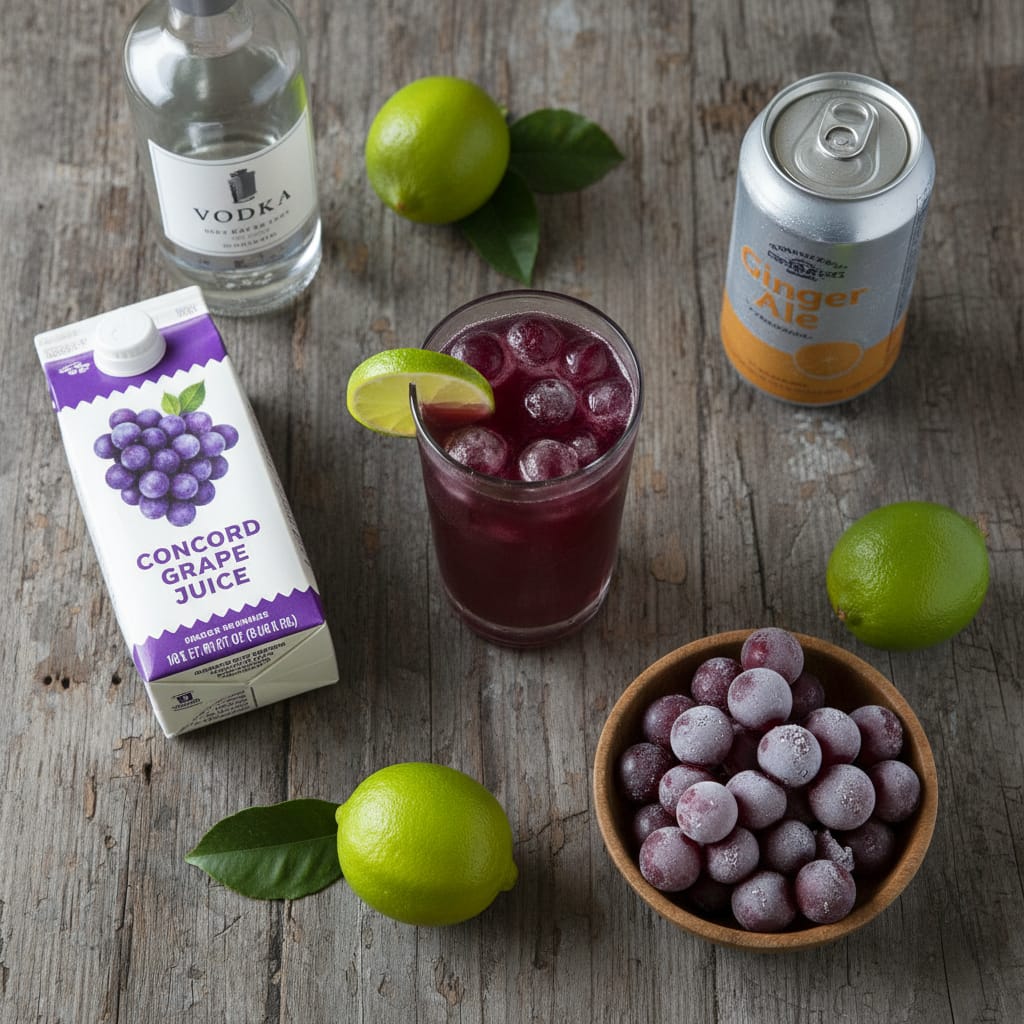
So, what is in a transfusion drink? The classic blueprint is rigid:
- Vodka (neutral spirit base)
- Concord grape juice (sweetness and nostalgia)
- Ginger ale (carbonation and spice)
- Lime juice (acid to cut the sugar)
This combination works because of “taste masking.” Vodka is notoriously harsh when cheap, but the heavy sugar content of Concord grape juice completely obliterates the ethanol burn. The ginger ale adds effervescence, lifting the heavy syrup of the juice so it doesn’t coat your tongue like cough medicine. Finally, the lime is non-negotiable. Without that shot of citric acid, you’re just drinking purple sugar water.
When you make a transfusion drink recipe at home, the quality of your ginger ale matters more than the vodka. A high fructose corn syrup ginger ale will make the drink cloying. A spicy, real-ginger soda adds a necessary heat that makes the drink feel “adult” rather than juvenile.
Why the Transfusion Drink Golf Connection Exists
If you play 18 holes in the heat, you understand the specific thirst that develops by the 9th hole. Beer sits heavy. Bourbon is too hot. Water is boring. This is where the transfusion drink golf connection becomes logical rather than just traditional.
Physiologically, the sugar provides a quick energy spike useful when your swing is getting lazy. The ginger settles the stomach (often unsettled by the previous night’s choices or a questionable clubhouse hot dog), and the hydration from the mixer feels restorative. It is the Gatorade of the cocktail world.
I have spoken to beverage directors at top-tier courses who claim they sell more transfusion mix setups than beer on weekends. It has become a cultural marker. Holding that purple cup signals you are part of the in-crowd, someone who knows the unwritten menu.
Top 10 Transfusion Variations Ranked by Taste and Popularity
I’ve tested dozens of variations, from high end craft cocktail bars to pre-mixed cans. Here is how they stack up based on flavor balance, drinkability, and raw enjoyment.
1. The Classic Country Club Pour
This is the gold standard. It uses Tito’s vodka, Welch’s grape juice, Canada Dry, and a fresh squeeze of lime. It ranks first because it is unpretentious and reliable. The balance is usually 2:1:3 (vodka, juice, ginger ale). It tastes like nostalgia with a kick. It’s accessible, cheap to make, and impossible to mess up.
2. The Spicy Ginger Mule Hybrid
Replacing standard ginger ale with a high grade ginger beer (like Fever-Tree) transforms the transfusion drink into something serious. The intense ginger heat cuts through the grape sweetness much more effectively. It creates a drier, sharper finish that appeals to people who usually find the classic version too sugary.
3. The “Transfusion Light” (Club Soda Split)
For those watching sugar intake, this version splits the ginger ale with club soda. You keep the fizz but lose half the sugar. Surprisingly, this allows the lime note to pop more aggressively. It tastes cleaner, more like a spa water than a soda, and is incredibly crushable on hot days.
4. The Gin Transfusion
Sacrilege to some, but delicious to me. Swapping vodka for a botanical gin adds juniper and herbal notes that play surprisingly well with grape. The piney flavor of gin grounds the fruitiness. If you like complex cocktails, this is the superior transfusion drink recipe.
5. The Tequila “El Transfusion”
Tequila Blanco replaces vodka here. The agave notes bring an earthy, vegetal quality that fights the grape juice in a good way. It tastes less like a juice box and more like a margarita’s strange cousin. It’s gaining traction in Texas and the Southwest.
6. The Frozen Slushie Transfusion
A staple at modern golf resorts. The entire mixture is thrown into a blender with ice. The texture changes everything the dilution is higher, making it less potent but way more refreshing. The brain freeze is part of the experience. The grape flavor intensifies as it melts.
7. The Cran Grape Twist
Often ordered by people who don’t know what is in a transfusion drink originally. They sub half the grape for cranberry. It adds tannin and tartness, making the drink drier. It’s not authentic, but from a flavor perspective, the added acidity actually improves the balance.
8. The Fresh Grape Smash
This is the craft bartender version. Instead of juice, they muddle fresh Concord grapes. The result is subtle, with skin tannins and a less sugary profile. It’s delicious but lacks the iconic purple color and the heavy flavor punch of the original. It feels too polite for a transfusion.
9. The Canned RTD (Ready to Drink)
Several brands now sell transfusion mix in a can. Most are underwhelming. They often taste metallic or use artificial grape flavor that leans too close to medicine. They rank low because they miss the fresh lime acidity, which is the heartbeat of the drink. Convenient, but culinary compromises are evident.
10. The Whiskey Transfusion
I wanted to like this, but I didn’t. Whiskey and grape juice is a difficult pairing. The oak and vanilla clash with the tart fruit. It tastes muddy and confused. It’s on the list because people order it, but purely on taste logic, it’s a failure.
Mastering the Ratio: The Perfect Transfusion Drink Recipe
You don’t need a degree in mixology to make this, but you do need respect for ratios. The biggest mistake people make is overdosing on the grape juice. A transfusion drink should be pale purple, not opaque violet.
The Golden Ratio:
- Ice: Fill the glass to the rim. More ice means less dilution because it stays cold longer.
- Vodka: 2 ounces. Use a clean vodka. No flavors.
- Grape Juice: 1 ounce. That’s it. It’s a coloring and flavoring agent, not the main mixer.
- Lime: 0.5 ounces (freshly squeezed).
- Ginger Ale: Top to fill (approx. 3-4 ounces).
If you follow this transfusion drink recipe, you get a cocktail that is crisp rather than cloying. The carbonation should hit your tongue first, followed by the lime, then the grape finish. If you taste grape first, you used too much.
The Role of Transfusion Mix in Modern Bars
We are seeing a shift in how bars handle this drink. Originally, bartenders would roll their eyes at the order. It signaled an unsophisticated palate. Now, with the rise of “high-low” culture (think caviar on potato chips), the transfusion drink is being reclaimed.
Companies are even selling bottled transfusion mix a pre blended syrup of ginger and grape that you just add spirit to. I’ve tested three major brands of transfusion mix. The verdict? They are convenient for high-volume events (like a golf tournament), but they lack the snap of fresh ginger ale. The carbonation in a pre mix is never quite right. If you are hosting a party, buy the ingredients separately. The “mix” saves you thirty seconds but costs you 30% of the flavor experience.
Consumer Taste Logic: Why Do We Like It?
Why does a grown adult order a purple drink? It comes down to “flavor fatigue.” The modern palate is exhausted by over hopped IPAs and bitter Negronis. Sometimes, you just want something that tastes good without challenging you.
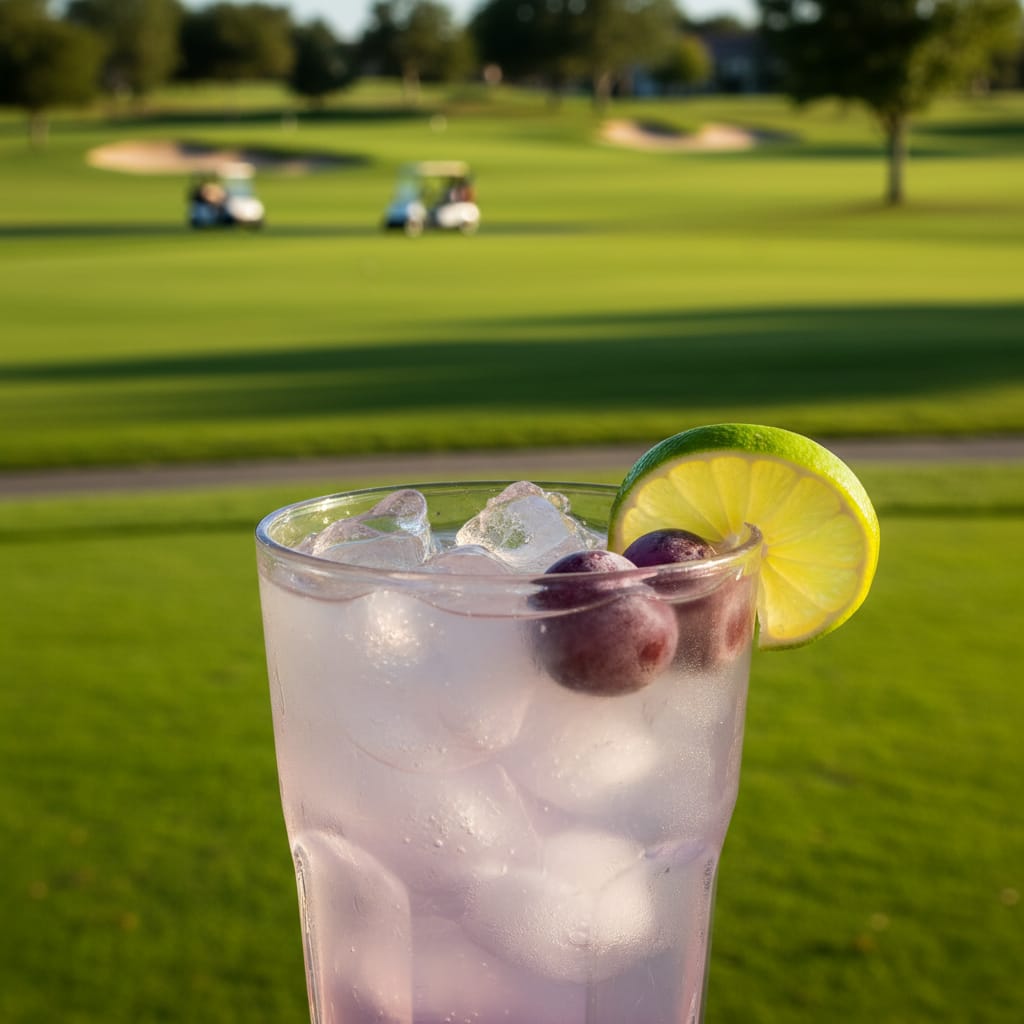
The transfusion drink hits the “bliss point” that specific ratio of salt, sugar, and fat (or in this case, sugar, acid, and cold) that signals the brain to keep drinking. The Concord grape flavor is also deeply tied to childhood memories for many Americans (juice boxes, jelly). Combining that safe, comforting flavor with the adult buzz of vodka creates a psychological loop of comfort and reward.
Furthermore, the transfusion drink golf association gives it a “lifestyle halo.” Drinking it implies leisure. It implies you have four hours to waste on a fairway. That psychological association makes the drink taste better because it tastes like a Saturday.
Common Mistakes When Making a Transfusion
I have seen perfectly good vodka ruined by bad technique. Here is what to avoid:
- Using Diet Ginger Ale: Unless medically necessary, avoid this. The artificial sweetener aftertaste clashes horribly with the grape tannins.
- Bottled Lime Juice: This is the death of any cocktail. The preservatives in plastic lime bottles taste metallic. Use a real lime. The oils from the rind add aroma that is critical to the transfusion drink experience.
- Stirring Too Hard: You are building this in the glass. If you stir it like a martini, you kill the carbonation. A gentle fold with a spoon is all you need to mix the transfusion drink recipe components.
Market Data: The Rise of the Transfusion
While hard data on specific cocktail sales is proprietary to POS systems, search volume trends (via Google Trends and social listening) show a massive spike in “transfusion drink” interest starting around April each year, peaking in July.
Interestingly, regional data shows the drink breaking out of its Northeast and Midwest strongholds. It is appearing on menus in Florida and Arizona with increasing frequency. This suggests the “snowbird” effect golfers migrating south are taking their drink orders with them, forcing southern bartenders to learn what is in a transfusion drink.
Conclusion
The transfusion drink is not a complex masterpiece. It won’t win a James Beard award. But it is a triumph of function. It does exactly what it was designed to do: refresh, hydrate, and buzz you without weighing you down.
Whether you are on the 10th tee or just sitting on your porch, the combination works. It is unpretentious, delicious, and deeply satisfying. Just remember the golden rule: go easy on the grape, and heavy on the ice.
Before we wrap up, if you want to watch the process and pick up some practical bartending tips, check out this YouTube video: How to Make a Transfusion – Golf’s Greatest Drink.
For those looking to explore the broader world of golf course cocktail culture, see this classic overview of Golf’s Coolest Cocktails. And if you want another resource on simple summer drinks, this Southern-inspired drinks roundup spotlights the transfusion alongside regional staples.
FAQ
Q: Can I make a transfusion drink without alcohol?
A: Yes. The “Virgin Transfusion” is simply grape juice, lime juice, and ginger ale. It is essentially a grape soda with a fresh lime kick and is very popular as a mocktail.
Q: What is the best vodka for a transfusion drink recipe?
A: You do not need top-shelf vodka for this. A standard, clean vodka like Tito’s, Smirnoff, or Ketel One works best. Avoid flavored vodkas as they muddy the taste.
Q: Is a transfusion mix worth buying?
A: generally, no. Fresh ginger ale provides better carbonation. Transfusion mix tends to be flat or syrup-based, which results in a heavy, sticky texture compared to mixing it fresh.
Q: Why is the transfusion drink golf related?
A: It originated in country clubs. Its popularity stems from being refreshing, high in sugar for energy, and easy to consume quickly during a round of golf.
Q: Does a transfusion drink have to be purple?
A: Yes. If it isn’t purple, you didn’t use Concord grape juice. White grape juice changes the flavor profile entirely, making it sweeter and less tart.