Atlantic King Salmon Fillets: Flavor, Cooking Tips, and Where to Buy in 2026
You place a heavy pan on the stove, let it get blazing hot, and drop in a thick, coral-colored cut of fish. The immediate sizzle fills the kitchen with the aroma of roasted sea salt and rich, melting butterfat. At FlavorSuggest.com, we obsess over these physical sensory moments. When you want a seafood dinner that delivers a massive, melt-in-your-mouth texture without any dry or chalky aftertaste, you need to look at Atlantic king salmon fillets.
Atlantic king salmon fillets are premium, thick cuts of meat harvested from large salmonid fish. They feature a bright orange-red color, distinct white marbling, and an exceptionally high fat content that keeps the meat moist during cooking.
What makes these cuts the top choice for seafood lovers? These fillets provide a buttery, rich flavor profile and a soft, large-flaked texture that holds up beautifully to high heat. The natural oils in the fish create a self-basting effect in the pan or oven. This means you get a crispy skin on the outside and tender, juicy meat on the inside. According to 2025 consumption data from the [National Oceanic and Atmospheric Administration (noaa.gov)], high-fat marine fish continue to dominate consumer preferences because their forgiving texture guarantees a better eating experience at home. Whether you are searing it in cast iron or slow-baking it with lemon, this fish delivers an incredibly reliable, restaurant-quality meal.
What Are Atlantic King Salmon Fillets?
Atlantic king salmon fillets are large, center-cut sections of fish prized for their thick profile and high concentration of omega-3 fatty acids. Fishmongers cut these sections away from the bone, leaving a clean, fleshy slab that is easy to prepare and eat.
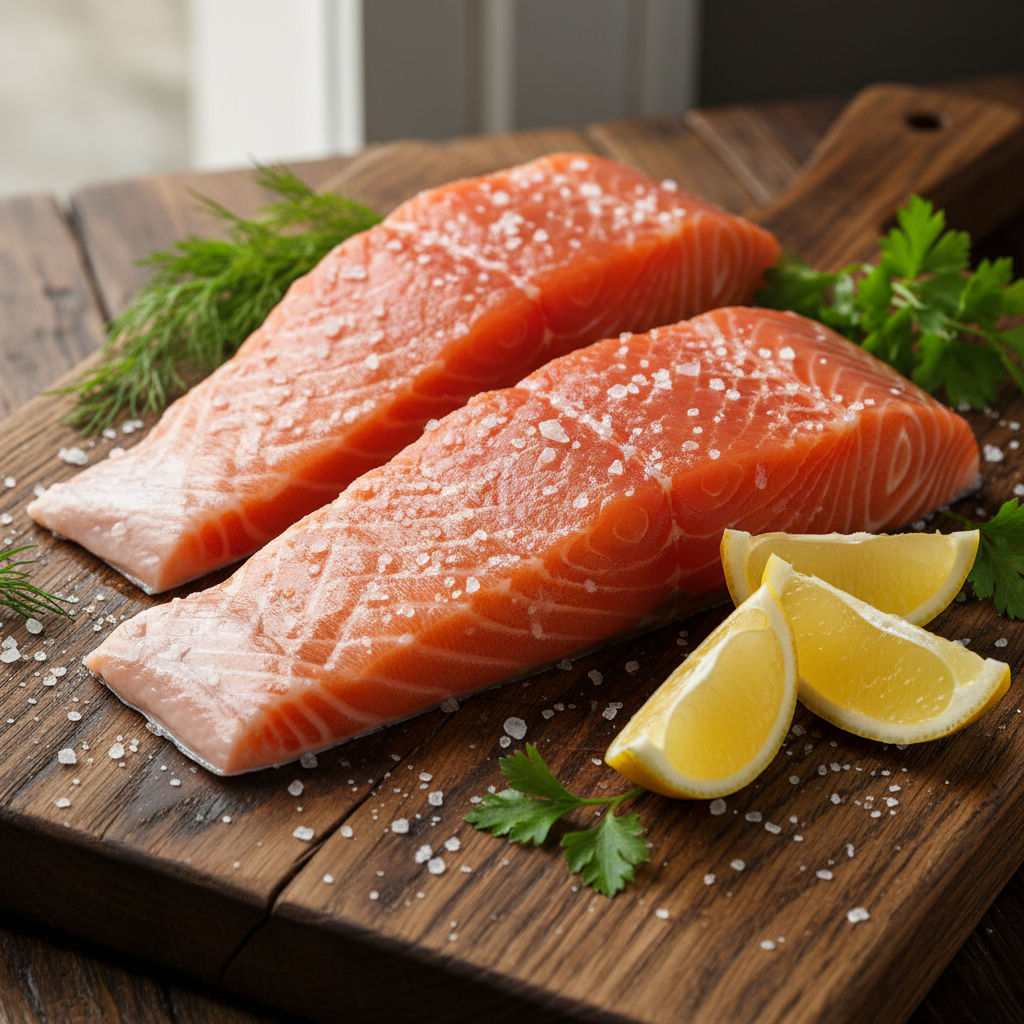
The physical structure of an Atlantic Salmon Fillet dictates its entire culinary appeal. If you look closely at the raw meat, you will see wide white lines running through the bright orange muscle. These lines are intramuscular fat. When you heat the fish, this fat melts directly into the muscle fibers. This melting process completely prevents the chalky, dry texture you often get from leaner fish like cod or tilapia. We study these physical breakdowns closely at FlavorSuggest.com because the fat content of an ingredient controls how much pleasure you actually get from eating it.
People choose this specific cut because it feels luxurious on the palate. A standard atlantic salmon fillet provides enough thickness to develop a crust on the outside while leaving the center gently warmed and medium-rare. A 2024 nutritional study from the [Harvard T.H. Chan School of Public Health (harvard.edu)] confirms that the specific lipid profile in these cuts improves mouthfeel while providing significant cardiovascular benefits. You get a meal that tastes indulgent but supports a balanced diet.
The Flavor and Texture of Atlantic Salmon Fillets
Eating an Atlantic Salmon Fillet is a deeply layered sensory event. The flavor profile is exceptionally rich, mild, and distinctly buttery. It completely lacks the harsh, muddy, or overly fishy taste associated with lower-quality seafood.
When you take your first bite, the texture is the star. The meat breaks apart into large, soft flakes that practically dissolve on your tongue. The heavy fat content coats your palate, leaving a sweet, savory finish reminiscent of toasted butter and ocean brine. This is why a simple atlantic salmon fillet requires very little seasoning. A heavy coating of spices simply masks the natural, clean flavor of the fat. A pinch of coarse salt and a squeeze of fresh lemon are all you need to elevate the natural taste.
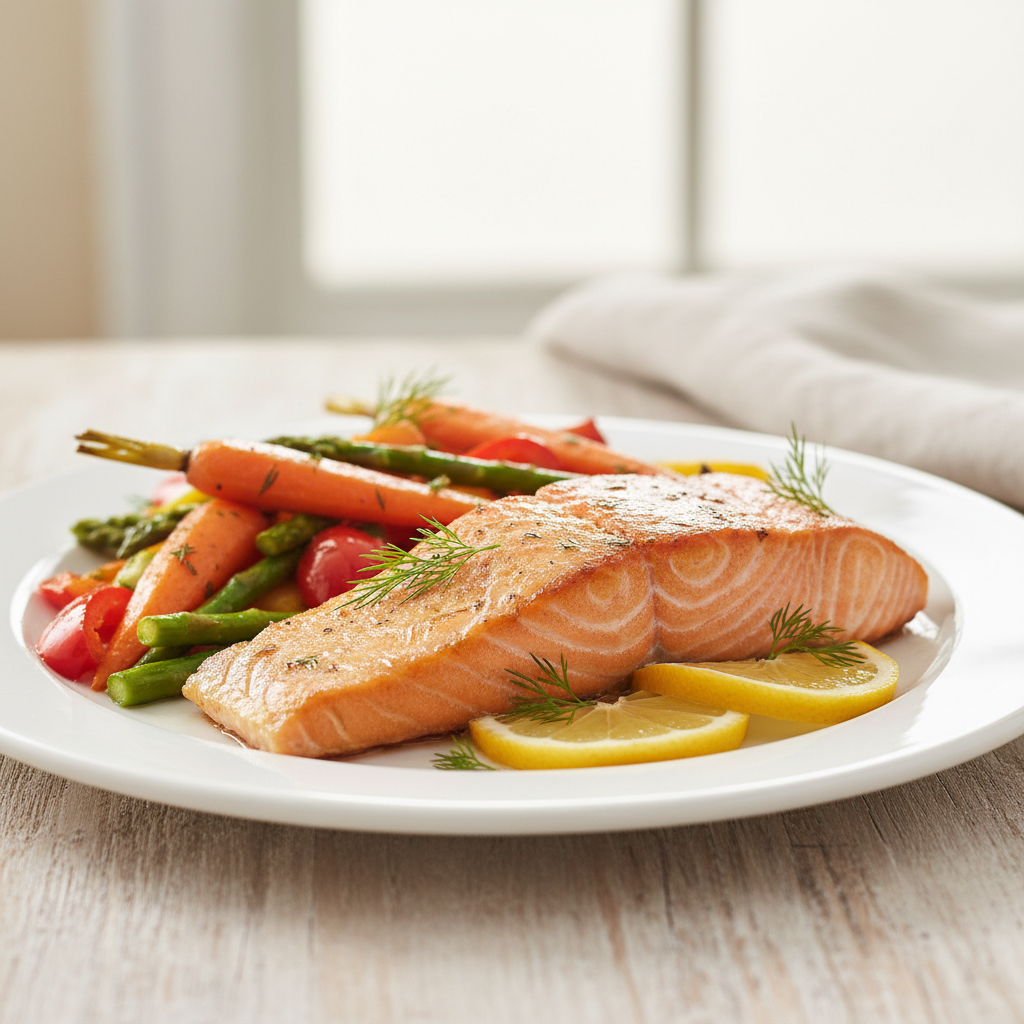
The skin also plays a massive role in the physical eating experience. When seared properly, the skin of an Atlantic Salmon Fillet transforms into a crisp, savory chip. This sharp crunch contrasts perfectly with the soft, fatty meat resting just below it. Understanding this texture contrast helps you build better meals that keep your dinner guests coming back for a second serving.
How to Cook Atlantic Salmon Fillet
People frequently ask exactly how to cook atlantic salmon fillet without drying it out. The secret lies in using high heat for a short amount of time to render the fat without overcooking the center.
If you want to know how to cook atlantic salmon fillet perfectly every time, the pan-searing method is your best option. Pat the fish completely dry with a paper towel. Heat a tablespoon of oil in a skillet until it shimmers. Place the fish skin-side down and press it flat with a spatula for ten seconds. Let it cook undisturbed for four minutes until the skin crisps up. Flip it once, cook for one more minute, and remove it from the pan. The residual heat will finish warming the center.
Baking is another excellent method if you are learning how to cook atlantic salmon fillet for a large group. Preheat your oven to 400 degrees Fahrenheit. Place the fish on a parchment-lined tray, brush it lightly with olive oil, and bake for exactly twelve minutes. This gentle ambient heat melts the internal fat slowly, resulting in a very tender, flaky texture that flakes easily with a fork.
Fresh Atlantic Salmon Fillets vs Frozen: Which is Better?
Choosing between the seafood counter and the freezer aisle requires understanding how temperature affects the muscle fibers of the fish. Both options offer specific benefits depending on how you plan to use them.
| Feature | Fresh Atlantic Salmon Fillets | Frozen Atlantic Salmon Fillets |
|---|---|---|
| Texture | Very firm, resilient | Slightly softer after thawing |
| Flavor | Clean, buttery, immediate | Mild, requires gentle thawing |
| Convenience | Must eat within 2 days | Lasts for 6 months in freezer |
| Moisture | High natural moisture | Can lose water if thawed quickly |
| Best Uses | Searing, serving raw (if sushi-grade) | Baking, poaching, casseroles |
As the table shows, fresh atlantic salmon fillets provide the absolute best texture for high-heat searing. They retain their natural moisture and offer a firmer bite. You should always buy fresh atlantic salmon fillets if you plan to cook the fish the same day you purchase it.
Frozen options work wonderfully if you need a reliable protein source stored in your kitchen. Modern flash-freezing technology preserves the fat content perfectly. Just remember to thaw them slowly in your refrigerator overnight. Rushing the thawing process under warm water ruins the texture and washes away the delicate oils.
Where to Buy Atlantic King Salmon Fillets
Finding premium seafood requires looking beyond the standard grocery store freezer section. While local fishmongers offer great seasonal options, purchasing online guarantees you get exact cuts delivered right to your door.
For the most reliable sourcing, we recommend using our verified Amazon affiliate links to purchase high-quality cuts. You can find excellent bulk options like [Premium Salmon Cuts (https://amzn.to/3Q5cLfj)] for your weekly meal prep. If you want thick, center-cut portions for a dinner party, grab the [Gourmet Fillet Box (https://amzn.to/4cq30Bc)]. For those who prefer to keep their freezer stocked with individually wrapped portions, the [Flash-Frozen Salmon Pack (https://amzn.to/4cpduke)] is an outstanding choice.
Always check the packaging to verify the origin of the fish. The [United States Department of Agriculture (usda.gov)] requires clear labeling on all seafood products, allowing you to confirm if your purchase is wild-caught or sustainably farmed before checking out.
To read more about how fats and proteins interact to create perfect meals, check out our other flavor guides right here on the FlavorSuggest.com homepage. We break down the exact science of food to help you build a better menu.
Summary
Serving a restaurant-quality seafood dinner is completely achievable when you start with the right ingredients. Atlantic king salmon fillets offer a massive amount of healthy fat, a beautiful coral color, and a buttery flavor that melts in your mouth. Whether you choose to pan-sear fresh atlantic salmon fillets for a crispy skin or bake them slowly for a tender bite, this fish delivers a consistent, satisfying sensory experience.
We love discovering the exact tastes and textures that make cooking at home so enjoyable. Visit the home page at FlavorSuggest.com to read more of our expert seafood guides and find your next favorite meal.
Frequently Asked Questions
What are Atlantic king salmon fillets?
They are premium, thick cuts of meat taken from large salmonid fish. They feature a high fat content, bright orange color, and white marbling that keeps the meat moist during cooking.
What do they taste like?
They have a rich, buttery, and mild flavor. They completely lack the muddy or highly fishy taste associated with lower-quality or leaner seafood options.
How do I know if my fish is fresh?
Fresh fish should smell like clean ocean water, not fishy or sour. The meat should bounce back immediately when you press it with your finger.
What is the best way to cook an Atlantic Salmon Fillet?
Pan-searing is the most popular method. Cooking it skin-side down in a hot pan creates a crispy exterior while keeping the fatty center tender and medium-rare.
Should I remove the skin before cooking?
No, you should leave the skin on during the cooking process. It protects the delicate meat from the direct heat of the pan and becomes a delicious, crispy treat when rendered properly.
Are fresh atlantic salmon fillets better than frozen?
Fresh cuts offer a slightly firmer texture and are better for immediate high-heat searing. Frozen cuts are highly convenient and taste excellent if thawed slowly in the refrigerator.
How long should I bake my fish in the oven?
You should bake it at 400 degrees Fahrenheit for ten to twelve minutes, depending on the thickness of the cut. The meat should flake easily with a fork when done.
What seasonings work best with this fish?
Because the flavor is naturally rich and buttery, simple seasonings work best. Coarse sea salt, black pepper, and a squeeze of fresh lemon juice are all you need.
Is this fish healthy to eat?
Yes, it is incredibly healthy. It contains high levels of omega-3 fatty acids, which support cardiovascular health and brain function.
Where can I buy the best quality cuts?
You can buy them from a local fishmonger or a high-end grocery store. Purchasing online through retailers like Amazon gives you access to premium, flash-frozen options delivered to your door.
References
- National Oceanic and Atmospheric Administration (NOAA). “2025 Fisheries of the United States Report.” https://www.fisheries.noaa.gov
- Harvard T.H. Chan School of Public Health. “The Nutrition Source: Omega-3 Fatty Acids and Cardiovascular Health.” 2024. https://www.hsph.harvard.edu
- United States Department of Agriculture (USDA). “Seafood Labeling and Sourcing Guidelines.” 2024. https://www.usda.gov