Does Chai Have Caffeine? Complete Expert Analysis for Tea and Coffee Drinkers
You’re standing in line at your local coffee shop at four in the afternoon. You want flavor, specifically that warm, spicy hug that only a masala chai can give, but you also need to sleep tonight. The barista asks what you want, and you pause. Is this cup of chai going to keep you up all night?
I have faced this question myself. As someone who tests tea blends and breaks down flavor profiles for a living, I have explored the details of caffeine content more times than I can count. The simple answer is yes, chai usually contains caffeine because its base is black tea. But understanding how much caffeine is in chai, and how it compares to other drinks, is where things get interesting and where most misconceptions begin.
Let’s examine what is really in your cup so you can enjoy your chai without second thoughts.
The Short Answer: Does Chai Have Caffeine?
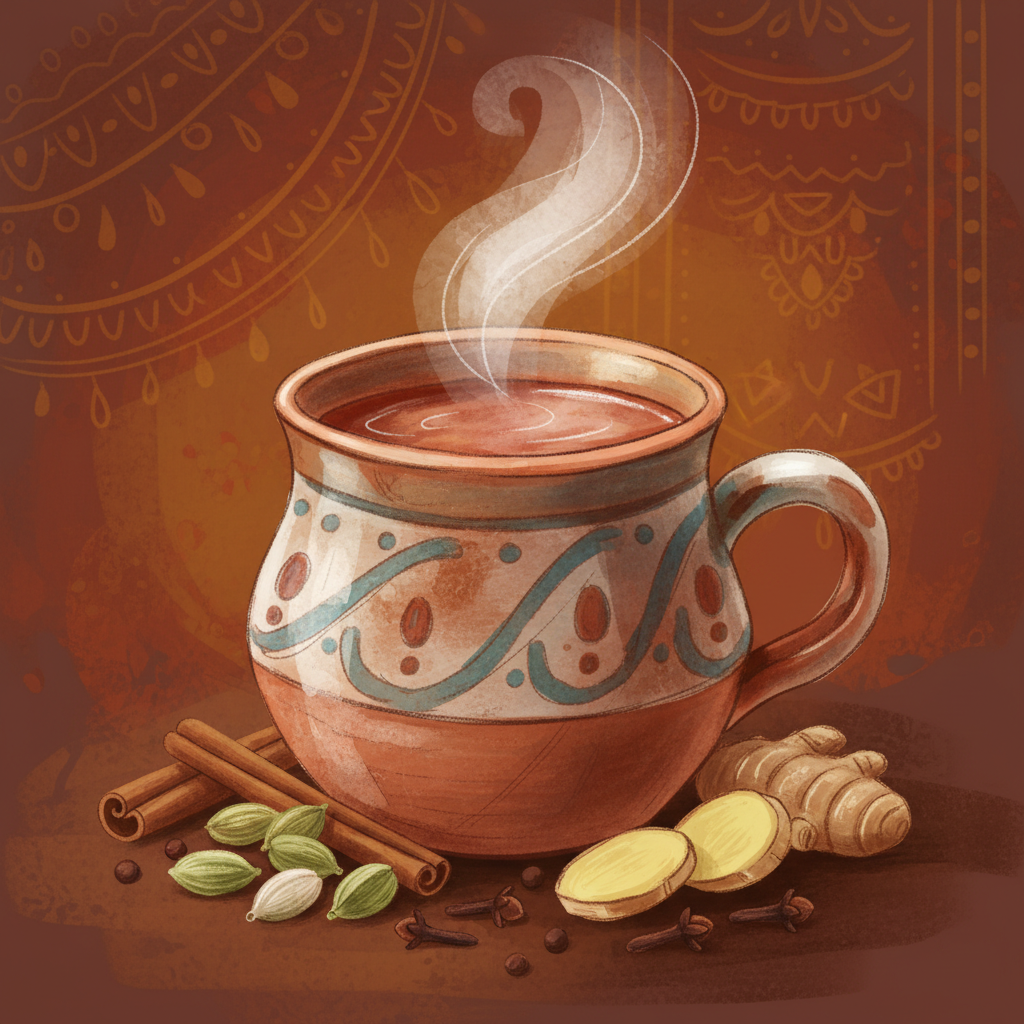
The answer is yes. Traditional masala chai is brewed with black tea leaves that come from the Camellia sinensis plant, which naturally contains caffeine.
If you are preparing a standard cup of chai with black tea, you are drinking a caffeinated beverage. The exact amount of caffeine varies depending on how the chai was brewed, the milk to water ratio, and which spices are included.
When people search “does chai have caffeine,” they might be surprised to learn that the spices themselves, such as cardamom, cinnamon, ginger, and cloves, are caffeine-free. The caffeine comes only from the tea leaves. If you choose a rooibos-based or wholly herbal chai blend, the answer changes to no.
For reference, an average eight-ounce cup of traditional chai has approximately forty to sixty milligrams of caffeine. By comparison, a standard cup of coffee usually ranges from ninety-five to one hundred milligrams. Chai is often described as a more gentle way to start the day for this reason.
Comparing Chai and Coffee: The Caffeine Perspective
If you want to reduce caffeine jitters but keep your tea ritual, knowing how chai compares to coffee is crucial. Does chai tea have as much caffeine as coffee? Usually, it does not. Still, the way each beverage delivers caffeine makes a difference.
Coffee tends to create a rapid energy spike, as its caffeine is absorbed quickly, often leading to both a strong boost and a potential crash. Chai delivers its effect more gradually due to tannins from the tea leaves and the presence of milk fat. This results in more sustained energy.
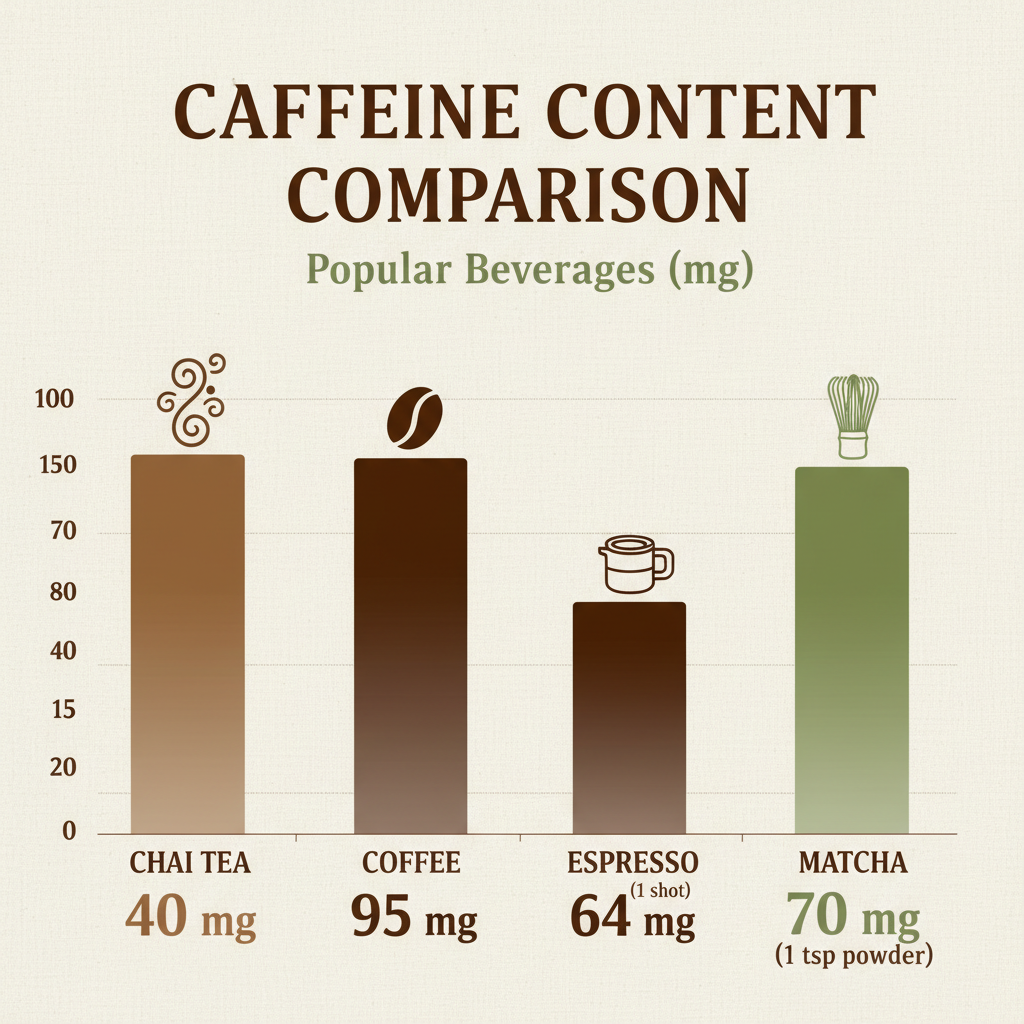
Here is a comparison of common beverages and their average caffeine content:
Caffeine Content Comparison Chart
| Beverage (8 oz) | Average Caffeine (mg) | Intensity Rating (1-10) | Energy Duration |
|---|---|---|---|
| Drip Coffee | 95 to 100 | 9 | Short spike |
| Espresso (1 shot) | 63 to 65 | 8 | Fast hit |
| Masala Chai (Black Tea) | 40 to 60 | 5 | Steady, moderate |
| Matcha Green Tea | 70 | 6 | Sustained focus |
| Chai Tea Latte (Starbucks Grande) | 95 | 7 | Moderate high |
| Decaf Coffee | 2 to 5 | 1 | Minimal |
| Herbal Chai (Rooibos) | 0 | 0 | None |
Sources: brewing standards and USDA food data
Preparation changes everything. For example, a “dirty chai” that adds a shot of espresso will have noticeably more caffeine. On the other hand, a chai with more milk and less tea will lower the caffeine per sip.
Does Chai Tea Latte Have Caffeine?
This is a common menu choice and the answer may surprise some. Yes, chai tea lattes contain caffeine. In many cases, they can even have more caffeine than a cup of chai brewed at home because commercial concentrates are usually strong.
Coffee shop chai lattes are generally made with pre sweetened, potent black tea concentrates. These are formulated to keep the spice flavors clear even when mixed with milk.
To illustrate, a Grande Chai Tea Latte from Starbucks contains approximately ninety five milligrams of caffeine, very close to a standard cup of coffee. This is because the concentrate is more densely brewed, allowing the flavors to hold up to added milk and sugar.
If you want to avoid caffeine or are sensitive to it, do not assume a chai latte is a mild option just because it is milky. It still contains significant caffeine.
What Affects Caffeine in Chai?
No two chais are the same. I have sampled blends that deliver a soft background hum and others that kept me up organizing my kitchen. Four main factors determine how much caffeine does chai have in your favorite cup.
1. The Tea Base
This is the core variable.
- Assam is the traditional choice, producing a malty tea with higher caffeine.
- Darjeeling offers a lighter, more floral taste and slightly less caffeine.
- Green tea is sometimes used for modern blends and drops the caffeine to about twenty to thirty milligrams per cup.
- Rooibos and other herbal bases have zero caffeine.
2. Steeping Time
Longer steeping lets more caffeine release from the tea leaves. If you soak a tea bag for three minutes, the caffeine is on the lower side. A stovetop simmer, where the leaves boil with milk and water for ten minutes, extracts more caffeine.
3. Water Temperature
Hotter water efficiently pulls out more caffeine. Because black tea is usually brewed with water just shy of boiling, the extraction tends to be high.
4. Milk Ratio
Masala chai is usually made with equal parts water and milk, but the more milk used, the more the caffeine is diluted in the finished drink.
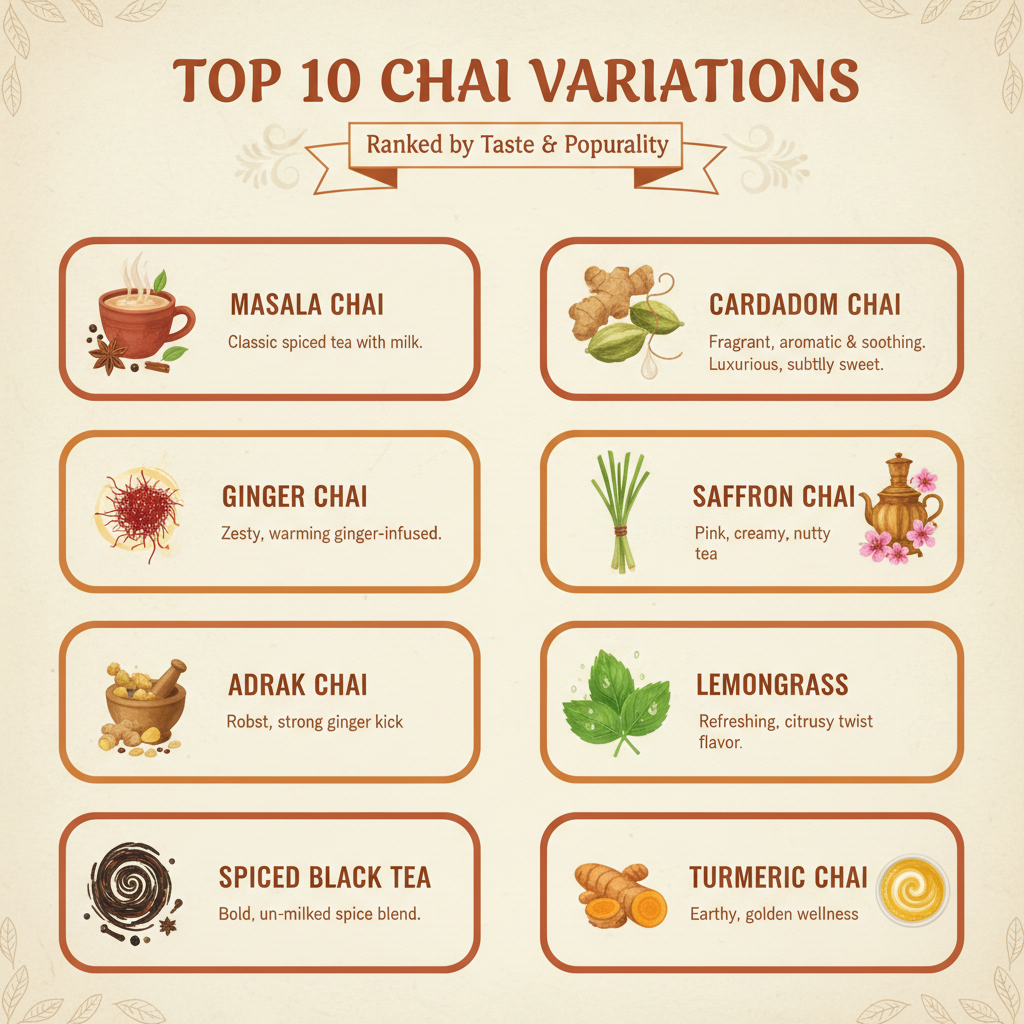
Top 10 Chai Variations Ranked by Taste and Popularity
After tasting hundreds of chai blends, from street corners in Mumbai to boutique cafes in California, I have ranked the top ten chai variations considering flavor complexity, texture, and cultural popularity.
1. Traditional Masala Chai (Assam Base)
This is the baseline for most people. It stands out for its balance of strong tannins and spicy warmth. Assam CTC tea provides a rich, amber color and deep flavor that does not get lost in milk. You get a reliable caffeine boost that keeps you energized, with a flavor dominated by cardamom and ginger and a touch of clove to finish. The drink is smooth, creamy, and comforting.
2. The Dirty Chai
This blend is increasingly popular, especially in the United States. A traditional masala chai with a shot of espresso, it is ideal for those who want even more caffeine. The espresso adds bitterness and depth, merging well with earthy spices. It is heavy, creamy, and best reserved for moments when you need extra focus.
3. Kashmiri Chai (Noon Chai)
This pink tea is distinct in both appearance and taste. Made from green tea leaves, baking soda, milk, and salt, it boasts a nutty, savory flavor and a smooth mouthfeel. The caffeine content is lower due to the green tea base. Kashmiri chai often includes pistachios or almonds and is less aggressive than Assam-based chai. It is a regional favorite, especially in Kashmir.
4. Rooibos Chai (Caffeine Free)
For those who prefer zero caffeine, rooibos chai fits the bill. This South African red rooibos mimics some of black tea’s structure without containing caffeine. It pairs well with traditional spices and creates a naturally sweet, woody flavor. The drink is lighter in body but still cozy, making it ideal for evenings or those avoiding stimulants.
5. Starbucks-Style Chai Latte
While not as authentic, the coffee shop chai latte is highly popular. Its high sweetness sets it apart, with cinnamon and vanilla shining through more than the sharper notes of ginger and cardamom. Steamed milk gives a creamy texture and brings out the sweetness. Keep in mind, many fast-food chai lattes contain as much caffeine as coffee, often close to one hundred milligrams.
6. Chocolate Chai
This modern spin mixes cocoa shells or powder with chai spices. The result is a fusion of chocolate bitterness and hot spice. Chocolate adds an extra layer of complexity, while the caffeine rises slightly due to cocoa content. The drink tastes like spicy hot chocolate and feels rich and decadent.
7. Green Tea Chai
This lighter version uses green tea instead of black. It can be refreshing but sometimes the strong spices overpower the delicate tea. Balance is key, and when achieved, mint or lemongrass can enhance the drink. The caffeine content is lower, which makes this a good option in the afternoon.
8. Iced Chai Latte
Popular in warmer weather, the iced version is smooth and less astringent. Cold brewing prevents tannins from fully developing, resulting in a naturally sweeter taste. Be mindful that cold brew chai can have a high caffeine concentration due to the ratio of tea leaves to water.
9. Tulsi Chai
Tulsi, also called holy basil, brings an herbal note to chai. Blending it with spices creates a peppery and minty infusion that feels grounding. On its own, tulsi is caffeine-free, but if black tea is added, caffeine returns. This variation appeals to those interested in herbal or adaptogenic drinks.
10. Decaf Black Tea Chai
This is ideal for those managing their caffeine intake who still enjoy the traditional chai flavor. Some richness leaves with the caffeine, resulting in a lighter mouthfeel. However, robust spicing can help mask any flavor loss. This is a functional option for late-night chai cravings.
How Much Caffeine Does Chai Tea Have? A Closer Look
Knowing the specific numbers in each cup is helpful for making informed choices.
The way tea leaves are processed affects caffeine levels. CTC (crush, tear, and curl) tea, which resembles pellets, quickly releases caffeine, while whole-leaf tea releases it more slowly.
Is chai tea caffeinated enough to take the place of coffee? For plenty of people, yes. While a typical cup of chai has around forty to sixty milligrams of caffeine, coffee often has nearly double. The presence of an amino acid called L-theanine helps balance the stimulant effect, providing focus without the anxiety or energy drop often associated with coffee.
A study reported in the Journal of Food Science highlights how milk proteins and tea polyphenols interact, potentially making the caffeine effect gentler when milk is present.
If brewing with a tea bag, expect the lower end of the caffeine scale, around thirty to fifty milligrams. Loose tea simmered on the stove will reach the higher end, possibly up to eighty milligrams.
Health Benefits Beyond Caffeine
While the question “does chai have caffeine” is important, chai offers more than just stimulation. Traditional spices in masala chai are each linked to health benefits.
- Ginger is valued for supporting digestion and easing nausea.
- Cinnamon may help moderate blood sugar according to research.
- Cloves supply antioxidants and have anti-inflammatory properties.
- Cardamom is often used to counteract bloating.
In practice, chai delivers a balanced combination of mild stimulation and digestive support. Its acidity is also lower than coffee, which can be easier on the stomach.
For a broader overview of flavor pairings and the benefits of different tea blends, visit our reference on Tea Flavor Pairings.
Frequently Asked Questions (FAQ)
Q: Does chai tea have caffeine compared to coffee?
A: Yes, chai tea contains caffeine but usually less than coffee. A standard cup of chai averages forty to sixty milligrams, while coffee ranges from ninety-five to one hundred milligrams. Chai’s caffeine is often absorbed more gradually.
Q: Is chai tea caffeinated if I buy a decaf version?
A: Generally, no. Decaf chai is made with decaffeinated black tea leaves, which means it contains only trace amounts, around two to five milligrams. Herbal chai blends, such as those with rooibos, are caffeine free.
Q: How much caffeine is in chai tea compared to green tea?
A: Chai made with black tea has more caffeine, in the range of forty to sixty milligrams, while green tea usually has twenty-five to thirty milligrams per cup. Because chai often includes milk, caffeine concentration may be lower per ounce than in plain tea.
Q: Does chai tea latte have caffeine if I order it from a coffee shop?
A: Yes. In fact, a typical large chai latte at major chains contains as much as ninety-five milligrams of caffeine, similar to coffee, due to the strength of the concentrate.
Q: Can I drink chai tea while pregnant?
A: Most health experts recommend limiting caffeine below two hundred milligrams daily during pregnancy. One cup of chai falls below this limit, so one or two cups are usually considered safe. For personal health concerns, always consult your medical provider.
Q: Which spices are in chai tea caffeine blends?
A: The traditional spices, such as cardamom, cinnamon, ginger, cloves, and black pepper, do not contain caffeine. Only the tea leaves, typically Assam or Darjeeling, supply the caffeine in chai blends.
Q: Does chai tea have as much caffeine as coffee if I steep it longer?
A: Steeping time increases caffeine, but chai usually will not match coffee levels even with extended brewing. Eighty milligrams is possible with a long simmer, but coffee remains higher by default.