The Ultimate Guide to Branzino Fish in 2026: Recipes, Tips, and Cooking Methods
The branzino fish, with its delicate, flaky texture and mild, slightly sweet flavor, has gracefully swum from the waters of the Mediterranean to the center of high-end restaurant menus and home kitchens worldwide. This elegant white fish is surprisingly easy to prepare, making it a favorite for both seasoned chefs and culinary newcomers.
This guide will navigate you through everything you need to know about branzino fish. We’ll explore what it is, why it’s so popular, and provide detailed, step-by-step instructions for cooking it to perfection. You will also learn about the expected branzino fish price in 2026, discover inspiring recipes, and get answers to common questions.
Key Takeaways
- What is Branzino?: Branzino is a mild, white-fleshed fish from the Mediterranean Sea, also known as European sea bass. Its delicate flavor and firm texture make it highly versatile.
- Cooking Methods: The most popular ways to cook branzino are roasting in the oven, pan-frying for crispy skin, and grilling for a smoky flavor.
- Perfect Doneness: The fish is cooked when its flesh is opaque and flakes easily with a fork, or when an instant-read thermometer reads 145°F (63°C).
- Cost: While once a luxury item, sustainable aquaculture has made branzino fish more accessible, though its price remains in the mid-to-high range for fish.
What is Branzino Fish?
So, what is branzino fish exactly? Branzino is the Italian name for the European sea bass, a fish species scientifically known as Dicentrarchus labrax. It thrives in the coastal waters of the eastern Atlantic Ocean and the Mediterranean Sea. Known by other names like loup de mer in French or lubina in Spanish, branzino has long been a cherished staple in Mediterranean cuisine.
Characterized by its slender body and silver skin, a whole branzino typically weighs between one and two pounds, making it the perfect size for an individual portion. The flesh is what truly sets it apart. It is lean, white, and firm, yet tender when cooked. Its flavor profile is remarkably mild and slightly sweet, without the strong “fishy” taste that can deter some people, making it an excellent choice for those new to eating whole fish.
Due to high demand, branzino is now extensively farm-raised, primarily in Greece, Turkey, Italy, and Spain. These aquaculture efforts have made the fish more widely available and consistent in quality, helping to secure its place on menus across the globe.
Why is Branzino So Popular?
Branzino’s ascent to culinary stardom isn’t by chance. Several factors contribute to its widespread appeal among chefs and home cooks.
First, its taste is incredibly approachable. The mild flavor makes it a perfect canvas for a wide range of seasonings, from simple lemon and herbs to more complex marinades and sauces. It absorbs flavors beautifully without being overpowered.
Second, the texture is highly desirable. The fine flakes and firm meat hold together well during cooking, whether you’re roasting, grilling, or pan-searing. The skin, when cooked properly, becomes delightfully crispy, offering a wonderful textural contrast to the tender flesh.
Finally, its presentation is impressive. Serving a whole roasted branzino makes a dramatic statement, turning a simple dinner into a special occasion. Despite its sophisticated appearance, it is remarkably straightforward to prepare. This combination of elegance and simplicity is a major reason for its enduring popularity. You can learn more about the nutritional benefits of similar white fish from health resources like the Cleveland Clinic.
How to Cook Branzino: Methods and Tips
Cooking branzino is a rewarding experience. Because the fish is delicate, it cooks quickly. The goal is to highlight its natural flavor without overcooking it. Here are the three most popular methods for preparing a delicious branzino recipe.
Branzino Recipes Oven (Whole Roasted)
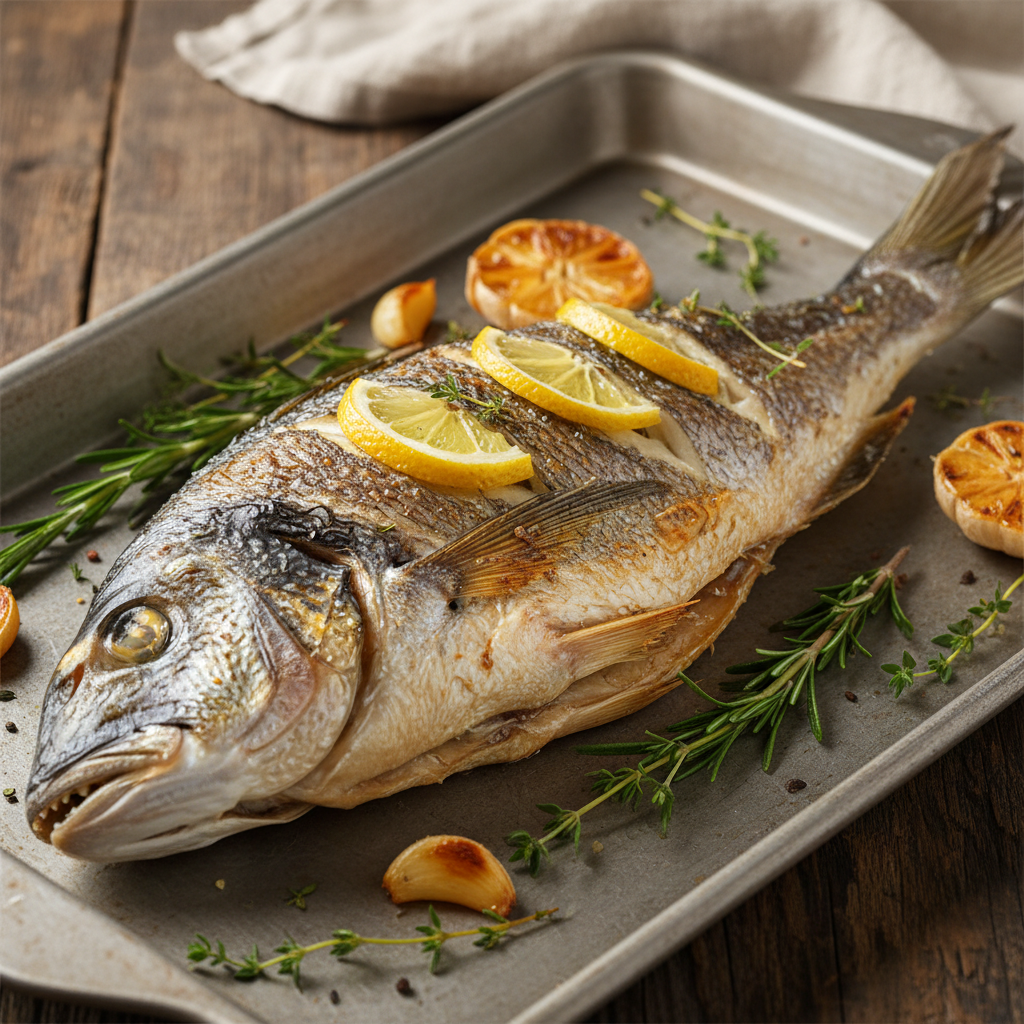
Roasting is perhaps the most common and foolproof method for cooking a whole branzino. It gently cooks the fish, keeping the flesh moist while infusing it with aromatic flavors.
Step-by-Step Instructions:
- Preheat and Prepare: Preheat your oven to 425°F (220°C). Pat the branzino fish dry, inside and out, with paper towels. A dry surface is crucial for achieving crispy skin.
- Season Generously: Rub the entire fish, including the cavity, with olive oil. Season liberally with salt and pepper. Don’t be shy with the salt, as it helps draw out moisture and crisp up the skin.
- Stuff with Aromatics: Stuff the cavity with your choice of aromatics. Classic choices include lemon slices, fresh parsley sprigs, thyme, rosemary, and thinly sliced garlic.
- Score the Skin: Using a sharp knife, make 2-3 shallow diagonal slashes on each side of the fish. This helps the heat penetrate evenly and prevents the skin from curling up.
- Roast to Perfection: Place the fish on a baking sheet lined with parchment paper or in a baking dish. Roast for 15-20 minutes, depending on the size of the fish.
- Check for Doneness: The fish is done when the flesh is opaque and flakes easily when tested with a fork. The eyes will also turn white. An instant-read thermometer inserted into the thickest part should read 145°F (63°C).
- Rest and Serve: Let the fish rest for a few minutes before serving with a final squeeze of fresh lemon juice.
Pan-Frying for Crispy Skin
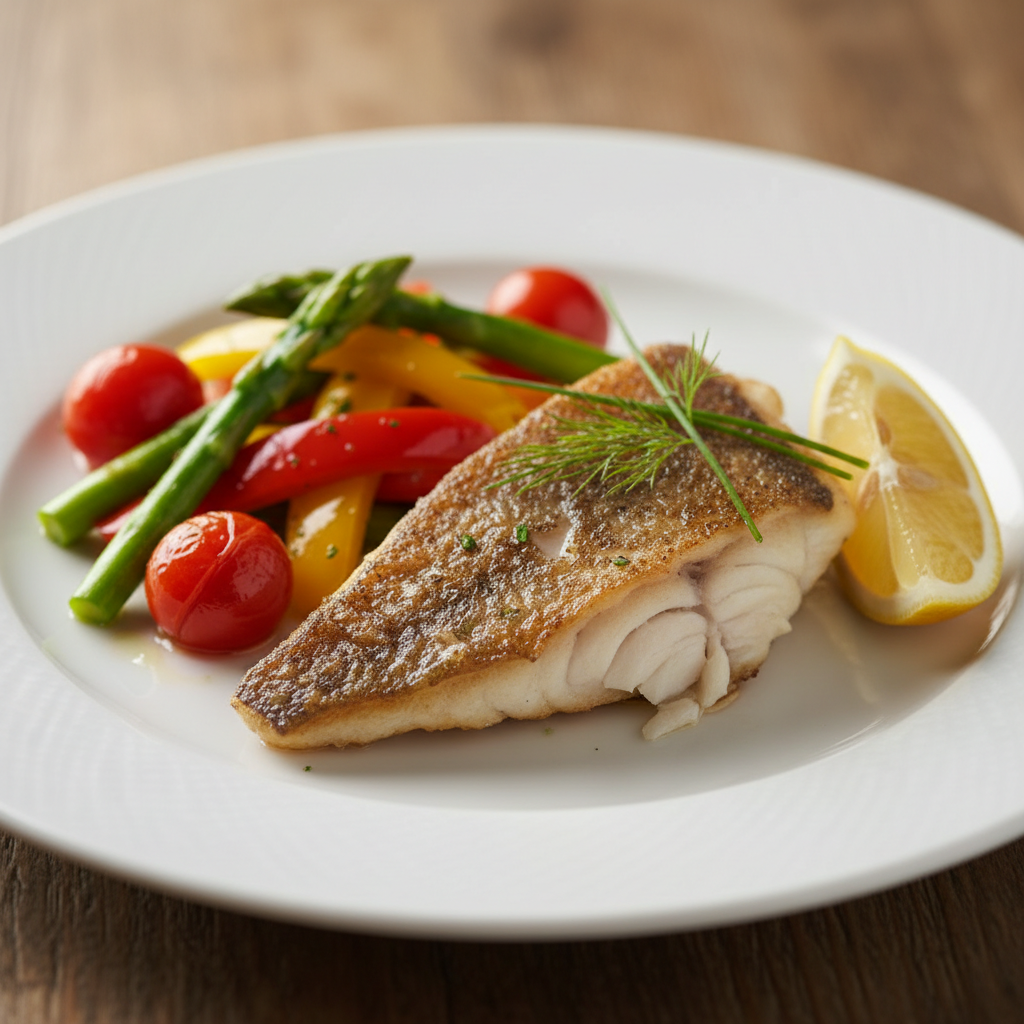
If crispy skin is your ultimate goal, pan-frying is the way to go. This method works well for both whole branzino and fillets.
Step-by-Step Instructions:
- Prepare the Fish: If using a whole fish, score it as described above. If using fillets, make sure they are completely dry. Season generously with salt and pepper.
- Heat the Pan: Heat a large, heavy-bottomed skillet (cast iron or stainless steel is ideal) over medium-high heat. Add a few tablespoons of a high-smoke-point oil, like grapeseed or avocado oil.
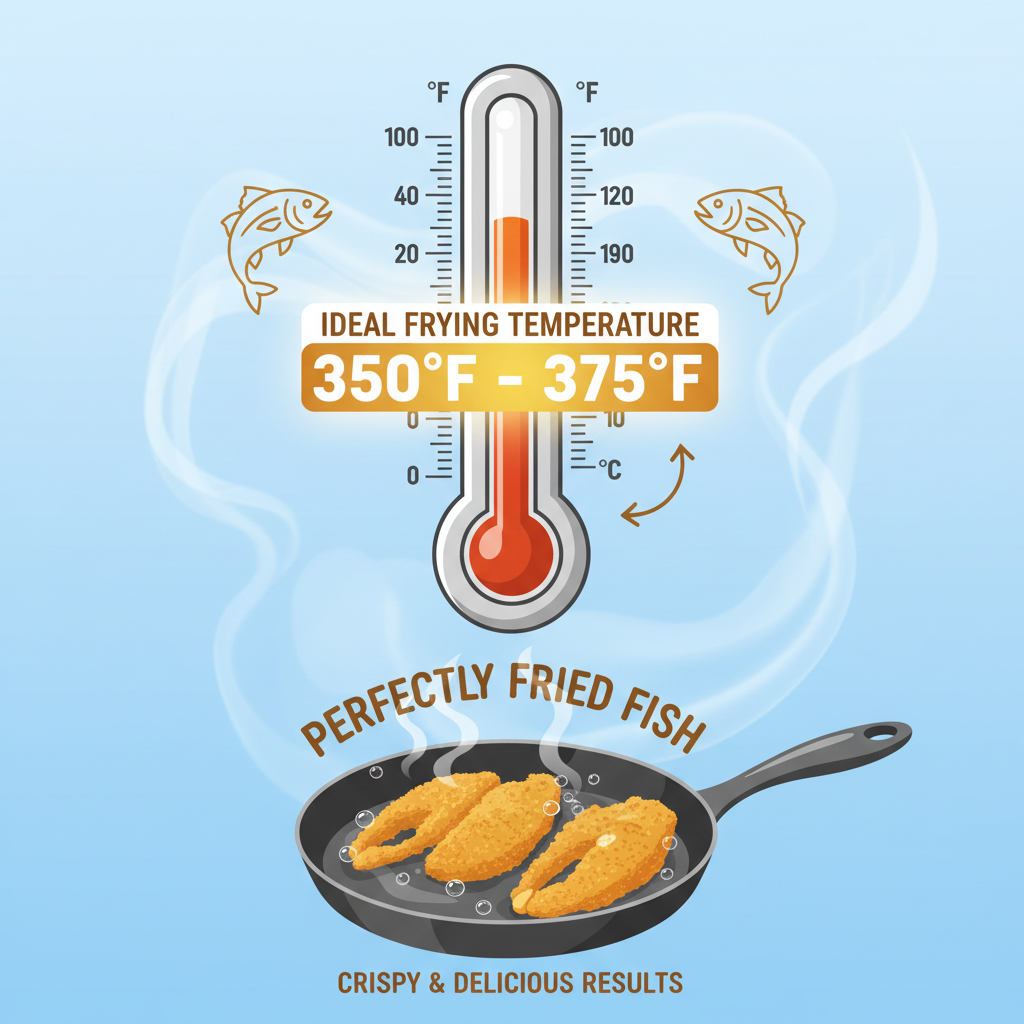
- Determine the Oil Temp for Frying Fish: The key to preventing the fish from sticking is hot oil. The ideal oil temp for frying fish like branzino is around 350°F to 375°F (175°C to 190°C). If you don’t have a thermometer, you can test the oil by flicking a drop of water into the pan; it should sizzle and evaporate instantly.
- Sear Skin-Side Down: Carefully place the fish skin-side down in the hot pan. Gently press down on the fish with a spatula for about 30 seconds to ensure the entire skin makes contact with the pan.
- Cook and Flip: Cook for 4-5 minutes, until the skin is golden brown and crispy. Flip the fish and cook for another 2-3 minutes on the other side, just until the flesh is cooked through.
- Serve Immediately: Pan-fried branzino is best enjoyed immediately to preserve the crispy texture of the skin.
Grilling
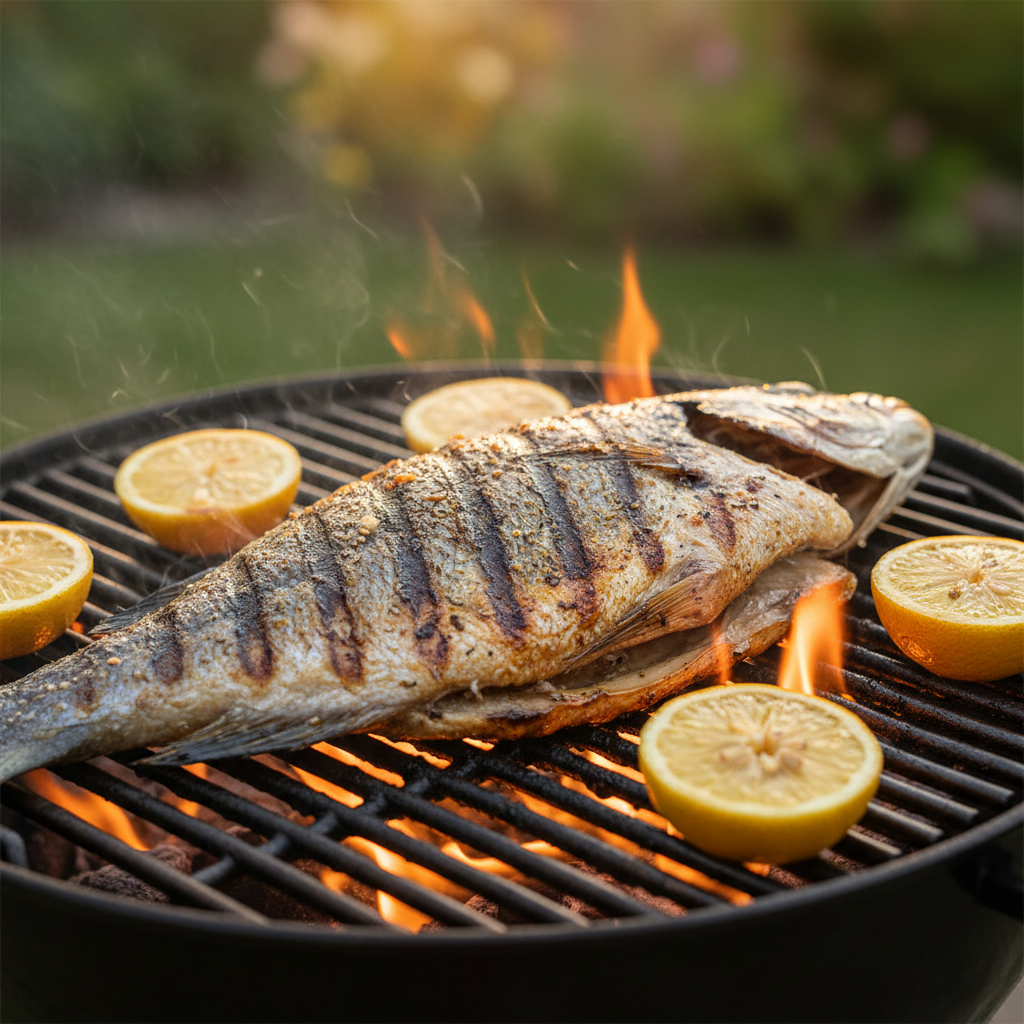
Grilling imparts a wonderful smoky flavor that pairs beautifully with the mildness of branzino fish. A grill basket is highly recommended to prevent the delicate fish from sticking or falling apart.
Step-by-Step Instructions:
- Preheat and Clean the Grill: Preheat your grill to medium-high heat. Clean the grates thoroughly and oil them well to prevent sticking.
- Prepare the Fish: Prepare and season the branzino as you would for roasting, stuffing the cavity with aromatics.
- Use a Grill Basket: Place the whole fish in a well-oiled hinged grill basket. This will make flipping the fish much easier.
- Grill to Perfection: Place the basket on the grill. Cook for about 6-8 minutes per side. The skin should be lightly charred and crispy, and the flesh should be opaque.
- Check for Doneness: Use a fork or thermometer to check for doneness (145°F / 63°C).
- Rest and Serve: Carefully remove the fish from the basket and let it rest for a few minutes before serving.
Branzino Fish Price: What to Expect in 2026
When shopping for branzino fish, its price can vary based on several factors, including whether it’s wild-caught or farm-raised, fresh or frozen, and whole or filleted.
As of 2026, you can expect the branzino fish price to be in the mid-to-premium range for seafood. Farm-raised whole branzino is generally more affordable and widely available, typically costing between $10 to $15 per pound at a good fish market. Fillets will be more expensive due to the extra labor involved, often ranging from $20 to $30 per pound.
Wild-caught branzino is a rarer and more prized commodity, and its price will be significantly higher, often exceeding $25 per pound for a whole fish. The price also fluctuates based on seasonality and market demand. While it’s an investment, the quality and flavor make it a worthwhile splurge for a special meal.
Branzino Recipes: Classic and Modern Twists
Beyond the classic roasted preparation, branzino is adaptable to many exciting recipes. Here are a couple of ideas to get you started.
Branzino al Cartoccio (in Parchment)
This is a classic Italian technique that involves baking the fish in a parchment paper packet. It steams the fish in its own juices along with aromatics, resulting in incredibly moist and flavorful flesh.
- Ingredients:
- 1 whole branzino, cleaned
- 1/4 cup cherry tomatoes, halved
- 4-5 Kalamata olives, pitted
- 1 tbsp capers
- 2 slices lemon
- 2 sprigs fresh thyme
- 1 clove garlic, thinly sliced
- Olive oil, salt, and pepper
- Instructions:
- Preheat oven to 400°F (200°C).
- Lay a large piece of parchment paper on a baking sheet. Place the branzino in the center.
- Season the fish inside and out. Stuff the cavity with lemon slices and thyme.
- Scatter the tomatoes, olives, capers, and garlic over and around the fish. Drizzle with olive oil.
- Fold the parchment paper over the fish and seal the edges tightly by crimping them together to form a packet.
- Bake for 15-20 minutes.
- Serve the packet on a plate and carefully cut it open at the table to release the aromatic steam.
Grilled Branzino with Salsa Verde
This modern recipe for branzino pairs the smoky flavor of the grill with a vibrant, herbaceous Italian green sauce.
- Ingredients:
- 2 whole branzino, cleaned
- For the Salsa Verde: 1 cup fresh parsley, 1/4 cup fresh mint, 2 tbsp capers, 1 anchovy fillet, 1 clove garlic, 1/2 cup olive oil, juice of 1 lemon.
- Instructions:
- To make the salsa verde, combine all sauce ingredients in a food processor and pulse until you have a slightly coarse, bright green sauce.
- Grill the branzino according to the instructions above.
- Serve the hot, grilled fish with a generous spoonful of the fresh salsa verde.
For more seafood inspiration, check out other delicious fish recipes on flavorsuggest.com.
FAQs About Branzino Fish
Does branzino have a lot of bones?
Like most whole fish, branzino has a central backbone and small pin bones along its sides. However, the bones are relatively large and easy to remove after cooking. When you purchase branzino, you can ask your fishmonger to debone it for you, leaving you with just the fillets.
What does branzino taste like?
Branzino has a very mild, delicate flavor that is slightly sweet. It is not a strong or “fishy” tasting fish, which makes it very popular. Its clean taste makes it an excellent vehicle for herbs, citrus, and other seasonings.
What is a good substitute for branzino fish?
If you can’t find branzino, good substitutes include other mild white fish like brancin, sea bream, red snapper, or black sea bass. Look for a fish with a similar size and texture for the best results, especially if you plan to cook it whole.
Conclusion
Branzino fish is a true culinary treasure, offering an elegant dining experience that is both simple to create and deeply satisfying. Its delicate flavor, firm texture, and impressive presentation make it a worthy centerpiece for any meal. Whether you choose to roast it with lemon and herbs, pan-fry it for that irresistibly crispy skin, or grill it for a smoky char, the result is sure to be delicious.
Now that you are armed with the knowledge of how to select, prepare, and cook this magnificent Mediterranean fish, you can confidently bring a taste of coastal Europe into your own kitchen. For more information on sustainable seafood choices, you can consult trusted resources like the NOAA Fisheries website or the Marine Stewardship Council. Happy cooking