Lactose Free Cheese: Best Types for Taste, Melt, and Texture
Lactose free cheese should not taste like a compromise. The best options still bring the creamy bite, salty finish, smooth spread, or stretchy melt you want from regular cheese.
At Flavor Suggest, we judge cheese by what matters on the plate: flavor, texture, melt, saltiness, creaminess, and how well it works in real meals.
Lactose free cheese is cheese with no lactose or only a tiny trace amount of lactose. Lactose is the natural sugar in milk. Some cheeses become very low in lactose through aging, while others are made lactose-free by adding lactase, the enzyme that breaks lactose down.
Direct answer: The best lactose free cheese for most people is aged hard cheese like parmesan, cheddar, Swiss, or gouda because it is naturally very low in lactose and full of flavor. For fresh soft cheeses, choose products clearly labeled lactose-free, especially lactose free cream cheese, lactose free cottage cheese, and lactose free ricotta cheese. If you have a milk allergy, lactose-free dairy cheese is not safe because it still contains milk proteins.
This guide will help you choose the right cheese for pizza, pasta, snacks, dips, breakfast bowls, and baked dishes without losing the flavors you love.
What Lactose Free Cheese Really Means
Lactose free cheese can mean three different things.
First, it can be real dairy cheese treated with lactase enzyme. This keeps the dairy taste but breaks down the milk sugar that causes trouble for many lactose-intolerant people.
Second, it can be aged dairy cheese that is naturally very low in lactose. During cheesemaking, much of the lactose drains away with the whey. During aging, bacteria keep breaking down what remains.
Third, it can be plant-based cheese made without dairy milk. These options contain no lactose, but the taste and melt can vary a lot.
Bottom line: lactose-free does not always mean dairy-free. If you avoid dairy because of an allergy or vegan diet, check for plant-based or dairy-free wording.
Lactose Free Cheese vs Naturally Low Lactose Cheese
Lactose free cheese and naturally low lactose cheese can both work, but they are not the same.
A cheese labeled “lactose-free” is usually made to remove or break down lactose. This matters most for fresh, soft cheeses like cream cheese, cottage cheese, ricotta, and some mozzarella.
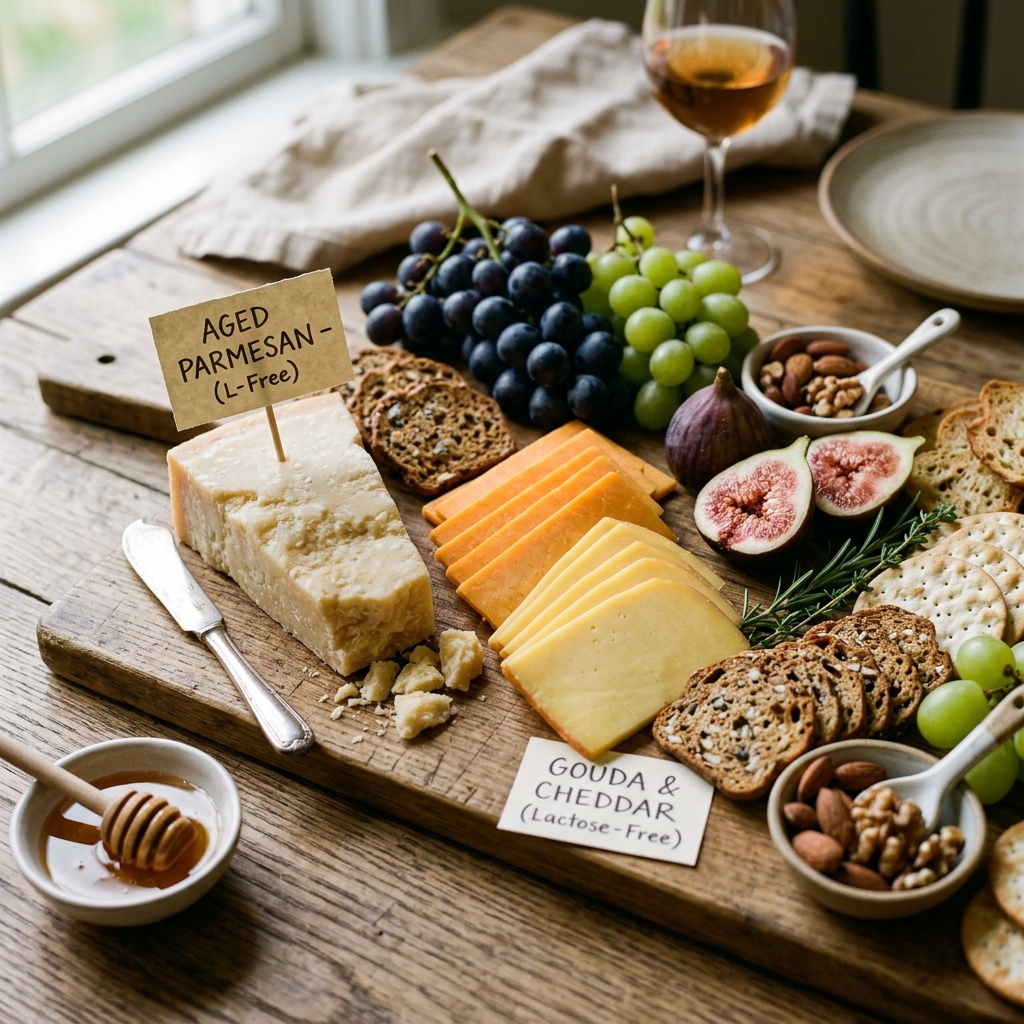
Naturally low lactose cheese is different. It may not have a lactose-free label, but the aging process lowers the lactose to a very small amount. Aged parmesan, aged cheddar, Swiss, and gouda often fit here.
For flavor, naturally low lactose cheeses often win. Aging creates deeper taste: nutty parmesan, sharp cheddar, buttery gouda, and sweet Swiss.
For safety and confidence, labeled lactose-free products are easier. If your stomach is very sensitive, choose a clear lactose-free label instead of guessing.
Best Lactose Free Cheese Types Compared
Use this table as a quick flavor and cooking guide.
| Cheese type | Lactose guidance | Flavor | Texture | Best use |
|---|---|---|---|---|
| Aged parmesan | Usually very low lactose | Salty, nutty, sharp | Hard, crumbly, slightly crunchy | Pasta, salads, soups, roasted vegetables |
| Aged cheddar | Usually very low lactose | Tangy, buttery, bold | Firm, sliceable, melts well | Burgers, grilled cheese, sauces |
| Swiss | Usually very low lactose | Mild, sweet, nutty | Smooth, elastic | Sandwiches, omelets, casseroles |
| Gouda | Usually very low lactose when aged | Buttery, nutty, sometimes caramel-like | Semi-firm, creamy melt | Snack boards, mac and cheese |
| Mozzarella | Varies by type | Milky, mild, lightly salty | Stretchy, soft | Pizza, pasta bakes, caprese |
| Lactose free cream cheese | Choose labeled lactose-free | Tangy, creamy, lightly sweet | Smooth, spreadable | Bagels, dips, frosting, cheesecake |
| Lactose free cottage cheese | Choose labeled lactose-free | Mild, milky, lightly salty | Soft curds with creamy dressing | Breakfast bowls, toast, snacks |
| Lactose free ricotta cheese | Choose labeled lactose-free | Sweet, milky, delicate | Fluffy, spoonable, slightly grainy | Lasagna, stuffed shells, pancakes |
| Plant-based cheese | No dairy lactose | Nutty, salty, tangy, or mild | Varies from creamy to waxy | Vegan meals or dairy-free diets |
No single cheese is best for every meal. Parmesan gives salty power. Mozzarella gives stretch. Lactose free cream cheese gives spreadability. Lactose free ricotta cheese gives soft creaminess in baked dishes.
Is Parmesan Cheese Lactose Free?
Yes, aged parmesan is usually very low in lactose. Its long aging time removes most of the milk sugar and builds its bold, salty flavor.
People often search “is parmesan cheese lactose free” because parmesan tastes rich and dairy-heavy. The good news is that aged parmesan is one of the easiest dairy cheeses for many lactose-intolerant people to try.
The flavor is the real reason to keep it around. Parmesan adds salt, nuttiness, and a savory finish to pasta, risotto, eggs, soup, and roasted vegetables. A small amount can make a dish taste fuller without adding cream.
Is parmesan cheese lactose free when it is pre-grated? It can be, but a wedge is usually better for both flavor and ingredient quality. Pre-grated parmesan may include anti-caking ingredients, and the flavor is often flatter. If you want a classic wedge to compare, Deli Fresh Parmigiano Reggiano is a useful reference point.
Is Mozzarella Cheese Lactose Free?
Mozzarella is not always lactose-free. The answer depends on the type, moisture level, and label.
The question “is mozzarella cheese lactose free” is common because mozzarella is the classic pizza cheese. Fresh mozzarella is young, soft, and packed with moisture, so it may contain more lactose than aged hard cheeses.
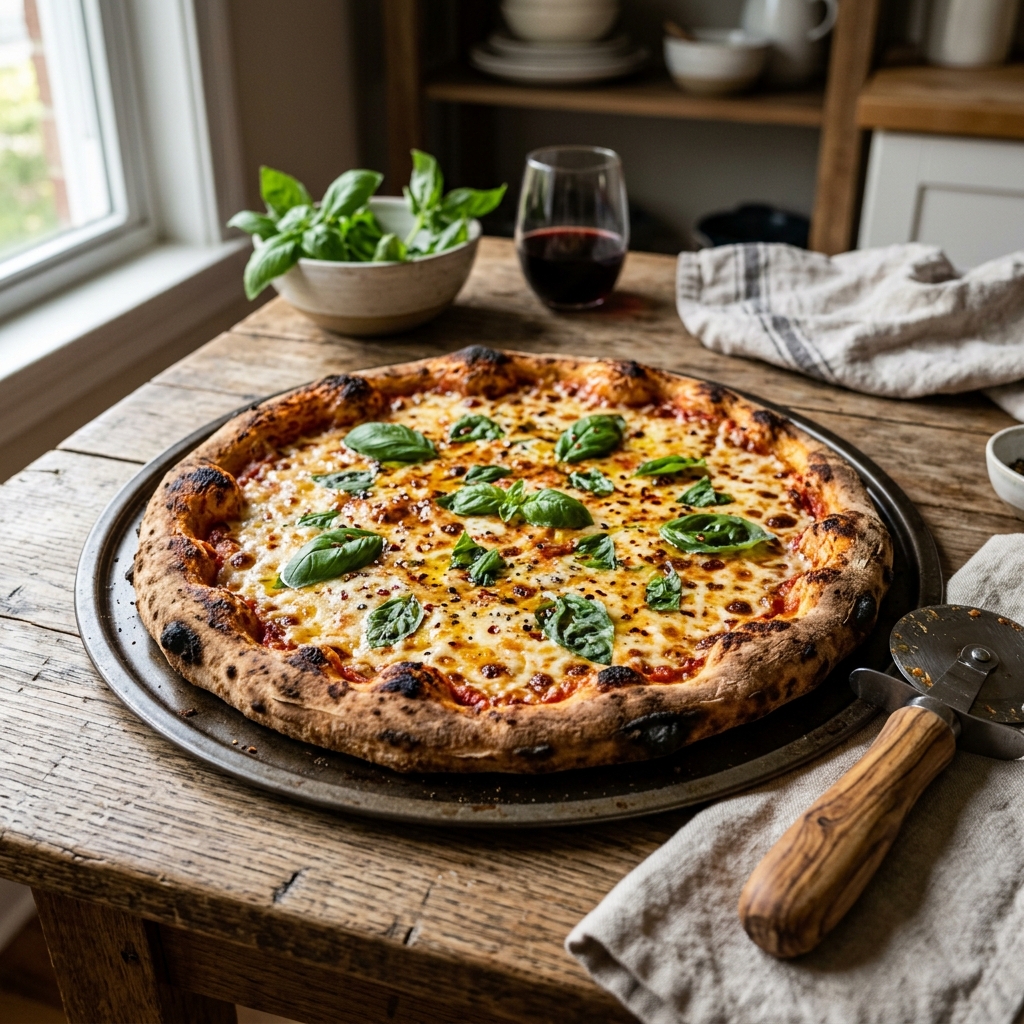
Low-moisture mozzarella is often a better choice for pizza. It melts smoothly, stretches well, and browns into those golden spots people love. It may also be lower in lactose than fresh mozzarella, though not always lactose-free.
Is mozzarella cheese lactose free if it is shredded? Not automatically. Shredding changes the shape, not the lactose level. Some shredded cheeses also include starches to stop clumping.
For pizza night, choose lactose-free mozzarella if you need a clear answer. If you only need a lower lactose option, low-moisture mozzarella may work better than fresh mozzarella balls.
Lactose Free Cream Cheese: Best for Spreads, Dips, and Desserts
Lactose free cream cheese should taste tangy, smooth, and rich. It should spread cleanly without turning watery or grainy.
Regular cream cheese is fresh dairy, so it is not in the same group as aged parmesan or aged cheddar. If you need lactose free cream cheese, look for a package that clearly says lactose-free.
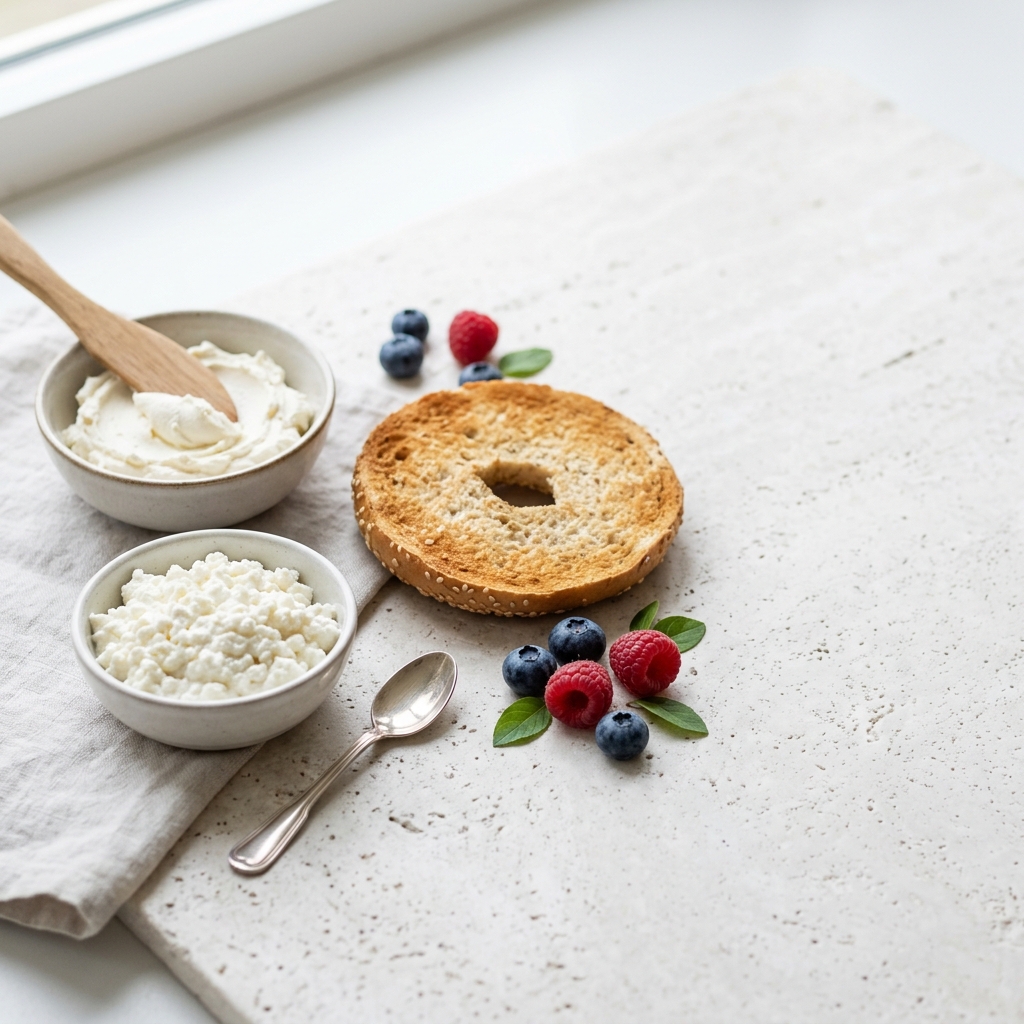
A good dairy-based lactose free cream cheese tastes very close to regular cream cheese. It has that cool, creamy tang that works on bagels, toast, crackers, and wraps.
Plant-based cream cheese can also work, especially almond or cashew versions. These often taste slightly nutty, which can be good in savory dips. Coconut oil versions may spread well, but some leave a mild coconut note.
For cooking, lactose free cream cheese is useful in:
- Bagel spreads
- Jalapeño popper filling
- Creamy pasta sauce
- Cheesecake
- Frosting
- Spinach dip
- Smoked salmon spread
If you want a dairy-based version with a familiar flavor, Green Valley Organic Lactose Free Cream Cheese is one option worth checking.
Lactose Free Cottage Cheese: Best for Protein and Creamy Snacks
Lactose free cottage cheese is one of the most useful choices for quick meals. It gives you soft curds, creamy dressing, mild dairy flavor, and a salty finish.
Regular cottage cheese is a fresh dairy product, so it can contain more lactose than aged cheese. If you want lactose free cottage cheese, choose a product that says lactose-free on the label.
Texture matters here. Small curd lactose free cottage cheese feels smoother and blends better into bowls. Large curd versions give more chew and a stronger cottage cheese feel.
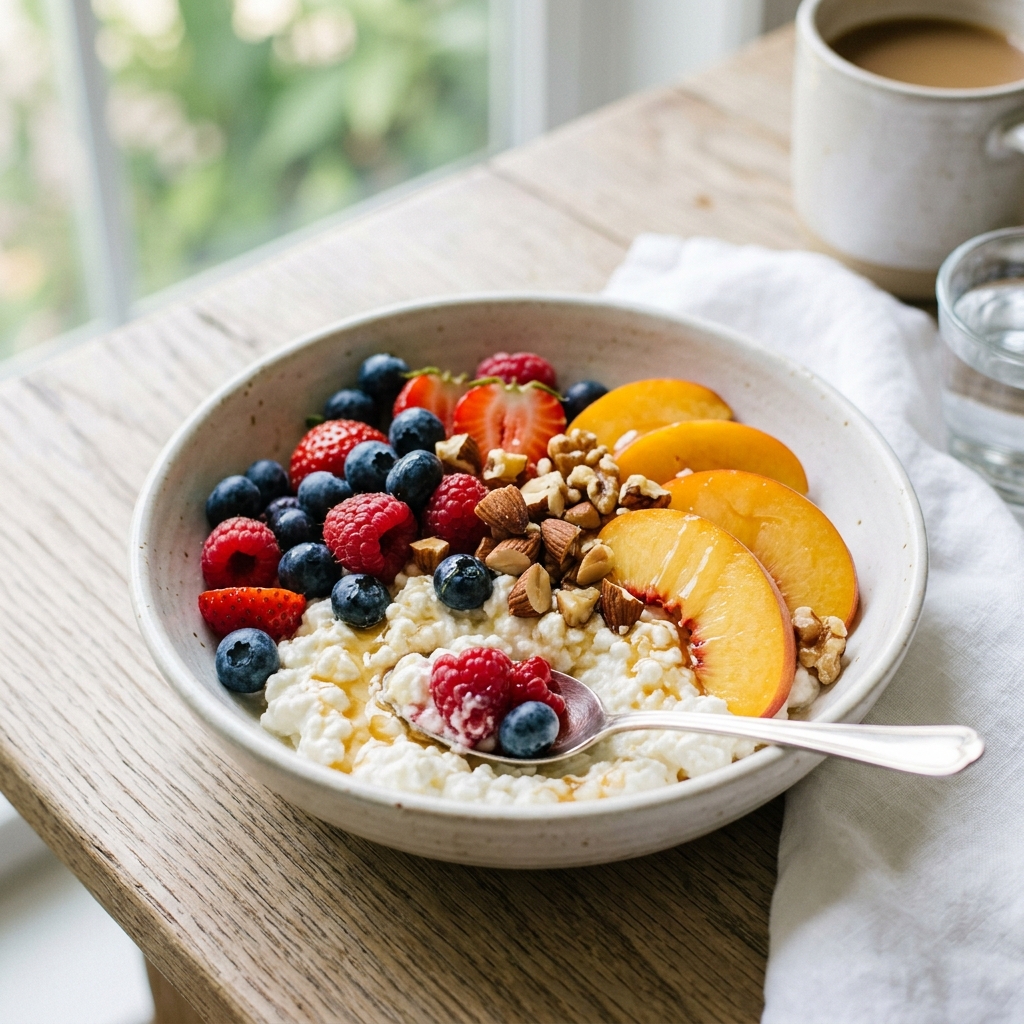
For sweet meals, pair lactose free cottage cheese with berries, peaches, cinnamon, honey, or banana. For savory meals, try black pepper, tomato, cucumber, olive oil, herbs, or everything bagel seasoning.
You can also blend lactose free cottage cheese into eggs, pancakes, dips, or creamy sauces. It will not melt like mozzarella, but it adds body, moisture, and protein.
For a cleaner ingredient profile and a mild, fresh taste, Good Culture Organic Cottage Cheese Lactose Free is a helpful example. Since cottage cheese is perishable, check the seller and delivery method before buying.
Lactose Free Ricotta Cheese for Lasagna and Baked Pasta
Lactose free ricotta cheese is best when you need soft, spoonable creaminess. It should taste mild, milky, slightly sweet, and delicate.
Regular ricotta is fresh, so it is not naturally low lactose in the same way aged parmesan is. If you are making lasagna, stuffed shells, manicotti, or baked ziti, look for lactose free ricotta cheese with a clear label.
The best lactose free ricotta cheese should hold its shape without becoming dry or rubbery. In lasagna, it should stay creamy in the middle and lightly firm around the edges.
If your ricotta looks watery, drain it before using it. This helps your pasta bake stay rich instead of loose. Mix it with egg, herbs, black pepper, and a salty hard cheese for better flavor.
Plant-based ricotta can work well too, especially almond or cashew versions. These may bring a slight nutty taste, which works nicely with spinach, lemon, basil, and roasted garlic.
How to Read Labels Before You Buy
The front of the package helps, but the full label tells the real story.
Look for words like “lactose-free” or “made with lactase enzyme.” This is most important for soft cheeses such as lactose free cream cheese, lactose free cottage cheese, lactose free ricotta cheese, and fresh mozzarella.
Check the sugar line on the nutrition panel. Lactose is milk sugar, so cheese with 0 grams of sugar per serving is often very low in lactose. This is a useful clue, but not a perfect test because labels can round numbers.
Read the ingredient list too. Dairy cheese usually includes milk, cultures, enzymes, and salt. Lactose-free dairy cheese may include lactase.
For plant-based cheese, check the base. Almond, cashew, soy, oat, coconut oil, potato starch, pea protein, and gums can all affect flavor and texture.
Bottom line: for aged hard cheese, age and sugar content are helpful clues. For soft fresh cheese, trust a clear lactose-free label.
How to Shop for Lactose Free Cheese on Amazon
Amazon can be useful for specialty cheese, but perishable dairy needs extra care.
Only buy from pages that clearly show the product name, size, seller, and shipping method. Fresh cheese should ship cold or come through a reliable grocery delivery option.
Before buying, check:
- Product title and package size
- Current availability
- Seller name
- Cold shipping details
- Recent reviews
- Ingredient list
- Lactose-free claim
- Delivery date
Do not buy a soft cheese if the listing does not explain how it stays cold. Warm cream cheese, cottage cheese, ricotta, or mozzarella can spoil or arrive with a broken texture.
For hard cheese like parmesan, shipping is usually easier. Still, check seller quality and recent reviews before placing an order.
Best Flavor Pairings for Lactose Free Cheese
Good pairings make lactose free cheese taste more complete.
Aged parmesan works best with bright or bitter foods. Try it with lemon, arugula, tomato sauce, roasted broccoli, olive oil, black pepper, or mushrooms.
Mozzarella needs acid and heat. Pair it with tomatoes, basil, roasted peppers, chili flakes, pesto, or balsamic glaze. If you are wondering “is mozzarella cheese lactose free” for pizza night, also think about melt and browning.
Lactose free cream cheese loves bold toppings. Smoked salmon, dill, scallions, roasted garlic, jam, honey, and cinnamon all work well.
Lactose free cottage cheese pairs best with juicy foods. Peaches, pineapple, berries, cucumbers, tomatoes, and pickled onions balance the creamy curds.
Lactose free ricotta cheese works with soft, gentle flavors. Lemon zest, spinach, basil, nutmeg, honey, roasted garlic, and olive oil all fit its mild taste.
For more taste-first food ideas, you can explore related guides on Flavor Suggest.
Common Mistakes to Avoid
The first mistake is assuming dairy-free and lactose-free mean the same thing. They do not. Lactose-free dairy cheese still contains milk.
The second mistake is treating all cheese as low lactose. Aged cheeses are usually better bets than fresh cheeses, but labels still matter.
The third mistake is asking “is parmesan cheese lactose free” without checking the product form. Aged wedges are usually better than cheap grated blends for flavor and ingredient quality.
The fourth mistake is assuming mozzarella is always safe. The answer to “is mozzarella cheese lactose free” depends on the exact type and label.
The fifth mistake is buying fresh cheese online without checking cold shipping. This matters most for lactose free cottage cheese, lactose free cream cheese, lactose free ricotta cheese, and soft mozzarella.
Plain-Language Wrap-Up
Lactose free cheese can still taste rich, salty, creamy, sharp, and satisfying. You do not have to give up great flavor just because regular dairy bothers your stomach.
Start with aged hard cheeses like parmesan, cheddar, Swiss, and gouda if you tolerate very low lactose dairy. For soft cheeses, buy clearly labeled lactose-free products, especially lactose free cream cheese, lactose free cottage cheese, and lactose free ricotta cheese.
For pizza, check the label before choosing mozzarella. For pasta, aged parmesan brings the biggest flavor boost with the smallest amount of cheese.
Your next step is simple: choose one cheese for snacking, one for melting, and one soft cheese for spreading or cooking. Then compare taste, texture, and comfort so you know what works best for your meals.
FAQ
1. what cheese is lactose free?
Aged hard cheeses like parmesan, cheddar, Swiss, and gouda are often very low in lactose. Fresh soft cheeses should be clearly labeled lactose-free if you need more certainty. If you have a milk allergy, avoid dairy cheese even if it is lactose-free.
2. is parmesan cheese lactose free?
Aged parmesan is usually very low in lactose because it ages for a long time. It is a strong choice for many lactose-intolerant people who still want real dairy flavor. Choose an aged wedge when possible for the best taste.
3. is mozzarella cheese lactose free?
Mozzarella is not always lactose-free. Fresh mozzarella is young and moist, while low-moisture mozzarella may be lower in lactose and better for pizza. For the safest choice, buy mozzarella that clearly says lactose-free.
4. is lactose free cheese dairy free?
No, not always. Lactose free cheese can still be made from real dairy milk with the lactose broken down. Dairy-free cheese is plant-based and contains no milk.
5. what is the best lactose free cheese for pizza?
The best choice is lactose-free low-moisture mozzarella if you can find it. It melts, stretches, and browns better than many fresh cheeses. A little aged parmesan on top adds salty flavor.
6. can lactose free cream cheese be used in cheesecake?
Yes, lactose free cream cheese can work well in cheesecake. Dairy-based versions usually taste closest to regular cream cheese. Plant-based versions can work too, but the texture may be softer.
7. is lactose free cottage cheese good for breakfast?
Yes, lactose free cottage cheese works well for breakfast because it is creamy, mild, and easy to pair with fruit or savory toppings. Try it with berries and cinnamon or tomato and black pepper. Choose plain versions if you want less added sugar.
8. can I use lactose free ricotta cheese in lasagna?
Yes, lactose free ricotta cheese works well in lasagna, stuffed shells, and baked ziti. If it looks watery, drain it first. Mix it with egg, herbs, and seasoning for better texture and flavor.
9. how do I know if cheese has lactose?
Check the package for a lactose-free claim, then read the nutrition label and ingredients. Since lactose is milk sugar, 0 grams of sugar can be a helpful clue for aged cheese. For fresh cheese, a clear lactose-free label is more reliable.
10. can I buy lactose free cheese on Amazon?
Yes, but check the product page carefully before buying. Look for the exact product name, seller, package size, cold shipping details, and recent reviews. Fresh cheese should ship cold or come through a reliable grocery delivery option.