The Best Milky Choco in 2026: Flavor, Uses, and Where to Buy
You unwrap a fresh bar of chocolate, snap off a perfectly square piece, and let it rest on your tongue. Within seconds, it begins to melt, coating your palate with a rich, velvety sweetness that perfectly balances roasted cocoa and fresh cream. We live for these exact sensory moments here at FlavorSuggest.com, where we obsess over the physical feeling and taste of the foods you eat every day. When it comes to pure, comforting indulgence, milky choco stands entirely in a league of its own.
Milky choco is a sweet confectionery product made by combining cocoa solids, cocoa butter, sugar, and milk powder or condensed milk. This specific blend creates a softer texture and a sweeter, more mellow flavor profile than traditional dark chocolate.
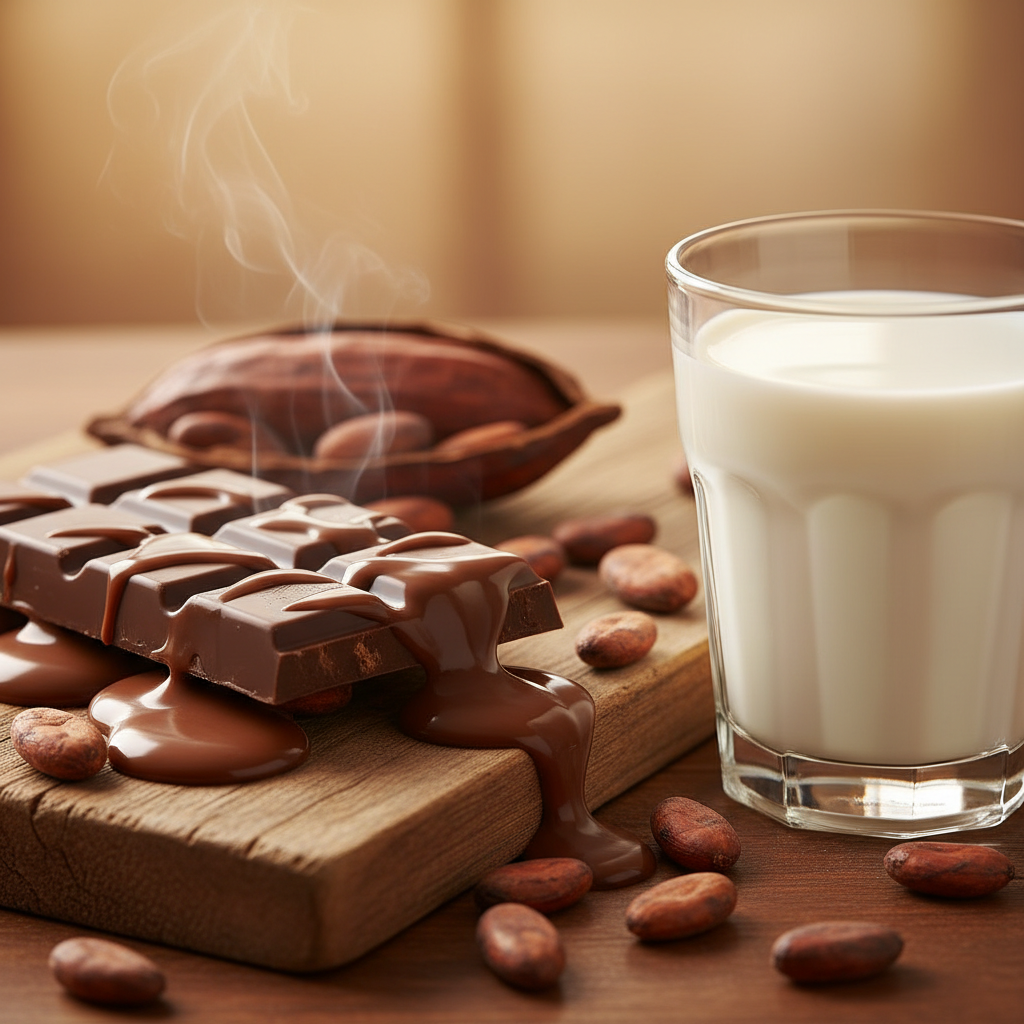
What makes this product so universally loved? Milky choco delivers a flawless balance of roasted cacao notes and sweet dairy richness. The high milk fat content lowers the melting point of the bar, allowing it to dissolve smoothly the moment it hits your tongue. Whether you eat a plain choco milky bar as an afternoon snack or melt it down to coat fresh strawberries, it provides a highly reliable, comforting sensory experience. According to 2024 agricultural data from the United States Department of Agriculture (usda.gov), dairy-based chocolate products continue to dominate the global market because consumers heavily prefer this exact creamy texture over bitter alternatives.
What is Milky Choco?
Milky choco represents a highly engineered balance of botanical and dairy ingredients. To create it, confectioners take the roasted, ground seeds of the cacao tree and blend them with heavy amounts of sugar and milk solids. The Food and Drug Administration (fda.gov) maintains strict standards for this category, requiring these products to contain at least 10 percent pure chocolate liquor and 12 percent milk solids.
This specific ratio defines the entire physical experience of eating the chocolate. The milk solids dilute the intense, sometimes astringent bitterness of the raw cocoa. The added dairy fat works alongside the natural cocoa butter to create a soft, pliable texture. When you break a piece of milky choco, you get a gentle snap rather than a sharp, brittle crack.
People gravitate toward a choco milky treat because it feels incredibly comforting. The high sugar and fat content provide immediate sensory gratification. You get a product that requires almost no chewing. It simply warms up in your mouth and transforms into a thick, sweet liquid. We study these exact textural transitions at FlavorSuggest.com because the mouthfeel of a dessert directly controls how much satisfaction you get from eating it.
The Flavor Profile of Milky Choco
Eating a piece of high-quality milk chocolate is a layered sensory event. The first thing you notice is the smell. It lacks the sharp, acidic aroma of a dark chocolate bar. Instead, you smell warm vanilla, sweet cream, and a very mild roasted nut scent.
When you place it on your tongue, the flavor develops in stages. The immediate taste is pure, clean sugar. As the cocoa butter begins to warm up and melt against your palate, the dairy notes take over. You taste caramelized milk, similar to the flavor of sweet condensed milk or toasted butter. Finally, right at the end of the melt, the actual cocoa flavor appears. It provides a soft, earthy base that prevents the candy from tasting like plain sugar paste.
The physical melting process is what makes the flavor so distinct. A 2025 report published by the National Institutes of Health (nih.gov) confirms that cocoa butter melts at exactly human body temperature. Because milky choco contains extra milk fat, it melts even faster than standard chocolate. This rapid physical breakdown coats your taste buds instantly, delivering a massive, sudden wave of sweet dairy and light cocoa flavor.
Creative Ways to Use Milky Choco
The high sugar and fat content of this chocolate makes it incredibly versatile in the kitchen. Because it melts so easily, it works perfectly as a sweet coating for fresh fruit, pretzels, and marshmallows. You can easily temper it in a double boiler to create a glossy, smooth shell for homemade truffles or cake pops.
Baking with a choco milky bar requires a bit of planning. Because it contains more sugar and less cocoa mass than dark chocolate, it burns much faster in a hot oven. Professional bakers often chop full bars into large chunks and fold them into cookie dough right before baking. The chunks melt into wide, gooey pools of sweet chocolate that stay soft long after the cookie cools down.
You can also use it to upgrade your beverages. Shaving a block of milky choco over a hot cup of espresso adds a creamy, sweet foam to the top of the drink. You can melt a few squares directly into warm milk to create an incredibly rich, thick hot chocolate that tastes much better than powdered mixes.
How Does Milky Choco Compare to Other Chocolates?
Choosing the right type of chocolate requires understanding how the different ingredients affect the final taste and texture. Each category serves a completely different culinary purpose.
| Feature | Milky Choco | Dark Chocolate | White Chocolate |
|---|---|---|---|
| Cocoa Content | 10 to 40 percent | 50 to 90 percent | 0 percent (butter only) |
| Dairy Content | High | None to very low | Very high |
| Texture | Soft, smooth melt | Firm, brittle snap | Waxy, very soft |
| Flavor Profile | Sweet cream, mild cocoa | Bitter, roasted, earthy | Pure vanilla, sweet milk |
| Best Uses | Snacking, sweet coatings | Baking, rich desserts | Frostings, candy making |
As the table shows, this chocolate sits right in the middle of the spectrum. It offers the authentic roasted flavor of dark chocolate without the heavy bitterness. It provides the creamy sweetness of white chocolate without feeling overly waxy. If you want a perfectly balanced choco milky snack, this category provides the most reliable flavor profile.
Where to Buy Milky Choco Products
Finding great milk chocolate is very simple. Almost every grocery store, pharmacy, and gas station in the country carries a wide variety of these bars right at the checkout counter. You can always find standard commercial brands that deliver a consistent, sweet experience.
For people who want to explore premium options, shopping online is the smartest choice. We recommend using our Amazon affiliate links to purchase high-quality European bars, bulk baking wafers, and artisanal truffles. Buying online gives you access to products that use real vanilla beans and high-grade cocoa butter rather than cheap vegetable oils.
Always read the ingredient label before you buy. The best bars list cocoa butter, sugar, and milk powder as the first ingredients. If you see palm oil or artificial flavors listed near the top, the chocolate will likely have a waxy texture and a muted flavor.

If you want to read more about how fats and sugars interact to create perfect desserts, check out our other guides right here on the FlavorSuggest.com homepage. We break down the science of food to help you build a better pantry.
Summary
Finding a dessert that perfectly balances rich flavors and comforting textures is easy when you understand the ingredients. Milky choco blends roasted cocoa with sweet dairy to create a bar that melts instantly on your tongue. Whether you use it to coat fresh strawberries, bake gooey chocolate chip cookies, or simply enjoy a piece with your afternoon coffee, it delivers a consistently sweet and creamy experience.
We love exploring the exact tastes and physical sensations that make food so enjoyable. Head over to FlavorSuggest.com to read more expert flavor breakdowns and discover your next favorite ingredient.
Frequently Asked Questions
What is milky choco?
It is a sweet chocolate product made by blending cocoa mass, cocoa butter, sugar, and milk powder. The addition of dairy gives it a lighter color and a much sweeter taste than dark chocolate.
Why does it melt so easily in the mouth?
It melts quickly because cocoa butter naturally melts at human body temperature. The added milk fat lowers the melting point even further, creating a fast, smooth texture.
What is the difference between this and dark chocolate?
Dark chocolate contains no milk solids and has a much higher percentage of pure cocoa. This makes dark chocolate firm, brittle, and slightly bitter, while milk chocolate is soft and sweet.
Can I use it for baking cookies?
Yes, you can chop it up and use it in cookies. It melts into wide, gooey pools and provides a much sweeter flavor profile than semi-sweet baking chips.
Does it contain real dairy?
Yes, standard commercial versions contain real milk powder or condensed milk. You cannot eat traditional milk chocolate if you have a strict dairy allergy.
What does a choco milky bar taste like?
It tastes primarily like sweet cream and caramelized sugar, followed by a mild, earthy roasted cocoa flavor. It lacks the sharp acidity found in pure cacao.
How should I store these chocolate bars?
You should store them in a cool, dry place away from direct sunlight. Do not put them in the refrigerator, as the moisture can ruin the texture and cause sugar bloom.
Why do some brands taste waxy?
Low-quality brands replace expensive cocoa butter with cheap vegetable oils like palm oil. These oils do not melt cleanly in your mouth, leaving a waxy, unpleasant film on your palate.
Is it good for making hot chocolate?
Yes, melting high-quality bars directly into warm milk creates a very rich, thick beverage. It tastes much more authentic and satisfying than using processed cocoa powder.
Where can I buy premium versions?
You can find premium European and artisanal brands at specialty grocery stores. You can also purchase them easily in bulk through online platforms like Amazon.
References
- United States Department of Agriculture (USDA). “2024 Dairy and Confectionery Market Outlook.” Economic Research Service. https://www.ers.usda.gov
- National Institutes of Health (NIH). “Thermal Properties of Cocoa Butter and Human Sensory Perception.” 2025. https://www.ncbi.nlm.nih.gov
- Food and Drug Administration (FDA). “Cacao Products: Definitions and Standards of Identity.” 2024. https://www.fda.gov