Moringa Seeds: Benefits, Uses, and Why They’re a Superfood
Imagine cracking open a long, ribbed green pod. Inside, you find round kernels with delicate, papery wings. You pop one into your mouth. At first, you notice a mild sweetness. Then, a sharp, bitter note hits the back of your tongue. You take a sip of water, and suddenly, your whole mouth floods with a lingering, sugary sweetness. This unique sensory experience is exactly why we love exploring new foods here at flavorsuggest.com.
Moringa seeds are the edible kernels harvested from the pods of the Moringa oleifera tree. They are highly nutritious, protein-rich seeds used globally for food, wellness, and even water purification. For more detailed information about plant-based nutrition, you can also check out this comprehensive moringa profile by WebMD.
What exactly do moringa seeds do? Moringa seeds provide a massive dose of protein, healthy fats, and antioxidants. People eat them raw, roasted, or cooked to boost energy, reduce joint swelling, and support healthy digestion. They also yield a highly stable cooking fat known as moringa seed oil, which adds a clean, nutty flavor to meals.
Our team at flavorsuggest.com focuses on the real sensory experience of the foods you eat. Today, we want to look closely at these fascinating seeds. We will explore the true moringa seeds taste, their impressive nutritional profile, and exactly how to use them in your own kitchen.
What Are Moringa Seeds?
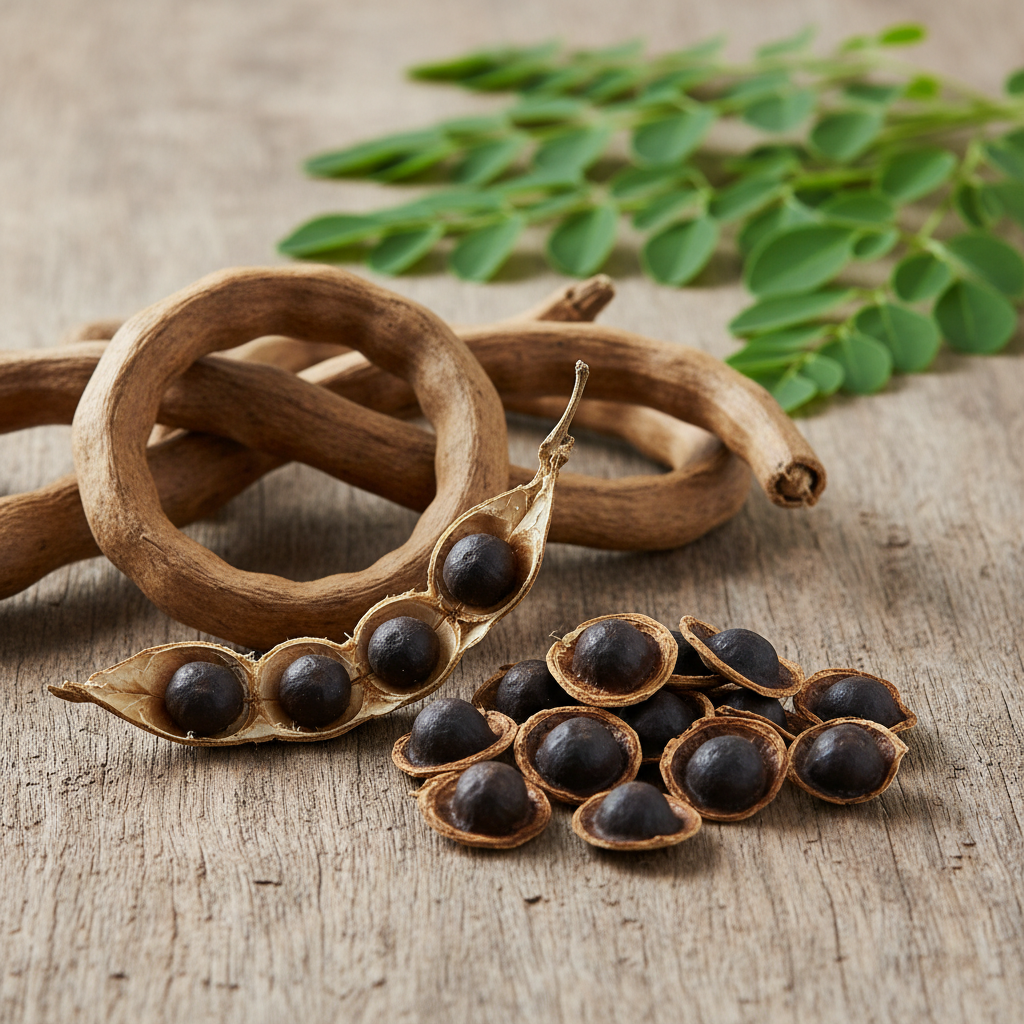
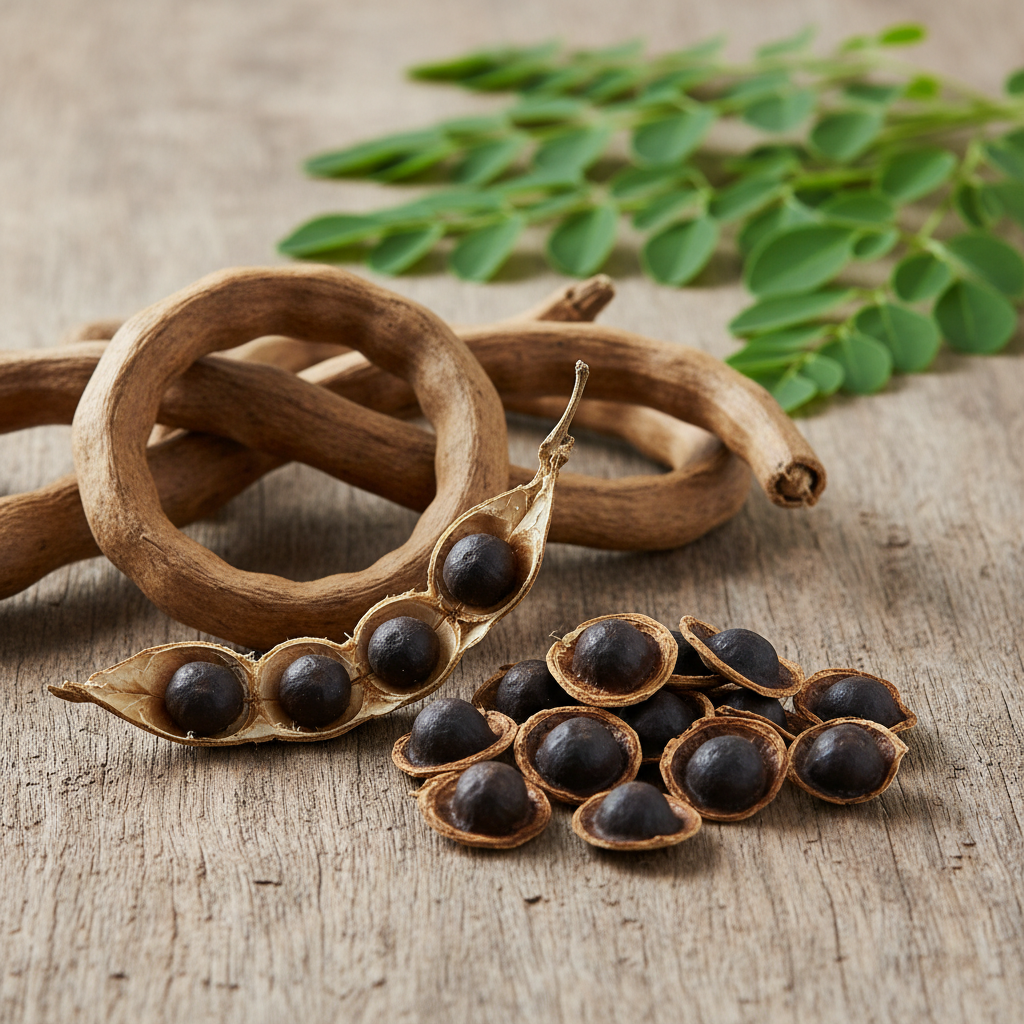
The Moringa oleifera tree grows in tropical and subtropical climates around the world. It produces long, slender pods that look a bit like green beans or drumsticks. Inside these pods sit the moringa oleifera seeds. These seeds develop a tough outer shell with three papery wings as they mature.
Farmers harvest these pods when they are green for vegetable dishes. If left to mature on the branch, the pods dry out. Once the dry pods split open, the mature moringa oleifera seeds are collected. You can eat them whole, press them for their rich fat content, or grind them into a fine powder.
The global interest in moringa plant seeds continues to grow. These seeds pack an incredible amount of nutrition into a very small package. They resist drought easily, making them a reliable food source in arid regions. Because of this resilience, many cultures rely on moringa plant seeds for daily sustenance and traditional remedies.
The Unique Moringa Seeds Taste
Here at flavorsuggest.com, we obsess over flavor profiles. The moringa seeds taste is unlike anything else in the plant kingdom. When you bite into a fresh seed, your taste buds go through three distinct phases.
First, you experience a mild, earthy sweetness similar to fresh green peas. Seconds later, a distinct bitterness washes over your palate. This bitterness comes from the natural plant compounds and antioxidants stored inside the kernel. The moringa seeds taste might surprise you if you expect a traditional nut flavor like almonds or walnuts.
The real magic happens when you drink a glass of water right after eating the seed. The water triggers a chemical reaction on your tongue. The bitter notes vanish instantly, replaced by a deep, sugary sweetness that lingers in your mouth. This sweet aftertaste makes eating moringa plant seeds a truly unique culinary experience.
Nutritional Moringa Seeds Benefits
The nutritional profile of these tiny kernels is staggering. The most prominent moringa seeds benefits revolve around their high protein content. A single serving provides a dense amount of amino acids, which your body needs to build muscle and repair tissue.
Beyond protein, the moringa seeds benefits include a heavy dose of healthy fats. Unlike heavy animal fats, the lipids found in these seeds protect your heart. They help balance your cholesterol levels and provide a steady stream of lasting energy.
These seeds also contain powerful antioxidants like vitamin C and vitamin E. These vitamins protect your cells from daily damage. In recent studies, researchers found that the antioxidants in moringa oleifera seeds actively reduce joint swelling and soothe digestive irritation. This makes them a fantastic addition to a healthy, balanced diet. For an even deeper dive, see our guide to top plant-based proteins.
How to Use Moringa Seeds in Your Diet
Integrating these seeds into your weekly routine is surprisingly simple. You can eat the fresh, green seeds exactly like green peas. Boiling them softens their texture and mellows out the bitter notes. Toss boiled seeds into stews, soups, or vegetable curries for a hearty protein boost.
If you purchase mature, dried seeds, roasting is the best preparation method. Place them in a dry skillet over medium heat. Toast them until they turn golden brown and fragrant. Roasting significantly improves the moringa seeds taste, giving them a rich, nutty flavor similar to roasted peanuts.
You can also crush dried moringa oleifera seeds into a coarse powder. Sprinkle this powder over your morning oatmeal or blend it into a fruit smoothie. Start with just a few seeds a day. Their high fiber content can surprise your digestive system if you eat too many at once.
Moringa Seed Oil: A Versatile Extract
When you press the mature seeds, they release a beautiful, golden liquid. This liquid is called moringa seed oil, historically known as “ben oil.” This name comes from the high concentration of behenic acid found inside the fat.
Moringa seed oil is a chef’s dream. It boasts an incredibly high smoke point. This means you can use it for high-heat frying or roasting without it breaking down and smoking. It leaves a clean, slightly nutty finish on roasted vegetables and seared meats.
Beyond the kitchen, moringa seed oil offers fantastic benefits for your skin and hair. The high vitamin E content makes it a brilliant natural moisturizer. Many people apply a few drops directly to their face to soothe dry patches or rub it into the ends of their hair to prevent breakage.
Moringa Seeds vs. Other Superfoods
To truly understand these seeds, it helps to compare them to other popular health foods. The table below breaks down how they stack up against chia seeds and flaxseeds.
| Feature | Moringa Seeds | Chia Seeds | Flaxseeds |
|---|---|---|---|
| Primary Benefit | High protein, joint support | High fiber, hydration | Omega-3 fats, digestion |
| Flavor Profile | Sweet to bitter, nutty | Mild, tasteless | Earthy, slightly nutty |
| Preparation | Boiled, roasted, or pressed | Soaked in liquid | Ground into powder |
| Unique Trait | Sweetens water after eating | Forms a thick gel | Must be ground to digest |
As you can see, the moringa seeds benefits stand out when you need a strong protein source with a highly interactive flavor profile. While chia and flax fade into the background of a meal, moringa demands your sensory attention.
Wrapping Up
Moringa seeds offer an exciting blend of deep nutrition and unique flavor. From the sweet and bitter moringa seeds taste to the high-heat stability of moringa seed oil, these tiny kernels deserve a spot in your pantry. They provide exceptional amounts of protein, protect your cells with antioxidants, and deliver a sensory experience you will not forget.
If you loved learning about the flavor journey of these seeds, keep exploring with us. Visit flavorsuggest.com to discover more deep dives into the tastes, textures, and sensory profiles of the world’s most fascinating foods.
Frequently Asked Questions
What are moringa seeds?
They are the edible kernels found inside the pods of the Moringa oleifera tree. People harvest them for food, press them for oil, and use them in traditional remedies.
How do you eat moringa seeds?
You can boil fresh green seeds like peas. You can also roast mature, dried seeds in a skillet until they become crunchy and fragrant.
What is the moringa seeds taste like?
They start with a mild sweetness, followed by a sharp, bitter note. If you drink water immediately after eating one, your mouth will flood with a lingering sweet taste.
What are the main moringa seeds benefits?
They provide a massive amount of plant-based protein and healthy fats. They also contain strong antioxidants that help reduce joint swelling and support heart health.
Can you eat the shells of the seeds?
No, you should peel away the fibrous, winged outer shell before eating. The inner white kernel is the edible part.
What is moringa seed oil used for?
This oil is excellent for high-heat cooking because it does not burn easily. People also use it topically to moisturize dry skin and condition hair.
Are moringa plant seeds safe to eat every day?
Yes, they are safe for daily consumption. Start with just a few seeds a day to let your digestive system adjust to their high fiber content.
Do moringa seeds help with digestion?
Yes, they contain high amounts of dietary fiber. This fiber supports healthy bowel movements and feeds the good bacteria in your gut.
Where do moringa oleifera seeds come from?
They grow on the Moringa oleifera tree, which is native to South Asia. The tree now grows in tropical and subtropical regions worldwide.
Can I grow my own moringa plant seeds?
Yes, if you live in a warm, frost-free climate, the tree grows very quickly from seed. You can harvest your own fresh pods within the first year of planting.